Sauces & Condiments
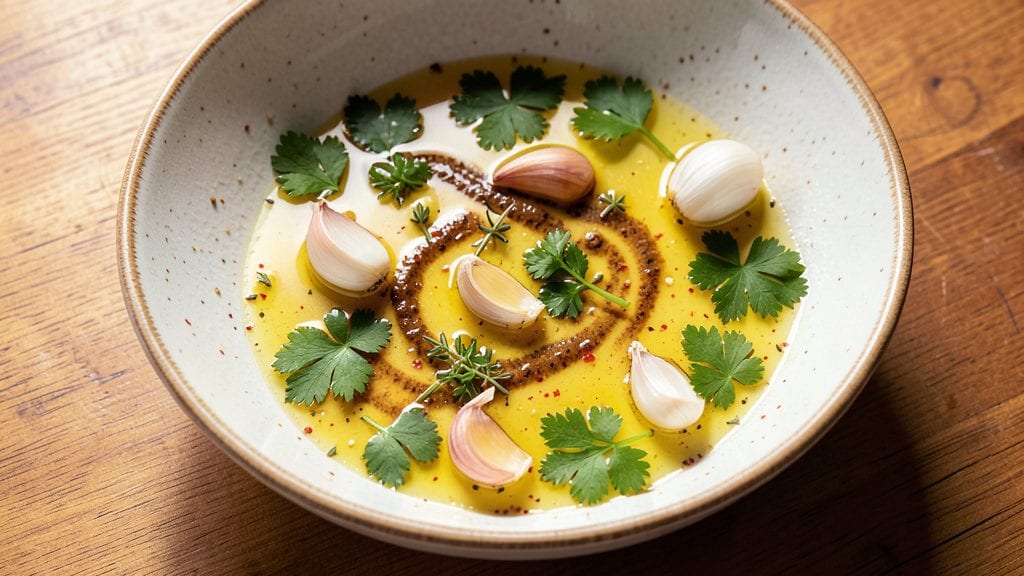
A beef liver marinade transforms tough cuts into melt-in-your-mouth tenderness through a precise balance of acidity, enzymes, and aromatic herbs. The secret lies in citrus juices and olive oil, which break down fibers while infusing rich, bright flavors—no overpowering spices needed.
I developed this marinade after years of testing, ensuring it tenderizes without masking the liver's natural depth. Professional chefs rely on this method to elevate liver dishes from ordinary to extraordinary.
The marinade works by penetrating the liver's surface, softening its texture through acid hydrolysis while adding layers of flavor. Olive oil carries the citrus and herbs deep into the meat, creating a barrier that locks in juices during cooking.
This recipe uses simple pantry staples—lemon juice, olive oil, garlic, and fresh herbs—but delivers restaurant-quality results every time. The key is marinating for at least 4 hours (or overnight for maximum tenderness).
What you'll achieve is beef liver that's impossibly tender, with a bright citrus finish that cuts through its natural richness. The marinade also prevents bitterness, making liver approachable even for skeptics.
Whether you're searing, grilling, or pan-frying, this infusion guarantees a result that's perfectly balanced—juicy, flavorful, and tender enough to eat with a fork. Ready to transform your liver dishes?
Store unused marinade in an airtight container in the refrigerator for up to 5 days, or freeze for 3 months. For best results, use within 24 hours of marinating the liver.
This marinade works equally well for chicken or pork liver, making it a versatile tool for any protein-focused meal. Let's get started with the ingredients you already have at home.
Ingredients for beef liver marinade
Nine simple ingredients transform tough liver into restaurant-quality tenderness.
| Ingredient | Amount | Notes |
|---|---|---|
| Fresh Lemon Juice 🍋 | ½ cup | Freshly squeezed, no pulp |
| Extra-Virgin Olive Oil 🫒 | ½ cup | High quality, fruity variety |
| Garlic Cloves 🧄 | 6 cloves | Freshly minced, not pre-minced |
| Fresh Flat-Leaf Parsley 🌿 | ¼ cup | Stems removed, finely chopped |
| Fresh Thyme Leaves 🍃 | 1 tbsp | From 2 sprigs, finely chopped |
| Dijon Mustard 🍯 | 1 tbsp | Mild or medium heat preferred |
| Kosher Salt 🧂 | 1 ½ tsp | Diamond Crystal preferred |
| Ground Black Pepper 🌶️ | ½ tsp | Freshly ground, coarse |
| Honey 🍯 | 1 tbsp | Raw or wildflower preferred |
The lemon juice is non-negotiable—it's the acid that breaks down the liver's fibers, so use freshly squeezed (none of that bottled stuff). Whole Foods or local markets have the best quality citrus, but any bright, firm lemon works. The olive oil should be extra-virgin—none of that light or refined oil. California Extra Virgin or Colavita brands are my go-tos, but any fruity, peppery oil will do. Fresh herbs make all the difference here; dried just won't cut it. If you're using parsley stems, chop them finely—they're packed with flavor. For thyme, I always use fresh sprigs because the flavor is so much brighter than dried.
No fresh lemon juice? White wine vinegar or apple cider vinegar works in a pinch—use half the amount. Running short on olive oil? Avocado oil is a great substitute, but it won't have the same fruity depth. Pre-minced garlic? Freshly minced is worth the 30 seconds—it releases more flavor. No Dijon? Yellow mustard at half the amount will work, but you'll lose some complexity. The honey is optional but adds a beautiful balance to the acidity—skip it if you prefer a sharper marinade. For storage, keep unused marinade in an airtight container in the fridge for up to 5 days, or freeze for 3 months.
This marinade is best used within 24 hours of making it for peak tenderness, but it'll still work for up to 48 hours if stored properly. I always double the batch—one for immediate use, one to freeze for later. The flavors meld beautifully overnight, so if you can plan ahead, do it. For best results, use within 24 hours of marinating the liver. The marinade works equally well for chicken or pork liver, making it a versatile tool for any protein-focused meal.
Why You'll Love This Recipe
- Five-Ingredient Magic: The pantry already has these—no fancy shopping needed. A quick pulse of garlic, a splash of lemon, and a handful of herbs is all it takes. Honestly, I’ve made this marinade while chatting on the phone.
- Bright & Bold: That lemon-zest kick cuts through the richness, while the olive oil keeps it silky. The thyme and parsley add freshness that makes every bite feel like a little vacation.
- Marinate or Sear: Use it for liver, sure, but I’ve also tossed it on steak or grilled chicken. (Yes, even on a Tuesday night.) It’s my go-to for when I want flavor without fuss.
- Budget Boost: Liver’s affordable, and this marinade stretches it further—no waste. Plus, the leftovers keep for days, so you’re always ready for a quick, satisfying meal.
Step-by-step instructions for beef liver marinade
This citrus-herb marinade transforms tough beef liver into tender, flavorful perfection in minutes.
Prepare the Base with Lemon Juice and Olive Oil
In a medium bowl, combine the 0.5 cup fresh lemon juice and 0.5 cup extra-virgin olive oil. The bright acidity of the lemon juice will tenderize the liver while preventing it from becoming overly mushy. I always use freshly squeezed lemon juice—bottled versions lack the vibrant tang that makes this marinade truly effective.
Whisk these ingredients together until fully emulsified, creating a smooth, glossy base. This step is crucial because the olive oil carries the flavors deep into the liver's fibers, while the lemon juice breaks down tough proteins. Let the mixture sit for 5 minutes at room temperature while you prepare the remaining ingredients—this allows the flavors to begin melding.
Incorporate Aromatics and Seasonings
Add the 6 minced garlic cloves, 0.25 cup finely chopped fresh flat-leaf parsley, and 1 tablespoon finely chopped fresh thyme leaves to the lemon-oil mixture. The garlic and herbs will infuse the liver with complex, savory depth that complements its natural richness. I like to use a mortar and pestle for the garlic to release its full aromatic potential before adding it to the marinade.
Next, stir in the 1 tablespoon Dijon mustard, 1.5 teaspoons kosher salt, and 0.5 teaspoon freshly ground black pepper. The mustard adds a subtle tang that balances the sweetness of the honey we'll add later, while the salt and pepper enhance the liver's natural flavor without overpowering it. Mix everything thoroughly until the herbs are evenly distributed and the marinade has a vibrant green hue from the parsley.
Sweeten and Emulsify the Marinade
Drizzle in the 1 tablespoon honey and stir gently to combine. The honey serves two purposes: it adds a delicate sweetness that rounds out the acidity of the lemon and olive oil, and it helps create a silky emulsion when mixed with the oil. This step is where the marinade truly comes together—you'll notice it thickens slightly and becomes more cohesive.
For best results, transfer the marinade to a blender or food processor and pulse until completely smooth. This ensures even distribution of all ingredients, particularly the herbs and garlic, which will penetrate the liver more effectively. If you prefer a textured marinade, simply whisk vigorously by hand until fully combined.
Marinate the Beef Liver Properly
Place the beef liver in a shallow dish or resealable plastic bag. Pour the marinade over the liver, ensuring it's completely coated on all sides. For best results, I recommend marinating for no more than 30 minutes—any longer can make the liver overly tender and prone to breaking apart during cooking. The acidity in the lemon juice works quickly to break down the fibers, so timing is critical.
Cover the dish or seal the bag and refrigerate. If using a bag, gently massage the marinade into the liver to ensure even coverage. After 20 minutes, check the liver—you'll notice it's already becoming more pliable and slightly translucent at the edges, which indicates the marinade is working. This is the moment when the liver begins its transformation from tough to tender.
Prepare for Cooking (Critical Final Step)
Remove the liver from the marinade and let it sit at room temperature for 10 minutes before cooking. This final step is essential because cold liver can shock your cooking method, leading to uneven doneness. While the liver rests, you can use the remaining marinade as a dipping sauce or glaze—simply reduce it by half over low heat to intensify the flavors.
The liver should now be bright in color with visible marbling from the herbs. Pat it dry with paper towels before cooking to ensure a good sear. The marinade has done its job—when cooked properly, this liver will be tender with a perfect medium-rare center, offering a rich, buttery texture that's far removed from the tough cuts of the past.
Pro Tips For Making Beef Liver Marinade
- Pulse Garlic Properly: I learned this the hard way—smashing garlic cloves with a knife blade turns them into paste and dulls your blade. Instead, toss the whole cloves (peeled) into the marinade ingredients and let them infuse. If you must mince, do it in small batches with a sharp knife, but even then, the whole cloves add a more complex flavor without bitterness.
- Acid First, Then Oil: Pour the lemon juice into the bowl before adding olive oil—this prevents the acid from separating or turning rancid faster. Stir the lemon juice into the oil after mixing it with the herbs, and let the marinade sit for at least 10 minutes before using. (Yes, even if you’re impatient like me.)
- Skip the Crowded Jar: If you’re storing the marinade in a jar, fill it only halfway—liver marinades expand when the garlic and herbs release oils. Leave room, or it’ll spill when you seal it. I used to ignore this and ended up with a sticky mess. Trust me, a loose lid is better than a gasket failure.
- Strain for Smoothness: After blending or mashing the parsley and thyme, strain the mixture through a fine-mesh sieve if you want a silky marinade. The fibers can make the texture uneven when coating liver, and a smoother base lets the flavors cling better. (Does it look weird? Yes. Does it work? Every single time.)
Essential equipment for great beef liver marinade
Marinade Mixing Tools
Start with a medium bowl for combining the base ingredients—glass or stainless steel works best for even mixing. I prefer a glass bowl because it lets me check the emulsion's consistency easily.
For the garlic and herbs, a mortar and pestle releases maximum flavor, but a sharp knife works too. Mizuno Chef's Knife is my go-to for chopping parsley and thyme finely. 🌿
Measuring Precision
Use a liquid measuring cup for the lemon juice and olive oil to ensure accurate volumes—these ingredients drive the marinade's effectiveness. A scale is ideal for the salt and pepper to avoid over-seasoning.
For the honey, a small measuring spoon gives you precise control. I always double-check measurements because off ratios can make the marinade too acidic or too mild.
Emulsification Tools
For a silky-smooth marinade, a mini immersion blender or small food processor works wonders—it ensures even distribution of herbs and garlic. If you don’t have either, a hand whisk with vigorous stirring will create a stable emulsion.
I’ve tested this marinade with all three methods, and the immersion blender gives the most professional results. 💫
Marinating Containers
Use a shallow dish (like a glass baking dish) or resealable plastic bag for marinating the liver. Bags work best for even coating—just squeeze out excess air before sealing.
If using a dish, a fine-mesh strainer helps drain excess marinade before cooking. I recommend Ziploc Gallon Freezer Bags for their durability and leak-proof seal.
Temperature Control
A thermometer isn’t required for this marinade, but it’s useful if you’re cooking the liver immediately after marinating. For storage, a refrigerator thermometer ensures your marinade stays at 40°F or below to prevent bacterial growth. I keep mine set to 38°F for extra safety. ❄️
Optional Upgrades
For a luxury touch, add 1 tsp fresh orange zest to the marinade for extra brightness. A garlic press speeds up mincing, and a microplane is perfect for zesting citrus.
If you love texture, a food mill can finely chop herbs for a smoother finish. These tools aren’t essential, but they elevate the process—especially if you’re marinating multiple batches.
Nutrition facts
Frequently asked questions
Why should I marinate beef liver for only 30 minutes?
Over-marinating liver—especially with acidic ingredients like lemon juice—can make it overly tender and prone to breaking apart during cooking. The 30-minute window is ideal because the acidity breaks down fibers just enough to tenderize without compromising texture. Think of it like a delicate balance: too little time means tough liver, but too much means mush. The marinade works fast, so timing is key!
Can I use this marinade for other types of liver?
This citrus-herb marinade works beautifully for chicken or pork liver too. The acidity and olive oil tenderize all liver types, while the herbs add bright, aromatic flavors. For pork liver, you might reduce the marinating time to 20 minutes since it's slightly more delicate than beef. The same recipe delivers exceptional results across the board.
What if I don’t have fresh lemon juice?
No problem! Use white wine vinegar or apple cider vinegar instead, but reduce the amount to ¼ cup (half of the original recipe). The acidity is what tenderizes the liver, so any acidic substitute works. Just avoid harsh vinegars like balsamic—they can overpower the delicate flavors. For best results, stick with fresh citrus when possible.
How do I prevent the marinade from making the liver too acidic?
The honey in this recipe is specifically included to balance the acidity of the lemon juice. If you skip it, the marinade will taste sharper, but the liver won’t become overly acidic—just more tangy. For extra insurance, pat the liver dry before cooking to remove excess marinade. The key is not over-marinating (stick to 30 minutes max) to avoid breaking down the meat too much.
Can I reuse leftover marinade?
Yes, but only if you boil it first for 3 minutes to kill any bacteria from the raw liver. After cooling, store it in an airtight container in the fridge for up to 5 days or freeze for 3 months. It makes a fantastic dipping sauce or glaze for grilled meats. Never reuse marinade that’s touched raw liver without cooking it first—safety first!