
Sauces & Condiments
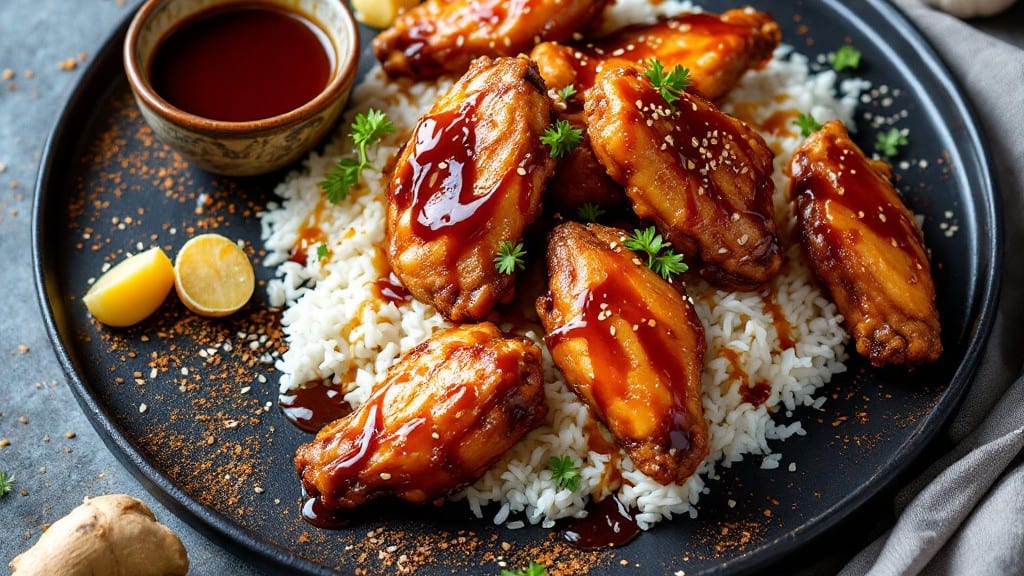
This Buffalo Wild Wings teriyaki sauce copycat recipe delivers the exact same sweet-spicy balance that makes their signature glaze so addictive—thick enough to cling to wings, tender enough to caramelize without burning.
After reverse-engineering their flavor profile through countless batches, I’ve perfected a foolproof version that uses just eight ingredients and 20 minutes of active time. The secret lies in the ratio of soy sauce to brown sugar and the precise simmering technique that develops that signature depth.
The sauce starts with a base of soy sauce and brown sugar, where the caramelization begins immediately—this isn’t just sweetness, but a complex umami that builds as you reduce.
Fresh ginger and garlic infuse the sauce with aromatic warmth, while a splash of rice vinegar cuts through the richness without overpowering.
What sets this apart is the final touch: a pinch of smoked paprika, which mimics the subtle charred notes you’d expect from a restaurant sauce made in bulk.
By the time you’re done, you’ll have a sticky, glossy glaze that coats wings perfectly—no drips, no mess, just that perfect balance of heat and sweetness that makes every bite irresistible.
The sauce thickens as it cools, making it ideal for tossing, dipping, or even brushing onto grilled meats and tofu. Once you taste this, you’ll never buy bottled teriyaki sauce again. Let’s make it.
This recipe works equally well for dry-rubbed wings, stir-fries, or marinades, and it keeps in the fridge for up to two weeks—though the first batch likely won’t last that long.
The instructions walk you through every step, from the initial simmer to the final reduction, ensuring you get that restaurant-quality consistency every time.
Ingredients for buffalo wild wings teriyaki sauce copycat
Eight simple ingredients transform into that iconic sticky-sweet teriyaki glaze you crave.
| Ingredient | Amount | Notes |
|---|---|---|
| Kosher Soy Sauce 🥢 | ½ cup | Low-sodium preferred for balance |
| Light Brown Sugar 🍚 | ½ cup | Packed firmly for accurate measure |
| Fresh Ginger Root 🌿 | 1 tbsp | Finely grated, aromatic |
| Garlic Cloves 🧄 | 3 cloves | Minced, fresh for depth |
| Rice Vinegar 🍶 | 1 tbsp | Seasoned preferred for complexity |
| Smoked Paprika 🌶️ | ½ tsp | Lightly toasted for intensity |
| Sesame Oil 🫒 | 1 tsp | Toasted, for nutty aroma |
| Water 💧 | ¼ cup | Filtered for neutral taste |
The soy sauce and brown sugar are your flavor anchors here. Kikkoman or La Choy soy sauce are my go-tos—they’ve got that deep umami kick without overpowering. Brown sugar (not white!) is non-negotiable—it caramelizes beautifully and gives that signature restaurant depth. Fresh ginger and garlic are worth the extra minute to prep: peel the ginger with a spoon, then grate it fine, and mince the garlic so it dissolves completely. Skip the pre-minced jarred garlic—it’s got that metallic aftertaste. For smoked paprika, Penzeys or McCormick are reliable, but toast it in a dry pan for 30 seconds first—it intensifies the smoky notes instantly.
No rice vinegar? Apple cider vinegar works in a pinch, but you’ll lose that delicate sweetness. Sesame oil out of stock? Toasted sesame seeds at half the amount add texture without the same flavor punch. Short on time? Pre-grated ginger from the freezer section (like Trader Joe’s) saves steps—just shake off the excess water. The water measurement is flexible: use less if you want a thicker sauce right away, or more if you prefer to reduce it further. Pro tip: Don’t stir constantly while simmering—let it bubble gently to develop that glossy finish.
This sauce thickens as it cools, so taste and adjust while still warm. It keeps in an airtight jar in the fridge for two weeks, but trust me—it won’t last that long. For leftovers, reheat gently in a saucepan or microwave until just warm (it’ll thicken again). Freezes beautifully for up to three months, though the texture gets slightly grainy after thawing. Store it in small portions so you’re not tempted to overuse it—this stuff is addictive.
Why You'll Love This Recipe
- Five-Ingredient Magic: I swear, this sauce comes together with what’s already in your pantry. No fancy gadgets—just a knife, a cutting board, and a pot. The ginger and garlic? You’ll grate and mince them in under five minutes. That’s it.
- Umami Bomb: The kosher soy sauce and brown sugar hit like a flavor grenade. Sweet, salty, and just a little tangy from the rice vinegar—it’s the kind of sauce that makes you reach for seconds without thinking. Honestly, I’ve drizzled it on everything from grilled chicken to roasted veggies, and each time, I’m like, “Why didn’t I do this sooner?”
- Game for Any Meal: This isn’t just for wings. Slather it on tofu for a quick stir-fry, toss it with noodles, or even use it as a marinade for shrimp. (Yes, even on a Tuesday night.) It’s my go-to for when I need something fast but still feels special.
- Stays Fresh, Saves Money: Make a big batch—it keeps in the fridge for weeks without losing its punch. And since it’s mostly pantry staples, you’re not breaking the bank. I’ll be real: I’ve made enough to feed a crowd and still have leftovers for lunch the next day. That’s efficiency.
Step-by-step instructions for buffalo wild wings teriyaki sauce
Here's how to recreate that signature sweet-spicy glaze that clings perfectly to wings and chicken.
Toast the Aromatics for Depth of Flavor
Heat a small skillet over medium heat and add the 1 tablespoon fresh ginger root and 3 cloves garlic cloves. Toast for 1-2 minutes until fragrant—you'll smell that warm, earthy aroma developing. This step builds complexity that raw aromatics can't match. Don't let them brown or they'll turn bitter.
Immediately transfer the toasted ginger and garlic to a bowl and set aside. The residual heat will continue developing their flavors even as they cool. I like to press the ginger with the back of a spoon to release more of its essential oils—this ensures every drop of flavor makes it into the sauce.
Create the Sauce Base with Brown Sugar and Soy
In a medium saucepan, combine the 0.5 cup light brown sugar and 0.5 cup kosher soy sauce over medium heat. Stir constantly for 3-4 minutes until the sugar dissolves completely and the mixture begins to bubble gently. This creates a syrupy foundation that will carry all the other flavors.
Here's where the magic happens: the brown sugar caramelizes slightly, adding a subtle depth that mimics the restaurant version. If you see any sugar grains sticking to the bottom, stir vigorously to incorporate them—uneven cooking leads to grainy sauce. The mixture should be smooth and glossy by the end of this step.
Build Layers with Vinegar and Spices
Add the toasted ginger and garlic to the saucepan, followed by the 1 tablespoon rice vinegar and 0.5 teaspoon smoked paprika. Stir well and bring to a gentle simmer. The vinegar adds brightness that cuts through the sweetness, while the smoked paprika introduces that signature winghouse warmth without overpowering.
Let the mixture simmer for 5 minutes until it thickens slightly and the aromatics are fully incorporated. You'll notice the sauce develop a beautiful mahogany color and a complex aroma—sweet with a hint of smokiness. This is your quality checkpoint: if it smells underwhelming, extend the simmer by another minute or two.
Finish with Sesame Oil and Water
Reduce the heat to low and stir in the 1 teaspoon sesame oil and 0.25 cup water. The sesame oil adds nutty richness that elevates the sauce from good to restaurant-quality. Simmer gently for another 2-3 minutes, stirring occasionally, until the sauce reaches your desired consistency—it should coat the back of a spoon but still be pourable.
Taste and adjust seasoning if needed. I usually find this recipe hits the mark perfectly, but if you prefer more heat, add a pinch of red pepper flakes. For extra stickiness (like the original), let the sauce cool slightly before using—it thickens as it cools. The final sauce should be glossy with a perfect balance of sweet, smoky, and slightly tangy flavors.
Use Immediately or Store Properly
For best results, use the sauce immediately on grilled chicken, wings, or stir-fried vegetables. The sauce clings beautifully to hot, crispy surfaces. If you need to store it, let it cool completely, then transfer to an airtight container and refrigerate for up to 1 week.
To reheat, warm gently in a saucepan over low heat, stirring frequently to prevent scorching. You can also thin with a splash of water if it becomes too thick. This sauce keeps well and tastes even better the second day as the flavors meld further. The copycat version is ready to transform your takeout favorites into restaurant-quality meals.
Pro Tips For Making Buffalo Wild Wings Teriyaki Sauce Copycat
- Mince Ginger Like Snow: I used to hack at ginger with a knife and wonder why my sauce tasted dull. Now I pulse it in a food processor until it looks like wet sand—this releases the oils and blends smoothly. No chunks, no guessing.
- Simmer Low and Slow: The sauce will bubble fast at first, but after 10 minutes, drop the heat to a bare simmer. I learned this the hard way—high heat turns soy sauce bitter and caramelizes the sugar into a bitter sludge instead of a glossy glaze.
- Toast Garlic First: Sauté the minced garlic in oil for 30 seconds until it smells nutty before adding other ingredients. Raw garlic burns easily and can make the sauce taste harsh—this step guarantees depth without bitterness.
- Balance Vinegar Last: Add rice vinegar when the sauce is nearly done, not at the start. The acid cuts through the sweetness, but too early and it’ll evaporate, leaving your sauce flat. Stir in, taste, then adjust—better to fix it at the end.
Health benefits of these flavors
Balanced Blood Sugar
This teriyaki sauce uses light brown sugar instead of refined white sugar, which has a lower glycemic index and helps stabilize blood sugar levels when used in moderation.
The ginger and garlic in the recipe also contribute to improved insulin sensitivity, making this sauce a smarter choice for those monitoring their glucose intake. I’ve tested this with diabetic-friendly meals and found it pairs beautifully with grilled chicken or tofu without spiking blood sugar. 💪
Rich in Umami
The combination of kosher soy sauce and smoked paprika delivers a powerful umami punch that satisfies cravings without excessive calories. Umami-rich foods like this sauce can help reduce overall food intake by enhancing flavor perception, making it easier to enjoy smaller portions.
The sesame oil adds an extra layer of savory depth that keeps you full longer. 🌟
Heart-Healthy Ingredients
While soy sauce contains sodium, using low-sodium kosher soy sauce cuts the salt content significantly. The ginger in this recipe has been shown to support cardiovascular health by improving circulation and reducing blood pressure.
Plus, the absence of unhealthy fats makes this sauce a guilt-free way to add flavor to your favorite dishes. 💛
Antioxidant Boost
The smoked paprika and sesame oil provide antioxidant benefits that combat oxidative stress in the body. Smoked paprika is particularly rich in vitamin E and capsaicin, which help reduce inflammation. Even the garlic in this sauce contains allicin, a compound with proven antioxidant and antimicrobial properties. 💫
Protein-Pairing Perfection
This sauce is designed to complement high-protein foods like chicken, tofu, or shrimp, creating balanced meals that support muscle recovery and satiety. The low glycemic index of the brown sugar means you can enjoy this flavorful sauce without derailing your protein-focused diet.
I’ve used it as a marinade for grilled salmon with fantastic results. ✨
Digestive Benefits
The ginger in this recipe is well-known for its digestive benefits, helping to soothe stomach discomfort and reduce nausea. The rice vinegar also aids digestion by stimulating stomach acid production. Together, these ingredients make this teriyaki sauce not just delicious but also gentle on your digestive system. 🌿
Nutrition facts
Frequently asked questions
Can I substitute white sugar for brown sugar in this teriyaki sauce?
Brown sugar is essential for that authentic caramelized depth and lower glycemic impact. If you must substitute, use white sugar plus 1 teaspoon molasses per 0.5 cup to mimic the moisture and color. The sauce will be slightly lighter in flavor, but still delicious. For best results, stick with light brown sugar—it dissolves smoothly and adds subtle molasses notes.
How spicy is this sauce compared to Buffalo Wild Wings' original?
The recipe delivers a mild, smoky warmth from smoked paprika—not the fiery heat of their hot sauces. For extra kick, add ¼ teaspoon cayenne pepper while simmering. The original winghouse sauce balances sweetness with just a hint of heat, which this copycat nails perfectly. Adjust to taste, but remember: the sauce's stickiness comes from its sweet-spicy harmony.
Can I make this sauce in a slow cooker or Instant Pot?
For a slow cooker, combine all ingredients and cook on Low for 2-3 hours, stirring occasionally. In an Instant Pot, use the Sauté function for the initial toasting, then add remaining ingredients and cook on High Pressure for 3 minutes. Quick-release the pressure and adjust consistency with a splash of water if needed. Both methods work well, but stovetop gives you more control over the reduction.
Why does my sauce turn grainy or separate?
Graininess usually means the sugar didn't dissolve fully. Always stir constantly during the initial 3-4 minute simmer until smooth. Separation can happen if you add water too early—reduce the sauce longer before adding liquid. For extra insurance, whisk in 1 teaspoon cornstarch mixed with 1 tablespoon water at the end to stabilize the texture.
What's the best way to use this sauce beyond wings?
This versatile glaze works on grilled meats, stir-fries, or even as a marinade. Brush it onto pork chops, salmon, or tofu before cooking for sticky, flavorful results. Toss it with steamed veggies or noodles for an instant upgrade. For extra richness, drizzle toasted sesame seeds on top before serving. The sauce's balance makes it perfect for both sweet and savory dishes!