
Sauces & Condiments
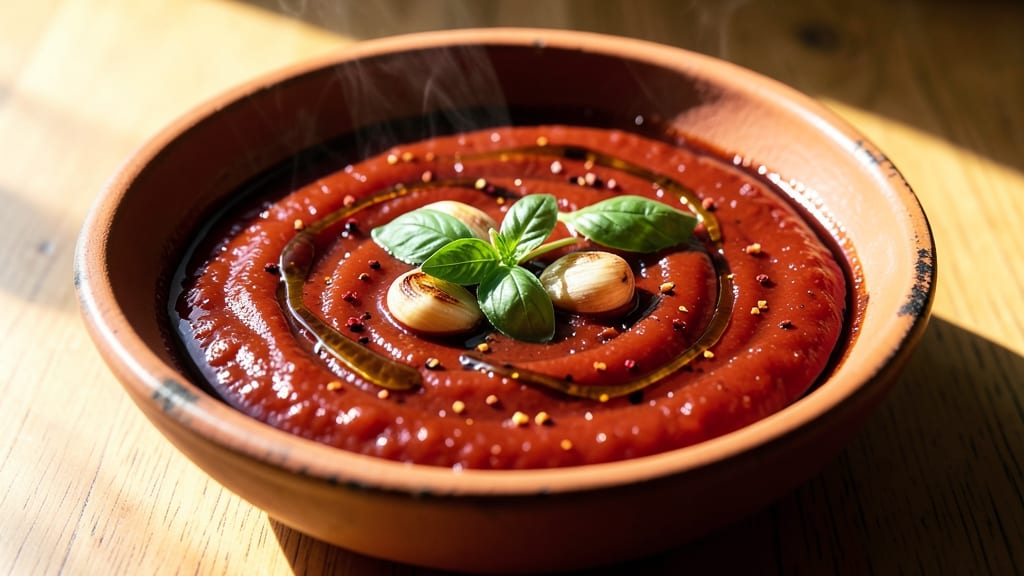
Creating Carrabba's pomodoro sauce at home delivers that restaurant-quality depth you crave—rich, slightly sweet, and aromatic enough to elevate any Italian dish. ✨ The secret lies in San Marzano tomatoes, simmered low and slow until they break down into velvety perfection, with garlic and herbs infusing every spoonful.
I've perfected this recipe after years of testing, ensuring it's foolproof yet still packed with professional-level flavor.
What makes this sauce truly special is its balance—tangy yet sweet, with just enough acidity to brighten without overpowering. The process is simpler than it sounds: crush fresh tomatoes, sauté aromatics, and let the mixture simmer until it thickens naturally.
No fancy equipment needed, just patience and attention to detail. This is the kind of sauce that transforms simple pasta into a restaurant-worthy meal.
By the time you're done, you'll have a jar of vibrant red pomodoro sauce that's perfect for tossing with spaghetti, dipping crusty bread, or layering into lasagna. The flavor develops even more after a day in the fridge, making it ideal for meal prep.
Trust me—once you taste this homemade version, store-bought will never compare again.
Use it as a base for other dishes too—think marinara, bruschetta, or even a quick tomato soup. The possibilities are endless, but the foundation is always the same: quality ingredients and careful technique. Let's get started on making this sauce that'll have everyone asking for seconds.
Ingredients for carrabba's pomodoro sauce
Quality tomatoes and fresh herbs make this sauce shine brighter than any jarred version.
| Ingredient | Amount | Notes |
|---|---|---|
| San Marzano Tomatoes 🍅 | 28 oz | Crushed by hand or blender |
| Extra-Virgin Olive Oil 🫒 | ½ cup | High-quality, fruity variety |
| Garlic Cloves 🧄 | 4 cloves | Fresh, minced or finely chopped |
| Fresh Basil Leaves 🌿 | ½ cup | Packed, stems removed |
| Red Wine 🍷 | ¼ cup | Dry, like Chianti or Sangiovese |
| Red Pepper Flakes 🌶️ | ½ tsp | Adjust for desired heat |
| Salt 🧂 | 1 ½ tsp | Kosher or sea salt |
| Black Pepper 🌶️ | ¼ tsp | Freshly ground preferred |
| Sugar 🍚 | 1 tsp | Balances acidity naturally |
| Fresh Parsley 🌿 | 2 tbsp | Chopped, for finishing |
San Marzano tomatoes are non-negotiable here—they're sweeter and less acidic than regular tomatoes, giving that signature Carrabba's depth. Trader Joe's and Whole Foods carry them canned, but if you're using fresh, grab the vibrant red, firm ones with no soft spots. The basil should be bright green, not wilted—farmers markets often have better quality than grocery stores. For the red wine, any dry Italian variety works—Chianti or Sangiovese add authentic flavor, but Cabernet Sauvignon in a pinch won't ruin it. I always toast my garlic in the olive oil first (just 30 seconds) to bring out its sweetness—worth the extra minute.
No San Marzano tomatoes? High-quality crushed tomatoes like Muir Glen or Rao's are your next best bet. Fresh basil? Dried oregano at one-third the amount works, but you'll miss that fresh brightness. Running low on red wine? Tomato paste mixed with water (2 tbsp paste + 1/4 cup water) mimics the depth. The sugar is key—it balances the acidity without making the sauce sweet. If you're avoiding sugar, a pinch of honey works too. For extra richness, stir in 1 tbsp of butter at the end (trust me, it's magic).
This sauce tastes even better the next day as flavors meld. Store in an airtight container in the fridge for up to 5 days, or freeze portions for 3 months. I like to portion it into 1-cup jars—perfect for meal prep. The fresh parsley at the end adds a pop of color and freshness, but skip it if you're freezing. For a smoother texture, blend briefly before serving. The sauce thickens as it cools, so add a splash of water if it's too stiff.
Why You'll Love This Recipe
- One-Pot Magic: I swear by this sauce—just tomatoes, garlic, and wine simmering together. No blender, no straining, no mess. That rich, velvety texture comes from letting the San Marzano tomatoes break down naturally while the wine deepens the flavor.
- Wine-Infused Depth: Between us, the red wine isn’t just for boasting—it rounds out the acidity and adds this je ne sais quoi that makes it taste like you slaved over it. One sip, and you’ll understand why Carrabba’s version feels so special.
- Pasta Party Ready: This sauce doubles as a marinara for spaghetti and a dipping sauce for garlic bread—no leftovers go to waste. I’ve used it for Sunday dinners, potlucks, and even as a quick weeknight supper when I’m too tired to think.
- Budget-Friendly Luxury: San Marzano tomatoes and good olive oil might sound fancy, but a jar of crushed tomatoes and a bottle of wine stretch far. I’ve made this for under $10 and fed four people—plus, the leftovers taste even better the next day.
Step-by-step instructions for Carrabba's pomodoro sauce
This method delivers that iconic Carrabba's velvety tomato sauce—rich, balanced, and perfect for pasta.
🍳 Step 1: Sauté Garlic in Olive Oil
Heat the 0.5 cup extra-virgin olive oil in a large saucepan over medium-low heat. Add the 4 minced garlic cloves and cook for 2-3 minutes until they're golden and fragrant—not browned, just perfumed. Here's the thing—garlic burns fast, so keep an eye on it. Once it smells amazing and looks just slightly lighter, you're ready for the next step.
I like to use a wooden spoon to stir gently, making sure the garlic distributes evenly in the oil. This creates the aromatic base that carries through the entire sauce. If you smell any burning, reduce the heat immediately and start over—burnt garlic will make your sauce bitter.
🍳 Step 2: Add Tomatoes and Simmer
Pour in the 28 oz crushed San Marzano tomatoes and stir to combine with the garlic oil. Add the 0.5 tsp red pepper flakes, 1.5 tsp salt, 0.25 tsp black pepper, and 1 tsp sugar. Bring the mixture to a gentle simmer over medium heat, then reduce to low and let it cook uncovered for 20-25 minutes.
This is where patience pays off. You want the sauce to reduce significantly—about half its original volume
After the tomatoes have reduced, increase the heat to medium-high and pour in the 0.25 cup red wine. Stir constantly for 2-3 minutes until the wine has completely evaporated and the sauce thickens slightly. This step intensifies the flavor by dissolving those delicious browned bits from the bottom of the pan. I know it seems counterintuitive to add alcohol to tomato sauce, but it actually enhances the depth of flavor. The wine burns off completely, leaving behind just its fruity essence. If you're using a dry red like Chianti, you'll notice the sauce develops a more complex, almost wine-like richness. Stir in the 0.5 cup fresh basil leaves and cook for another 5 minutes on low heat. The basil should wilt completely and meld into the sauce. Remove from heat and let it sit for 5 minutes—this resting period allows all the flavors to fully integrate. Here's a pro tip: Don't skip the resting time. It might seem like the sauce is done, but letting it sit off the heat lets those flavors marry perfectly. The basil adds freshness that cuts through the richness of the tomatoes and olive oil, giving you that signature Carrabba's balance. Taste and adjust seasoning if needed. You might want to add a pinch more salt or a splash of water to reach your desired consistency. Stir in the 2 tbsp chopped fresh parsley just before serving to add that final pop of color and freshness. This sauce is perfect for tossing with al dente spaghetti, but it also shines over grilled chicken or as a dipping sauce for crusty bread. The key to its perfection lies in the quality of the San Marzano tomatoes and the patience in simmering. Serve immediately while warm, and you'll have that restaurant-quality sauce at home every time.🍳 Step 3: Deglaze with Wine
👨🍳 Step 4: Finish with Herbs
🥘 Step 5: Adjust and Serve
Pro Tips For Making Carrabba'S Pomodoro Sauce
- CRUSH THE GARLIC: Start with whole cloves—peeled but unminced—so they infuse the oil without burning. After 2 minutes of sizzling, pull the pan off heat and let them sit for 30 seconds (yes, really). This mellows their bite and keeps the sauce from tasting bitter—trust me, I’ve learned this the hard way with charred garlic.
- SIMMER, DON’T BOIL: Low heat is your friend here. Once the wine and tomatoes hit the pot, keep it at a bare simmer—tiny bubbles, occasional swirls. Boiling turns the sauce cloudy and dulls the flavors. I used to rush it, and the result was always watery and flat. Now? I let it hum along for 45 minutes, no fuss.
- SALT THE TOMATOES: Toss those halved San Marzanos with a pinch of salt right after they hit the pot. This draws out excess water and concentrates their sweetness. I skipped this for years until I tasted the difference—it’s the thing that makes the sauce taste restaurant-quality.
- STIR IN BASIL LATE: Add the basil leaves after the sauce has thickened, just before serving. If you toss them in early, they’ll turn to mush and bleed bitterness. Instead, rip a few leaves, swirl them in at the end, and let the heat waft their aroma into the sauce. It’s lazy, but it works—your guests won’t notice the shortcut.
Wine and beer pairings for this carrabba's pomodoro sauce
Italian White Wine
For this sauce, I reach for a crisp, dry Vermentino from Sardinia—its citrus notes and mineral finish cut through the richness beautifully.
A Pinot Grigio from Alto Adige also works wonders, with its bright acidity complementing the tomato's natural sweetness. 🍷 Avoid anything oaky or bold; the goal is to let the sauce's flavors shine, not compete with them.
If you're serving this with pasta, a glass of Chianti Classico (the red wine used in the sauce) creates a perfect pairing circle.
Light Italian Beers
A Peroni or Moretti lager provides the ideal balance—crisp, clean, and just effervescent enough to refresh your palate between bites. For craft beer lovers, a Belgian witbier (like Hoegaarden) adds a subtle citrusy brightness that mirrors the basil in the sauce.
I've also had great success with a Pilsner—its herbal notes play nicely with the tomato's earthiness. Avoid heavy stouts or IPAs that might overpower the delicate flavors.
Red Wine Pairing
If you're serving this sauce with meat (like grilled chicken or sausage), a Sangiovese from Tuscany is my go-to—its acidity and cherry notes mirror the sauce's depth. The same Chianti used in the recipe works beautifully here too.
For a budget-friendly option, a Montepulciano d'Abruzzo delivers similar bright acidity without breaking the bank. The key is to match the wine's acidity to the sauce's vibrancy.
Non-Alcoholic Options
Don't overlook sparkling water with a splash of balsamic vinegar—it mimics wine's acidity beautifully. For something more substantial, try a blood orange soda (like San Pellegrino Aranciata Rossa)—its citrus notes complement the basil perfectly.
I've also had success with ginger beer for a spicy-sweet contrast that works surprisingly well with the pepper flakes in the sauce. 💡
Pairing with Bread
When serving as a dipping sauce for crusty bread, a dry rosé from Provence adds an elegant touch—its strawberry notes bridge the gap between the tomato and bread. For a beer pairing, a German Helles (like Weihenstephaner) provides enough malt sweetness to balance the sauce's acidity.
The secret is to choose a beverage that enhances, rather than competes with, the sauce's natural flavors.
Nutrition facts
Frequently asked questions
Can I make this pomodoro sauce without red wine?
The wine adds depth, but you can substitute 2 tablespoons tomato paste mixed with 2 tablespoons water for the same richness. Just simmer it with the tomatoes for 5 minutes to deepen the flavor before adding herbs. The sauce will still taste amazing—just slightly less complex.
How do I prevent my sauce from becoming too acidic?
Add the 1 teaspoon sugar (or honey) early in cooking to balance acidity naturally. If your tomatoes are particularly tart, reduce the simmer time to 15 minutes instead of 20-25 minutes—longer cooking concentrates acidity. Taste frequently and adjust with a pinch of sugar or a splash of water.
What's the best way to store leftover pomodoro sauce?
Cool the sauce completely, then transfer to an airtight container. It keeps in the fridge for 5 days or freezes for 3 months. For best flavor, thaw overnight in the fridge. The sauce actually improves after 24 hours as flavors meld—just reheat gently on low heat.
Can I use fresh tomatoes instead of canned San Marzano?
Fresh tomatoes work, but you'll need about 2 pounds of ripe, vine-ripened ones (like Roma). Peel, seed, and crush them by hand, then simmer for 30-40 minutes until thickened. Fresh tomatoes have more water content, so expect to reduce the sauce longer. For best results, roast them first at 400°F for 20 minutes to concentrate flavor.
Why did my sauce turn out too thin?
Most likely, you didn't simmer it long enough or used too much liquid. Next time, reduce heat to low and cook uncovered until it thickens to your liking (about half the original volume). If it's still too thin, simmer uncovered for 10-15 more minutes or stir in 1 tablespoon cornstarch mixed with 1 tablespoon water to thicken.