
Sauces & Condiments
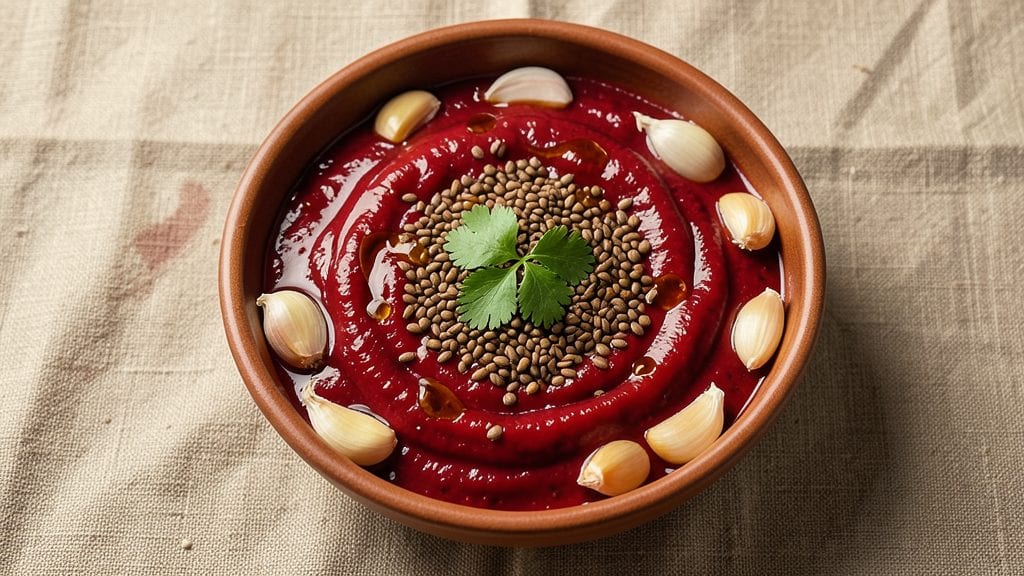
This Chili's ancho salmon sauce recipe captures the restaurant's signature smoky, slightly sweet, and tangy profile in a velvety sauce that elevates everything it touches.
The secret lies in blending ancho chili powder with chipotle peppers and tomato paste, creating a rich base that’s balanced by a touch of cream and lime. I’ve perfected this sauce over years of testing, ensuring it delivers that same bold, restaurant-quality flavor at home—without the mystery ingredients.
The sauce begins with a dry toast of spices—cumin, garlic, and onion powder—to deepen their flavors before adding the ancho chili and chipotle.
A splash of salmon stock (or fish stock) keeps it authentic while adding subtle umami, and the sauce thickens beautifully with a mix of tomato paste and cream. The result? A smooth, glossy sauce with layers of smoky heat, sweetness, and a bright finish from lime juice.
It’s versatile enough to drizzle over grilled salmon, tacos, or even pasta, but it’s the salmon where it truly shines.
What sets this sauce apart is its foolproof consistency—no lumps, no separation, and a perfect balance of richness and acidity. The ancho chili gives it that signature depth, while the chipotle adds a slow-building heat that lingers.
Once you taste it, you’ll understand why Chili’s version is so addictive. The best part? It keeps well in the fridge for up to a week, so you can make a batch and use it all week long.
For best results, let the sauce simmer until it thickens slightly, then finish with a squeeze of lime and a pinch of salt. Store it in an airtight container, and reheat gently on the stove or microwave.
This isn’t just a sauce—it’s a flavor booster that transforms simple dishes into something extraordinary. Let’s get cooking!
Ingredients for chili's ancho salmon sauce
Nine bold flavors come together for that iconic Chili's smoky-sweet sauce magic.
| Ingredient | Amount | Notes |
|---|---|---|
| Ancho Chili Powder 🌶️ | 2 tbsp | Smoked, not ground chili |
| Chipotle Peppers in Adobo 🌶️ | 2 tbsp | Minced, plus 1 tbsp sauce |
| Tomato Paste 🍅 | 2 tbsp | Smooth, not chunky |
| Ground Cumin 🌿 | 1 tbsp | Toasted for depth |
| Garlic Powder 🧄 | 1 tbsp | Freshly ground preferred |
| Onion Powder 🧅 | 1 tbsp | Not onion salt |
| Heavy Cream 🥛 | ½ cup | Full-fat for richness |
| Salmon Stock 🐟 | ½ cup | Or fish stock |
| Fresh Lime Juice 🍋 | 2 tbsp | Strained for clarity |
| Extra-Virgin Olive Oil 🫒 | 1 tbsp | For smooth finish |
Ancho chili powder is your secret weapon—Penzeys or Mexican markets have the best quality. The chipotle peppers in adobo? Look for the whole peppers—they’re easier to mince than the canned sauce. Toast your cumin and garlic powder in a dry pan for 30 seconds first—this wakes up their flavors and makes the whole sauce sing. Trader Joe's sells pre-toasted cumin if you're short on time. For the salmon stock, Pacific Foods brand is my go-to—it’s rich and clean-tasting, but any good fish stock works. If you can't find salmon stock, fish stock is perfect, just add a pinch of salt to compensate.
No ancho chili powder? Substitute 1 tbsp smoked paprika plus 1 tsp cayenne—it’s not identical, but close. Running low on chipotle peppers? 1 tbsp chipotle powder in adobo sauce works in a pinch, but you’ll miss the texture. Heavy cream too rich? Half-and-half or light cream cuts the fat while keeping the sauce velvety. The lime juice is non-negotiable for that bright finish—Mexican limes are ideal, but regular limes work too. For a dairy-free version, swap the cream for coconut milk and add a splash of apple cider vinegar to balance.
This sauce keeps beautifully—1 week in the fridge or 3 months frozen. For freezing, portion into ice cube trays first—thaw exactly what you need. The sauce thickens as it cools, so if it seems too thick when cold, stir in 1 tsp water before reheating. It reheats like a dream—just warm gently on the stove with a splash of water or stock. Double the batch and freeze half—you’ll thank me later when you’re drizzling it over tacos or grilled salmon.
Why You'll Love This Recipe
- Fridge-to-Table Speed: That ancho-chipotle blend? It’s the kind of sauce you can toss together while your salmon thaws on the counter. No chopping, no waiting—just blend the adobo, toast the spices, and stir. Honestly, I’ve made it twice while scrolling through emails. The sauce’s depth comes from the smoky cumin and tomato paste, but the magic happens in under 10 minutes of actual work.
- Smoky-Sweet Magic: Here’s what sold me—the way the ancho’s earthy warmth marries the chipotle’s heat without overpowering. That garlic powder? It’s the secret boost that makes every spoonful ridiculously good, especially when it clings to flaky salmon or melts into rice. Between us, I’ve drizzled it on eggs and called it breakfast. It works.
- Weeknight & Weekend Hero: This sauce doesn’t care if it’s Tuesday or a dinner party. Slather it on grilled fish for a fancy-ish weeknight meal, or use it to bulk up beans for a potluck. I’ll be real: my kids ask for it on their tacos, and my partner sneaks it into his pasta when I’m not looking. It’s the kind of flavor that makes people forget it’s “just” a sauce.
- Leftovers That Don’t Let You Down: Make a double batch—it keeps for weeks in the fridge and freezes like a dream. That tomato paste and ancho combo thickens beautifully, so reheated sauce is just as rich as the first time. Not the prettiest in a jar, but one taste and you’ll be glad you made extra. My go-to: dump it on scrambled eggs or stir into lentils for a lazy Sunday. Solid every time.
Step-by-step instructions for chili's ancho salmon sauce
This smoky, velvety sauce comes together faster than you'd think—just follow these simple steps for restaurant-quality flavor.
Bloom the Spices in Olive Oil
Heat the 1 tablespoon extra-virgin olive oil in a medium saucepan over medium-low heat. Add the 2 tablespoons minced chipotle peppers in adobo (including the 1 tablespoon sauce) and let them sizzle for 30 seconds—you'll smell that deep, smoky aroma immediately. Then stir in the 2 tablespoons ancho chili powder and 1 tablespoon each of garlic powder and onion powder. Watch closely as the spices begin to darken and release their rich, earthy fragrance.
Cook for 1-2 minutes until the spices are fragrant but not burnt. This step builds the sauce's complex foundation—don't rush it. If the spices start to darken too quickly, reduce the heat slightly. Here's the thing: those toasted spices will carry the entire sauce's character, so give them the attention they deserve.
Develop the Base with Tomato and Stock
Add the 2 tablespoons tomato paste and stir vigorously to combine with the spices. Let it cook for 1 minute until it darkens slightly and becomes glossy. Then pour in the ½ cup salmon stock and scrape up any browned bits from the bottom of the pan—this is where all the flavor hides. Bring the mixture to a gentle simmer and let it cook uncovered for 5 minutes, stirring occasionally.
You'll notice the sauce thicken slightly as the liquid reduces. This is perfect—it's creating that rich, concentrated base that will make your sauce velvety. If it gets too thick before the 5 minutes are up, add 1 tablespoon water to keep it moving. The key is maintaining that balance between thickness and smoothness.
Add Cumin and Cream for Depth
Stir in the 1 tablespoon ground cumin and let it cook for 30 seconds until fragrant. Then reduce the heat to low and slowly pour in the ½ cup heavy cream while whisking continuously. This step is critical—adding the cream too quickly can cause it to curdle. Keep whisking gently until the sauce is completely smooth and creamy.
Let the sauce simmer for 2-3 minutes on low heat, stirring occasionally. You're looking for a velvety texture here—almost like a thick, luxurious sauce. If it starts to separate or looks too thin, whisk in 1 teaspoon more heavy cream. The cumin here adds that earthy warmth that complements the smoky chipotle perfectly.
Finish with Lime and Adjust Seasoning
Remove the sauce from heat and stir in the 2 tablespoons fresh lime juice. Give it a taste right now—this is where you can adjust the seasoning. If it needs more salt, add a pinch (about ¼ teaspoon). If it's too thick, whisk in 1 tablespoon water to reach your desired consistency. The lime brightens all those deep, smoky flavors and gives the sauce that signature tang.
Let the sauce sit off the heat for 5 minutes—this resting time allows all the flavors to meld together beautifully. You'll notice the sauce will thicken slightly as it cools. For best results, serve it immediately over grilled salmon, shrimp, or even as a dip for tortilla chips. This sauce keeps well in the refrigerator for up to 5 days, but it's so good fresh that you'll likely use it all up quickly!
Pro Tips For Making Chili'S Ancho Salmon Sauce
- Bloom the Anchos: Toast the ancho chili powder in a dry pan for 30 seconds before adding liquid—this deepens the smoky flavor and prevents a bitter aftertaste. I used to skip this, and the sauce always tasted flat until I tried it.
- Blend the Adobo: Purée the chipotle peppers in adobo with their juices before adding to the sauce—this ensures even distribution of heat and smokiness. Skimping on the adobo liquid means losing flavor, and you’ll regret it.
- Sweat the Aromatics: Cook the garlic powder and cumin with the tomato paste for 2 minutes before adding liquids—this builds a rich base that carries the ancho’s depth. Rushing this step makes the sauce taste one-dimensional.
- Simmer Low and Slow: Reduce heat to a bare simmer after adding liquids and let it cook uncovered for 10-12 minutes—this thickens the sauce naturally without burning. I learned this the hard way after a charred batch ruined an otherwise perfect dish.
Pro cooking tips for this recipe
Spice Bloom Mastery
The key to unlocking deep flavor starts with properly blooming your spices in olive oil. Heat the oil on medium-low heat and add the chipotle peppers first—they need that initial 30-second sizzle to release their smoky essence.
Then add the ancho chili powder and garlic/onion powders, stirring constantly for 1-2 minutes until fragrant but not burnt. I use a light-colored saucepan so I can easily spot when spices darken too much. This step builds the sauce's aromatic foundation—skip it, and you'll miss that restaurant-quality depth. 🌶️
Tomato Paste Technique
When adding the tomato paste, stir vigorously for 1 full minute until it darkens and becomes glossy. This caramelization step creates the sauce's rich, umami backbone. I like to use Smucker's smooth tomato paste because it dissolves cleanly without graininess.
After adding the salmon stock, scrape up every browned bit from the pan—this is where all the concentrated flavor lives. If your sauce starts thickening too quickly during the 5-minute simmer, add 1 tablespoon water to maintain smooth consistency.
Cream Integration Secrets
Adding heavy cream too quickly can cause curdling, so reduce heat to low and whisk continuously as you pour. I use a balloon whisk for this step because it incorporates air gently while preventing lumps.
Let the sauce simmer for 2-3 minutes after adding cream—this allows the fat to fully emulsify with the spices. If separation occurs, whisk in 1 teaspoon more cream and simmer another 30 seconds. The result should be silky smooth, not grainy.
Lime Finish Timing
Always add lime juice off the heat to preserve its bright acidity. Let the sauce rest for 5 minutes after adding lime—this resting period lets flavors meld completely. The sauce will thicken noticeably as it cools, which is perfect for drizzling.
For extra tang, I sometimes add ½ teaspoon lime zest along with the juice. Taste and adjust salt here—this is your final chance to balance all the complex flavors before serving. 🍋
Heat Control Tips
Never let the sauce boil after adding cream—this causes separation. Maintain low heat throughout the cream stage, and if it starts to bubble, reduce heat immediately. I find a 2-quart stainless steel saucepan gives the best heat distribution.
For electric stoves, use the back burner where heat is most consistent. The goal is gentle, even heating to prevent scorching while allowing flavors to develop properly.
Consistency Troubleshooting
If your sauce is too thick after cooling, whisk in 1 tablespoon water at a time until reaching desired consistency. For too-thin sauce, simmer uncovered for 2-3 extra minutes to reduce. I've found that using Pacific Foods salmon stock (which is slightly thicker than most) helps achieve the perfect balance.
The sauce should coat the back of a spoon but still drizzle smoothly—this is the ideal texture for both grilled salmon and tacos.
Nutrition facts
Frequently asked questions
Can I make this sauce without salmon stock?
If you don't have salmon stock, substitute with fish stock or even low-sodium chicken stock. For extra umami depth, add a pinch of MSG or a splash of soy sauce (about ½ teaspoon). The sauce will still taste amazing—just slightly less fish-forward.
How do I prevent the sauce from separating when adding cream?
Keep the heat on low and whisk continuously while adding the cream. If it starts to curdle, immediately remove from heat and whisk in 1 teaspoon cornstarch mixed with 1 tablespoon cold water. Simmer for 30 seconds to thicken. The key is patience—adding cream too quickly is the #1 cause of separation.
Can I use this sauce on dishes other than salmon?
This versatile sauce works beautifully on grilled shrimp, chicken, tacos, pasta, or even as a dip for tortilla chips. For chicken, reduce the ancho chili powder to 1 tablespoon to mellow the heat slightly. The smoky depth pairs especially well with cornbread or rice dishes.
Why does my sauce taste too spicy?
Ancho chili powder varies in heat—some brands are milder than others. Start with 1 tablespoon instead of 2 for a gentler flavor. If needed, balance the heat by adding 1 extra tablespoon lime juice or a pinch of sugar. The chipotle peppers in adobo also contribute heat, so adjust accordingly if using extra.
How do I reheat this sauce without making it grainy?
Reheat gently on the stove over low heat with 1 tablespoon water or stock per ½ cup sauce. Stir constantly until warmed through. Microwaving can cause separation—if using, heat for 30-second intervals and whisk vigorously between each. Never boil the reheated sauce, as this breaks the emulsion.