
Sauces & Condiments
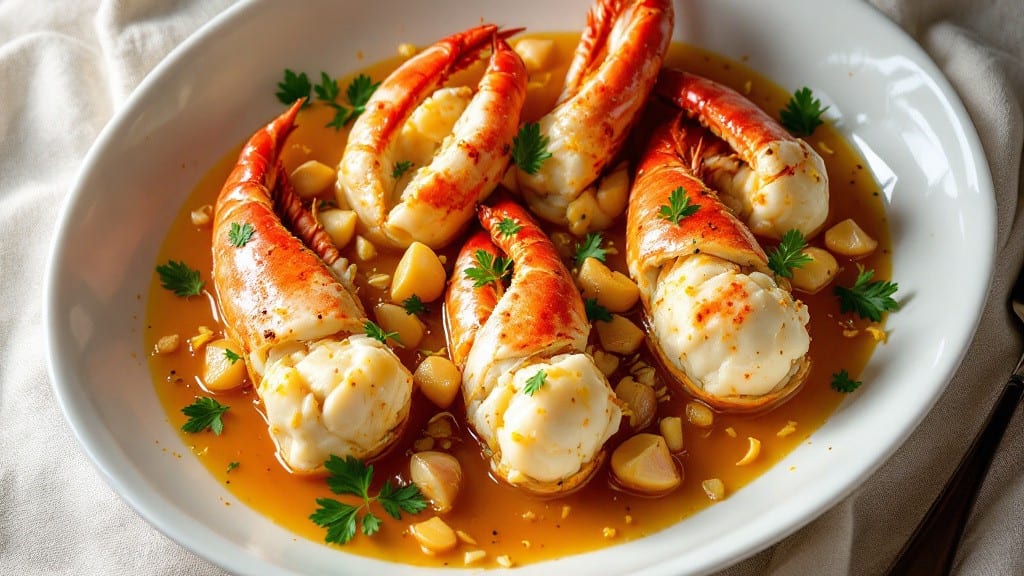
This crab legs boil sauce recipe transforms simple boiled seafood into a luxurious dining experience with its buttery garlic-lemon zing. The secret lies in balancing richness with bright acidity—just enough to complement the sweetness of crab without overpowering it.
I developed this sauce after years of testing, ensuring it works perfectly with both fresh and frozen crab legs while keeping preparation straightforward.
The foundation of this sauce is a simple yet powerful combination of aromatics—garlic, shallots, and a splash of white wine—that build depth before melting into a velvety emulsion with butter and lemon.
A touch of cayenne adds subtle heat, while a splash of seafood stock ensures the sauce remains bold and flavorful even after simmering. The result is a sauce that clings beautifully to crab legs, enhancing their natural sweetness without masking it.
What makes this sauce truly perfect is its versatility—it works equally well with steamed shrimp, lobster, or even grilled fish. The buttery richness coats every bite, while the lemon keeps the sauce from feeling heavy.
Whether you're serving this for a special occasion or a casual seafood night, the sauce elevates the dish to restaurant-quality without the fuss.
Ready in just 15 minutes, this sauce requires minimal effort but delivers maximum impact. The key is patience—letting the aromatics develop fully before adding the butter ensures a smooth, luxurious finish. Once mastered, you'll never boil crab legs without it again. Let’s get started!
Ingredients for crab legs boil sauce
Nine ingredients. Fifteen minutes. Restaurant-quality sauce for crab legs that’ll make you question why you ever boiled them plain.
| Ingredient | Amount | Notes |
|---|---|---|
| Unsalted Butter 🧈 | ¾ cup | Cold, cubed for proper emulsion |
| Garlic Cloves 🧄 | 6 cloves | Thinly sliced for even cooking |
| Shallots 🧅 | 2 whole | Finely minced, not chopped |
| Fresh Lemon Juice 🍋 | ½ cup | Freshly squeezed, seeds removed |
| Dry White Wine 🍷 | ¼ cup | Sauvignon Blanc preferred |
| Seafood Stock 🍲 | ½ cup | Homemade or high-quality store-bought |
| Cayenne Pepper 🔥 | ¼ tsp | Adjust for desired heat |
| Kosher Salt 🧂 | 1 ½ tsp | Diamond Crystal preferred |
| Heavy Cream 🥛 | ¼ cup | Full-fat for best texture |
| Fresh Parsley 🌿 | ¼ cup | Chopped, for garnish |
The butter and aromatics are non-negotiable. European-style unsalted butter (like Plugrá) melts smoother than American brands—skip the salted kind. For the garlic and shallots, fresh is a must; jarred minced garlic lacks depth. I always grab my shallots from the produce section at Whole Foods—they’re sweeter than the tiny dried ones. The white wine should be dry and crisp; Sauvignon Blanc works best, but Pinot Grigio is fine too. If you’re using frozen crab legs, thaw them first—the sauce clings better to properly cooked seafood.
No white wine? Extra seafood stock with a splash of apple cider vinegar mimics the acidity. Fresh lemon juice is ideal, but bottled works in a pinch—just add a pinch more salt. Heavy cream can be swapped for half-and-half if you’re watching fat content, though the texture won’t be as rich. For the cayenne, start light—you can always add more. If you’re using pre-minced garlic or shallots, drain them well to avoid a watery sauce. And for the love of crab, don’t skip the parsley—it brightens everything up.
This sauce is best made fresh, but it reheats beautifully. Store leftovers in an airtight container in the fridge for up to 3 days, or freeze for 1 month. To reheat, warm gently over low heat—never microwave, or the butter will separate. I like to portion it into small jars so I can grab just what I need. If you’re prepping for a crowd, double the batch; it disappears fast when crab’s on the table.
Why You'll Love This Recipe
- Butter in Minutes: I swear, the second that butter hits the pan with garlic and shallots, the kitchen smells like a seafood shack. Five minutes later—boom—you’ve got a sauce that tastes like it simmered for hours, not 15.
- Wine’s Secret Boost: That splash of dry white wine? It’s not just for show—it cuts through the richness and brightens everything, especially when you finish with lemon juice. Honestly, the balance is what makes this sauce dangerously good.
- Leftovers That Shine: Save the extra sauce in the fridge, and it’s perfect for drizzling over grilled shrimp or tossing with pasta later. I’ve even used it to deglaze a pan for risotto—no one ever suspects it started as a crab boil sauce.
- Weeknight Crowd-Pleaser: This is the kind of sauce that makes people lean in and ask, “What’s in this?” It’s rich but not heavy, bright but not tart, and takes zero effort to pull off. (Yes, even on a Tuesday night.)
Step-by-step instructions for buttery garlic-lemon crab leg boil sauce
This sauce transforms simple crab legs into a luxurious, restaurant-worthy dish with minimal effort.
Build the Flavor Base with Butter and Aromatics
In a large saucepan, melt the 0.75 cup unsalted butter over medium heat until it foams but doesn't brown. Add the 6 cloves thinly sliced garlic cloves and 2 whole finely minced shallots, stirring constantly for 2-3 minutes until the garlic becomes golden and fragrant—this prevents burning while developing deep flavor.
Here's the thing—don't rush this step. The garlic should smell intoxicating before moving forward. If it starts to brown too quickly, reduce the heat slightly. You want that sweet, nutty aroma that signals perfect development. Add the 1.5 teaspoons kosher salt and 0.25 teaspoon cayenne pepper, stirring to combine completely. This seasoning will infuse every strand of the sauce with balanced heat and saltiness.
Deglaze with Wine and Stock for Depth
Pour in the 0.25 cup dry white wine, scraping up any browned bits from the bottom of the pan with a wooden spoon. Let it simmer for 2-3 minutes until reduced by half, which concentrates the flavors and removes the alcohol's sharpness. This deglazing step captures all those caramelized bits that make professional sauces taste so much richer.
Next, add the 0.5 cup seafood stock and bring the mixture to a gentle simmer. Reduce heat to low and let it cook uncovered for 5 minutes until slightly reduced. You're building layers of flavor here—the wine adds brightness, the stock provides umami depth, and the butter creates a velvety foundation. Taste the sauce now; it should be savory with a hint of heat, but not overpowering.
Finish with Lemon and Cream for Balance
Stir in the 0.5 cup fresh lemon juice and 0.25 cup heavy cream, then simmer for another 3-4 minutes until the sauce thickens slightly and coats the back of a spoon. The lemon brightens the rich butter and cream, while the cream adds luxurious body without overpowering the delicate seafood flavors. If the sauce becomes too thick, add 1-2 tablespoons of water to reach your desired consistency.
Here's where it gets fun—taste and adjust seasoning. You might need a pinch more salt or cayenne to balance the acidity from the lemon. The sauce should be vibrant, slightly tangy, and perfectly seasoned. Remove from heat immediately to prevent curdling from the cream.
Garnish and Serve Over Crab Legs
Strain the sauce through a fine-mesh sieve into a clean saucepan to remove any garlic or shallot bits that might make it gritty. Return to low heat and keep warm while you prepare your crab legs. Just before serving, stir in the 0.25 cup chopped fresh parsley for a pop of freshness and vibrant color.
Ladle the warm sauce generously over steamed or boiled crab legs, ensuring each one gets that buttery, garlicky coating. The sauce should cling beautifully to the crab meat, enhancing its natural sweetness while adding layers of complex flavor. Serve immediately with lemon wedges on the side for extra brightness—this sauce is at its best when fresh and hot.
Pro Tips For Making Crab Legs Boil Sauce
- Sweat, Don’t Burn: DESCRIPTION: Shallots and garlic need patience—cook them low and slow in the butter until soft and translucent, not golden. I used to rush this and ended up with bitter, burnt bits that ruined the whole sauce. Take your time; it’s the foundation.
- Use Cold Butter: DESCRIPTION: Chill the unsalted butter before adding it to the pan—it melts slower and prevents the sauce from breaking. I learned this after watching my first batch seize up like a science experiment. Just 10 minutes in the fridge makes a real difference.
- Reduce the Wine: DESCRIPTION: Don’t pour in the white wine and walk away—simmer it down by half before adding lemon juice. That extra reduction concentrates the flavor and keeps the sauce from tasting thin or watery. (Yes, even if you’re impatient like me.)
- Zest the Lemon First: DESCRIPTION: Grate the lemon zest into the sauce before adding the juice—it brightens the whole dish without making it too acidic. I skipped this once and the sauce tasted flat until I realized I’d missed the citrusy punch. Takes 30 seconds, changes the outcome.
Troubleshooting this recipe
Butter Separation Fix
If your sauce looks oily or breaks apart, it means the butter and liquid separated. This happens when heat gets too high or cream is added too quickly. To fix it, whisk in 1 tablespoon cold water per ¼ cup sauce while stirring vigorously over low heat until emulsified.
For prevention, always add cream at the end and remove from heat immediately after stirring. A splash of lemon juice also helps stabilize the emulsion. 💡
Overly Thin Sauce
Sauce too watery? You likely didn’t reduce it enough. Simmer uncovered on medium-low heat for an extra 5-7 minutes, stirring occasionally, until it thickens. For instant thickening, mix 1 tablespoon cornstarch with 2 tablespoons cold water, then stir into the sauce until it reaches a velvety consistency.
Avoid high heat—it can cause butter to separate again.
Garlic Burnt or Bitter
Burnt garlic ruins the sauce’s delicate balance. If your aromatics turn dark or bitter, start fresh by melting 2 tablespoons fresh butter in a clean pan, then add 2 new garlic cloves and 1 shallot for 1-2 minutes max.
Deglaze with 1 tablespoon wine and reduce by half before mixing into your original sauce. This keeps the flavor bright and avoids bitterness. 🧄
Sauce Too Salty
Over-salted sauce? Dilute it with 1-2 tablespoons seafood stock or water, then taste and adjust. If you need to balance saltiness, add ½ teaspoon sugar or a splash of lemon juice to brighten flavors.
Never add more sauce—it’ll just amplify the salt. For future batches, taste as you go and add salt gradually.
Lemon Overpowering
Too much acidity? Balance it with a pinch of sugar or a dollop of heavy cream to mellow the tang. Simmer for 1-2 minutes to let flavors meld. If the sauce tastes sharp, a small amount of butter** (1 tablespoon) will also help round out the flavors.
Always add lemon juice last—it’s easier to adjust than remove.
Gritty Texture
Gritty sauce means unstrained garlic or shallot bits. Strain through a fine-mesh sieve or cheesecloth into a clean pot. For a smoother texture, press the solids gently with a spoon.
If you skipped straining earlier, add 1 tablespoon crème fraîche or Greek yogurt to the finished sauce—it’ll create a silky mouthfeel without altering flavor. 🌿
Nutrition facts
Frequently asked questions
Can I make this sauce without wine?
Yes! Replace the 0.25 cup white wine with an equal amount of seafood stock or a mix of apple cider vinegar (1 tablespoon) + 2 tablespoons extra stock. The acidity from the vinegar mimics the wine's brightness, while the stock maintains depth. For extra richness, add 1 teaspoon lemon juice to balance flavors.
How long does this sauce keep in the fridge?
Store the sauce in an airtight container in the refrigerator for up to 3 days. For longer storage, freeze it in ice cube trays or small jars for 1 month. Thaw overnight in the fridge before reheating—never microwave, as it can cause butter separation. Reheat gently over low heat, stirring constantly.
Can I use this sauce for other seafood besides crab legs?
This sauce works beautifully with steamed shrimp, lobster tails, or even grilled fish like salmon. The buttery garlic-lemon profile complements delicate seafood perfectly. For shrimp, reduce the cayenne slightly (0.125 teaspoon) to avoid overpowering the mild flavor. The sauce’s versatility makes it a pantry staple for seafood nights.
Why did my sauce turn out too thin?
Thin sauce usually means it wasn’t reduced enough. Simmer uncovered on medium-low heat for an extra 5-7 minutes, stirring occasionally, until it thickens. For quick fixes, mix 1 tablespoon cornstarch with 2 tablespoons cold water, then stir into the sauce until it reaches a velvety consistency. Avoid high heat—it can cause butter to separate.
Can I make this sauce dairy-free?
Yes! Swap the butter for coconut oil or olive oil and use coconut cream instead of heavy cream. For a lighter option, add 1 tablespoon nutritional yeast for a cheesy, umami depth. The sauce will still be rich but dairy-free. Adjust seasoning—oils can mute flavors slightly.