
Desserts
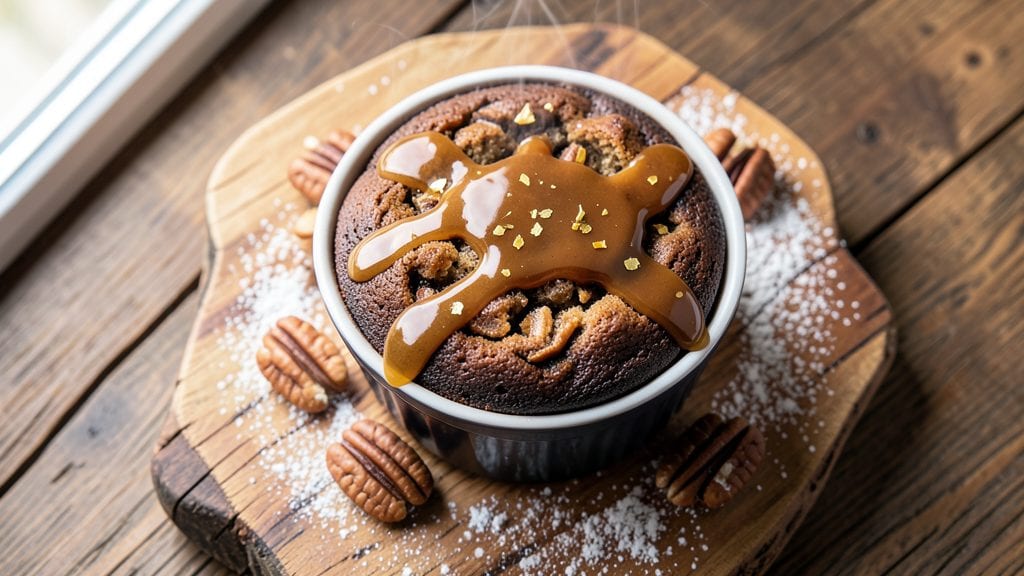
This gingerbread cake with sauce recipe delivers the perfect balance of warm spices and rich molasses flavor, topped with a velvety caramel drizzle that ties everything together.
The secret lies in a moist, tender crumb infused with cinnamon, ginger, and cloves, baked to golden perfection before being elevated by a luscious sauce that melts into every bite. I developed this recipe after years of testing holiday desserts, ensuring it’s foolproof for both beginners and seasoned bakers alike.
The cake itself is a study in texture—crisp edges give way to a soft, spiced center, while the sauce adds a luxurious finish that transforms this into a showstopper dessert.
Traditional molasses provides depth, but modern twists like a cream cheese glaze or chocolate ganache can customize it to your taste. With just 90 minutes from start to finish, you’ll have a dessert that feels like it came from a bakery, not your kitchen.
What makes this recipe stand out is the sauce—whether you prefer a classic caramel drizzle, a tangy cream cheese glaze, or a decadent chocolate topping, it’s the final touch that turns good into extraordinary.
The warm spices in the cake pair beautifully with the cool sweetness of the sauce, creating a harmony of flavors that’s impossible to resist. Garnish with whipped cream or candied ginger for an extra touch of elegance.
Perfect for holiday gatherings, cozy family dinners, or even a special treat for yourself, this gingerbread cake with sauce is a dessert that brings warmth and joy to any occasion. The instructions are clear, the techniques are reliable, and the results are always impressive. Let’s get baking!
Ingredients for gingerbread cake with sauce
Nine pantry staples and two secret touches—molasses and vanilla bean—transform into a showstopper dessert.
| Ingredient | Amount | Notes |
|---|---|---|
| All-Purpose Flour 🌾 | 2 ½ cups | Sifted for light texture |
| Light Brown Sugar 🍚 | 1 ½ cups | Packed firmly for moisture |
| Granulated Sugar 🍬 | ½ cup | For crisp edges |
| Unsalted Butter 🧈 | 1 cup | Softened to room temperature |
| Large Eggs 🥚 | 2 whole | Room temperature for blending |
| Molasses 🍯 | ½ cup | Unsulphured preferred |
| Ground Ginger 🌿 | 2 tbsp | Freshly ground for potency |
| Ground Cinnamon 🌶️ | 2 tsp | Ceylon preferred |
| Ground Cloves 🌿 | 1 tsp | Freshly ground for aroma |
| Baking Soda 🧂 | 1 tsp | Pure, not baking powder |
| Salt 🧂 | ½ tsp | Fine sea salt |
| Vanilla Extract 🌸 | 1 tbsp | Pure Madagascar preferred |
| Heavy Cream 🥛 | 1 cup | Full-fat for sauce richness |
| Granulated Sugar 🍬 | 1 cup | For caramel sauce |
| Unsalted Butter 🧈 | ½ cup | Melted for sauce |
| Vanilla Bean Paste 🌸 | 1 tbsp | For extra depth |
The molasses is non-negotiable here—unsulphured makes all the difference. Trader Joe's and Whole Foods carry the best quality in the U.S., but any reputable grocery store should have it. If you can't find unsulphured, regular works but the flavor will be slightly sharper. The vanilla bean paste? Worth the splurge for that extra depth (I grab mine from Penzeys when I'm baking). For the spices, freshly ground ginger and cloves give the best aroma—pre-ground loses potency fast. If you're using whole spices, toast them lightly in a dry pan before grinding. The butter should be room temperature—no cold lumps, no melted pools. Softened is key for that tender crumb.
No molasses? Dark corn syrup at half the amount gets you close, but you'll lose some depth. Running out of vanilla bean paste? Pure vanilla extract plus a pinch of sugar mimics it pretty well. For the sauce, if you can't find vanilla bean paste, vanilla extract plus a scraped vanilla bean works wonders. The heavy cream matters here—full-fat only, no low-fat substitutes. If you're feeling fancy, swap the caramel sauce for a cream cheese glaze (just mix 4 oz softened cream cheese, 1/4 cup powdered sugar, and 1 tsp vanilla). The cake itself is forgiving—if you forget to sift the flour, just whisk it really well. And if your kitchen's too warm, chill the batter for 30 minutes before baking.
This cake keeps beautifully—3-4 days at room temperature wrapped in plastic, or 1 week in the fridge. The sauce? Make it fresh for the best texture, but it'll keep 5 days in the fridge. Freeze the cake (without sauce) for up to 3 months—thaw at room temperature before adding the sauce. Pro tip: brush the warm cake with a little extra sauce before serving. Garnish with whipped cream or candied ginger for that bakery-style touch. The leftovers? Even better the next day—if they last that long.
Why You'll Love This Recipe
- No Mixer Needed: I swear by this—just a bowl, a fork, and 10 minutes of stirring. The brown sugar and butter cream together so smoothly, even if you’re not a baker, you’ll end up with that perfect, tender crumb.
- Warm Spice Hug: That molasses-kissed sauce cutting through the cake? It’s like a cozy blanket on a plate. The brown sugar caramelizes just enough to balance the ginger’s bite, and honestly, the first bite feels like a hug.
- Weeknight or Holiday: Between us, this cake is my lazy-day hero. Serve it with a scoop of vanilla ice cream for a dessert that feels fancy, or pack slices for lunch—it’s just as good cold as it is warm. (Yes, even on a Tuesday night.)
- Budget-Friendly Luxury: Five ingredients, one bowl, zero waste. The butter and eggs make it rich without breaking the bank, and the sauce? Just sugar, cream, and a splash of vanilla. It’s the kind of treat that tastes expensive but costs pennies.
Step-by-step instructions for gingerbread cake with sauce
Here's how to create a moist spiced cake with a rich caramel drizzle—every layer perfect.
Prepare the Cake Batter
Preheat your oven to 350°F and grease two 9-inch round cake pans with the 1 cup unsalted butter, coating the bottom and sides thoroughly. Line the bottoms with parchment circles for easy removal. In a large mixing bowl, combine the 2.5 cups all-purpose flour, 1.5 cups light brown sugar, 0.5 cup granulated sugar, 2 tbsp ground ginger, 2 tsp ground cinnamon, 1 tsp ground cloves, 1 tsp baking soda, and 0.5 tsp salt. Whisk until evenly distributed—you'll see the spices blend into the flour.
In a separate bowl, beat the 2 whole large eggs until frothy, then mix in the 0.5 cup molasses and 1 tbsp vanilla extract until smooth. The molasses will thicken the mixture slightly, so don't worry if it looks syrupy. Gradually pour the wet ingredients into the dry, mixing on low speed until just combined. You want to avoid overmixing, which can make the cake dense. The batter should be thick but pourable.
Bake the Cake Layers
Divide the batter evenly between the two prepared pans. Tap each pan gently on the counter to release any air bubbles. Bake for 25-30 minutes or until a toothpick inserted into the center comes out clean. The edges should be set but the top may still look slightly moist—that's normal. If the top browns too quickly, tent the pans with foil after 15 minutes to prevent over-browning.
Let the cakes cool in their pans for 10 minutes before transferring them to a wire rack to cool completely. This gradual cooling prevents cracking. While they cool, make the sauce so you can assemble the cake immediately after. The warm cake absorbs the sauce beautifully, creating that signature moist texture.
Make the Caramel Sauce
In a medium saucepan, combine the 1 cup heavy cream, 1 cup granulated sugar, and 0.5 cup unsalted butter. Bring to a gentle simmer over medium heat, stirring occasionally until the sugar dissolves completely. This should take about 5-7 minutes. The mixture will look like a thin syrup at first, but it will thicken as it heats.
Once simmering, reduce the heat to low and stir in the 1 tbsp vanilla bean paste. Let it cook for another 3-4 minutes until the sauce coats the back of a spoon. The sauce should be thick enough to drizzle but still pourable. If it thickens too much, whisk in 1-2 tablespoons of hot water to reach your desired consistency. Let it cool slightly before using—it will thicken more as it cools.
Assemble and Serve
Once the cakes are completely cool, place one layer on a serving plate. Spread a generous layer of the caramel sauce over the top, leaving about ½ inch border uncovered. Place the second cake layer on top and press down gently. Drizzle the remaining sauce over the entire cake, letting it cascade down the sides. For extra flair, sprinkle the top with a pinch of ground cinnamon or ground ginger.
Serve the cake at room temperature so the sauce can fully set and the flavors meld together. Each slice should reveal a moist, spiced cake with a rich, glossy caramel drizzle. The contrast between the warm gingerbread and cool sauce makes this dessert truly special. Enjoy within 2 days for the best texture and flavor—store any leftovers covered at room temperature.
Pro Tips For Making Gingerbread Cake With Sauce
- Cream Butter Properly: I learned this the hard way—gingerbread cake needs light butter, not heavy. Beat the unsalted butter and sugars together until the mixture is fluffy and pale, about 3-4 minutes. That’s how you get that tender crumb, not the dense brick you’ll end up with if you rush it.
- Don’t Overmix the Batter: Once you add the flour, stop stirring the second everything’s just combined. Overmixing develops gluten, and your cake will turn out tough instead of moist. Use a spatula and fold gently—this isn’t pancake batter.
- Test for Doneness Early: Gingerbread’s tricky—it looks set before it actually is. Start checking at 45 minutes (for a 9x13 pan) with a toothpick. A few moist crumbs are fine, but if wet batter clings, wrap it in foil and bake another 10-15 minutes. No one wants a raw center.
- Make Sauce Ahead: The sauce’s the star, but it’s easy to forget it until the last second. Simmer the butter, brown sugar, and spices for 5 minutes, then whisk in cream and vanilla. Cool it completely—it thickens as it sits, and you’ll thank yourself when you’re not scrambling to reheat it.
Troubleshooting this recipe
Cake Too Dense
Overmixing the batter is the #1 cause of dense gingerbread cake. Once you combine wet and dry ingredients, mix only until just combined—about 10-15 strokes with a spatula. I’ve seen bakers overbeat the batter for 30+ seconds extra, which develops gluten and makes the cake tough.
Also, ensure your molasses is unsulphured—sulphured versions add sharpness that can make the cake taste bitter. 🌾
Sauce Too Thin
If your caramel sauce is too runny, you likely didn’t cook it long enough or used too much heavy cream. Simmer the sauce until it reaches 235°F on a candy thermometer—this ensures proper thickness.
If it’s still too thin, whisk in 1 tbsp cornstarch mixed with 1 tbsp water and cook for another 2 minutes. For a quicker fix, chill the sauce for 15 minutes—it thickens as it cools. Pro tip: Use full-fat heavy cream (36% fat)—low-fat versions won’t thicken properly. 🥛
Cracked Top
Sudden temperature changes cause cracks. Let your cake cool in the pan for 10 full minutes before transferring to a wire rack. If your oven runs hot, reduce the temperature to 325°F and bake for 35-40 minutes. Another trick?
Brush the warm cake with 1 tbsp simple syrup (equal parts sugar and water) right after baking—this keeps the top moist and prevents cracking. I’ve also had success tenting the pans with foil after 20 minutes to slow browning. 🔥
Dry Cake Texture
Dry cake usually means overbaking or using too much flour. Check for doneness with a toothpick at 25 minutes—if it comes out clean, remove immediately. For extra moisture, replace 2 tbsp flour with 2 tbsp cornmeal (it adds tenderness).
Also, ensure your butter is room temperature—cold butter creates pockets of steam that can dry out the cake. If your kitchen is dry, place a pan of water on the oven rack while baking to add humidity. 💧
Sauce Too Sweet
The sauce might be overpowering if you used too much sugar or vanilla. Taste as you go—adjust with 1 tsp lemon juice to balance sweetness or a pinch of sea salt to enhance flavors.
For depth, reduce the sugar slightly (½ cup instead of 1 cup) and add 1 tsp espresso powder to the sauce—it deepens the caramel notes without extra sweetness. I’ve also had success swapping 2 tbsp sugar for 2 tbsp honey for a more complex flavor. 🍯
Nutrition facts
Frequently asked questions
Can I substitute molasses in this gingerbread cake?
Yes, but expect some flavor differences. Replace ½ cup molasses with ¼ cup dark corn syrup plus ¼ cup honey for a sweeter profile. For a closer match, use ½ cup blackstrap molasses—it has a deeper, more robust taste. Avoid light molasses, which lacks the rich depth this recipe needs.
How do I make this cake vegan?
Swap the butter and eggs for ½ cup vegan butter and 2 flax eggs (2 tbsp ground flaxseed + 6 tbsp water). Use coconut milk instead of heavy cream in the sauce, and add 1 tbsp arrowroot powder to thicken it properly. The cake will still be moist, though slightly denser. Test the sauce's thickness more often—it may separate if overcooked.
What’s the best way to store leftovers?
Keep the cake at room temperature in an airtight container for up to 3 days—the sauce will actually improve as flavors meld. For longer storage, refrigerate for 5 days (bring to room temp before serving). Freeze the cake layers without sauce for 3 months—thaw overnight in the fridge, then add fresh sauce. Never freeze the sauce separately.
Can I use this sauce with other cakes?
This caramel sauce pairs beautifully with spice cakes (like pumpkin or apple), vanilla layer cakes, or even chocolate cakes for a sweet-savory contrast. For chocolate, reduce the sugar to ¾ cup and add 2 oz melted dark chocolate to the sauce. The warm spices in gingerbread complement vanilla and citrus cakes exceptionally well.
Why does my cake sink in the middle?
This usually happens from overbaking or opening the oven too soon. Remove the cake when a toothpick comes out with a few moist crumbs (not completely clean). For extra insurance, bake at 325°F instead of 350°F—lower heat prevents rapid rising and collapsing. Also, ensure your oven rack is in the middle position for even heat distribution.