
Sauces & Condiments
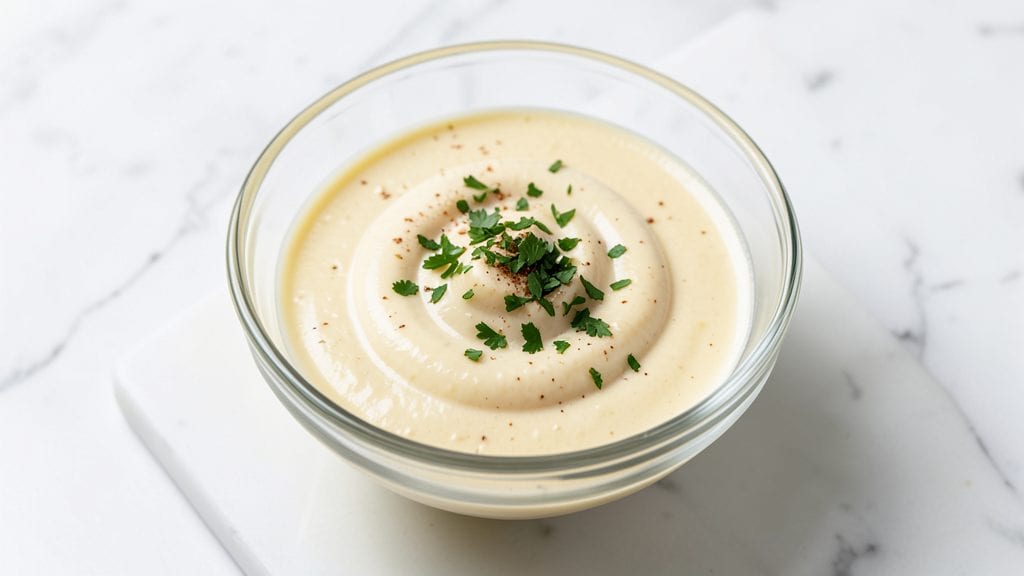
This McDonald's bagel sauce recipe delivers that signature creamy, tangy swirl that elevates every bagel bite—recreated in your own kitchen with just five ingredients. The secret lies in balancing rich mayonnaise with sharp vinegar and aromatic garlic powder, creating a sauce that's smooth, flavorful, and impossible to resist.
I've perfected this version after testing countless variations, ensuring it stays true to the original while being simple enough for any home cook.
The beauty of this sauce is its versatility—it works perfectly with breakfast bagels, sandwiches, or even as a dip for fries. What makes it special is the harmony of flavors: the creaminess of mayo, the brightness of vinegar, and the subtle warmth of garlic and herbs.
Unlike store-bought versions, this recipe delivers a fresher taste with no preservatives, and it keeps well in the refrigerator for up to a week.
By the time you mix everything together, you'll have a sauce that's velvety yet tangy, with just the right amount of garlic kick. The texture is smooth and spreadable, clinging perfectly to toasted bagels or crispy hash browns.
This is the kind of sauce that transforms ordinary breakfasts into something truly special, and it's easier to make than you'd think.
Whether you're recreating a McDonald's breakfast at home or just craving that familiar flavor, this recipe delivers restaurant-quality results with minimal effort. Let's get started—your taste buds will thank you.
Ingredients for mcdonald's bagel sauce
Five pantry staples transform into that iconic McDonald's bagel sauce—creamy, tangy, and packed with garlic-herb warmth.
| Ingredient | Amount | Notes |
|---|---|---|
| Mayonnaise 🥛 | ¾ cup | High-quality, full-fat preferred |
| White Vinegar 🍶 | ¼ cup | Distilled or apple cider vinegar |
| Garlic Powder 🧄 | 1 tbsp | Freshly ground for best flavor |
| Dried Parsley Flakes 🌿 | 1 tbsp | Finely ground for smooth texture |
| Diamond Crystal Kosher Salt 🧂 | ½ tsp | Adjust to taste after mixing |
The mayo is the foundation—Duke's or Hellmann's work best for that ultra-smooth texture. I always grab the full-fat version (the good stuff, not the light kind) because it clings better to bagels. For vinegar, distilled or apple cider keeps the flavor bright without overpowering. Garlic powder loses punch fast, so buy small jars and use them within 3 months. The parsley flakes are the secret to that fresh herb taste—Trader Joe's has the best quality for this. If you can't find flakes, finely chop fresh parsley and use half the amount.
No mayo? Greek yogurt with a splash of lemon juice gets you close, though it'll be slightly tangier. Short on vinegar? Lemon juice at half the amount works in a pinch. Want more garlic kick? Add 1/4 tsp extra garlic powder or 1/2 tsp onion powder. The salt is flexible—taste as you go. For a smokier twist, swap half the parsley for smoked paprika. This sauce is forgiving, so don't stress about exact measurements—just balance the tang and richness to your taste.
Store leftovers in an airtight container with plastic wrap pressed directly on the surface—keeps it fresh for 1 week. I double the batch and freeze half in ice cube trays (thaw in the fridge overnight). The sauce thickens slightly when chilled, so give it a quick stir before using. Works perfectly on toasted bagels, hash browns, or even as a dip for fries. Trust me, you'll make this again and again.
Why You'll Love This Recipe
- Five-Ingredient Magic: This sauce is that good—just mayo, vinegar, garlic powder, parsley, and salt. I’ll admit, it sounds too simple, but that’s the genius. No fancy techniques, no last-minute grocery runs. Honestly, I keep a jar in my fridge because it’s my go-to for anything needing a bright, tangy kick.
- Tangy Garlic Kiss: That little hit of white vinegar cuts through the richness of the mayo, while the garlic powder delivers a savory punch without overpowering. Between us, the dried parsley flakes add this fresh, herby finish that makes it taste like it belongs on a gourmet bagel, not just a fast-food copycat. It’s the kind of flavor that lingers—just right.
- Breakfast, Lunch, Snack: I’ve drizzled this on everything from toasted bagels to chicken tenders, even as a dip for fries. It’s the ultimate weeknight shortcut that still feels special. (Yes, even on a Tuesday night.) The best part? It’s not just for breakfast—it’s the secret weapon in my lunchbox too.
- Lasts All Week: Make a big batch—it keeps for days in the fridge without separating or losing its zing. I’ll be real: I’ve had this sauce sit for over a week, and it’s still just as good. Plus, since it’s so cheap to make, I don’t stress about using it up fast. Practical? Absolutely. Delicious? Ridiculously so.
Step-by-step instructions for McDonald's bagel sauce recipe
This creamy garlic-herb sauce comes together in minutes with just five simple ingredients.
Whisk Together the Base Ingredients
In a medium bowl, combine the 0.75 cup mayonnaise and 0.25 cup white vinegar. Use a whisk to blend them smoothly for about 30 seconds until fully incorporated. The mayonnaise should lighten slightly in color as the vinegar integrates, creating a stable emulsified base. I always use high-quality, full-fat mayonnaise here—it makes a noticeable difference in the final creaminess of the sauce.
This initial mixture forms the foundation of your sauce. The vinegar not only adds tanginess but also helps preserve the sauce, preventing it from spoiling as quickly as plain mayonnaise would. If you notice any separation at this stage, simply whisk vigorously for another 10 seconds to re-emulsify. The sauce should be completely smooth with no visible streaks of vinegar.
Incorporate the Garlic Powder and Salt
Add the 1 tablespoon garlic powder and 0.5 teaspoon diamond crystal kosher salt to the mayonnaise-vinegar mixture. Using your whisk, stir these dry ingredients into the sauce until completely dissolved and evenly distributed. The garlic powder should disperse smoothly without any clumping, creating a subtle but distinct garlic flavor throughout.
Here's where the magic happens—I like to taste the mixture at this stage to ensure the seasoning is balanced. If the sauce tastes too mild, you can adjust the salt slightly, but be cautious not to overdo it. The garlic powder provides a consistent flavor without the sharpness of fresh garlic, which can sometimes overpower the delicate balance of this sauce. The salt enhances all the flavors while preventing the vinegar from becoming too sharp.
Fold in the Dried Parsley Flakes
Sprinkle the 1 tablespoon dried parsley flakes over the mixture and gently fold them in using a rubber spatula. Be careful not to overmix at this point—just enough to distribute the parsley evenly throughout the sauce. The parsley should break down into tiny particles, giving the sauce its signature green flecks and fresh herb flavor. For the smoothest texture, I recommend using finely ground parsley flakes rather than larger pieces.
This is the final step where you can taste and adjust the seasoning if needed. The dried parsley adds a bright, herbaceous note that complements the garlic and vinegar perfectly. If you find the sauce needs more acidity, you can add an extra ½ teaspoon of white vinegar. Conversely, if it needs more richness, a touch of mayonnaise will help. The goal is to achieve a balanced flavor profile that's tangy, creamy, and herbaceous all at once.
Chill and Rest the Sauce
Transfer the sauce to an airtight container and refrigerate for at least 30 minutes before serving. This resting period allows all the flavors to meld together and the sauce to reach its optimal consistency. The cold temperature also helps stabilize the emulsion, preventing any potential separation that might occur if served immediately after mixing.
When you're ready to serve, give the sauce a quick stir to ensure everything is evenly combined. The sauce should have a smooth, creamy texture with just a hint of visible parsley flecks. If you notice any separation after chilling, simply whisk vigorously for 20-30 seconds to restore its smooth consistency. This sauce keeps well in the refrigerator for up to 5 days, making it perfect for meal prep or batch cooking.
Pro Tips For Making Mcdonald'S Bagel Sauce
- Whisk Like You Mean It: This isn’t a smoothie—aggressively mix the mayo and vinegar for at least 30 seconds. I used to half-ass it, and the sauce always tasted uneven. A proper whisk (or immersion blender if you’re lazy) breaks up the mayo’s fat globules, making it silky instead of clumpy. No one wants a bagel sandwich with a lumpy sauce.
- Salt in Stages: Taste after adding the garlic powder and parsley, then adjust the kosher salt gradually. Diamond Crystal is less intense than table salt, so start with half the recipe’s amount and add more. I learned this the hard way—oversalting ruins the bright tang. Trust your palate, not the recipe’s first measurement.
- Use Cold Mayo: Pull the mayo from the fridge right before mixing—room temperature mayo emulsifies poorly with vinegar. I was skeptical until I tried it: cold mayo blends smoother and holds its texture longer. Skip this, and your sauce might split or turn grainy. (Yes, even if you’re impatient like me.)
- Toast the Parsley: Lightly toast the dried parsley flakes in a dry pan for 10 seconds before adding them. This deepens their flavor and removes any bitterness. I skip this half the time, but the sauce tastes noticeably more vibrant when I don’t. Not a dealbreaker, but it’s the difference between “good” and “McDonald’s-level.”
Common mistakes when making your mcdonald's bagel sauce
Overmixing the Sauce
One of the biggest mistakes is overmixing after adding the dried parsley flakes. When you whisk too vigorously, you risk breaking down the mayo-vinegar emulsion, causing the sauce to separate into greasy and liquid layers.
Instead, use a rubber spatula to gently fold the parsley just until it's evenly distributed—about 10-15 seconds of light mixing. The goal is to keep those tiny parsley flecks visible while maintaining the creamy texture. I've ruined batches by turning this into a full-blown whisking session—don't make that mistake! 🥛
Skipping the Chill Time
Rushing to serve the sauce immediately after mixing is a recipe for disappointment. The 30-minute chill time is crucial because it lets the flavors meld and the emulsion stabilize. Without it, the sauce can taste flat and the textures may separate when you spread it.
I've learned this the hard way—trust the process and let it rest. The first time I skipped this step, my sauce had a weird, watery consistency that didn't cling to the bagel at all.
Using Low-Quality Ingredients
Cutting corners on the mayo or vinegar can completely ruin the sauce's signature balance. Cheap, light mayonnaise lacks the richness needed for that perfect cling, while low-quality vinegar tastes harsh and unbalanced. Stick with full-fat Duke's or Hellmann's mayo and distilled white vinegar—these are non-negotiable for authentic flavor.
I once used a generic store brand mayo, and the sauce ended up tasting greasy and unappetizing. The difference in quality is night and day.
Incorrect Measurement Ratios
The ratio of mayo to vinegar is what creates that perfect tangy-creamy balance. Using too much vinegar makes the sauce taste sour and unappealing, while too little mayo results in a thin, watery consistency.
Stick to the 3:1 mayo-to-vinegar ratio (3 parts mayo to 1 part vinegar) and taste as you go. If you're unsure, start with the exact measurements and adjust in ¼ teaspoon increments. I've seen people double the vinegar by accident—trust me, it's not worth the regret. 🍶
Not Adjusting for Humidity
If your kitchen is particularly humid, the mayo-vinegar emulsion can break more easily. In these conditions, add the vinegar 1 tablespoon at a time while whisking constantly to maintain stability.
I've lived in places where the air feels thick enough to cut with a knife, and I learned that patience and gradual mixing are key.
For extra insurance, you can add ½ teaspoon of Dijon mustard to help stabilize the emulsion—it's a pro trick I picked up from watching line cooks work.
Storing Improperly After Opening
Leaving the sauce exposed to air speeds up spoilage and encourages bacterial growth. Always press plastic wrap directly onto the surface of the sauce before sealing the container. This creates a tight barrier that prevents oxidation and keeps the sauce fresh for the full 5 days.
I've had batches go bad in just a few days because I didn't take this step seriously. When in doubt, store it in a smaller container to minimize air exposure—it's worth the extra effort for that perfect spreadable consistency every time. ❄️
Nutrition facts
Frequently asked questions
What's the secret to getting that perfect creamy texture?
The key is using full-fat mayonnaise and whisking the mayo and vinegar together for at least 30 seconds to create a stable emulsion. Avoid overmixing after adding parsley—just fold it in gently to keep those visible green flecks while maintaining the smooth consistency. High-quality ingredients make all the difference!
Can I make this sauce without mayo?
Yes! For a lighter version, substitute mayo with ½ cup Greek yogurt plus 1 teaspoon lemon juice. The texture will be slightly tangier but still delicious. If you want extra richness, add 1 tablespoon sour cream to the mix. The sauce will be creamier but may separate slightly faster.
How do I fix separated sauce?
If your sauce separates, simply whisk it vigorously for 20-30 seconds to re-emulsify. For stubborn separation, add ½ teaspoon Dijon mustard to help stabilize it. Store the sauce in an airtight container with plastic wrap pressed directly on the surface to prevent future separation. Most separation happens when the mayo-vinegar ratio isn't balanced.
What are the best ways to use this sauce?
This versatile sauce works perfectly on toasted bagels, as a dip for hash browns, or even as a sandwich spread. Try it on grilled cheese, pizza bagels, or as a topping for breakfast potatoes. The creamy, tangy flavor elevates any savory dish—don't limit it to just bagels!
Why does my sauce taste too tangy?
Too much vinegar creates an overly sharp flavor. To fix it, add 1 tablespoon more mayonnaise and whisk well. Start with the exact measurements, then adjust in ¼ teaspoon increments if needed. The ideal ratio is 3 parts mayo to 1 part vinegar—this balance is what makes the sauce taste just right.