Sauces & Condiments
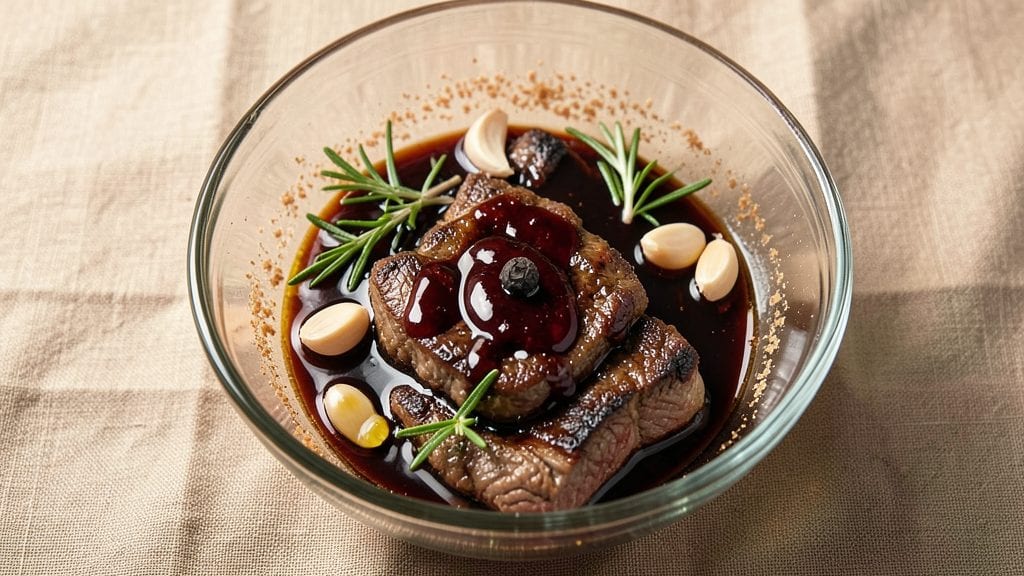
This rib steak marinade recipe transforms tough cuts into steakhouse-worthy perfection with a bold umami crust that locks in flavor while tenderizing the meat.
The secret lies in balancing acidity, oils, and aromatic spices to create a marinade that works its magic whether you refrigerate it overnight or let it work its magic at room temperature for a few hours.
I developed this after years of experimenting with restaurant-quality techniques at home, and it never fails to impress.
The marinade combines soy sauce for deep umami, Worcestershire for complexity, garlic and ginger for aromatic punch, and a touch of brown sugar to caramelize during searing. Olive oil keeps the meat moist while allowing the crust to develop, and a splash of red wine vinegar tenderizes without overpowering.
This isn't just another marinade—it's a flavor multiplier that turns ordinary rib steak into a showstopper.
What you'll achieve is steak with a crispy, caramelized crust that gives way to tender, juicy meat inside—every bite packed with layers of savory, smoky, and slightly sweet notes. The marinade works its magic whether you grill, pan-sear, or broil, making it versatile for any cooking method.
Safety note: Never reuse this marinade that has come into contact with raw meat to avoid cross-contamination.
Perfect for special occasions or weeknight dinners, this marinade elevates any cut of rib steak into something restaurant-worthy. The ingredients are simple but powerful, and the results speak for themselves. Let's get started on creating that steakhouse-level flavor at home.
Ingredients for rib steak marinade
Eight bold ingredients that turn tough rib steak into steakhouse perfection overnight.
| Ingredient | Amount | Notes |
|---|---|---|
| Soy Sauce 🥢 | ½ cup | Low-sodium preferred for balance |
| Worcestershire Sauce 🍶 | ¼ cup | Lea & Perrins for authentic flavor |
| Extra-Virgin Olive Oil 🫒 | ½ cup | High-quality, fruity variety |
| Red Wine Vinegar 🍷 | ¼ cup | Dry, not sweet |
| Light Brown Sugar 🍚 | ¼ cup | Packed, not granulated |
| Garlic Cloves 🧄 | 6 cloves | Peeled, roughly chopped |
| Fresh Ginger 🌿 | 2 tbsp | Grated, not powdered |
| Smoked Paprika 🌶️ | 1 tbsp | For deep smoky notes |
| Ground Black Pepper 🌶️ | 1 tbsp | Freshly cracked for heat |
| Diamond Crystal Kosher Salt 🧂 | 1 ½ tsp | Adjust to taste |
The soy sauce and Worcestershire are your umami powerhouses—Lea & Perrins is non-negotiable for that authentic depth. Grab the low-sodium soy sauce if you're sensitive to salt, but don't skip it entirely. The extra-virgin olive oil should be fruity and peppery (think California or Italian varieties from Trader Joe's or Whole Foods), not that cheap, neutral stuff. Red wine vinegar adds the acidity that tenderizes—Bragg is my go-to, but any dry vinegar works. For the brown sugar, packed means no extra scooping—just press it into the measuring cup. The smoked paprika? Penzeys or the bulk bins at natural markets have the best quality. Freshly cracked black pepper makes all the difference—grind your own if you can, but pre-ground works in a pinch.
No Worcestershire? Fish sauce at half the amount gets you close, but it's a different flavor profile. Short on red wine vinegar? Apple cider vinegar works, but the flavor will be slightly sweeter. The garlic and ginger can be swapped for garlic powder and ground ginger at one-third the amount, but fresh is always better. If you're avoiding sugar, honey or maple syrup can replace the brown sugar, but the caramelization won't be as crispy. The smoked paprika is the easiest to skip if you're out—just add an extra 1/2 tsp of regular paprika and a pinch of liquid smoke for that smoky kick. And for the love of steak, don't use iodized salt—it'll overpower everything.
This marinade keeps 5-7 days in the fridge, but it's best used within 3 days for maximum flavor. Double or triple the batch—it's worth freezing in ice cube trays for single-use portions. Once you've marinated your steak, discard the used marinade (never reuse it). The steak itself can marinate 4-12 hours, but overnight is ideal. Pat the steak dry before cooking—this is critical for that perfect crust. Store any leftover marinade in a sealed jar in the fridge, and use it within 1 week.
Why You'll Love This Recipe
- Five-Ingredient Magic: I swear by this combo—just stir, pour, and let the soy and vinegar work their savory-sweet spell. No fancy tools, no stress, and honestly? The brown sugar caramelizes into a glossy crust that makes even the simplest rib steak feel like a restaurant cut.
- Umami Bomb: That Worcestershire and soy sauce duo? It’s the secret weapon here—deep, meaty, and just a little tangy. The olive oil keeps it luscious, while the vinegar cuts through the richness so every bite is balanced, not heavy. (Yes, even on a Tuesday night.)
- Weeknight Wonder: Marinate overnight or just 30 minutes before grilling—this works for everything from quick weeknight dinners to your next BBQ showdown. I’ve used it on flank steak, chicken thighs, even tofu, and it never lets me down.
- Budget-Friendly Luxury: A splash of olive oil and a pinch of sugar transform cheap cuts into something special. No need for pricey marinades or specialty ingredients; this is my go-to when I want flavor without the grocery bill sticker shock. Plus, leftovers? Just reheat and enjoy.
Step-by-step instructions for rib steak marinade recipe
Here's how to create a marinade that transforms simple rib steaks into restaurant-worthy masterpieces.
Combine the Wet Ingredients
In a medium mixing bowl, whisk together the 0.5 cup soy sauce, 0.25 cup Worcestershire sauce, and 0.5 cup extra-virgin olive oil until fully emulsified. The oil should break into a smooth, creamy consistency with no visible separation. This base creates the umami foundation that penetrates the meat deeply.
Next, add the 0.25 cup red wine vinegar and 0.25 cup light brown sugar. Stir vigorously until the sugar dissolves completely—you should feel the mixture thicken slightly as the sugar integrates. The vinegar adds brightness that cuts through the richness of the other ingredients, while the brown sugar contributes caramelized depth during cooking.
Incorporate Aromatics and Spices
Using a microplane, finely grate the 2 tablespoons fresh ginger directly into the marinade. I prefer freshly grated over powdered because it releases more volatile oils that infuse the meat with vibrant zing. Add the 6 peeled garlic cloves, roughly chopped but not minced—you want visible texture in the marinade.
Sprinkle in the 1 tablespoon smoked paprika and 1 tablespoon ground black pepper, then give everything a thorough stir. The paprika adds that signature smoky backbone, while the pepper delivers both heat and complexity. Finally, add the 1.5 teaspoons Diamond Crystal kosher salt and mix until completely dissolved. Taste the marinade at this stage—it should be bold but balanced, with a perfect harmony of sweet, salty, and acidic notes.
Blend and Rest for Maximum Flavor
For the best results, transfer the marinade to a blender and purée until completely smooth. This ensures even distribution of all ingredients when applied to the steaks. If you don't have a blender, a fine-mesh strainer works too—just press the mixture through to remove any garlic chunks if you prefer a silky texture.
Pour the finished marinade into a resealable plastic bag or shallow dish. Place the rib steaks inside, making sure they're completely submerged. Seal the bag and refrigerate for at least 4 hours, but I recommend 8-12 hours for maximum penetration. The longer it marinates, the more tender and flavorful the steaks will become—just don't exceed 24 hours or the acidity can start breaking down the meat fibers.
Apply and Cook with Confidence
When ready to cook, remove the steaks from the marinade and let them sit at room temperature for 30 minutes before grilling or searing. This crucial step ensures even cooking and prevents cold spots in the center. Pat the steaks dry with paper towels—this helps create that perfect crust during cooking.
Use the leftover marinade as a basting sauce during cooking. Brush it on the steaks in the last 5 minutes of grilling or searing to build an irresistible caramelized crust. The marinade's sugar content will caramelize beautifully, creating a glossy, flavorful exterior that locks in all those tender juices. Serve immediately for the ultimate steakhouse experience.
Pro Tips For Making Rib Steak Marinade
- Dry the Steak First: Pat that rib steak down with paper towels until it’s bone-dry—no wet spots. I learned this the hard way: skipping this step means the marinade sits like soup instead of clinging. Trust me, the crust will be worth it.
- Marinate 2–4 Hours Max: Any longer and the vinegar turns the steak mushy. Two hours is sweet spot for flavor without texture loss, especially with rib steak’s leaner cuts. Set a timer—yes, even if you’re impatient like me.
- Balance the Vinegar: That red wine vinegar packs a punch. If your steak tastes harsh afterward, cut it with a splash of water (1:1 ratio) or swap 1 tablespoon of vinegar for honey. The sugar in the marinade helps, but don’t overlook this.
- Whisk the Sugar First: Dissolve the brown sugar in a splash of warm water before mixing everything else. I used to just dump it in, and it’d clump like gravel. Smooth marinade = even flavor, no gritty surprises.
Troubleshooting great rib steak marinade
Acidic Marinade Over-Tenderizing
If your rib steak feels mushy or overly soft after marinating, you likely exceeded the 24-hour limit. The red wine vinegar and soy sauce contain acids that break down meat fibers over time.
For tougher cuts like rib steak, stick to 8-12 hours maximum. If you need more time, reduce the vinegar by 25% and add 1 tbsp honey to balance the acidity. 🌡️
Uneven Flavor Distribution
When your steak has patchy flavor instead of consistent infusion, it's usually from improper marinating technique. Always ensure the steak is completely submerged in the marinade. For thick cuts, use a meat injection needle to inject marinade into the center.
If using a bag, press out all air before sealing. I also recommend massaging the marinade into the meat every 2-3 hours during long marinating sessions.
Bland or Weak Flavor
Weak flavor often comes from using low-quality ingredients or not balancing the marinade properly. Double-check your Lea & Perrins Worcestershire sauce and extra-virgin olive oil—cheap versions won't deliver restaurant-quality depth. If the marinade tastes flat, add 1 tsp fish sauce for umami or ½ tsp smoked salt for complexity.
Let the marinade sit for 30 minutes before using to allow flavors to meld.
Marinade Not Sticking
If the marinade pools rather than clinging to the steak, the meat wasn't properly dried before application. Always pat the steak very dry with paper towels before marinating—this creates surface tension that helps the marinade adhere.
For extra grip, lightly sear the steak for 30 seconds per side before marinating (this is called "pre-searing"). I also recommend using a non-reactive glass or ceramic dish rather than plastic, as it helps the marinade cling better.
Burnt or Bitter Crust
A bitter crust usually means the sugar in the marinade caramelized too aggressively during cooking. Reduce the brown sugar by 1 tbsp next time or use honey instead. For high-heat cooking methods like grilling, keep the heat at medium-high (400-450°F) and baste frequently with leftover marinade to control caramelization.
If using a cast iron skillet, preheat it for only 3-4 minutes before adding the steak to prevent excessive browning.
Marinade Too Thin or Watery
Thin marinades don't penetrate well and can make your steak soggy. If yours is too watery, reduce it by simmering uncovered over medium heat for 5-7 minutes until slightly thickened. For future batches, ensure all ingredients are fully dissolved—especially the brown sugar.
If you're short on time, whisk in 1 tbsp cornstarch mixed with 2 tbsp water to thicken it slightly. Store properly in an airtight container in the fridge for up to 5 days.
Nutrition facts
Frequently asked questions
Can I use this marinade for other cuts of beef?
This marinade works beautifully on ribeye, sirloin, or flank steak too. The umami-rich blend enhances any beef cut, though the marinating time may vary. For thinner cuts like flank steak, reduce time to 4-6 hours to avoid over-tenderizing. The sugar content makes it especially great for grilling or pan-searing any steak cut.
How do I adjust this marinade for a sugar-free version?
Replace the 0.25 cup brown sugar with 0.25 cup honey or maple syrup for a sugar-free alternative. For a completely sugar-free option, omit it entirely and add 1 tsp liquid smoke instead to maintain depth. The marinade will still caramelize slightly during cooking, just with less sweetness. Always taste and adjust salt levels afterward.
Can I marinate the steak at room temperature instead of refrigerating?
For safety, always refrigerate beef marinades. Room-temperature marinating creates a breeding ground for bacteria. If you're short on time, marinate for 4 hours max at room temp, then finish in the fridge. The ideal balance is 8-12 hours in the fridge—this ensures food safety while maximizing flavor penetration.
What's the best way to store leftover marinade?
Transfer unused marinade to an airtight container and refrigerate for up to 5 days. For longer storage, freeze in ice cube trays (thaw overnight in the fridge). Never reuse marinade that has touched raw meat to prevent cross-contamination. The flavors actually improve slightly after 24 hours in the fridge!
Why does my steak taste salty after marinating?
This usually happens when the soy sauce or salt isn't fully dissolved, or you're using iodized table salt instead of kosher salt. Use Diamond Crystal kosher salt (it's less dense) and measure carefully. Also, pat the steak dry before cooking—excess moisture concentrates the salt during searing. For extra insurance, rinse the steak briefly before cooking if it tastes too salty.