
Sauces & Condiments
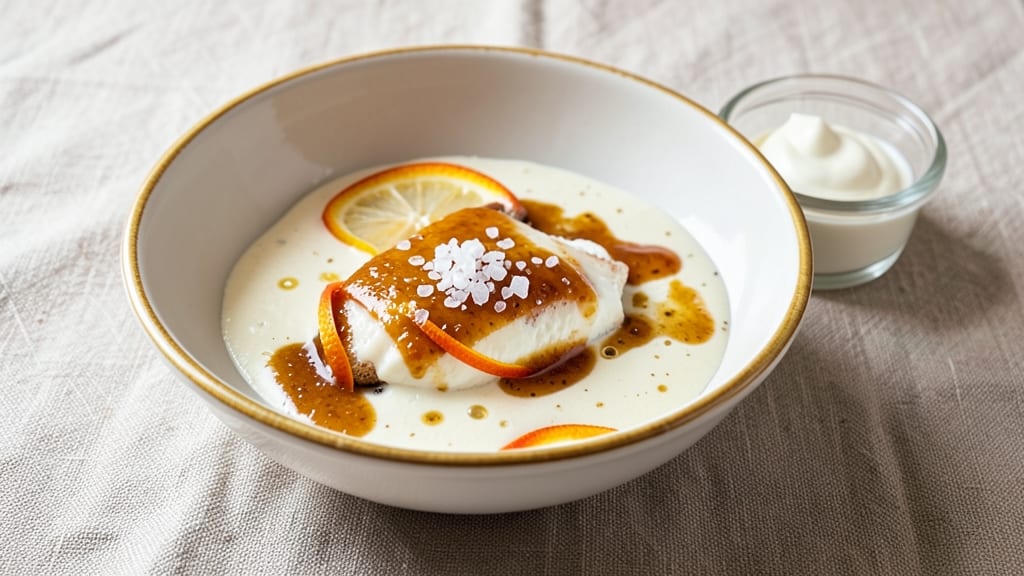
This schnitzel sauce recipe transforms ordinary fried schnitzel into a restaurant-worthy dish with just five ingredients and 10 minutes of hands-on time. The secret lies in pan-fried butter that creates a golden, aromatic base, balanced by bright lemon and a touch of tangy sour cream—no heavy cream required.
I developed this version after years of testing, and it’s the one that finally earned me compliments from even the most critical schnitzel purists.
The sauce begins with butter rendered in a skillet until nutty and fragrant, then deglazed with white wine for depth.
A splash of lemon juice cuts through the richness while preserving the butter’s natural richness, and a dollop of sour cream adds just enough creaminess to coat each bite without overwhelming the dish.
What sets this apart is how quickly it comes together—no reduction times or complicated techniques, just precise timing and simple ingredients.
What you’ll end up with is a sauce that’s velvety yet bright, with a perfect balance of richness and acidity that clings beautifully to crispy schnitzel. The butter’s caramelized notes complement the breading, while the lemon keeps the whole dish feeling fresh.
This isn’t just a sauce—it’s the finishing touch that turns a simple fried cutlet into something memorable.
Store it in the refrigerator for up to 5 days, or freeze for 3 months, making it ideal for meal prep or entertaining. Serve it warm over schnitzel, use it as a dipping sauce for fries, or drizzle it over grilled fish for an unexpected twist.
Here’s how to make it perfectly every time.
Ingredients for schnitzel sauce
Five ingredients transform fried schnitzel into a restaurant-quality dish with perfect butter richness and lemon brightness.
| Ingredient | Amount | Notes |
|---|---|---|
| Unsalted Butter 🧈 | ½ cup | Cold, cut into small cubes |
| Dry White Wine 🍷 | ¼ cup | Sauvignon Blanc or Pinot Grigio preferred |
| Fresh Lemon Juice 🍋 | 1 ½ tbsp | From 1 large lemon, freshly squeezed |
| Sour Cream 🥛 | ¼ cup | Full-fat for optimal texture |
| Diamond Crystal Kosher Salt 🧂 | ¼ tsp | Fine grain preferred |
The butter is non-negotiable—European-style unsalted with high fat content renders the most flavorful caramelized base. Plugrá or President brands excel here, available at specialty stores or high-end grocers. Avoid salted butter, as its sodium content can overpower the delicate balance. For white wine, Sauvignon Blanc or Pinot Grigio provide crisp acidity that cuts through the richness without competing. If using a cheaper variety, ensure it's bone dry—any sweetness will throw off the sauce's harmony. The lemon juice should come from a freshly squeezed lemon; bottled juice lacks the vibrant acidity needed to brighten the dish.
No white wine? Chicken or vegetable broth works in a pinch, though it lacks the wine's depth. Substitute sour cream with Greek yogurt at half the amount for tanginess, though texture will differ slightly. For extra richness without dairy, crème fraîche offers a luxurious alternative. If you're avoiding dairy entirely, coconut cream can mimic the velvety quality, though it introduces a distinct flavor. The salt is crucial—Diamond Crystal kosher dissolves cleanly, so adjust to taste if using another variety. Every ingredient here serves a purpose: the butter builds flavor, the wine adds complexity, the lemon refreshes, and the sour cream binds it all together.
This sauce reheats beautifully—simply warm over low heat, stirring occasionally, until just melted. Store in an airtight container in the refrigerator for up to 5 days, with a thin layer of plastic wrap pressed directly onto the surface to prevent skin formation. For longer storage, freeze in ice cube trays, then transfer to a sealed bag for up to 3 months. When thawing, let it come to room temperature gradually in the refrigerator to preserve its velvety texture. The sauce pairs exceptionally well with crispy fried cutlets, but its bright acidity also complements grilled fish or roasted vegetables.
Why You'll Love This Recipe
- Here’s what sold me: that first sip of wine reduces into a silky base, then the sour cream comes in to cool it down—just enough acidity to cut through the richness. It’s the kind of sauce that makes you slow down and savor each bite, even when you’re in a hurry.
- Five-Ingredient Magic: I swear by this sauce—just butter, wine, lemon, sour cream, and salt. That’s it. No hidden spices, no last-minute grocery runs. The wine deglazes effortlessly, the lemon brightens everything, and the sour cream ties it all together without fuss.
- Creamy-Tangy Balance: Here’s what sold me: that first sip of wine reduces into a silky base, then the sour cream comes in to cool it down—just enough acidity to cut through the richness. It’s the kind of sauce that makes you slow down and savor each bite, even when you’re in a hurry.
- Weeknight to Dinner Party: Between us, this sauce works for schnitzel and grilled chicken and even roasted potatoes. I’ve used it to dress up a simple pan-sear for my book club, then again for my kid’s soccer team potluck. No one ever asks what’s in it—they just ask for seconds.
Step-by-step instructions for schnitzel sauce
This sauce delivers perfect balance—rich, velvety butter meets bright acidity and creamy depth.
Melt Butter in a Heavy Saucepan
Place a heavy saucepan over medium-low heat and add the 0.5 cup unsalted butter cut into small cubes. Allow it to melt completely while stirring occasionally with a wooden spoon. Watch closely as the butter transforms from solid to liquid—you'll see it foam slightly before settling into a smooth, golden pool.
This gradual melting prevents burning while maximizing flavor extraction from the butter. Once fully melted and smooth, reduce heat to low to maintain a gentle simmer that won't scorch the delicate sauce components we'll add next.
Deglaze with Dry White Wine
Pour in the 0.25 cup dry white wine and immediately scrape up any browned bits from the bottom of the pan using a wooden spoon. These fond bits contain concentrated flavor that forms the sauce's foundation. Let the wine simmer for 3-4 minutes until reduced by about half—you'll notice the liquid darkens slightly and its aroma becomes more concentrated.
Don't rush this reduction. The wine should cook down until it coats the back of a spoon but hasn't completely evaporated. This creates the proper balance between richness and acidity that defines schnitzel sauce. If you see the sauce starting to bubble vigorously, reduce heat slightly to prevent alcohol burn.
Incorporate Lemon Juice and Salt
Remove the pan from heat and stir in the 1.5 tablespoons fresh lemon juice and 0.25 teaspoon diamond crystal kosher salt. The acidity from the lemon will immediately brighten the sauce, cutting through the richness of the butter. You'll see small bubbles form as the lemon juice reacts with the hot butter mixture.
Return the pan to low heat and stir constantly for 1 minute to fully incorporate all ingredients. The sauce should now have a glossy sheen and a balanced flavor profile—rich from the butter, bright from the lemon, and properly seasoned. This is where the sauce's signature character develops, so don't skip this step.
Finish with Sour Cream
Remove the pan from heat again and gently fold in the 0.25 cup sour cream using a spatula. Work quickly to prevent the sauce from curdling—you want to maintain its silky texture. The sour cream will immediately thicken the sauce slightly while adding a subtle tang that complements the lemon and butter.
Return the pan to low heat for just 30 seconds to warm through completely. The sauce should now be velvety smooth with a luxurious mouthfeel. If it appears too thick, add 1 tablespoon hot water to reach your desired consistency. Taste and adjust seasoning if needed—this is your final opportunity to balance flavors before serving.
Serve Immediately
Transfer the sauce to a serving bowl and keep it warm over low heat until ready to serve. This sauce is best enjoyed immediately alongside crispy schnitzel, where it will coat each bite with its perfect balance of richness and brightness. The sauce should be warm but not boiling when served—just hot enough to melt any residual butter crystals.
For optimal presentation, drizzle the sauce over the schnitzel just before serving. The contrast between the golden, crispy exterior of the schnitzel and the glossy, velvety sauce creates a visual and textural experience that's as important as the flavors themselves.
Pro Tips For Making Schnitzel Sauce
- Reduce Wine Slowly: After pouring in the white wine, let it simmer uncovered for 3-4 minutes until it’s reduced by half. This concentrates the flavor and cuts through the richness of the butter—don’t rush it, or you’ll end up with a thin, watery sauce that tastes like sad wine.
- Salt the Butter: Toss in ½ teaspoon of kosher salt with the butter at the start. Unsalted butter is neutral, but the sauce will still carry the weight of the schnitzel’s seasoning—this ensures it’s not bland. (Yes, even if you’re using salted schnitzel, the sauce needs its own backbone.)
- Temper the Sour Cream: Whisk the sour cream into the warm sauce last, when it’s off the heat and just simmering. Dumping cold sour cream into hot liquid turns it grainy—like curdled regret. Stir in a ladleful first to test, then add the rest.
- Lemon Juice Last: Add the lemon juice only after the sauce has thickened and cooled slightly. A splash too early will curdle the sour cream, and you’ll be left with a lumpy mess. Save it for the final 30 seconds, when the sauce is ready to shine.
Wine and beer pairings for this dish
German Riesling Pairing
The crisp acidity of a German Riesling makes it the perfect wine companion for this schnitzel sauce. Look for a Kabinett or Spätlese with its bright citrus notes that mirror the lemon in the sauce.
The wine's natural sweetness balances the sauce's richness while its acidity cuts through the butter beautifully. I always reach for a Dr. Loosen Blue Slate from the Mosel region—its slate minerality adds an unexpected depth that elevates the dish. 🍷
Crisp Sauvignon Blanc
A New Zealand Sauvignon Blanc brings vibrant herbal notes that complement the sauce's lemon brightness. The wine's zesty lime and grapefruit flavors enhance the dish's freshness, while its high acidity prevents the butter from feeling too heavy.
Try a Cloudy Bay or Oyster Bay for that signature grassy finish. I've found that chilling these wines to 45-50°F preserves their crispness perfectly.
Light Lager Options
For beer lovers, a German Helles Lager like Weihenstephaner Original provides a clean, malty backbone that won't compete with the sauce's flavors. The beer's subtle sweetness and crisp finish create a refreshing contrast to the rich schnitzel.
Alternatively, a Belgian Witbier such as Hoegaarden adds a touch of coriander and orange peel that pairs surprisingly well with the lemon in the sauce. Serve both at 40-45°F for optimal enjoyment. 🍺
Unexpected Sparkling Wine
A dry Prosecco or German Sek adds an elegant effervescence that cleanses the palate between bites. The bubbles enhance the sauce's brightness while the wine's acidity mirrors the lemon perfectly.
I particularly enjoy La Marca Prosecco for its crisp, stone-fruit notes. The slight sweetness in Prosecco also complements the butter's richness without overpowering it.
Seasonal Adaptations
For summer months, opt for a chilled Chardonnay with minimal oak, like Louis Martini California Chardonnay. Its subtle vanilla notes harmonize with the butter while maintaining enough acidity to balance the dish.
In winter, a Riesling Kabinett with its spicier character stands up to the sauce's richness better than lighter options.
Nutrition facts
Frequently asked questions
Can I make this schnitzel sauce without wine?
Replace the 0.25 cup dry white wine with an equal amount of chicken or vegetable broth for similar depth. For a non-alcoholic alternative, use apple cider vinegar mixed with 1 teaspoon sugar to mimic the wine's acidity and slight sweetness. The sauce will still shine, though the wine's complexity will be missing.
How do I prevent the sauce from curdling when adding sour cream?
Always remove the pan from heat before adding the 0.25 cup sour cream and stir gently but quickly. The sauce should be warm (not hot) to avoid curdling. If it starts to separate, whisk in 1 teaspoon cold water to restore smoothness. For extra insurance, temper the sour cream first by mixing it with 1 tablespoon of the warm sauce before adding it all at once.
What’s the best way to reheat leftover schnitzel sauce?
Reheat gently over low heat in a saucepan, stirring constantly, until warmed through (2-3 minutes). Avoid microwaving—it can cause separation. If the sauce thickens too much, thin it with 1-2 teaspoons hot water or broth. For best results, reheat only what you need to keep the texture velvety.
Can I use heavy cream instead of sour cream?
Heavy cream will make the sauce richer but heavier—reduce it to 0.25 cup and simmer for 1 extra minute to thicken. However, sour cream adds a subtle tang that balances the butter’s richness. For a lighter alternative, try crème fraîche (use 0.2 cup) or Greek yogurt (thinned with 1 tablespoon water).
Why does my schnitzel sauce taste flat or bland?
Flat flavor usually means the butter didn’t caramelize enough or the wine reduction wasn’t concentrated. Next time, melt the butter over medium-low heat until it turns golden and smells nutty. For the wine, reduce it until it coats the back of a spoon—this boosts depth. Finally, taste as you go and adjust with extra lemon juice or a pinch of salt.