
Sauces & Condiments
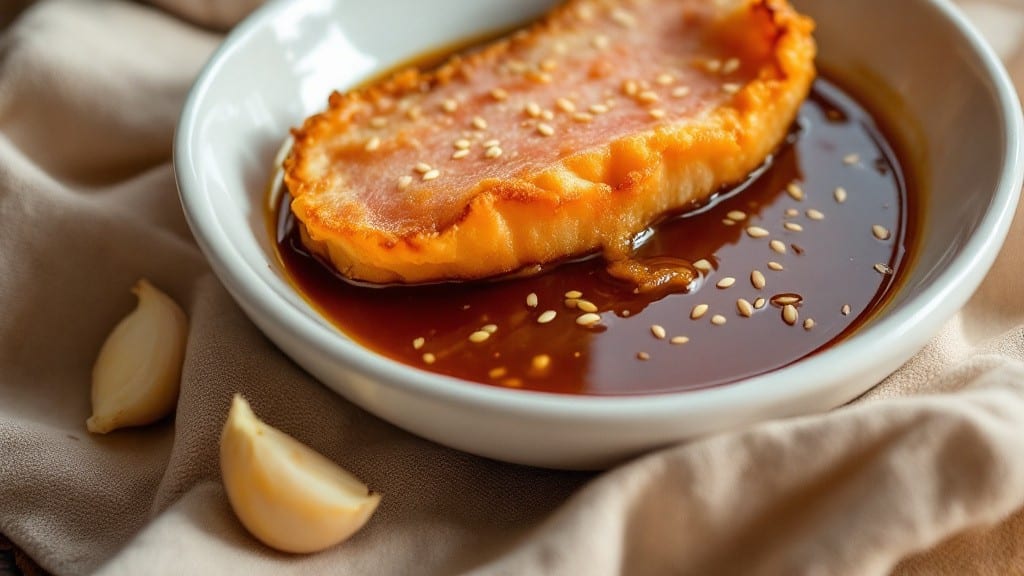
This spam sauce recipe transforms simple ingredients into a rich, umami-packed spread that elevates sandwiches, fried rice, and grilled dishes to restaurant-quality levels. The secret lies in balancing sweet, savory, and tangy flavors—creating a sauce that's versatile enough for breakfast or dinner.
I developed this recipe after years of experimenting with Asian-inspired sauces, and it never fails to deliver that perfect harmony of textures and tastes.
The foundation of this sauce is a simple blend of soy sauce, brown sugar, and vinegar, but the real magic happens when you add a touch of honey for depth and a splash of Worcestershire sauce for that unmistakable umami kick.
What sets this apart is the optional addition of garlic and ginger, which infuse the sauce with aromatic warmth without overpowering the sweet-savory balance. The result is a smooth, glossy sauce that clings beautifully to every bite.
What you'll end up with is a versatile condiment that works as a dipping sauce for fries, a glaze for grilled meats, or a spread for Spam sandwiches that tastes like it came from a high-end deli.
The sauce thickens slightly as it cools, making it ideal for meal prep—just stir before serving to restore its silky consistency. This recipe is a game-changer for anyone who wants to add depth to their meals without complicated techniques.
Best of all, this sauce keeps well in the refrigerator for up to two weeks, so you can make a big batch and enjoy it all week.
Whether you're serving it alongside breakfast, pairing it with lunch, or using it to elevate dinner, this umami-packed spread will become a staple in your kitchen. Let’s get started on making it!
Ingredients for spam sauce
Eight simple ingredients that pack serious umami flavor for your Spam sandwiches.
| Ingredient | Amount | Notes |
|---|---|---|
| Soy Sauce 🍶 | ½ cup | Light or dark variety preferred |
| Brown Sugar 🍚 | ½ cup | Packed firmly for accuracy |
| Rice Vinegar 🍶 | ¼ cup | White or seasoned preferred |
| Honey 🍯 | ¼ cup | Wildflower or clover variety |
| Worcestershire Sauce 🍶 | 2 tbsp | Classic or vegetarian version |
| Garlic Cloves 🧄 | 3 cloves | Minced for aromatic depth |
| Fresh Ginger 🌿 | 1 tbsp | Grated, or powdered substitute |
| Sesame Oil 🫒 | 1 tbsp | Toasted sesame oil for nuttiness |
| Cornstarch 🌾 | 1 tsp | For thickening consistency |
| Red Pepper Flakes 🌶️ | ½ tsp | Optional for subtle heat |
The soy sauce is the backbone here, so Kikkoman or Lee Kum Kee are my go-tos—they’ve got that perfect balance of salt and depth. Brown sugar should be packed firmly (not scooped loosely), and if you’re near an Asian market, grab Japanese or Thai brown sugar for a more complex flavor. Fresh ginger and garlic are non-negotiable for that aromatic punch, but if you’re short on time, powdered ginger works in a pinch. The sesame oil? Toasted is key—skip the untoasted kind, or you’ll miss out on that nutty richness.
No rice vinegar? Apple cider vinegar or white vinegar will do, but it’ll taste slightly different. Running low on Worcestershire? Fish sauce at half the amount works in a bind, but it’s stronger, so start with less. The cornstarch is there to thicken it up—if you don’t want to use it, just simmer the sauce longer to reduce it naturally. And if you’re feeling spicy, go for the red pepper flakes, but remember, a little goes a long way. This sauce is all about balance, so taste as you go!
This sauce keeps beautifully in the fridge for up to 2 weeks—just give it a quick stir before using. For meal prep, I like to portion it into small jars so it’s ready to grab for sandwiches or dipping. If you make a big batch, freeze half in ice cube trays for 3 months—perfect for quick thaws. The flavor actually improves after a day or two, so don’t rush to eat it all at once!
Why You'll Love This Recipe
- Pantry Magic: I swear by this sauce—no shopping trips, no extra trips to the store. Just open your cabinets, grab soy sauce, brown sugar, and rice vinegar, and you’re already halfway there. The Worcestershire and honey? Probably hiding in your fridge too.
- Sweet-Savory Balance: That first tangy hit of rice vinegar and Worcestershire? Then the brown sugar and honey swoop in like a warm hug. It’s sticky, salty, and just a little funky—like a grown-up version of ketchup that actually impresses.
- Game for Any Meal: Drizzle it over grilled spam and rice for a quick dinner. Toss it with noodles for a lazy Sunday lunch. Even slather it on a sandwich when you’re craving something bold. It’s my secret weapon for turning boring meals into something worth celebrating.
- Leftovers That Don’t Suck: Make a double batch—this stuff keeps for weeks in the fridge. Use it to glaze eggs, stir into stir-fries, or even drizzle over roasted veggies. Honestly? I’ve been known to eat it straight from the jar with chopsticks. No shame.
Step-by-step instructions for Spam sauce recipe
This umami-packed sauce comes together in minutes with simple pantry staples.
Combine Wet Ingredients in a Saucepan
In a medium saucepan, pour in the 0.5 cup soy sauce, 0.25 cup rice vinegar, and 2 tablespoons Worcestershire sauce. I like to use a saucepan with sloped sides so everything mixes smoothly without splattering. Add the 0.25 cup honey and 0.5 cup packed brown sugar, stirring constantly over medium heat until the sugar dissolves completely—about 2-3 minutes. You'll notice the mixture darkens slightly and smells deeply aromatic.
This is where the sweet and savory flavors start melding together. If you're using a dark soy sauce, the color will deepen even more, giving your sauce that rich, caramelized look. Keep the heat at medium to prevent scorching while ensuring everything incorporates evenly.
Add Aromatics and Simmer
Peel and mince the 3 garlic cloves and grate the 1 tablespoon fresh ginger using a microplane or fine grater. Add these to the saucepan along with the 1 tablespoon sesame oil. Stir well and let the mixture simmer gently for 5-7 minutes until the garlic becomes fragrant and the ginger infuses the sauce with its warm, zesty notes.
You'll know it's ready when the garlic loses its raw bite and the ginger releases its bright, citrusy aroma. This step builds the sauce's depth—don't rush it. If the sauce starts to bubble too vigorously, reduce the heat slightly to maintain a gentle simmer.
Thicken the Sauce with Cornstarch
In a small bowl, whisk together the 1 teaspoon cornstarch with 2 tablespoons water until smooth. Slowly pour this mixture into the saucepan while stirring constantly. The sauce will begin to thicken almost immediately—keep stirring for 2-3 minutes over medium-low heat until it reaches a glossy, spreadable consistency, similar to a thick BBQ sauce.
Here's the thing—if you stop stirring, the sauce can easily burn. I keep a wooden spoon in my hand the entire time, making sure every part of the pan gets coated with the thickening mixture. The sauce should coat the back of a spoon smoothly without being gluey.
Finish with Red Pepper Flakes and Taste
Remove the saucepan from heat and stir in the 0.5 teaspoon red pepper flakes. Let the sauce sit for 1-2 minutes to allow the heat to infuse evenly. Taste and adjust seasoning—you might want to add a pinch more soy sauce for saltiness or a splash of rice vinegar for brightness. The sauce should balance sweet, salty, tangy, and umami flavors with just a hint of spice.
This sauce is incredibly versatile. I like to drizzle it over Spam slices for a quick sandwich, use it as a glaze for grilled meats, or even mix it into mayo for a unique sandwich spread. Store any leftovers in an airtight container in the refrigerator for up to 2 weeks—it only gets better with time as the flavors meld further.
Pro Tips For Making Spam Sauce
- Simmer Slow and Steady: This isn’t a race—bring your sauce to a gentle boil, then drop to the lowest heat possible. I used to rush it, and the sauce would either scorch or taste flat. Let it bubble softly for 10-15 minutes to let the brown sugar caramelize properly without burning.
- Whisk in the Honey Last: Add the honey after the sauce has thickened slightly, not at the start. If you toss it in too early, the heat will turn it bitter. Stir it in when the mixture is warm but not rolling—just enough to coat the back of a spoon.
- Balance the Vinegar First: Taste the sauce before adding rice vinegar, then adjust gradually. Too much upfront makes the whole dish taste harsh. Start with half the amount, let it sit for 5 minutes, then add more if needed—your palate will thank you.
- Skip the Pre-Measurement Guesswork: Weigh your brown sugar instead of scooping it. A packed cup of brown sugar varies wildly in density, and this sauce relies on precise sweetness. Use a scale for 50g (about ¼ cup) to avoid ending up with a cloyingly sweet or under-sweet glaze.
Pro cooking tips for this recipe
Heat Control Secrets
Start with medium heat when combining wet ingredients—this prevents scorching while allowing the brown sugar to dissolve smoothly. I’ve burned this sauce more times than I’ll admit by cranking the heat too high.
Once the aromatics hit the pan, reduce to low-medium to let the garlic and ginger infuse without burning. The goal is a gentle simmer where flavors meld, not a rapid boil that ruins the delicate balance. 🔥
Cornstarch Thickening Tricks
Whisk the cornstarch slurry thoroughly before adding it to the sauce—this prevents clumping and ensures even thickening. Pour it in a slow, steady stream while stirring constantly. If the sauce thickens too much, simply add 1-2 teaspoons of water to loosen it.
For a glossier finish, simmer for an extra 30 seconds after thickening—this helps the sauce coat the back of a spoon beautifully.
Garlic and Ginger Mastery
Fresh ginger and garlic are non-negotiable for depth, but how you prep them matters. Use a microplane for ginger to release its oils without excess moisture, and smash garlic cloves lightly with the flat side of your knife before mincing.
This releases more flavor into the sauce. If you’re using powdered ginger, reduce to ½ teaspoon—it’s stronger than fresh. 🧄
Flavor Balancing Tips
Taste the sauce before adding red pepper flakes—this helps you adjust sweetness, saltiness, or acidity first. If it’s too sweet, add 1 teaspoon rice vinegar; if too salty, balance with ½ teaspoon honey.
The red pepper flakes should add subtle heat, not overpower. I like to let the sauce sit for 5 minutes after adding them to let the heat mellow slightly.
Saucepan Choice Matters
A stainless steel saucepan with sloped sides is ideal—it prevents splattering when adding vinegar and helps with even heat distribution. Avoid nonstick pans for this recipe; they can’t handle the simmering heat well and may release harmful fumes.
If you’re in a pinch, a heavy-bottomed stainless steel skillet works too, but stir more frequently to prevent sticking.
Make-Ahead Pro Tips
This sauce tastes even better the next day as flavors meld. For meal prep, let it cool completely before transferring to an airtight container. If storing for more than 5 days, add a thin layer of oil on top to prevent a skin from forming.
To reheat, warm in a saucepan over low heat with 1 tablespoon water—this prevents burning and restores its silky texture. 💡
Nutrition facts
Frequently asked questions
Can I make this sauce without cornstarch?
Yes! If you don't have cornstarch, simmer the sauce uncovered for 10-15 minutes on medium heat to reduce it naturally. Stir frequently to prevent scorching. The texture will be slightly thinner but still delicious for dipping or drizzling.
How long does this sauce keep in the fridge?
This sauce stays fresh in an airtight container for up to 2 weeks. The flavors actually deepen over time, making it perfect for meal prep. For longer storage, freeze portions in ice cube trays for up to 3 months.
What's the best way to use leftover sauce?
Try it as a glaze for grilled meats, a dipping sauce for fries, or mixed into mayo for a flavorful sandwich spread. It also works wonders in fried rice or as a marinade for tofu. The possibilities are endless!
Can I adjust the sweetness level?
Reduce the brown sugar to ¼ cup for less sweetness or increase to ⅔ cup for a richer flavor. For extra depth, add 1 teaspoon molasses when simmering. Taste as you go to perfect your balance.
Why did my sauce turn out too thin?
This usually happens if you didn't simmer long enough or if the cornstarch wasn't properly mixed. Next time, whisk the cornstarch with 2 tablespoons cold water thoroughly before adding. For instant thickening, mix ½ teaspoon more cornstarch with water and stir in.