
Sauces & Condiments
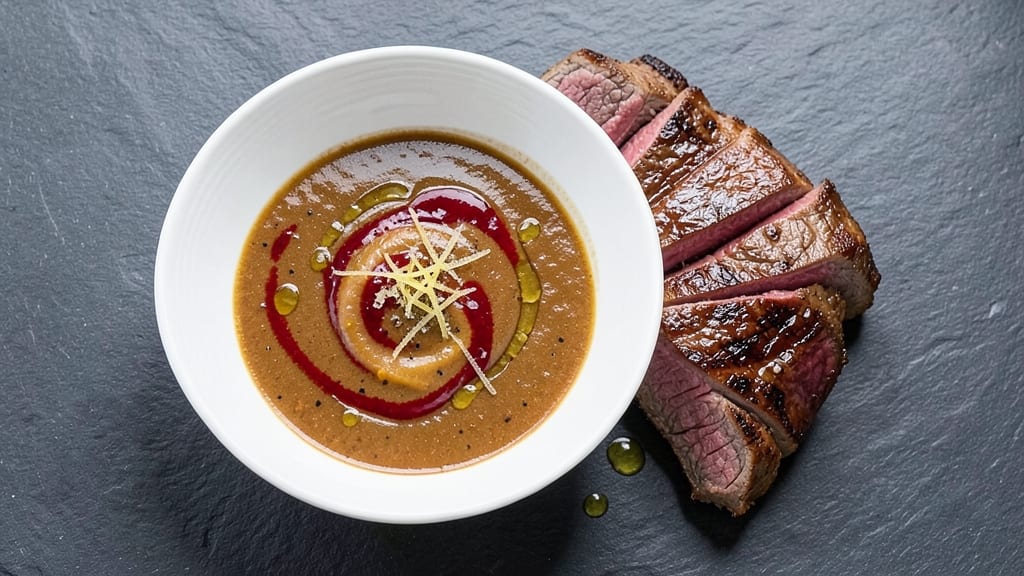
This tenderloin horseradish sauce recipe transforms ordinary grilled beef into a showstopping centerpiece with its bold, peppery depth.
The secret lies in balancing creamy horseradish with rich mayonnaise and a touch of Dijon mustard, creating a sauce that cuts through the richness of perfectly cooked tenderloin while amplifying its natural beefy flavor.
I developed this recipe after years of testing—each ingredient plays a precise role in achieving that perfect harmony of heat and creaminess.
The sauce comes together in just 15 minutes with simple pantry staples, yet delivers restaurant-quality results every time. The horseradish provides that signature kick without overpowering, while a splash of lemon juice brightens the flavors and ensures the sauce stays fresh.
What makes this recipe truly professional is the technique of tempering the horseradish with mayonnaise first—this prevents the sauce from becoming too sharp and ensures a smooth, velvety texture that coats every bite of meat.
By the time you drizzle this sauce over your perfectly grilled tenderloin, you'll have a dish that's impossible to resist—juicy, tender beef with a glossy, peppery glaze that adds both visual appeal and complex flavor.
The sauce also works beautifully with roasted potatoes, grilled vegetables, or even as a bold dip for crusty bread. It keeps well in the refrigerator for up to a week, making it perfect for meal prep or entertaining.
This recipe isn't just about the sauce—it's about elevating your entire meal. The right balance of ingredients and proper technique ensures your tenderloin stays tender while the sauce delivers that signature peppery kick that makes every bite unforgettable. Let's make it together!
Ingredients for tenderloin horseradish sauce
Nine essential ingredients transform into a bold, restaurant-worthy sauce that elevates beef dishes effortlessly.
| Ingredient | Amount | Notes |
|---|---|---|
| Prepared Horseradish 🌶️ | ½ cup | Freshly grated preferred for intensity |
| Mayonnaise 🥛 | 1 cup | High-quality, full-fat preferred |
| Dijon Mustard 🍯 | 2 tbsp | Mellow, not spicy variety |
| Fresh Lemon Juice 🍋 | 2 tbsp | From ripe lemons, freshly squeezed |
| Worcestershire Sauce 🍶 | 1 tbsp | Lea & Perrins brand preferred |
| Extra-Virgin Olive Oil 🫒 | 1 tbsp | High-quality, fruity variety |
| Diamond Crystal Kosher Salt 🧂 | ½ tsp | Fine grain for even seasoning |
| Freshly Ground Black Pepper 🌶️ | ¼ tsp | Freshly cracked for optimal flavor |
| Heavy Cream 🥛 | ¼ cup | Full-fat for velvety texture |
| Granulated Sugar 🍚 | ½ tsp | Balances sharpness of horseradish |
The prepared horseradish is the heart of this sauce, so choose a high-quality brand—none of that vinegar-heavy grocery store stuff. Bragg or Horseradish Cream from specialty stores deliver the richest flavor. Freshly grated horseradish (from a root) adds even more depth but requires careful tempering with mayonnaise to avoid bitterness. The mayonnaise must be premium—Hellmann's or Duke's are reliable choices, but never the low-fat versions. That heavy cream adds luxurious body, so full-fat is non-negotiable. For the Dijon mustard, Maille or Amoy provide that perfect mellow kick without overpowering. Every ingredient here serves a precise purpose in creating that signature peppery harmony.
No prepared horseradish? Fresh horseradish root grated and tempered with a little sugar works beautifully—just mix it with a spoon of mayonnaise first to mellow the heat. Substituting Greek yogurt for mayonnaise cuts calories but loses that signature richness. The Worcestershire sauce can be swapped for soy sauce at half the amount, though it'll alter the depth slightly. Running out of heavy cream? Full-fat sour cream maintains texture but adds tang. For the olive oil, avoid light or refined oils—they lack the fruity complexity needed to balance the horseradish's sharpness. The sugar isn't optional—it's what prevents the sauce from becoming overwhelmingly peppery. If you're sensitive to spice, reduce the horseradish by one tablespoon and add an extra teaspoon of sugar.
This sauce keeps beautifully in an airtight container in the refrigerator for up to 7 days, though it actually improves with a day or two of resting as flavors meld. For longer storage, portion into ice cube trays and freeze for up to 3 months. The sauce thickens slightly when chilled, so stir before using. It reheats perfectly in the microwave for 20 seconds if you prefer it warm. The sauce pairs exceptionally well with grilled tenderloin, but also elevates roasted potatoes or even as a bold dip for crusty baguettes. Make a double batch—you'll want it on hand for all your beef dishes.
Why You'll Love This Recipe
- Five-Ingredient Magic: I swear by this combo—just blend horseradish, mayo, Dijon, lemon, and Worcestershire. That’s it. No fancy techniques, no last-minute grocery runs. Honestly, I’ve made it while my coffee brewed and still had time to fold laundry.
- Zingy Kick: The horseradish brings the heat, but the mayo and lemon smooth it out—like a spicy hug. Here’s what sold me: that first bite where the tang hits, then the richness lingers. It’s not overpowering; it’s perfectly bold.
- Party in a Jar: This sauce is my secret weapon for game day, holiday dinners, or even a lazy Sunday brunch. Slather it on steak, drizzle it over roasted potatoes, or toss it with grilled veggies. Between us, it’s the one thing that makes even simple meals feel special.
- Leftovers That Don’t Suck: Unlike sauces that turn gloopy after a day, this one stays thick and flavorful in the fridge. I’ve had it last a week in my lunchbox—still bright, still delicious. Plus, it’s cheap to make; you’re basically buying flavor for pennies.
Step-by-step instructions for tenderloin horseradish sauce
This sauce delivers a sophisticated balance of heat and richness that complements grilled tenderloin perfectly.
Whisk Together the Base Ingredients
In a medium bowl, combine the 0.5 cup prepared horseradish, 1 cup mayonnaise, and 2 tbsp Dijon mustard using a whisk or silicone spatula. I prefer using a whisk for this step because it creates a smoother emulsion without overmixing. The horseradish should be fully incorporated, but you'll still see some texture from the grated pieces—this adds visual appeal and prevents the sauce from becoming too uniform.
Next, add the 2 tbsp fresh lemon juice and 1 tbsp Worcestershire sauce. Whisk vigorously for 30 seconds until fully combined. The lemon juice brightens the flavors while cutting through the richness of the mayonnaise, and the Worcestershire adds depth. At this stage, the mixture should have a vibrant, pale yellow color with a hint of pink from the horseradish. Taste a small spoonful—you should detect a sharp, peppery kick balanced by the tangy mustard and umami from the Worcestershire.
Incorporate the Cream and Seasonings
Gently fold in the 0.25 cup heavy cream using a rubber spatula. The cream lightens the texture and adds a velvety richness that pairs beautifully with grilled meats. Work slowly to avoid creating air bubbles, which can make the sauce too light. The mixture should now have a smoother, more cohesive consistency.
Add the 0.5 tsp granulated sugar, 0.5 tsp Diamond Crystal kosher salt, and 0.25 tsp freshly ground black pepper. The sugar subtly balances the sharpness of the horseradish, while the salt and pepper enhance all the flavors. Stir well until the sugar dissolves completely. The sauce should now have a glossy sheen and a thick, spreadable consistency—similar to a well-emulsified aioli. If it appears too thick, add 1 tsp water and stir again until smooth.
Finish with Olive Oil for Emulsion Stability
Drizzle in the 1 tbsp extra-virgin olive oil while continuing to whisk. The oil helps stabilize the emulsion, preventing the sauce from separating later. Whisk for another 30 seconds until the oil is fully incorporated and the sauce achieves a silky, homogeneous texture. The final product should coat the back of a spoon without being overly thick.
Transfer the sauce to a clean jar or airtight container. Let it rest at room temperature for 15 minutes before serving. This brief rest allows the flavors to meld and the emulsion to fully stabilize. The sauce should now have a vibrant color, a sharp yet balanced peppery heat, and a luxurious mouthfeel that elevates any grilled tenderloin.
Pro Tips For Making Tenderloin Horseradish Sauce
- Whisk Horseradish Last: I learned this the hard way—adding prepared horseradish first makes the sauce turn bitter fast. Stir it in just before serving or right before drizzling on the plate. The heat mellows out immediately, and the sharpness stays bright.
- Measure Mayonnaise Cold: Scoop mayo straight from the fridge—room temperature thickens it unpredictably, and suddenly your sauce is lumpy. Use a chilled spoon to portion it out, then let the whole mixture sit at room temp for 5 minutes before adjusting consistency.
- Balance Lemon with Mustard: That fresh lemon juice is non-negotiable, but skip the full tablespoon if you’re using strong Dijon. Start with half, taste, then add more lemon after—the mustard’s acidity cuts through horseradish’s bite, so you want to control the punch.
- Thin with Worcestershire Gradually: Worcestershire is the sauce’s glue, but dumping it all in at once turns your dressing into soup. Mix 1 teaspoon at a time, tasting between each addition. You’ll hit that perfect cling without over-diluting—trust me, I’ve drowned a plate trying to fix it later.
Pro cooking tips for great tenderloin horseradish sauce
Emulsion Perfection
The key to a silky, stable sauce lies in proper emulsion technique. Start by whisking the horseradish and mayonnaise together for 30 seconds—this breaks down the horseradish fibers and creates a smooth base. I use a whisk for this step because it incorporates air gently, preventing lumps.
The Dijon mustard acts as an emulsifier, helping blend the fat and water-based ingredients seamlessly. If your sauce starts to separate later, simply whisk in 1 tsp water or 1 tsp heavy cream to restore its velvety texture. 🥛
Temperature Control
Horseradish can be overwhelmingly sharp if not handled properly. To tame its heat, always temper it with mayonnaise first—this gradual mixing prevents bitterness. If using fresh horseradish root, grate it finely and mix it with 1 tsp sugar and 1 tbsp mayonnaise before adding to the full recipe.
The lemon juice should be added last to brighten flavors without curdling the emulsion. Keep all ingredients at room temperature before combining to ensure smooth blending. 🌡️
Balancing Flavors
The sugar in this recipe isn’t just for sweetness—it neutralizes the horseradish’s sharpness while enhancing its peppery notes. Taste as you go: if the sauce tastes too harsh, add ¼ tsp more sugar or 1 tsp heavy cream to mellow it.
The Worcestershire sauce adds umami depth, so don’t skip it—it’s what makes this sauce taste restaurant-quality. For extra richness, stir in 1 tsp butter at the end, but keep it optional unless you’re serving a crowd. 💡
Equipment Essentials
You don’t need fancy tools, but a few game-changers make this easier. A medium mixing bowl (like OXO Good Grips) keeps ingredients contained, while a silicone spatula ensures no sauce sticks to the sides.
For precise measurements, I use a scale to weigh the horseradish—100g of prepared horseradish equals about ½ cup. A fine-mesh sieve helps strain any gritty bits if using fresh horseradish root. Store the sauce in a glass jar (like Le Parfait) to maintain freshness longer. ✨
Sauce Consistency
If your sauce is too thick, thin it with 1 tsp water or 1 tsp lemon juice. Too thin? Stir in 1 tsp mayonnaise or 1 tsp heavy cream to restore body. The ideal consistency should coat the back of a spoon but still drizzle smoothly.
For a glossy finish, drizzle the sauce over the tenderloin in the last 2 minutes of grilling—the heat will set it beautifully. If making ahead, rest the sauce for 15 minutes before serving to let flavors meld. 🍴
Pro Tips for Serving
Drizzle the sauce just before serving to prevent sogginess. For extra drama, pipe it onto the plate in a zigzag pattern using a pastry bag with a small tip. Pair it with roasted garlic mashed potatoes or grilled asparagus to balance the richness.
If you’re serving a crowd, divide the sauce into small ramekins for individual drizzling. The sauce also works as a bold dip for crusty bread or fries—just thin it slightly with a splash of water. 💛
Nutrition facts
Frequently asked questions
Can I make this sauce without mayonnaise?
You can substitute with Greek yogurt or sour cream for a lighter texture, but the sauce will lose its signature richness. For a mayo-free version, use ½ cup Greek yogurt and ¼ cup heavy cream instead. The emulsion won't be as stable, so whisk vigorously and add 1 tsp lemon juice to help bind the ingredients.
How do I adjust the heat level?
The sauce's spice level depends on the horseradish strength. For milder heat, reduce prepared horseradish to ¼ cup and add ½ tsp extra sugar. For extra kick, increase horseradish to ⅔ cup and add ½ tsp hot sauce (like Tabasco). Always taste as you go! The lemon juice also helps balance sharpness.
Why did my sauce separate?
Separation usually happens from temperature changes or overmixing. To fix it, whisk in 1 tsp water or 1 tsp heavy cream until smooth. For prevention: keep all ingredients at room temperature, whisk gently, and avoid adding acidic ingredients (like lemon juice) too early. The olive oil at the end helps stabilize the emulsion.
Can I use this sauce with other meats?
This sauce pairs beautifully with pork tenderloin, lamb chops, or even grilled chicken. For fish, reduce the horseradish to ⅓ cup to avoid overpowering delicate flavors. The creamy base works well with roasted vegetables too—try it on brussels sprouts or carrots for a unique twist.
How long can I store the sauce?
Store in an airtight container in the fridge for up to 7 days. For longer storage, portion into ice cube trays and freeze for 3 months. Thaw in the fridge overnight. The sauce may thicken when chilled—stir before using. Reheat gently in the microwave for 15-20 seconds if desired.