
Sauces & Condiments
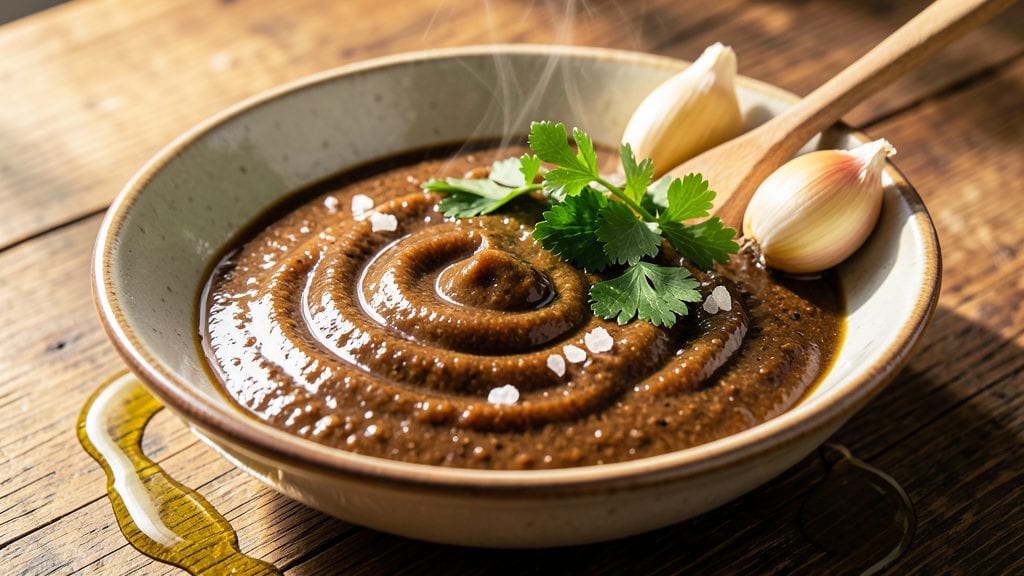
This anchovy sauce recipe transforms simple ingredients into a concentrated umami bomb that turns ordinary dishes into something extraordinary. The secret lies in balancing salty, briny anchovies with bright acidity and rich olive oil—creating a sauce that enhances pasta, pizza, and even grilled meats without overpowering them.
I developed this version after realizing how much flavor a single spoonful could add to my cooking, making it a must-have in any kitchen.
The process is straightforward but requires patience: anchovies dissolve into warm oil, then emulsify with vinegar or lemon juice for stability. Garlic and herbs add depth, while a touch of sugar balances the saltiness.
What you’ll end up with is a silky, velvety sauce that clings to every bite, amplifying flavors rather than dominating them. This isn’t just a condiment—it’s a flavor multiplier.
Perfect for drizzling over spaghetti, mixing into mayonnaise for sandwiches, or using as a dip for crusty bread, this sauce keeps well in the refrigerator for up to a week.
Freeze extras in ice cube trays for convenient, single-use portions. The key is letting the flavors meld before using it—trust the process, and you’ll never go back to store-bought versions.
Once you master this technique, you’ll find yourself reaching for it in unexpected places—think seafood dishes, roasted vegetables, or even as a finishing touch for soups. The umami depth it brings is unmatched by any bottled sauce, and the simplicity of the ingredients makes it foolproof.
Let’s get started on creating your own flavor-packed sauce.
Ingredients for anchovy sauce
Eight simple ingredients transform into a restaurant-quality umami sauce that elevates everything from pasta to pizza.
| Ingredient | Amount | Notes |
|---|---|---|
| Canned Anchovy Fillets 🐟 | 4 oz | High-quality, packed in oil |
| Extra-Virgin Olive Oil 🫒 | ½ cup | Fruity, not bitter |
| Fresh Garlic Cloves 🧄 | 3 cloves | Peeled, minced fine |
| White Wine Vinegar 🍷 | 2 tbsp | Dry, not sweet |
| Granulated Sugar 🍚 | ½ tsp | Balances saltiness |
| Fresh Parsley Leaves 🌿 | ¼ cup | Finely chopped, stems removed |
| Diamond Crystal Kosher Salt 🧂 | ¼ tsp | Adjusts to taste |
| Fresh Lemon Juice 🍋 | 1 tbsp | Brightens the sauce |
| Red Pepper Flakes 🌶️ | ¼ tsp | Optional, for heat |
The anchovies make or break this sauce. Look for high-quality fillets packed in oil—avoid those tiny canned anchovies in water, which lack depth. Costco or well-stocked Italian markets carry the best brands like Colosimo or Contadina. Fresh garlic and parsley are non-negotiable here—they add brightness that cuts through the saltiness. If you're using dried parsley, double the amount and pulse it finely in a food processor to mimic fresh texture. The olive oil should be fruity, not bitter; California extra-virgin brands like Corto or Pompeian work perfectly. Skip the pre-minced garlic—it oxidizes fast and adds bitterness.
No white wine vinegar? Substitute lemon juice at double the amount, but the acidity will be sharper. Short on sugar? Swap for honey or maple syrup at half the quantity—just remember it’ll be sweeter. The red pepper flakes are optional, but if you omit them, add an extra pinch of salt. Want more depth? Add a splash of anchovy oil (the oil the fillets are packed in) for extra umami. The sauce thickens as it cools, so if it seems too thin while making, let it sit for 10 minutes before adjusting. And trust me, the first time you taste this, you’ll wonder how you ever lived without it.
This sauce keeps beautifully—up to 1 week in the fridge if stored in a sealed jar with a layer of olive oil on top. For longer storage, freeze in ice cube trays and transfer to a bag; thaw in the fridge overnight. The flavors deepen over time, so leftovers often taste even better the next day. I like to make a double batch and keep it in the pantry for quick pasta nights. Just remember, once opened, the anchovies lose potency after about 2 weeks, so use them up or freeze the sauce. A little goes a long way—start with a teaspoon and adjust to taste.
Why You'll Love This Recipe
- Five-Ingredient Magic: I swear, this sauce comes together while you’re still debating whether to take the trash out. Just mash those anchovies with olive oil, minced garlic, and a splash of vinegar—no blender, no fuss. The sugar balances the saltiness in one quick stir, and boom, you’re done.
- Umami Bomb: That first bite? Pure flavor explosion. The anchovies bring deep, salty richness, while the garlic and vinegar cut through with bright, tangy punch. Honestly, it’s the kind of sauce that makes you pause mid-bite and think, “Wait, I made this?”
- Pantry To The Rescue: No fresh herbs? No problem. This sauce thrives on simplicity, and it’s my go-to when I’ve got nothing but basics. Drizzle it over pasta, toss it with roasted veggies, or even slather it on toast—it’s the ultimate lazy-day hero.
- Leftovers That Won’t Let You Down: Make a big batch (it keeps for weeks in the fridge) and use it all week. The flavors only get better as it sits, and a little goes a long way. Between us, I’ve turned this into a habit—always a jar in my fridge, ready to elevate whatever’s on the menu.
Step-by-step instructions for anchovy sauce recipe
Here's how to craft this intensely flavorful sauce that transforms simple dishes into umami masterpieces.
Prepare the Anchovy and Garlic Base
In a small saucepan, combine the 4 oz canned anchovy fillets with the 0.5 cup extra-virgin olive oil over low heat. Gently warm for 2-3 minutes until the anchovies begin to dissolve completely into the oil. This creates the foundational umami richness that defines the sauce.
Using a fine-mesh strainer, carefully strain out the anchovy bones, pressing gently on the anchovies to extract every bit of flavor. Discard the bones and return the strained oil to the saucepan. Add the 3 cloves minced fresh garlic cloves and cook for 30 seconds until fragrant but not browned—this prevents bitterness while developing flavor. Keep the heat low to avoid burning the delicate garlic.
Build the Sauce with Acid and Sweetness
Remove the saucepan from heat and stir in the 2 tbsp white wine vinegar and 0.5 tsp granulated sugar. The vinegar brightens the anchovy's intensity while the sugar subtly balances the saltiness. Return the pan to low heat and let the mixture simmer gently for 2 minutes, allowing the flavors to meld together.
Here's where the sauce transforms from ordinary to extraordinary. Taste the mixture at this stage—it should be deeply savory with a bright acidity. If it tastes too sharp, add a pinch more sugar. If it needs more depth, return the pan to heat for another 30 seconds to concentrate the flavors further.
Finish with Fresh Herbs and Brightness
Remove the sauce from heat completely and stir in the 0.25 cup finely chopped fresh parsley leaves and 1 tbsp fresh lemon juice. The parsley adds freshness that cuts through the richness, while the lemon juice prevents the sauce from tasting flat. Add the 0.25 tsp diamond crystal kosher salt and 0.25 tsp red pepper flakes, adjusting to taste—this is where you can customize the heat level to your preference.
The sauce should now have a glossy, velvety texture with layers of umami, brightness, and subtle heat. If it's too thick, whisk in 1-2 teaspoons of warm water to achieve a pourable consistency. For best results, use the sauce immediately, but it will keep in the refrigerator for up to 5 days in an airtight container.
Pro Tips For Making Anchovy Sauce
- Mince Garlic Like Mad: I used to smash those cloves flat with the side of my knife—big mistake. For this sauce, you want the garlic finely minced, almost like wet sand. Pulse it in a food processor for 3-4 seconds (don’t overdo it, or you’ll get paste), then toss it straight into the olive oil. That way, it infuses faster and doesn’t burn before the anchovies even hit the pan.
- Rinse Anchovies First: The salt in canned anchovies can make this sauce taste like a brine bomb if you’re not careful. Drain them, then give each fillet a quick rinse under cold water while you’re chopping garlic. Pat them very dry with a paper towel—wet anchovies steam instead of sizzle, and you’ll end up with a watery sauce. Trust me, this is the thing that matters most.
- Simmer, Don’t Boil: After adding the vinegar and sugar, the sauce needs to simmer gently for at least 3 minutes. If you let it boil, the vinegar’s acidity will turn harsh, and the sugar will crystallize instead of dissolving. Keep the heat at a low bubble—just enough to see tiny, steady ripples. I know, I know, but trust the process.
- Swap Vinegar for Lemon: Running out of white wine vinegar? A splash of fresh lemon juice (about 1 tablespoon) works in a pinch—it brightens the sauce just as well and cuts through the anchovies’ saltiness. Just reduce the sugar by half a teaspoon, since lemon’s naturally sweeter. Not the prettiest method, but it’s the tastiest when you’re in a hurry.
Common mistakes when making this recipe
Overcooking Anchovies
Anchovies are delicate and cook in seconds—any longer, and they turn bitter. I once ruined a batch by letting them sit in hot oil for 4 minutes instead of 2-3 minutes.
The sauce ended up tasting metallic and harsh. Keep the heat low and remove the pan immediately after the anchovies dissolve completely. 🔥
Skipping the Straining Step
Leaving anchovy bones in your sauce adds a gritty texture that’s unpleasant in the mouth. I learned this the hard way when I rushed through the straining process. Use a fine-mesh strainer and press gently on the anchovies to extract every bit of flavor without transferring bones.
This step makes all the difference between a smooth sauce and one that feels like you’re eating sand. 🌊
Using Low-Quality Anchovies
Not all anchovies are created equal. Those tiny, cheap canned anchovies in water lack depth and flavor. I used them once and was disappointed—my sauce tasted flat. Invest in high-quality fillets packed in oil, like Colosimo or Contadina, which you can find at Costco or Italian markets.
The difference is night and day. 🐟
Ignoring the Emulsification Process
Anchovy sauce needs acid (vinegar or lemon juice) to stabilize the oil and create a silky texture. Without it, the sauce will separate into oily and watery layers. I once made a batch without enough vinegar, and the sauce broke completely.
Start with the 2 tbsp white wine vinegar and adjust as needed—this is what gives the sauce its glossy, velvety finish. 💫
Over-Salting or Under-Salting
The anchovies are already salty, so adding too much salt can make the sauce inedible. I once doubled the salt and had to dilute the entire batch with extra olive oil to fix it. Taste as you go and adjust gradually.
If it’s too salty, a splash of lemon juice or vinegar can help balance it. If it’s bland, add a pinch more salt or a tiny bit of anchovy oil for extra umami. 🧂
Not Letting the Sauce Rest
Freshly made anchovy sauce tastes amazing, but it’s even better after resting for 10-15 minutes. The flavors meld and thicken slightly, giving it a more refined texture.
I used to serve it immediately and missed out on that deeper, richer taste. Let it sit before using it—your taste buds will thank you. ⏳
Nutrition facts
Frequently asked questions
Can I make this anchovy sauce without vinegar?
The white wine vinegar is essential for balancing the anchovies' saltiness and helping the sauce emulsify properly. If you absolutely must omit it, substitute with 2 tbsp lemon juice (double the amount) or 1 tbsp balsamic vinegar, but the sauce may separate slightly. For stability, whisk in 1 tsp cornstarch mixed with 1 tsp water to thicken it.
How much anchovy sauce should I use for pasta?
Start with 1-2 teaspoons per serving and adjust to taste. This sauce is potent—think of it as a flavor enhancer rather than a primary sauce. For 16 oz pasta, 1 tbsp sauce mixed with 2 tbsp olive oil works perfectly. Toss it in at the end to preserve its brightness.
Can I freeze anchovy sauce?
Yes! Freeze in ice cube trays for single-use portions or in a sealed jar. Thaw overnight in the fridge—never at room temperature. The texture may separate slightly after freezing, but whisking it back together restores its smoothness. It keeps for 3 months in the freezer with minimal flavor loss.
What’s the best way to remove anchovy flavor if my sauce is too strong?
Add a splash of lemon juice or vinegar to brighten the flavor, or thin it with 1-2 tsp warm water to dilute the intensity. For a more dramatic fix, whisk in 1 tsp honey or maple syrup to balance the saltiness. If all else fails, start fresh with a smaller batch.
Is this sauce vegan-friendly?
No, this recipe contains anchovies, which are a seafood product. For a vegan alternative, try a soy sauce + miso paste blend with garlic and vinegar. The umami profile won’t be identical, but it achieves a similar savory depth.