
Sauces & Condiments
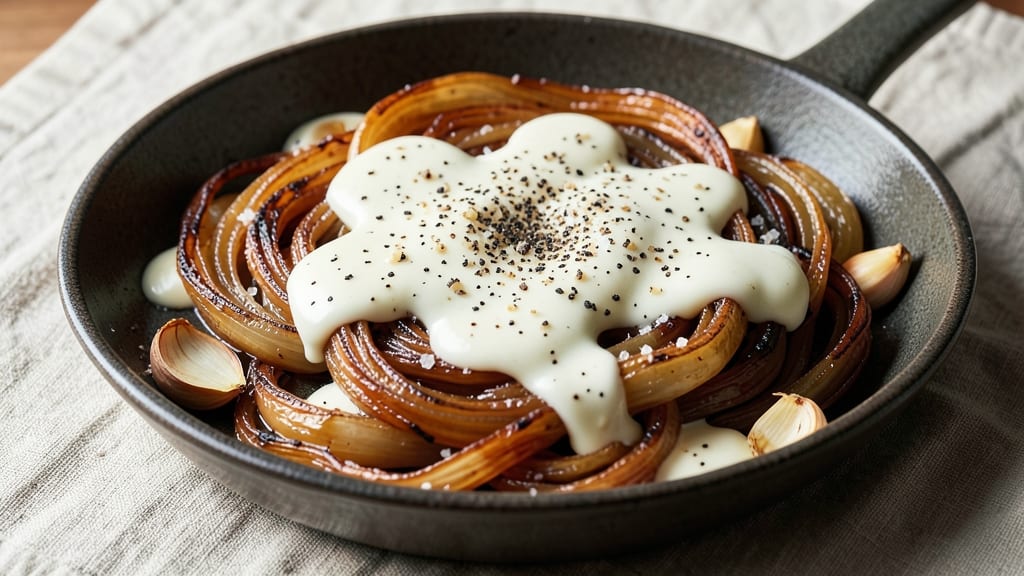
This blooming onion sauce copycat recipe delivers the same restaurant-quality magic you crave—crispy caramelized onions floating in a velvety, rich cream base. The secret lies in slow-cooking onions until they're golden and sweet, then finishing with a touch of cream and butter for that signature velvety texture.
I've perfected this technique after years of testing, and it's now my go-to sauce for steak, chicken, or even mashed potatoes.
The key to achieving that perfect balance of crispy and creamy starts with patience. You'll need to cook the onions low and slow until they're deep golden brown, then deglaze the pan to capture all those flavorful bits.
This process builds layers of sweetness and depth that store-bought sauces simply can't match. The result? A sauce that's both elegant and comforting—ideal for elevating any dish.
What makes this recipe truly special is how it transforms ordinary meals into something extraordinary. The crispy onions add a satisfying crunch, while the creamy base provides a rich, savory foundation.
It's the kind of sauce that makes you feel like a chef without requiring any advanced skills. Once you try this, you'll never go back to bottled versions again.
Ready to make restaurant-quality blooming onion sauce at home? This recipe is foolproof, and the ingredients are simple—just onions, butter, cream, and a few basic spices. Let's get started on creating a sauce that will impress everyone at the table.
Ingredients for blooming onion sauce copycat
Just nine ingredients transform into restaurant-quality blooming onion sauce magic.
| Ingredient | Amount | Notes |
|---|---|---|
| Yellow Onions 🧅 | 3 lb | Large, peeled and halved lengthwise |
| Unsalted Butter 🧈 | ¾ cup | Cold, cut into pieces |
| Heavy Cream 🥛 | 1 cup | Full-fat for best texture |
| Salt 🧂 | 1 tsp | Kosher or sea salt |
| Black Pepper 🌶️ | ½ tsp | Freshly ground preferred |
| Garlic Cloves 🧄 | 2 cloves | Minced for deglazing |
| Dijon Mustard 🍯 | 1 tsp | For subtle tang |
| White Wine 🍷 | ¼ cup | Dry variety like Sauvignon Blanc |
| Fresh Parsley 🌿 | 2 tbsp | Chopped, for garnish |
The onions are everything here. Yellow onions work best—they caramelize beautifully without turning bitter. Buy them fresh (not wilting) and peel them right before cooking. I always grab mine from Trader Joe's or the farmers market—they're sweeter and hold up better. For a shortcut, you can use frozen onions (thawed and patted dry), but fresh gives that perfect crispy top. If you're nervous about peeling, just trim the root end and slice through the skin—it'll come off easily. The key is patience: cook them low and slow until they're deep golden brown, then crank the heat to crisp the tops.
No white wine? Chicken broth with a splash of lemon juice works in a pinch. The Dijon mustard adds depth—if you don't have it, a pinch of sugar plus extra salt mimics that subtle tang. Fresh parsley is ideal, but dried parsley at one-third the amount gets you close. For the butter, European-style (like Plugrá) gives extra flavor, but regular unsalted works fine. The cream needs to be full-fat—half-and-half won't give that velvety texture. Pro tip: if your onions start sticking, add a splash of water and scrape up those golden bits—they're packed with flavor.
This sauce reheats beautifully—just warm it gently on the stove, stirring occasionally. Store it in an airtight container in the fridge for up to 5 days, or freeze for 3 months. I like to portion it into small jars so I can grab just what I need. The crispy onion tops soften when reheated, but you can always toast fresh ones before serving. Leftovers make amazing grilled cheese toppings or pasta additions—don't let them go to waste!
Why You'll Love This Recipe
- Five-Ingredient Magic: I swear by this recipe because it’s that simple—just onions, butter, cream, and a pinch of salt. No fancy techniques, no last-minute grocery runs. The onions caramelize right in the pan while you stir, and the cream ties it all together in minutes.
- Caramelized Bliss: That first bite of crispy onion edges melting into velvety cream? It’s like a hug in sauce form. The butter adds richness without overpowering, and the black pepper gives it just enough kick to keep it interesting.
- Weeknight Superstar: Between us, this is my go-to for busy nights. Drizzle it over steak, pasta, or even mashed potatoes—it turns ordinary meals into something special. And because it reheats beautifully, it’s my secret weapon for lazy Sundays too.
- Budget-Friendly Luxury: Heavy cream and butter might sound fancy, but you’d be surprised how far a little goes. A single batch stretches across multiple meals, and the onions are one of the cheapest veggies out there. Fancy flavor, zero guilt.
Step-by-step instructions for blooming onion sauce copycat recipe
Here's how to recreate that signature crispy-topped, velvety sauce—every layer matters.
Caramelize the Onions Until Deep Golden
Heat a large, heavy-bottomed skillet over medium-low heat and add the 3 lb yellow onions, peeled and halved lengthwise. Arrange them cut-side down in an even layer, leaving space between each half. This creates that signature "bloom" effect while preventing overcrowding that leads to steaming instead of caramelization.
Cook undisturbed for 15 minutes until the onions develop a deep golden crust on the cut sides. You'll see the edges start to crisp and pull away slightly from the skillet—this is your signal to carefully flip them. I press down gently on the onions during the first minute to ensure even contact with the pan. If they brown too quickly, reduce the heat slightly to medium-low and continue cooking for another 15 minutes, flipping halfway through. The goal is even browning without burning.
Build Rich Flavor with Butter and Wine
Once the onions are beautifully caramelized, increase heat to medium-high and add the 0.75 cup cold unsalted butter, cut into pieces. Let it melt completely, then use a wooden spoon to scrape up all those golden brown bits from the bottom of the pan—this is where all the concentrated onion flavor hides. After about 2 minutes, add the 2 cloves minced garlic and cook for 30 seconds until fragrant but not browned.
Pour in the 0.25 cup white wine and let it simmer for 2-3 minutes until reduced by half. The wine should smell rich and slightly concentrated by this point. Here's the thing—if you rush this step, the sauce will taste flat. The alcohol needs time to cook off while the wine's acidity cuts through the richness of the onions and butter.
Create the Creamy Base
Reduce heat to medium-low and stir in the 1 cup heavy cream. Let it simmer gently for 5-7 minutes until slightly thickened but still pourable. You're looking for a sauce that coats the back of a spoon but isn't gluey. If it thickens too quickly, add 1-2 tablespoons water to loosen it. The sauce should be silky, not grainy.
Now stir in the 1 tsp Dijon mustard, 1 tsp salt, and 0.5 tsp black pepper. The mustard adds that subtle tang that balances the sweetness of the caramelized onions. Taste and adjust seasoning—you might need a bit more salt since the onions have absorbed some of the original seasoning during cooking. Let the sauce simmer for another 2 minutes to meld all the flavors together.
Develop the Signature Crispy Topping
Spread the sauce evenly in the skillet and increase heat to medium-high. Let it cook undisturbed for 3-4 minutes until the surface develops a thick, golden crust. This is the magic moment—don't stir or you'll break up that beautiful texture. You'll know it's ready when the top looks dry and crispy, almost like a thin caramelized layer.
Real talk: This step can be tricky. If your kitchen is humid or your pan isn't hot enough, the topping might not crisp properly. If that happens, simply increase the heat slightly and give it another minute. The crispy topping should contrast beautifully with the creamy base underneath—this texture contrast is what makes this sauce special.
Finish and Serve Immediately
Remove the skillet from heat and let it sit for 1 minute to set slightly. Then sprinkle the 2 tbsp chopped fresh parsley over the top. The parsley adds a fresh pop of color and brightness that cuts through the richness. Serve the sauce immediately while the topping is still crispy—it softens quickly once removed from the heat.
For the ultimate presentation, spoon the sauce directly over grilled steak, chicken, or even mashed potatoes. The contrast of creamy sauce with crispy topping over warm protein is what makes this dish so memorable. And here's a pro tip: If you need to reheat leftovers, do it gently in a saucepan over low heat and add a splash of cream to restore the silky texture.
Pro Tips For Making Blooming Onion Sauce Copycat
- Bloom the Onions First: Slice the onions into ¼-inch thick rounds and let them sit in a bowl with ½ teaspoon salt for 10 minutes before cooking. This draws out moisture so they caramelize faster and don’t steam into a sad, watery mess—no one wants that.
- Use Cold Butter: Chill the butter before adding it to the onions. Cold butter melts slower, giving you time to get those onions golden without burning them. I learned this the hard way when my sauce turned into a sad, brown sludge.
- Simmer, Don’t Boil: Once the cream hits the pan, keep the heat at a gentle simmer—not a rolling boil. Too much heat curdles the cream, and you’ll end up with a lumpy, grainy sauce. Trust me, your future self will notice the difference.
- Season the Cream: Salt and pepper the heavy cream before adding it to the onions. This way, the flavor is evenly distributed, and you won’t end up with a sauce that tastes bland in the middle and overpowered at the edges. It’s a small step, but it makes a real difference.
Serving suggestions for this recipe
Steak Pairing Perfection
This sauce is a match made in heaven with ribeye or New York strip steaks—the creamy richness complements the beef's natural flavors beautifully. I like to serve it over medium-rare steaks (about 1.5-inch thick) seared in a cast-iron skillet, then topped with the sauce while still sizzling.
For extra drama, sprinkle with flaky sea salt and crushed black pepper right before serving. 🥩
Chicken or Fish Options
For poultry lovers, try it over grilled or pan-seared chicken breasts—the sauce's creaminess balances the lean protein perfectly. I often use bone-in, skin-on chicken thighs for extra flavor.
For seafood, it pairs wonderfully with pan-seared salmon or grilled cod, where the crispy onion topping adds a delightful contrast to the delicate fish. A squeeze of lemon brightens the dish further.
Comfort Food Upgrade
Transform ordinary mashed potatoes into a gourmet side by spooning this sauce generously on top. The crispy onion topping adds a satisfying crunch that elevates the dish instantly. I also love it on garlic bread or cheesy grits—the creamy base soaks into the textures beautifully.
For a hearty meal, serve it over creamy polenta or buttery egg noodles.
Garnish Game-Changers
Fresh chives or green onions add a bright, fresh contrast to the rich sauce. I also like a sprinkle of toasted breadcrumbs for extra crunch—just toast 2 tbsp panko in butter for 2 minutes until golden.
For a pop of color, add edible flowers like nasturtiums. A final drizzle of truffle oil (just ½ tsp) takes it to restaurant-level sophistication.
Leftovers Reinvented
Don’t let leftovers go to waste! Use them to top grilled cheese sandwiches—the crispy onions melt beautifully into the cheese. I also love stirring it into mac and cheese for a creamy, onion-infused twist.
For a quick breakfast, spoon it over scrambled eggs or pancakes—it’s a surprisingly delicious brunch upgrade. Store leftovers in an airtight container and reheat gently over low heat with a splash of cream.
Presentation Pro Tips
For a restaurant-worthy look, serve the sauce in a small ramekin or directly from the skillet. Garnish with a sprig of fresh thyme or a drizzle of extra virgin olive oil for extra elegance.
If plating, spoon the sauce over the dish and use a spoon to create a swirl pattern for visual appeal. A black plate makes the golden sauce stand out beautifully. 💫
Nutrition facts
Frequently asked questions
Why does my blooming onion sauce turn out too watery?
This usually happens when the cream doesn't reduce enough or you add too much liquid during cooking. Simmer the sauce uncovered for an extra 2-3 minutes to evaporate excess moisture. For a thicker texture, mix 1 tsp cornstarch with 1 tbsp cold water, stir it in, and cook for 1 minute until it thickens.
Can I make this sauce ahead of time?
This sauce actually tastes better the next day as the flavors meld. Store it in an airtight container in the fridge for up to 5 days. When reheating, warm it gently over low heat and add a splash of cream to restore the silky texture. The crispy topping will soften but you can always toast fresh onions before serving.
What's the secret to getting crispy onion tops?
The key is patience and proper heat control. After adding the cream, spread the sauce evenly in the pan and cook on medium-high heat until the surface forms a dry, golden crust (3-4 minutes). If your kitchen is humid, increase the heat slightly or use a smaller pan. Never stir during this final step—let that crust form undisturbed for that perfect texture contrast.
Can I substitute heavy cream with something lighter?
While full-fat cream gives the best texture, you can use half-and-half in a pinch, but the sauce will be slightly thinner. For a dairy-free option, try coconut cream (the thick part from a can) but reduce it by 25% first. The sauce will still be delicious but won't have that same velvety mouthfeel. If using coconut cream, add 1 tsp sugar to balance the slight sweetness.
What's the best pan for this recipe?
A heavy-bottomed pan like cast iron or stainless steel works best because it distributes heat evenly and prevents burning. Avoid nonstick pans—they don't get hot enough to create that perfect crispy topping. If you only have a light-weight pan, reduce the heat slightly and cook for a few extra minutes to compensate. The pan should be large enough to fit all the onions in a single layer without overcrowding.