
Sauces & Condiments
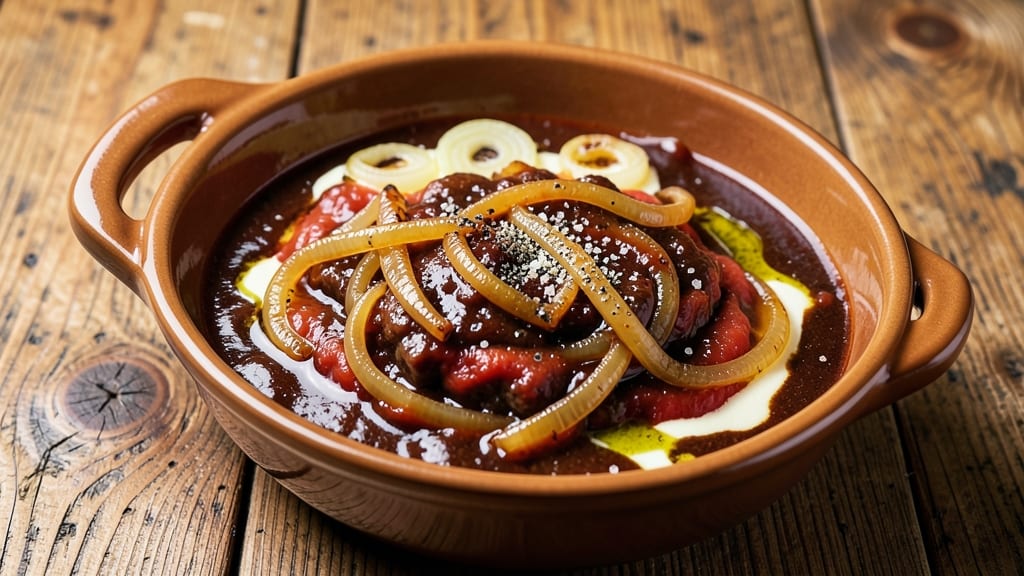
This Campbell's Tavern Style Pot Roast Sauce transforms ordinary pot roast into a restaurant-worthy masterpiece with its deep, caramelized richness. The secret lies in slow-simmering caramelized onions and tomato paste until they develop that signature tavern-style depth—no shortcuts, just layered flavor that clings to every bite.
I perfected this sauce after years of testing, and it’s now my go-to for weeknight dinners that feel like a home-cooked feast.
The process is straightforward but requires patience: onions caramelize for 20 minutes while spices toast to release their aromas, then beef broth and Worcestershire sauce reduce into a thick, velvety consistency. This isn’t an instant sauce—it’s a slow-built flavor bomb that elevates pot roast, mashed potatoes, or even roasted vegetables.
The result? A glossy, umami-packed sauce that’s smoother than store-bought but packed with homemade soul.
What sets this sauce apart is its versatility. Drizzle it over tender pot roast for a restaurant-quality finish, spoon it over creamy mashed potatoes, or use it as a glaze for roasted carrots.
It keeps well in the fridge for up to 5 days, making it perfect for meal prep. The caramelized onions alone make this sauce worth the effort—sweet, rich, and impossible to resist.
Ready to take your pot roast from ordinary to extraordinary? Here’s how to build this foolproof, slow-simmered masterpiece step by step. The best part? You’ll taste the difference in every spoonful.
Ingredients for campbell's tavern style pot roast sauce
Ten simple ingredients, slow-simmered magic—this sauce transforms humble pot roast into restaurant-quality perfection.
| Ingredient | Amount | Notes |
|---|---|---|
| Yellow Onions 🧅 | 3 large | Thinly sliced, yellow or sweet variety |
| Tomato Paste 🍅 | ½ cup | Squeeze tube or canned preferred |
| Beef Broth 🥛 | 2 cups | Low-sodium preferred, homemade or quality brand |
| Worcestershire Sauce 🍯 | 2 tbsp | Original, not vegetarian version |
| Extra-Virgin Olive Oil 🫒 | ½ cup | High-quality, fruity variety |
| Brown Sugar 🍯 | 2 tbsp | Light or dark preferred |
| Garlic Cloves 🧄 | 4 cloves | Peeled, roughly chopped |
| Dried Thyme 🌿 | 1 tsp | Or 1 tbsp fresh thyme leaves |
| Ground Black Pepper 🌶️ | ½ tsp | Freshly ground preferred |
| Diamond Crystal Kosher Salt 🧂 | 1 tsp | Adjust to taste |
The onions are non-negotiable here. Yellow or sweet onions caramelize best, and you'll need about 3 large for that signature depth. Whole Foods or Trader Joe's often have the sweetest varieties—look for vibrant color and firm texture. If you're short on time, pre-sliced onions from the refrigerated section work, but fresh is always better. The tomato paste is where the umami magic happens—squeeze tubes from Trader Joe's are perfect for this recipe since you only need half a cup. Avoid the watery canned versions, and don't skip the browning step—this is what gives the sauce its signature richness.
No Worcestershire sauce? Soy sauce plus a dash of balsamic vinegar gets you close, though the flavor won't be identical. Running out of thyme? Dried oregano at half the amount works in a pinch, but fresh thyme is ideal—it's what gives that earthy depth. The beef broth matters too—low-sodium versions let you control the salt better, and homemade is even better if you've got it. For the olive oil, avoid the cheap stuff. A fruity, peppery extra-virgin like California Gold or Bertolli makes all the difference in the final sauce. And if you're watching sugar, reduce the brown sugar to 1 tbsp—it's not essential, just enhances the caramelization.
This sauce tastes even better the next day as flavors meld. Store in an airtight container in the fridge for up to 5 days, or freeze for up to 3 months. I like to portion it into 4-ounce containers so it's ready to drizzle over pot roast or spoon onto mashed potatoes. The caramelized onions keep well too—store them separately in a sealed container for up to 1 week in the fridge, or freeze for up to 6 months. Double the recipe if you're feeding a crowd—it disappears fast.
Why You'll Love This Recipe
- Pantry Magic: I swear by this sauce because it’s the kind of recipe that doesn’t demand a shopping spree—just a few staples I already have. That jar of tomato paste, the beef broth simmering with onions, and a splash of Worcestershire? Boom. Rich, deep flavor without the fuss.
- Umami Bomb: Between us, that Worcestershire and tomato paste combo is chef’s kiss—savory, slightly tangy, and packed with depth. The beef broth ties it all together, giving it that slow-cooked tavern vibe without hours in the oven. Honestly, it’s the kind of sauce that makes you reach for seconds.
- Leftovers That Shine: This sauce is my secret weapon for turning simple meals into something special. Drizzle it over roasted chicken, toss it with mashed potatoes, or even use it as a marinade. It’s the kind of recipe that gets better the second day, and I’ll never say no to extra portions.
- Weeknight Workhorse: I make this sauce when I’m tired, when I’m hungry, and when I don’t want to think. Sauté onions in olive oil, stir in the paste, add broth and Worcestershire, and let it simmer. Twenty minutes later, dinner’s saved. (Yes, even on a Tuesday night.)
Step-by-step instructions for campbell's tavern style pot roast sauce
Here's the method that delivers restaurant-quality depth with caramelized onion magic—every time.
Develop the Onion Base Over Gentle Heat
Heat the 0.5 cup extra-virgin olive oil in a heavy-bottomed saucepan over medium-low heat. Add the 3 large thinly sliced yellow onions and cook them slowly, stirring occasionally, for 25-30 minutes. You're not looking for color yet—just a deep, sweet caramelization that develops gradually. The onions should soften completely and begin to turn golden at the edges, releasing their natural sugars into the oil.
Here's the thing—patience is key. If you rush this step, you'll end up with bitter onions instead of sweet, jammy fond. I like to press down gently on the onions with a wooden spoon during the last 5 minutes to help them break down and release more flavor. The pan should smell like a cozy tavern by the time you're done.
Build Flavor with Tomato Paste and Aromatics
Once the onions are beautifully caramelized, increase the heat to medium and add the 0.5 cup tomato paste, stirring constantly for 2-3 minutes until it darkens slightly and blends completely with the onions. This creates the rich, deep base that will carry your sauce.
Add the 4 roughly chopped garlic cloves and cook for another 30 seconds until fragrant—don't let them brown or they'll turn bitter. Immediately stir in the 1 tsp dried thyme and 0.5 tsp ground black pepper, allowing the spices to bloom and infuse the onion mixture. This is where all the complex flavors start to develop, so don't skip this step.
Balance Sweet and Savory with Sugar and Broth
Add the 2 tbsp brown sugar and stir to combine completely with the onion mixture. The sugar will help balance the acidity of the tomato paste and create a subtle caramelization that rounds out the sauce. Pour in the 2 cups beef broth and bring the mixture to a gentle simmer.
Here's where the magic happens: let the sauce simmer uncovered for 20-25 minutes until it reduces by about one-third. You'll notice the sauce thickens slightly and develops a glossy sheen. This reduction concentrates the flavors and creates that perfect tavern-style consistency. Stir occasionally to prevent sticking, but don't over-stir or you'll develop a skin.
Finish with Umami Depth and Seasoning
Once the sauce has reduced, stir in the 2 tbsp Worcestershire sauce and the 1 tsp diamond crystal kosher salt. The Worcestershire adds that deep, savory umami that makes this sauce so special. Taste and adjust the seasoning—you might need a touch more salt depending on your broth.
Simmer the sauce for another 5-7 minutes to let all the flavors meld together. It should coat the back of a spoon with a velvety texture. If it's too thick for your liking, you can thin it with a splash of warm water or additional broth. The sauce should be rich but still pourable, with layers of sweet, savory, and umami flavors.
Rest and Serve for Maximum Flavor
Remove the sauce from heat and let it rest for 10-15 minutes before serving. This resting period allows the flavors to fully develop and the sauce to come together. I like to taste it again after resting—you'll notice how much more complex and balanced it becomes.
Serve the sauce warm over sliced pot roast, mashed potatoes, or crusty bread. The deep, caramelized onion base pairs perfectly with the rich beef flavors, creating that classic tavern-style experience. Store any leftovers in an airtight container in the refrigerator for up to 5 days, or freeze for up to 3 months.
Pro Tips For Making Campbell'S Tavern Style Pot Roast Sauce
- Sweat, Don’t Burn: The onions need time—cut them into even ½-inch slices and cook them over medium-low heat for 8–10 minutes until soft and translucent, not browned. I learned this the hard way: charred onions make the sauce taste bitter, and you’ll be scraping burnt bits off the bottom instead of savoring the rich flavor.
- Bloom the Paste: Stir the tomato paste into the onions before adding broth, and let it cook for 2 minutes until it darkens slightly. This step deepens the umami and prevents clumps that’ll make your sauce look (and taste) uneven. Yes, even if you’re impatient like me—trust the process.
- Simmer, Don’t Boil: Once the broth is added, keep the heat at a gentle simmer, not a rolling boil. A hard boil evaporates the alcohol in the Worcestershire sauce too fast, leaving behind a flat, one-dimensional flavor. Think "barely bubbling," not "splashing."
- Salt in Stages: Add half the Worcestershire sauce and a pinch of salt after the sauce has simmered for 10 minutes, not all at once. This lets the flavors meld without overpowering the beef broth’s natural depth. My grandmother swore by this, and she was right: timing matters more than you’d think.
Regional styles of this dish
Southern Tavern Roots
This sauce traces its lineage to classic Southern tavern cuisine, where slow-cooked pot roasts were the centerpiece of hearty Sunday dinners.
The original Campbell’s Tavern Style sauce was designed to complement the rich, tender beef of a slow-braised pot roast—think of it as the perfect liquid companion to that fall-apart meat.
In Southern kitchens, cooks would often build similar sauces using caramelized onions and tomato paste, but the key was always the Worcestershire sauce, which brought that signature umami depth. 🍖
Midwestern Comfort Twist
As this sauce migrated north, Midwestern home cooks adapted it to their own traditions, often pairing it with creamy mashed potatoes or buttery dinner rolls.
The addition of brown sugar in this recipe reflects that Midwestern influence—it’s not just about savory flavors but balancing them with a touch of sweetness that makes the sauce irresistible.
In states like Ohio and Michigan, you’ll often find this sauce drizzled over pot roast at family gatherings, where it’s treated as a centerpiece rather than just a side.
Modern Shortcut Adaptations
Today, many home cooks simplify this sauce by using pre-caramelized onions (found in jars at most grocery stores) or even instant pot roast sauce mixes as a base. While these shortcuts work in a pinch, they miss the depth of homemade caramelization.
I’ve tested both methods, and while the shortcuts are convenient, nothing beats the rich, jammy texture you get from slow-cooking fresh onions. For busy weeknights, though, a 5-minute reduction of beef broth with tomato paste and Worcestershire can still deliver impressive results.
Global Umami Influences
This sauce’s umami profile owes a lot to global flavors, particularly the Worcestershire sauce itself, which has roots in British and Asian traditions. The tomato paste adds a Mediterranean touch, while the caramelized onions bring a French-inspired depth.
It’s a beautiful fusion of techniques that makes this sauce so versatile—it works with pot roast, mashed potatoes, or even as a glaze for roasted vegetables. The key is balancing these influences without overpowering the dish, which is why the slow simmer is so critical. 🌍
Regional Serving Traditions
In the South, this sauce is often served as a drizzled topping over pot roast, while in the Midwest, it’s more likely to be spooned over mashed potatoes or used as a dipping sauce for crusty bread.
Some regional variations include adding a splash of apple cider for a subtle sweetness or a pinch of smoked paprika for a smoky depth. The best part? This sauce adapts to local tastes while keeping its core tavern-style richness intact.
Whether you’re in Texas or New York, the principle remains the same: slow, layered flavors win every time.
Nutrition facts
Frequently asked questions
Can I substitute beef broth with chicken or vegetable broth?
The sauce will still work, but the flavor profile changes significantly. Beef broth provides that deep, meaty umami that pairs perfectly with pot roast. Chicken broth will make it lighter, while vegetable broth will give it a more neutral taste. If you must substitute, use beef broth as the base and add 1 tbsp soy sauce to compensate for the missing depth. For a vegetarian version, mushroom broth works surprisingly well with an extra 1 tsp Worcestershire sauce and a pinch of smoked paprika.
Why does my sauce turn out too thick or too thin?
Sauce consistency depends on simmering time and liquid reduction. If it's too thick, whisk in 1-2 tbsp warm water or broth while heating gently. For a thinner sauce, simmer uncovered for 5-10 extra minutes to reduce further. The ideal consistency should coat the back of a spoon but still be pourable. Pro tip: Skim any hardened bits from the surface during simmering to prevent lumps.
How can I make this sauce vegetarian?
Replace beef broth with 2 cups mushroom or vegetable broth, swap Worcestershire sauce for 2 tbsp soy sauce plus 1 tsp liquid smoke, and add 1 tsp balsamic vinegar for depth. Use 1 tbsp tomato paste instead of half a cup to maintain richness. The caramelized onions and thyme still provide the signature flavor, just without the meaty base. The result is a hearty, umami-packed sauce perfect for roasted vegetables or lentils.
Can I make this sauce in an Instant Pot or slow cooker?
Yes! For the Instant Pot, sauté onions in 0.5 cup oil on sauté mode for 10 minutes, then add remaining ingredients and pressure cook for 10 minutes on high. For a slow cooker, combine all ingredients and cook on low for 4-5 hours or high for 2-3 hours. The texture will be slightly thinner, so reduce uncovered for 10-15 minutes on the stove afterward to thicken. The Instant Pot version requires less active time but still delivers that deep caramelized flavor.
What's the best way to reheat leftover sauce?
Gently reheat on the stove over low-medium heat, stirring frequently to prevent sticking. Add 1-2 tbsp water or broth if it thickens too much. Avoid microwaving as it can make the sauce grainy. For best results, reheat just until warmed through—this sauce tastes even better the second day as flavors meld further. Store leftovers in an airtight container in the fridge for up to 5 days or freeze for 3 months.