Sauces & Condiments
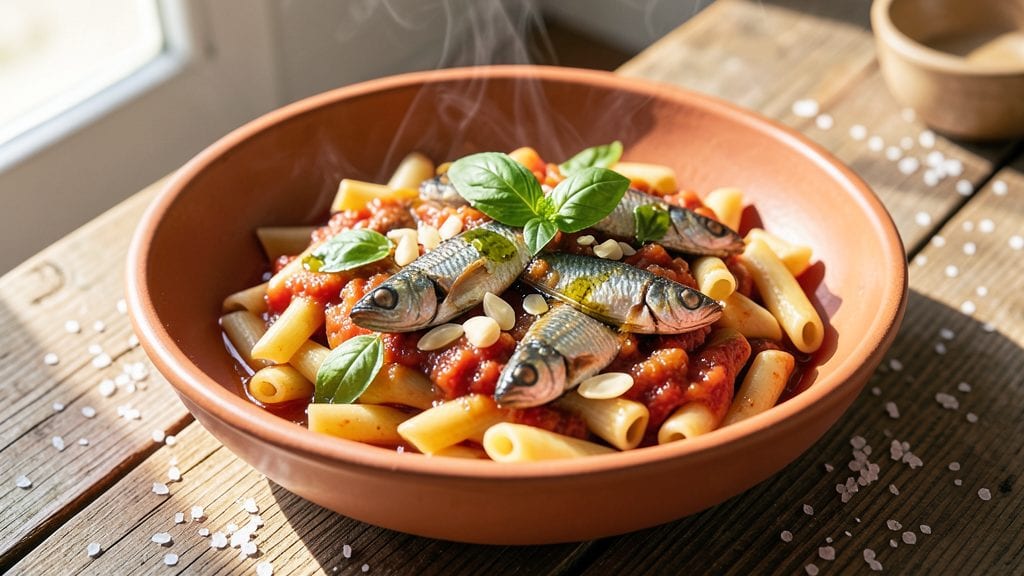
This canned sardines in tomato sauce pasta recipe turns simple, pantry staples into a rich, restaurant-worthy one-pot dish. The secret lies in letting the umami-rich sardines and tomato sauce work together—no fancy techniques required.
I developed this recipe during a particularly busy week when I needed a meal that came together faster than I could order takeout.
This 20-minute pasta relies on just four core ingredients: canned sardines, tomato sauce, pasta, and olive oil, with optional garlic and herbs for extra depth. The beauty of this method is its adaptability—use any pasta shape, swap in different canned fish, or adjust the sauce to your preference.
The sardines break down into flakes, creating a creamy, protein-packed sauce that coats every noodle.
What you'll end up with is a rich, savory pasta with tender sardines distributed throughout, offering a perfect balance of texture and flavor. The sauce clings to the pasta without needing heavy cream, making this dish both budget-conscious and packed with protein.
It's the kind of meal that feels indulgent yet comes together with minimal effort.
Perfect for weeknight dinners, meal prep, or feeding a crowd, this recipe proves that pantry staples can create impressive results. Let's get cooking with this one-pot wonder that delivers big on flavor and convenience.
Ingredients for canned sardines in tomato sauce pasta
Four core ingredients plus a few pantry staples transform into this umami-rich pasta masterpiece.
| Ingredient | Amount | Notes |
|---|---|---|
| Ditalini Pasta 🍝 | 12 oz | Small tubes for texture contrast |
| Canned Sardines in Olive Oil 🐟 | 2 cans | High-quality, no salt added preferred |
| Tomato Sauce 🍅 | 2 cups | San Marzano preferred for sweetness |
| Extra-Virgin Olive Oil 🫒 | ¼ cup | For finishing, fruity variety |
| Garlic Cloves 🧄 | 3 cloves | Fresh, minced for aroma |
| Fresh Basil Leaves 🌿 | ¼ cup | Chopped, for brightness |
| Red Pepper Flakes 🌶️ | ½ tsp | Adjust for heat preference |
| Kosher Salt 🧂 | 1 tsp | For seasoning balance |
| Black Pepper 🌶️ | ½ tsp | Freshly cracked for depth |
| Dried Oregano 🍃 | ½ tsp | Mediterranean variety preferred |
| Red Wine Vinegar 🍷 | 1 tbsp | Brightens the sauce |
| Parmesan Cheese 🧀 | ¼ cup | Freshly grated for serving |
The sardines are the star—opt for high-quality brands like Wild Planet or Crown Prince in olive oil for that rich, briny flavor. San Marzano tomato sauce elevates the dish with its natural sweetness and depth, but any good-quality jarred sauce works in a pinch. I always check the label for 'no salt added' sardines when possible, as it gives better control over seasoning. For the pasta, ditalini or small shells hold up best to the sauce's texture, but any short pasta shape will work. Fresh basil and garlic are non-negotiable for that authentic Italian touch, though dried oregano can substitute if needed.
No San Marzano? Crushed tomatoes with a pinch of sugar mimic the sweetness. Swapping sardines for anchovies or tuna works, though flavor will shift slightly. Short on fresh basil? Dried basil at one-third the amount works, but it lacks that bright pop. The red pepper flakes are optional but recommended—start with half the amount and adjust to taste. For a vegetarian version, swap sardines for extra tomato sauce and add mushrooms. The red wine vinegar adds brightness; if you don't have it, a splash of lemon juice works just as well.
This dish is best served immediately, but leftovers keep well in the fridge for 3-4 days, reheating gently with a splash of water or olive oil. For meal prep, portion into containers with a drizzle of olive oil on top to prevent drying. The sauce thickens as it cools, so add a splash of water or broth when reheating. Freezing isn't recommended due to the pasta's texture, but the sauce component can be frozen separately for up to 3 months if you're planning ahead.
Why You'll Love This Recipe
- Pantry Magic: I swear by this recipe when my fridge is bare—just open a can of sardines, dump in the ditalini, and let the tomato sauce do the work. No last-minute grocery runs, no stress.
- Umami Bomb: That first bite? The sardines’ briny punch against the garlic and olive oil—it’s like a Mediterranean hug in a bowl. Honestly, I’ll take this over any fancy pasta dish.
- Lunchbox Hero: Pack it cold for work or school—ditalini holds its shape, and the sardines keep it hearty. My kids actually eat it (no complaints about "weird fish" this time).
- Budget Win: A single can of sardines stretches this into three meals—breakfast toast, lunch pasta, and even a quick soup. I’ve fed my whole family for under $10 with this combo.
Step-by-step instructions for canned sardines in tomato sauce pasta
This one-pot method delivers bold Mediterranean flavors with minimal cleanup.
Toast the Garlic and Build the Sauce Base
Heat the 0.25 cup extra-virgin olive oil in a large pot over medium heat. Add the 3 minced garlic cloves and cook for 1-2 minutes until fragrant but not browned—just golden around the edges. This prevents bitter flavors and builds the aromatic foundation.
Stir in the 2 cups tomato sauce, 0.5 teaspoon dried oregano, 0.5 teaspoon red pepper flakes, 1 teaspoon kosher salt, and 0.5 teaspoon black pepper. Bring to a gentle simmer and let cook uncovered for 3 minutes to meld the flavors. The sauce should thicken slightly and develop a rich, savory aroma.
Cook the Pasta and Add Sardines
Add the 12 oz ditalini pasta to the simmering sauce, stirring to coat each piece evenly. Pour in 2 cups water (or enough to cover the pasta by about 1 inch) and bring to a rolling boil. Cook uncovered for 8-10 minutes, stirring occasionally, until the pasta is al dente—just slightly firm to the bite.
While the pasta cooks, open the 2 cans sardines in olive oil (keeping some of the oil) and drain them over a small bowl to reserve about 2 tablespoons of the oil. When the pasta reaches al dente, add the sardines and their reserved oil to the pot. Stir gently to distribute them evenly through the pasta.
Finish with Vinegar and Fresh Basil
Reduce the heat to low and stir in the 1 tablespoon red wine vinegar. This brightens the sauce and cuts through the richness of the sardines. Simmer for 2-3 minutes to let the vinegar integrate fully—you'll notice the sauce glisten slightly and the acidity mellow.
Remove from heat and fold in the 0.25 cup chopped fresh basil leaves. The basil wilts slightly, releasing its bright, peppery aroma. Taste and adjust seasoning if needed—add a pinch more salt or red pepper flakes if the dish feels flat.
Serve with Parmesan and Crispy Topping
Transfer the pasta to serving bowls. Top each portion with 1 tablespoon freshly grated parmesan cheese and let diners sprinkle more to taste. For extra texture, I like to toast 1 tablespoon breadcrumbs in a dry pan until golden, then sprinkle them over the top just before serving.
Serve immediately while the pasta is hot and the sardines are still flaky. The dish should have a perfect balance of salty, tangy, and umami flavors, with the fresh basil cutting through the richness. The one-pot method keeps everything cohesive—no separate sauces or sides needed.
Pro Tips For Making Canned Sardines In Tomato Sauce Pasta
- Drain Sardines Well: Those little fish come packed in oil—don’t just pour them straight from the can into the sauce. Drain them first, then rinse under cold water to cut the grease. I learned this the hard way when my sauce turned into a slick, fishy mess instead of a bright, garlicky tomato hug for the pasta.
- Toast Garlic Low: Slice those cloves thin, not paper-thin, and cook them in olive oil on low heat until they’re golden, not brown. High heat burns them bitter—trust me, you’ll taste it. Low and slow makes the difference between "meh" and "oh wow, that’s good."
- Reserve Pasta Water: Before draining your ditalini, scoop out a half-cup of starchy water. The sauce will cling better to the pasta, and you’ll avoid that sad, dry mouthful. Sounds basic, but I still forget half the time—now it’s muscle memory.
- Simmer, Don’t Boil: Once the sardines and sauce hit the pot, keep it at a gentle simmer, not a rolling boil. You’re not racing—let the flavors meld for at least 5 minutes. I used to rush it, and the dish always tasted flat. Patience pays off here.
Regional styles of this recipe
Mediterranean Coastal Style
This dish finds its roots in the sun-drenched coastal towns of Greece and Turkey, where sardines are a pantry staple. In these regions, they're often simmered with tomatoes, garlic, and olive oil to create a quick, protein-rich meal.
I love adding 1 tbsp capers and 2 anchovy fillets to the sauce for that classic Mediterranean tang. The capers add a briny punch while the anchovies deepen the umami. Serve with crusty focaccia bread on the side to soak up every last bit of sauce. 🌊
Italian Umami Twist
Southern Italian cuisine takes this dish to another level by incorporating San Marzano tomatoes and fresh basil. For an authentic Italian touch, I add 1 tsp fish sauce (like Red Boat) to the simmering sauce—it enhances the sardines' flavor without overpowering.
A sprinkle of grated Pecorino Romano instead of Parmesan adds a sharper, saltier finish. This version is perfect for a quick weeknight dinner that feels like a restaurant meal. 🍅
Spanish Sardine Stew
In Spain, this dish transforms into a hearty stew called "Sardinas en Salsa". The key difference? Adding 1 diced red bell pepper and 1 small onion to the sauce base, along with a splash of white wine (about ¼ cup).
The wine deglazes the pan and adds complexity. For extra richness, stir in 1 tbsp tomato paste at the beginning to thicken the sauce. Serve with crusty bread for dipping. 🇪🇸
Provençal Herb Infusion
For a French-inspired twist, I swap the basil for 1 tbsp fresh thyme and 1 tbsp fresh parsley. Add 2 sprigs of fresh tarragon to the simmering sauce for a subtle anise-like note.
A pinch of saffron threads (about ¼ tsp) steamed in the sauce for 5 minutes before adding the pasta gives it a luxurious golden hue. This version is perfect for a cozy dinner with a glass of Chardonnay. 🌿
North African Spiced Version
In North Africa, sardines are often cooked with warm spices like cumin and coriander. For this adaptation, add ½ tsp ground cumin and ½ tsp ground coriander to the sauce base. A pinch of smoked paprika adds depth, while 1 tsp harissa paste (adjust to taste) brings heat.
Serve with a side of couscous or crusty bread. The spices complement the sardines beautifully, creating a dish that's both familiar and exciting. 🌶️
Modern Fusion Adaptations
For a contemporary take, I like adding 1 diced avocado and ¼ cup crumbled feta to the finished pasta. The creamy avocado balances the richness, while the feta adds a tangy contrast.
A drizzle of chili oil** (like La Choy) before serving adds a smoky kick. This version is perfect for a quick lunch or light dinner that still feels indulgent. 💡
Nutrition facts
Frequently asked questions
Can I use water-packed sardines instead of olive oil-packed?
Yes, but you'll need to adjust the cooking method. Drain the sardines thoroughly and add 1 tablespoon extra olive oil to the sauce to compensate for the lost richness. The flavor will be slightly less robust, but still delicious. For best results, use high-quality sardines and add a pinch of lemon zest to brighten the dish.
How do I prevent the pasta from becoming mushy?
Cook the pasta in the sauce with just enough water to cover it by 1 inch—this prevents over-softening. Stir occasionally and check for al dente texture at 8-10 minutes. If the sauce thickens too quickly, add a splash of water or broth. Always reserve some pasta water before cooking to thin the sauce if needed.
What if I don't have fresh basil?
No problem! Use 1 teaspoon dried basil (one-third the amount) or swap for 1 teaspoon parsley or ½ teaspoon oregano. For extra brightness, add 1 teaspoon lemon juice or ½ teaspoon red wine vinegar when finishing the dish. The flavor will still be vibrant, just slightly different.
Can I make this dish ahead of time?
Yes, but serve it fresh for best texture. The pasta holds up well in the fridge for 3-4 days—reheat gently with a splash of water or olive oil. For meal prep, store sauce components separately and combine when ready to eat. Freezing isn't recommended for the pasta, but you can freeze the sardine-tomato sauce base for up to 3 months.
What's the best pasta shape for this recipe?
Small shapes like ditalini, orzo, or penne work best—they hold the sauce well and provide good texture contrast. Avoid long pasta like spaghetti, as it can get tangled in the sardine flakes. For extra fun, try farfalle or fusilli for a playful twist that still clings to the rich sauce.