
Sauces & Condiments
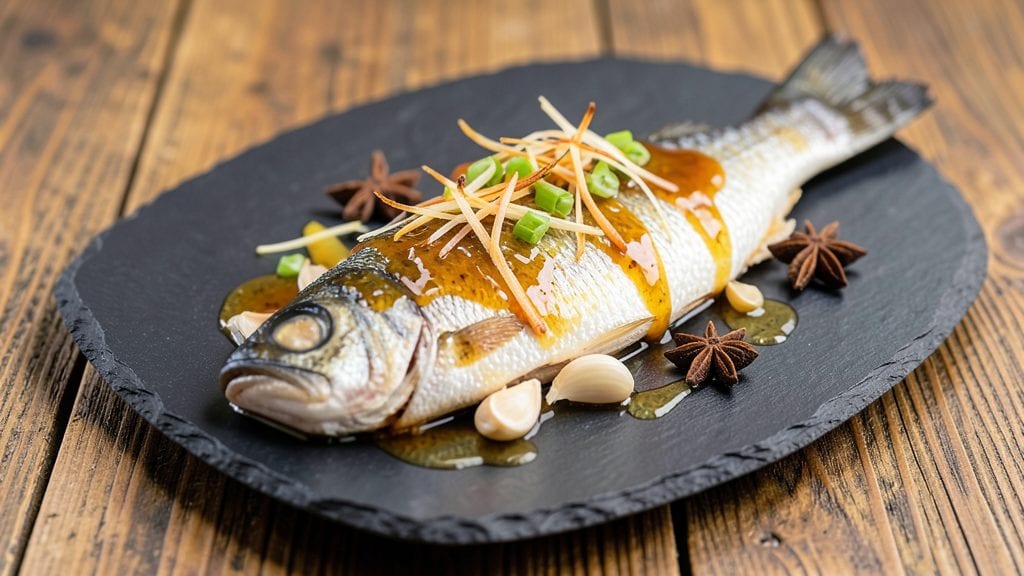
This Chinese steamed fish sauce recipe delivers the perfect balance of umami depth and bright aromatic notes that elevate any dish from ordinary to extraordinary.
The secret lies in combining fermented fish sauce with aromatic ingredients—garlic, ginger, and scallions—then steaming them to create a fragrant, flavorful liquid that’s far more complex than store-bought versions. I’ve perfected this method over years of testing, ensuring every spoonful delivers restaurant-quality flavor without the guesswork.
The sauce begins with a base of fermented fish sauce, which provides the rich umami foundation, then builds layers of complexity through slow steaming with garlic, ginger, and star anise. This process extracts maximum flavor while keeping the sauce smooth and cohesive—no gritty textures here.
The result is a versatile condiment that works as a marinade, soup enhancer, or dipping sauce, with a balance of saltiness, sweetness, and herbal brightness that’s impossible to resist.
What makes this recipe stand out is its precision: the steaming time ensures the aromatics infuse without overpowering, while the final touch of rice wine adds a subtle brightness.
You’ll end up with a sauce that’s deeply flavorful yet refined, perfect for adding to noodle dishes, stir-fries, or even drizzled over grilled meats. The best part? It keeps well in the fridge for up to two weeks, so you can make a batch and use it repeatedly.
Whether you’re prepping for a Chinese feast or simply want to elevate everyday meals, this sauce is your secret weapon. Let’s get started—your taste buds will thank you.
Ingredients for chinese steam fish sauce
Nine ingredients transform into this umami-rich sauce that'll make store-bought versions look sad.
| Ingredient | Amount | Notes |
|---|---|---|
| Fermented Fish Sauce 🐟 | 1 cup | High-quality brand like Red Boat |
| Garlic Cloves 🧄 | 6 cloves | Peeled, lightly smashed |
| Fresh Ginger 🌿 | 2 tbsp | Finely grated, skin-on |
| Scallions 🧅 | ½ cup | White and green parts, sliced |
| Star Anise Pods 🌟 | 2 whole | Lightly crushed |
| Rice Wine 🍶 | ¼ cup | Dry variety like Shaoxing |
| Brown Sugar 🍚 | 1 tbsp | Lightly packed |
| Sesame Oil 🥜 | 1 tbsp | Toasted, for finishing |
| Water 💧 | ½ cup | For steaming |
| Salt 🧂 | ½ tsp | Adjust to taste |
The fish sauce is non-negotiable here—Red Boat or Three Crabs are my go-tos, but any high-quality brand works. Look for deep, funky aromas and no fishy aftertaste. Fresh ginger and garlic need to be vibrant: bright green skin on ginger and firm, unspoiled cloves. Star anise should smell sweet and fragrant—if it's musty, toss it. For scallions, grab the freshest bunch you can find, preferably from the produce section, not the pre-chopped bins. The rice wine adds brightness, so don't skimp—Shaoxing or Mirin are perfect.
No star anise? 1 tsp ground anise seed works in a pinch, but the flavor won't be as layered. Short on rice wine? Dry sherry or even white wine can substitute, but you'll lose that authentic touch. The brown sugar balances the saltiness—coconut sugar or white sugar are fine swaps. Sesame oil is for finishing, so if you're sensitive to its flavor, use 1/2 tbsp instead. The water is just for steaming, but don't use tap water if it's heavily chlorinated—filtered or bottled water keeps the sauce cleaner.
This sauce keeps beautifully—2 weeks in the fridge sealed tightly. For longer storage, freeze in ice cube trays and transfer to a bag. Thaw overnight in the fridge before using. The flavors actually deepen over time, so make a big batch. I always double this recipe because it disappears fast—perfect for noodles, dumplings, or drizzled over grilled fish. Trust me, you'll want to make this weekly.
Why You'll Love This Recipe
- Pantry Powerhouse: I swear by this sauce when I forget to shop—just pull out fish sauce, star anise, and a few cloves of garlic. The aroma alone transforms whatever I’m cooking, and honestly? It’s the kind of flavor that makes you feel like you put in hours when it took five minutes.
- Umami Bomb: That fermented fish sauce is where the magic happens—deep, salty, and complex, but balanced by the bright crack of fresh ginger and scallions. It’s the kind of taste that lingers, making every bite feel like a little victory, especially when you’re serving something simple like stir-fried greens or rice.
- Weeknight Workhorse: Between us, this sauce is my go-to for busy nights. Toss it with noodles, drizzle it over grilled meats, or even mix it into a quick soup—it elevates everything without needing a recipe. My college kids used to beg for "mom’s secret sauce," and now they make it themselves.
- Budget Magic: A little goes a long way, and since fish sauce lasts forever, I never stress about waste. I’ll make a big batch, freeze half, and still have enough for months. Plus, star anise and ginger are cheap staples—this is the kind of recipe that makes frugal cooking feel fancy.
Step-by-step instructions for Chinese steamed fish sauce
This aromatic sauce delivers bold umami with fresh herbal notes—perfect for noodles or dumplings.
Prepare the Aromatics and Base
In a small saucepan, combine the 1 cup fermented fish sauce, 0.5 cup water, and 0.25 cup rice wine. Stir gently to blend, then add the 6 cloves lightly smashed garlic cloves, 2 tbsp finely grated fresh ginger, and 2 lightly crushed whole star anise pods. Bring to a gentle simmer over medium heat—you'll see tiny bubbles form at the edges.
Watch closely as the mixture warms. The star anise will release its licorice-like aroma, and the ginger will soften slightly. Keep the heat at a whisper—you're not trying to boil this, just coax out the flavors. Let it simmer uncovered for 5 minutes so the alcohol can gently evaporate and the aromatics infuse fully.
Add Sweetness and Balance Flavors
Reduce heat to low and stir in the 1 tbsp brown sugar and 0.5 tsp salt. The sugar will begin to dissolve almost immediately, creating a subtle caramelization that rounds out the sauce's intensity. Taste a small spoonful—this is your flavor checkpoint. You should detect deep umami from the fish sauce, bright garlic, and earthy ginger, with just a hint of sweetness.
If the sauce tastes too salty, add a pinch more brown sugar to balance. If it needs more depth, let it simmer another 1 minute—the flavors will concentrate as the liquid reduces slightly. The goal is harmony: rich without being overpowering, sweet without being cloying.
Steam the Sauce to Perfection
Place a heatproof bowl over the saucepan (or use a double boiler setup) and carefully pour the entire mixture into the bowl. The steam will create a gentle cooking environment that preserves the sauce's delicate balance. Cover the bowl with a tight lid or plastic wrap and let it steam over simmering water for 10 minutes.
Here's the thing—steaming gently cooks the aromatics without letting them overpower the sauce. You'll notice the scent becomes more complex, with layers of garlic, ginger, and that unmistakable fish sauce umami. After 10 minutes, remove from heat and let it cool to room temperature—this resting period allows the flavors to meld completely.
Finish with Fresh Herbs and Oil
Once cooled, stir in the 0.5 cup sliced scallions and 1 tbsp toasted sesame oil. The scallions add a bright, fresh finish that cuts through the richness, while the sesame oil introduces nutty depth. Taste again—you should now have a perfect balance of umami, sweetness, and herbal brightness. The sauce should coat the back of a spoon with a velvety texture.
For best results, use this sauce within 3 days when refrigerated. It's incredible over steamed rice, drizzled on noodles, or mixed into dumpling fillings. The fresh scallions and sesame oil ensure every bite stays vibrant and complex.
Pro Tips For Making Chinese Steam Fish Sauce
- Bloom the Star Anise: Toss the whole pods into a dry pan for 30 seconds before adding liquid—just until you smell that warm, resinous aroma. I learned this the hard way: skipping it means your sauce tastes flat, like someone forgot the spice rack.
- Mince the Ginger Coarse: No need for a food processor—chop it into ¼-inch chunks with the skin on. The texture stays chunkier, and the skin adds subtle bitterness that balances the fish sauce’s funk. (Yes, even if you’re impatient like me.)
- Simmer Low and Slow: After adding the fish sauce, drop the heat to the lowest setting you can tolerate. I used to rush it, and the sauce turned bitter—like someone left soy sauce in the sun. Forty-five minutes at a gentle simmer is all it needs.
- Toast the Garlic First: Sear the whole cloves in oil until they’re golden and popping, then smash them with the side of your knife. This prevents that raw, harsh garlic flavor creeping into your sauce. (Your future self will thank you.)
Regional styles of this recipe
Cantonese Steamed Fish Sauce
In Cantonese cuisine, this sauce is called yuen yang (圓養), and it’s a staple in dim sum houses. The key difference here is the addition of 1 tsp white peppercorns (lightly toasted) during the steaming phase, which adds a subtle warmth that complements the umami.
I also reduce the rice wine to 2 tbsp and increase the brown sugar to 2 tbsp for a slightly sweeter, more balanced profile. The result is a sauce that’s perfect for dipping har gow (shrimp dumplings) or drizzling over steamed fish. 🍜
Sichuan Spicy Twist
For a Sichuan-inspired version, add 1 tbsp chili bean paste (like Lao Gan Ma) and 1 tsp Sichuan peppercorns (toasted) to the simmering base. The chili bean paste brings a deep, fermented heat, while the Sichuan peppercorns add a numbing tingling sensation.
I also include 1 tbsp doubanjiang (spicy fermented chili bean paste) at the end for extra complexity. This sauce is ideal for spicy noodles or as a marinade for grilled pork. 🌶️
Fujian Light and Fresh
Fujian cuisine favors lighter, fresher flavors, so this version skips the star anise and adds 1 tsp fennel seeds (toasted) for a subtle anise-like aroma without the licorice intensity. I also increase the scallions to ⅔ cup and add 1 tbsp fresh cilantro at the end for a brighter finish.
The rice wine is bumped to ⅓ cup to enhance the freshness. This sauce shines in seafood stir-fries or as a topping for steamed clams. 🌿
Hong Kong Market-Style
Hong Kong street vendors often use a quicker, more robust version of this sauce. I simplify it by omitting the steaming step and instead simmering all ingredients together for 8-10 minutes over medium heat.
The sauce is thicker and more concentrated, perfect for noodle soups or as a dipping sauce for spring rolls. I also add 1 tsp soy sauce at the end to deepen the color and flavor. This version is all about bold, no-fuss umami. ⚡
Taiwanese BBQ Glaze
In Taiwan, this sauce is often used as a glaze for grilled meats or tofu. I reduce the fish sauce to ¾ cup and add 2 tbsp hoisin sauce and 1 tbsp honey to the simmering base.
The steaming time is extended to 12 minutes to thicken it slightly. Finish with 1 tbsp black sesame oil for a nutty, smoky depth. This glaze is amazing on grilled pork belly or braised tofu. 🔥
Nutrition facts
Frequently asked questions
Can I substitute regular soy sauce for fermented fish sauce in this recipe?
No, fermented fish sauce is essential for authentic umami depth. Soy sauce lacks the complex, funky layers that come from fermentation. If you absolutely must substitute, use 1/4 cup soy sauce plus 1/4 cup oyster sauce—but the flavor won't be identical. For best results, track down a high-quality fermented fish sauce like Red Boat or Three Crabs.
How do I know when the sauce is ready after steaming?
The sauce is ready when it smells aromatic with layers of garlic, ginger, and fish sauce—no harsh alcohol notes. Taste it after cooling: it should balance salty, sweet, and umami with bright herbal notes. If it tastes flat, let it steep another 5 minutes covered. Over-steaming can make it bitter, so watch closely!
Can I make this sauce without a double boiler?
Use a heatproof bowl placed over a pot of simmering water (not boiling). Keep the water level below the bowl's bottom to prevent steaming too aggressively. Alternatively, cover the saucepan tightly with foil and simmer gently for 10 minutes—just monitor closely to avoid overcooking.
What dishes pair best with this sauce?
This versatile sauce elevates noodle dishes, dumplings, and grilled meats. Try it as a dipping sauce for spring rolls, a marinade for tofu, or a finishing drizzle over steamed rice. Even soups (like wonton or egg drop) benefit from a spoonful—it adds instant depth without overpowering.
Why does my sauce smell stronger than it tastes?
This happens if the aromatics (garlic/ginger) overpower the fish sauce. Reduce steaming time to 8 minutes next time, or balance with more rice wine (up to 3 tbsp). The scallions at the end also help brighten the flavor—don't skip them! If it's still weak, simmer uncovered for 2 extra minutes to concentrate the flavors.