
Sauces & Condiments
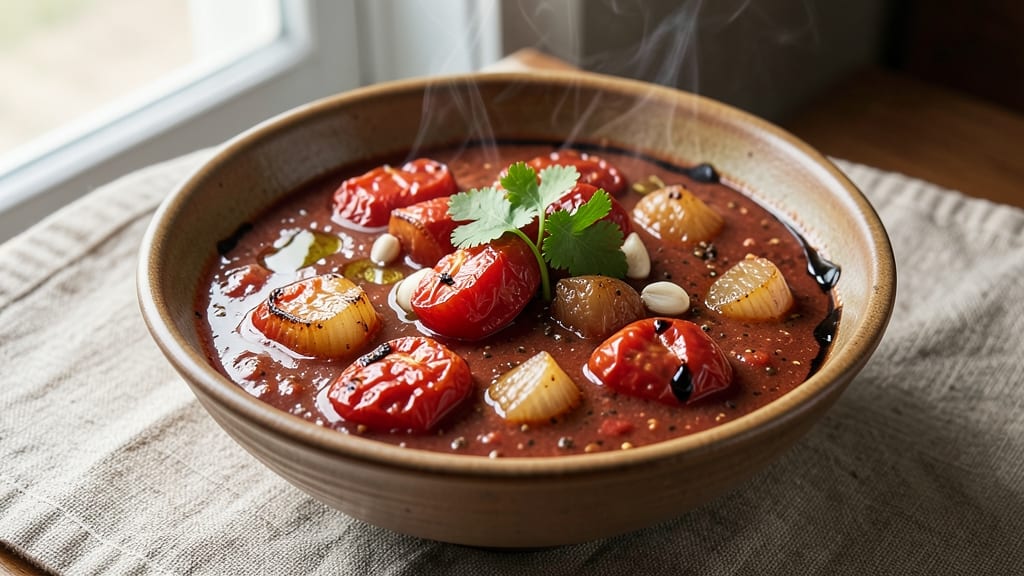
This cooked tomato salsa sauce recipe transforms simple ingredients into a smoky, velvety sauce that adds depth to tacos, grilled meats, or even eggs. After years of testing, I’ve perfected a method that skips the blender—no pulsing, no seeds, just rich, chunky texture from slow simmering.
The key? Roasting the tomatoes first to concentrate their natural sweetness and develop caramelized edges that turn into a foolproof sauce base.
What makes this sauce special is its versatility—it works as a marinade, a dip, or a topping without overpowering dishes. The smoky notes from cumin and chili powder blend seamlessly with the tomatoes’ natural acidity, while onions and garlic add layers of warmth.
Unlike store-bought versions, this sauce builds flavor as it simmers, deepening over time. Restaurant-quality results in just 30 minutes of hands-off cooking.
By the end, you’ll have a glossy, aromatic sauce with just the right balance of sweetness, acidity, and smokiness. It thickens slightly as it cools, making it ideal for drizzling over grilled chicken or using as a base for soups.
The best part? It keeps well in the fridge for up to 5 days or freezes for 3 months, so you’ll always have a flavorful shortcut on hand.
Perfect for weeknight dinners or meal prep, this sauce elevates simple dishes into something special. Let’s get cooking—your taste buds will thank you.
Ingredients for cooked tomato salsa sauce
Ten ingredients. One roasting pan. Restaurant-quality sauce without the blender fuss.
| Ingredient | Amount | Notes |
|---|---|---|
| Roma Tomatoes 🍅 | 2 ½ lbs | Halved, core removed |
| Yellow Onion 🧅 | 1 whole | Chopped into small dice |
| Garlic Cloves 🧄 | 6 cloves | Minced, not pressed |
| Extra-Virgin Olive Oil 🫒 | ¼ cup | High-quality, fruity |
| Ground Cumin 🌿 | 1 tbsp | Toasted for depth |
| Chili Powder 🌶️ | 1 ½ tbsp | Smoked or mild variety |
| Salt 🧂 | 1 ½ tsp | Diamond Crystal kosher |
| Black Pepper 🌶️ | ½ tsp | Freshly cracked |
| Lime Juice 🍋 | 2 tbsp | Freshly squeezed |
| Fresh Cilantro 🌿 | ¼ cup | Chopped, stems removed |
The tomatoes are the star—Roma or vine-ripened work best since they’re meatier and less watery. Trader Joe’s and Whole Foods carry great options, but any firm, vibrant tomatoes will do. Roasting them whole concentrates their sweetness and caramelizes the edges, which is what gives this sauce its rich, velvety texture. Skip the pre-sliced stuff (it’s sad and watery)—halve them yourself for even cooking. The onions and garlic? Yellow onions add sweetness, but red will work too if you prefer milder flavor. Just make sure they’re finely chopped so they melt into the sauce completely.
No cumin? Ground coriander at half the amount gives a similar earthiness. Running out of chili powder? Smoked paprika works 1:1, though it’ll be slightly milder. Fresh cilantro hates being cooked, so add it at the very end—dried cilantro won’t cut it. The lime juice is non-negotiable for brightness, but if you’re out, lemon juice at the same amount is a fine swap. For extra smokiness, char the garlic and onions in a dry pan before adding them to the tomatoes—trust me on this. The olive oil should be extra-virgin—cheap oil will make the sauce taste flat.
This sauce tastes even better the next day as the flavors meld. Store it in an airtight container in the fridge for up to 5 days, where it’ll thicken slightly into a glorious consistency. Freezes beautifully for 3 months—just thaw in the fridge overnight. I like to portion it into small jars so I can grab exactly what I need for tacos, grilled fish, or even scrambled eggs. The leftovers? Drizzle over everything—it’s that good.
Why You'll Love This Recipe
- No Chopping Chaos: I swear, this sauce only needs one knife skill—halving tomatoes—and that’s it. The onions and garlic get a quick pulse in the food processor, so you’re not stuck dicing while dinner burns. Honestly, I’ve made it while scrolling through my phone.
- Cumin-Kissed Depth: That earthy cumin and slow-simmered tomatoes? It’s the kind of flavor that lingers like a good memory. The olive oil finishes it with a silky richness that makes you want to slather it everywhere—eggs, toast, even straight from the spoon.
- Weeknight Workhorse: I use this for tacos, pasta, or as a dip base, and it never lets me down. Make a double batch on Sunday, and you’ve got breakfast, lunch, and dinner covered. (Yes, even on a Tuesday night when you’re exhausted.)
- Pantry Magic: Four ingredients, zero waste—this sauce stretches my grocery budget without sacrificing taste. The leftovers? They actually improve over time, deepening into something even better than the first batch. My wallet and taste buds thank me.
Step-by-step instructions for cooked tomato salsa sauce
This method transforms simple ingredients into a rich, smoky sauce with deep flavor—no blender required.
Roast the Tomatoes and Aromatics for Maximum Flavor
Preheat your oven to 450°F and line a large baking sheet with parchment paper. Arrange the halved, cored roma tomatoes cut-side up, along with the chopped yellow onion and minced garlic cloves in a single layer. Drizzle everything evenly with the 0.25 cup extra-virgin olive oil—this helps caramelize the vegetables and infuse their flavors into the fat.
Roast for 25-30 minutes until the tomatoes collapse slightly and develop deep golden-brown spots. You'll notice the onions soften and the garlic turns fragrant—this is when they release their sweet, mellow flavors. Real talk: resist the urge to peek early, as opening the oven too soon can prevent proper browning. The skin should blister and darken, indicating perfect roasting.
Build the Spiced Base
Transfer the roasted vegetables to a large, heavy-bottomed pot or Dutch oven. Add the 1 tbsp ground cumin, 1.5 tbsp chili powder, 1.5 tsp salt, and 0.5 tsp black pepper, stirring to coat everything evenly. The spices will toast slightly from the residual heat, deepening their aroma and creating a smoky foundation for the sauce.
Here's the thing—don't rush this step. Let the spices bloom for 2-3 minutes over medium heat, stirring constantly. You'll see the spices release their essential oils, filling your kitchen with an earthy, slightly sweet scent. This is the moment that matters: skipping it means missing out on that professional-level depth of flavor.
Simmer and Reduce for Intensified Flavor
Pour in 2 tbsp lime juice and reduce the heat to low. Stir in just enough water to deglaze the pot—about ½ cup—to help release any browned bits from the bottom. Let the mixture simmer uncovered for 20-25 minutes, stirring occasionally. You're looking for a thick, jam-like consistency where the tomatoes break down into a velvety texture.
I know it seems like too much liquid at first, but trust me—the sauce will reduce significantly as it cooks. If it thickens too quickly, add another 2 tablespoons of water to maintain the right balance. The sauce should coat the back of a spoon smoothly, with a glossy sheen that indicates perfect reduction. Your oven might run hot, so start checking at the 15-minute mark—every stove behaves differently.
Finish with Fresh Cilantro and Adjust Seasoning
Remove the pot from heat and stir in the 0.25 cup chopped fresh cilantro, letting it wilt slightly in the warm sauce. This adds a bright, herbal note that cuts through the richness of the roasted tomatoes. Taste the sauce and adjust seasoning if needed—you might need a pinch more salt or a splash of lime juice to balance the flavors.
Let the sauce rest for 10 minutes before serving. This allows the flavors to meld completely and gives you time to prepare your serving vessel—whether it's warm tortillas, grilled fish, or a bowl of rice. The sauce should be vibrant red with a deep, smoky aroma that makes your kitchen smell like a Mexican street market. Serve warm or at room temperature, but never cold—this sauce is all about its warm, inviting character.
Pro Tips For Making Cooked Tomato Salsa Sauce
- Blister the Onion: DESCRIPTION: Cut the yellow onion into thick slices and cook them over medium-high heat until the edges turn deep golden brown—almost black in spots. This caramelization adds sweetness that cuts through the acidity of the tomatoes. (Yes, it looks dramatic, but it’s worth it.)
- Char the Tomatoes: DESCRIPTION: Once the onions are softened, add the halved Roma tomatoes cut-side down and let them sit undisturbed for 3–4 minutes until blackened in patches. This smoky depth is what separates good salsa from great salsa. (I used to rush this, and the sauce never tasted as rich.)
- Toast the Cumin: DESCRIPTION: Dry-toast the ground cumin in the pot for 30 seconds before adding oil—it blooms the aroma and prevents that bitter, raw taste. Skip this, and you’ll wonder why your sauce lacks warmth. (Your nose will thank you.)
- Simmer Low and Slow: DESCRIPTION: After everything’s in, reduce heat to the lowest setting and let the sauce bubble gently for 20–25 minutes. This breaks down the tomatoes into a velvety texture without turning to mush. (High heat = sad, watery sauce.)
Dietary considerations for this cooked tomato salsa sauce
Gluten-Free Adaptation
This sauce is naturally gluten-free as written, but always double-check your spices for cross-contamination. I use Penzeys Spices for certified gluten-free cumin and chili powder, which I trust for my gluten-sensitive friends.
The only potential issue comes from store-bought lime juice—opt for Real Good brand or fresh-squeezed to avoid hidden additives. 🌿
Low-Sodium Version
For a lower-sodium adaptation, reduce the salt to ½ tsp and boost flavor with 1 tsp smoked paprika instead of chili powder. I also add 1 tbsp apple cider vinegar for tang without salt.
This version works beautifully on low-sodium diets while still delivering bold flavor. The vinegar helps balance the natural sweetness of the roasted tomatoes.
Vegan-Friendly Adjustments
This sauce is already vegan, but I make two small tweaks for extra richness: swap extra-virgin olive oil for avocado oil (it has a higher smoke point) and add 1 tbsp nutritional yeast at the end for a cheesy depth.
The avocado oil adds a buttery note that complements the smoky spices perfectly. I serve this version over cashew sour cream for a complete vegan meal. 🌱
Dairy-Free Considerations
While this sauce contains no dairy, I often serve it with dairy-free toppings like coconut yogurt or vegan queso fresco. The sauce's natural acidity and smokiness stand up well to dairy-free alternatives without losing character.
For extra creaminess, I stir in 1 tbsp coconut cream at the end—it blends seamlessly and adds a luxurious texture. Always check your spices for dairy additives if you're highly sensitive.
Allergen-Friendly Swaps
For nut allergies, avoid nutritional yeast (use extra lime juice instead) and ensure your olive oil is nut-free. For soy allergies, skip soy-based thickeners and use arrowroot powder (½ tsp) if you need extra body.
I keep a small jar of Bob's Red Mill arrowroot powder in my pantry specifically for these adjustments. The sauce remains versatile enough to accommodate most dietary restrictions while keeping its signature flavor profile. 💛
Nutrition facts
Frequently asked questions
Why does roasting the tomatoes first make such a difference?
Roasting concentrates the tomatoes' natural sweetness and develops deep caramelized flavors that can't be achieved by raw cooking. The high heat breaks down the cell walls, creating a rich, jam-like texture without needing a blender. Plus, the skin blisters beautifully, giving that perfect smoky aroma.
Can I use canned tomatoes instead of fresh?
Yes! Drain and rinse 2 (28 oz) cans crushed tomatoes first to remove excess liquid. Simmer them uncovered for 15-20 minutes before adding spices to reduce moisture. You'll need about 1 cup less water during simmering since canned tomatoes are already cooked. The flavor will be slightly different but still delicious.
How do I prevent the sauce from being too thin?
Simmer uncovered for 20-25 minutes to let excess moisture evaporate naturally. If it's still too thin, mash some of the roasted tomatoes with a fork or spoon to release more liquid. For extra thickness, stir in 1 tsp cornstarch mixed with 1 tbsp water at the end and simmer for 2 more minutes.
What's the best way to reheat leftover sauce?
Gently warm in a saucepan over low heat with 1-2 tbsp water to prevent scorching. Stir frequently and add more water if needed. Microwaving works too—heat in 30-second bursts, stirring between each, until warmed through. The sauce thickens as it cools, so reheating will make it more spreadable.
Can I make this sauce without a Dutch oven?
Any heavy-bottomed pot will work—even a stainless steel skillet. Just be patient with temperature control. If using a light pot, reduce heat to medium-low to prevent burning. The sauce's texture might be slightly thinner, but the flavor will still be fantastic. Every kitchen has a solution!