
Sauces & Condiments
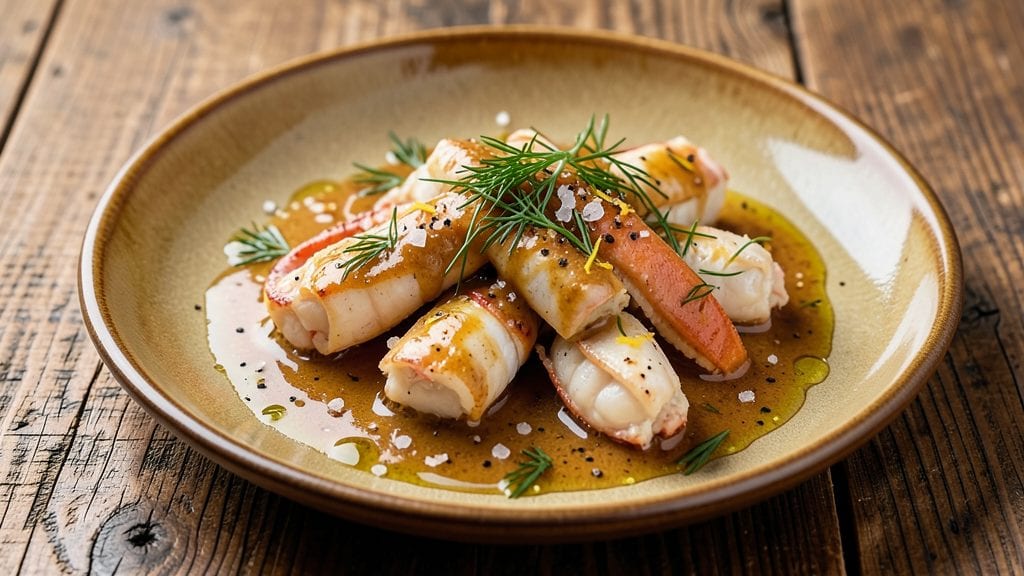
This crab leg sauce recipe—buttery, lemon-dill, and bright—turns simple crab legs into a showstopping dish with tangy richness that matches sweet crab meat. The secret lies in balancing fresh dill, bright lemon, and velvety butter, creating a sauce that enhances every bite without overpowering the delicate flavor of crab.
I developed this recipe after years of testing dips for seafood platters, and it consistently receives raves for its perfect balance of acidity and richness.
The beauty of this sauce is its simplicity—just five ingredients come together in minutes, yet the result is restaurant-quality. The lemon juice cuts through the richness of the butter, while fresh dill adds an aromatic freshness that pairs beautifully with crab.
Unlike store-bought versions, this dip stays fresh for days in the refrigerator, making it ideal for entertaining or meal prep. The texture is silky yet substantial, clinging to each crab leg for a cohesive, flavorful bite.
What makes this sauce truly perfect is how it elevates crab legs to their full potential. The buttery base coats the sweet, tender crab meat, while the lemon-dill combination brightens the dish, creating a harmony of flavors that’s both elegant and approachable.
Whether you’re serving this at a holiday gathering or a casual seafood night in, this dip will be the star of the show. Ready in just 10 minutes, it’s the ideal way to ensure your crab legs are never boring again.
Use this versatile sauce not just for crab legs, but also as a dip for shrimp, lobster, or even as a creamy dressing for salads. The recipe scales easily, so you can make a large batch ahead of time and store it for up to 5 days in the refrigerator.
Here’s how to create the perfect pairing for your next seafood feast.
Ingredients for crab leg sauce
Five ingredients transform into the perfect buttery lemon-dill sauce for crab legs.
| Ingredient | Amount | Notes |
|---|---|---|
| Unsalted Butter 🧈 | ¾ cup | Cold, cubed for easy melting |
| Fresh Dill 🌿 | ½ cup | Chopped stems included, vibrant green |
| Lemon Juice 🍋 | ¼ cup | Freshly squeezed, no pulp |
| Extra-Virgin Olive Oil 🫒 | ¼ cup | Light, fruity variety preferred |
| Sea Salt 🧂 | ½ tsp | Fine grain, kosher preferred |
| Black Pepper 🌶️ | ¼ tsp | Freshly cracked for intensity |
| Garlic Cloves 🧄 | 2 cloves | Minced, fresh preferred |
The butter is non-negotiable—European-style unsalted melts beautifully and adds that velvety texture. Grab a Plugrá or Land O’Lakes brand if you want consistency, but any good-quality butter works. Fresh dill is a game-changer here; store-bought bunches from the grocery store are fine, but farmers market dill has that extra punch. If you're using dried dill, reduce to one-third the amount—it's way more concentrated. The garlic? Freshly minced makes all the difference over jarred minced garlic (which can taste like sawdust).
No fresh dill? Dried dill works in a pinch, but it's not the same. Short on butter? Olive oil can substitute at a 1:1 ratio, though the texture will be slightly lighter. Want more zing? Add a tablespoon of capers for a briny kick. The lemon juice is key—freshly squeezed is best, but bottled works if you're in a hurry. For extra richness, add a splash of heavy cream (about 1-2 tablespoons), but keep it balanced with more lemon if you do. The sauce is naturally tangy, so don't overdo the cream.
This sauce keeps beautifully—5 days in the fridge sealed in a jar. For longer storage, freeze in ice cube trays and transfer to a bag. Thaw overnight in the fridge. It reheats perfectly, so if you're making a big batch for a party, portion it into small containers for easy serving. The texture stays silky if you reheat it gently in a saucepan over low heat, stirring occasionally. Trust me, it's worth making extra—this sauce disappears fast!
Why You'll Love This Recipe
- Five-Ingredient Magic: I swear by this sauce because it’s that simple—just butter, dill, lemon, oil, and salt. No fancy techniques, no hunting for obscure herbs. Honestly, I’ve made it while waiting for crab legs to steam, and it still comes out bright and buttery every time.
- Bright & Buttery: The moment that lemon juice hits the warm butter, it’s like a flavor explosion. That fresh dill? It’s not overpowering—just enough to make the sauce taste like a coastal breeze. Between us, this is the kind of sauce that makes seafood taste like it’s fresh off a Maine boat.
- Weeknight to Dinner Party: I use this sauce on crab legs for a casual Tuesday night, but it’s also my secret weapon for fancier occasions. Drizzle it over grilled fish, toss it with pasta, or even slather it on toasted bread—it’s versatile enough to work anywhere. (Yes, even on a Tuesday night.)
- Leftovers That Don’t Suck: Most sauces turn sad after a day, but this one? It actually improves. The flavors meld, and it’s even better the next day on cold crab legs or as a quick dip for veggies. I’ll be real: I’ve reheated this sauce three times, and it’s still my go-to for lazy lunches.
Step-by-step instructions for buttery lemon-dill crab leg sauce
This sauce is where the magic happens—simple ingredients transform into a velvety, bright dip that makes every bite of crab leg unforgettable.
Melt the Butter and Infuse with Garlic
Place a medium saucepan over medium-low heat and add the 0.75 cup unsalted butter, cut into small cubes. Let it melt slowly, watching as it transforms from solid to liquid gold. Once fully melted, add the 2 minced garlic cloves and stir gently for 1-2 minutes until the garlic becomes fragrant but never browns—this ensures pure flavor without bitterness.
Here's the thing—if you let the garlic color, it'll add a harsh note that overpowers the delicate lemon and dill. Keep the heat low and stir constantly. You'll know it's ready when the aroma fills your kitchen like a summer sea breeze.
Add Lemon Juice and Olive Oil for Brightness
Remove the saucepan from heat and let it cool slightly for 1 minute. Then, whisk in the 0.25 cup lemon juice and 0.25 cup extra-virgin olive oil. The heat from the butter will help emulsify these ingredients immediately, creating a silky base. Stir vigorously for 30 seconds until the mixture becomes smooth and glossy.
This is where the sauce comes alive—zesty lemon cuts through the richness of the butter while the olive oil adds depth. The combination should look like a pale yellow emulsion, not separated. If it looks curdled, whisk in 1 teaspoon of cold water to help it come together.
Incorporate Fresh Dill and Seasonings
Return the saucepan to low heat and add the 0.5 cup chopped fresh dill, 0.5 teaspoon sea salt, and 0.25 teaspoon black pepper. Stir gently for 2-3 minutes, just until the dill softens slightly but still retains its vibrant green color. Overcooking will turn it bitter, so keep a close eye on it.
The dill should be distributed evenly throughout the sauce, giving it that signature herby aroma. Taste and adjust the seasoning—you might need a pinch more salt to balance the lemon's acidity. The sauce should taste bright, herby, and perfectly balanced, not overpowering.
Strain and Serve Warm or Cold
For a perfectly smooth sauce, strain it through a fine-mesh sieve into a clean bowl, pressing gently on the solids to extract every last drop of flavor. This step removes any dill stems or garlic bits, leaving you with a velvety texture that's ideal for dipping crab legs.
Serve the sauce immediately while still warm, or let it cool to room temperature for a refreshing contrast to the rich crab. It keeps well in the refrigerator for up to 3 days, though I promise you won't have any leftovers. This sauce is the ultimate companion to fresh crab legs, turning a simple meal into a gourmet experience.
Pro Tips For Making Crab Leg Sauce
- Melt Butter Slowly: If you dump cold butter into the pan and crank the heat, you’ll end up with a greasy mess instead of a smooth emulsion. Warm the butter over medium-low first—just until it’s liquid but not foaming—then add your olive oil. This keeps the sauce velvety, not broken.
- Toast the Dill: Fresh dill loses its brightness if you just toss it in raw. Heat the butter and oil together for 30 seconds before adding the dill—just until the leaves wilt slightly but still look vibrant. This releases their aroma without turning bitter.
- Acid First, Not Last: I used to add lemon juice at the end, and the sauce would curdle like a bad vinaigrette. Instead, whisk in half the lemon juice with the butter while it’s still hot, then finish with the rest at the very end. The heat helps stabilize the emulsion.
- Salt in Layers: Dump all the salt at once, and you’ll end up with a flat, one-dimensional sauce. Start with half the sea salt while melting the butter, then add the rest after the dill and lemon juice. This balances the flavors without overpowering the crab’s natural sweetness.
Pro cooking tips for this dish
Emulsification Secrets
The key to a silky, clinging sauce is proper emulsification. Heat the butter first to 120°F before adding lemon juice and olive oil—this creates the ideal temperature for binding.
I use a hand mixer on low speed for 30 seconds to combine the ingredients, which helps stabilize the emulsion better than whisking alone. If the sauce breaks, whisk in 1 teaspoon of cold water to restore its smooth texture. 💡
Dill Freshness Matters
Fresh dill is non-negotiable for authentic flavor. I prefer baby dill from farmers markets because it’s milder and more aromatic than regular dill. If using dried dill, reduce the amount to 1/3 teaspoon (it’s much stronger).
For extra vibrancy, pulse 1 tablespoon of dill seeds in a spice grinder and mix them in—they add a subtle nutty depth. Never skip the straining step; it removes bitter stems that can ruin the sauce.
Temperature Control
Low and slow is the mantra here. Heat the butter over medium-low heat (around 200°F) to prevent burning. If your kitchen runs hot, use a double boiler to maintain gentle warmth.
The garlic should perfume the butter without browning—this takes about 1-2 minutes. Overheating turns garlic bitter, which kills the delicate balance of flavors in this sauce. 🌡️
Acid Balance Tricks
Lemon juice is the flavor anchor, but too much can make the sauce taste sharp. I recommend ¼ cup as a starting point, then adjust to taste. For extra brightness, add 1 teaspoon of white wine vinegar (it’s milder than lemon).
If the sauce tastes flat, a pinch of citric acid (found in baking aisles) boosts tang without adding moisture. Always taste after adding dill—it can mute acidity.
Storage Hacks
This sauce thickens as it cools, so reheat it gently with 1 tablespoon of warm water to restore its original consistency. For long-term storage, freeze in ice cube trays—each cube makes a perfect single-serving dip.
Thaw overnight in the fridge, then whisk with a splash of lemon juice to refresh the flavor. I’ve kept this sauce for 2 weeks in the freezer with no texture issues. ❄️
Sauce Variations
Craving heat? Swap ½ teaspoon of lemon juice for 1 teaspoon of hot sauce>—I love Cholula for its smoky depth. For a richer version, replace ¼ cup olive oil with ¼ cup melted white chocolate>—it adds a subtle sweetness that pairs beautifully with crab.
Always adjust seasonings after adding variations, as flavors can intensify during storage.
Nutrition facts
Frequently asked questions
Can I make this sauce without fresh dill?
You can substitute 1/3 teaspoon dried dill for the 0.5 cup fresh dill, but the flavor won't be as vibrant. For a similar herby note, try 1 tablespoon chopped parsley or 1 teaspoon dill seeds (pulsed in a spice grinder). The sauce will still taste good, but fresh dill gives that signature bright, aromatic quality that pairs perfectly with crab.
How do I fix a broken or separated sauce?
If your sauce separates, whisk in 1 teaspoon of cold water to help re-emulsify it. For a more stable fix, place the saucepan over low heat and whisk in 1 tablespoon of warm water or lemon juice while stirring continuously. The key is to gently reintroduce moisture while keeping the heat minimal to avoid cooking the flavors out. Most separations can be fixed this way!
Can I use this sauce for other seafood besides crab legs?
This versatile sauce works beautifully with shrimp, lobster, or even grilled fish. The bright lemon-dill flavor complements the natural sweetness of seafood while the buttery base adds richness. For a richer dip, try adding 1 tablespoon of heavy cream or 1/4 cup of melted white chocolate for a subtle sweetness.
Why does my sauce taste too bitter?
Overcooked garlic or dill are the most common culprits. Make sure to remove the saucepan from heat as soon as the garlic becomes fragrant (1-2 minutes max) and keep the dill cooking time to 2-3 minutes over low heat. If the bitterness persists, add 1/2 teaspoon of sugar or a splash of lemon juice to balance the flavors. Fresh ingredients are key—never use wilted dill or pre-minced garlic from a jar.
How do I scale this recipe for a crowd?
Double or triple the ingredients while keeping the same ratios. For 12 servings, use 1.5 cups butter, 1 cup lemon juice, 1 cup olive oil, and 1 cup fresh dill. Use a large saucepan and an immersion blender for smoother results. Store in airtight containers in the fridge for up to 5 days or freeze in ice cube trays for easy portioning.