Sauces & Condiments
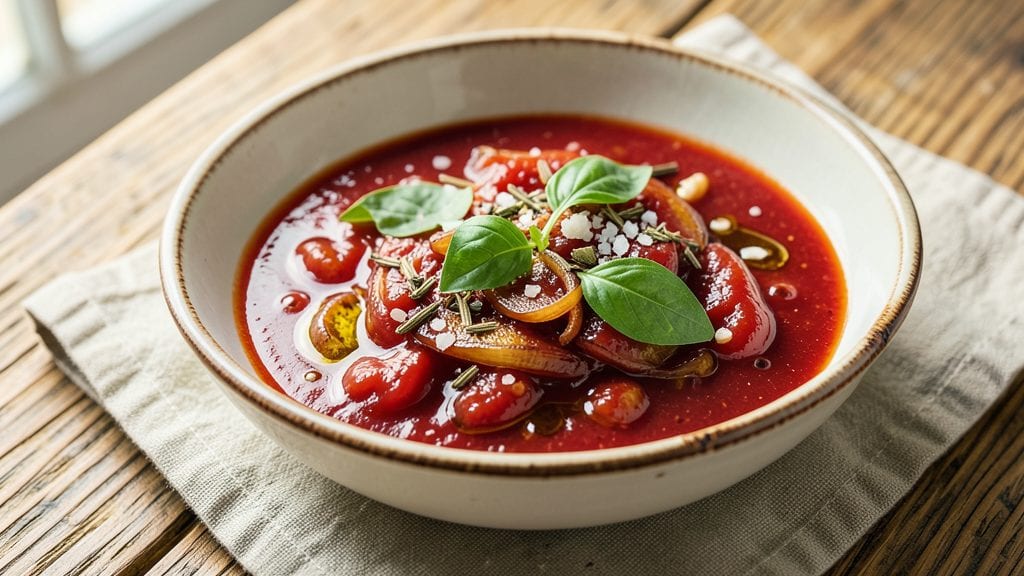
Grandma's tomato sauce recipe is the kind of homestyle richness that transforms simple meals into something extraordinary. The secret lies in slow simmering—letting the flavors meld over time to create a sauce that's deeper, smoother, and more complex than anything you'll find in a jar.
I still remember the first time I tasted it from my grandmother's kitchen, where the aroma of garlic, herbs, and tomatoes filled the air, promising a taste of comfort and tradition.
This sauce starts with basic ingredients you likely already have in your pantry: canned tomatoes, onions, garlic, olive oil, and a blend of herbs like basil and oregano.
The magic happens during the one-pot simmer, where the sauce thickens naturally as it cooks down, developing layers of flavor that only time can create. It’s a foolproof method that delivers restaurant-quality results without requiring any special skills or equipment.
What you’ll end up with is a velvety, deeply aromatic sauce with just the right balance of sweetness and acidity—perfect for pasta, pizza, or drizzling over grilled meats.
The texture is rich but not heavy, and the taste is nostalgic, transporting you back to childhood dinners where every bite felt like a hug. This sauce keeps well in the fridge for up to a week, so you can make a big batch and enjoy it all week long.
Whether you're feeding a family or meal prepping for the week, this homestyle tomato sauce is the foundation of countless meals. It’s simple, versatile, and packed with flavor—just like Grandma used to make. Let’s get started on creating your own batch of this timeless classic.
Ingredients for grandma's tomato sauce
Ten simple pantry staples create Grandma's legendary sauce—rich, aromatic, and full of nostalgia.
| Ingredient | Amount | Notes |
|---|---|---|
| San Marzano Tomato Cans 🍅 | 28 oz | Whole peeled tomatoes, no salt added |
| Yellow Onion 🧅 | 1 whole | Medium size, diced small |
| Garlic Cloves 🧄 | 4 cloves | Fresh, minced fine |
| Extra-Virgin Olive Oil 🫒 | ½ cup | Lightly fruity, not bitter |
| Fresh Basil Leaves 🌿 | ½ cup | Packed, stems removed |
| Dried Oregano 🍃 | 1 tsp | Mexican oregano preferred |
| Salt 🧂 | 1 tsp | Kosher or sea salt |
| Black Pepper 🌶️ | ½ tsp | Freshly ground preferred |
| Granulated Sugar 🍚 | 1 tbsp | Balances acidity |
| Red Wine Vinegar 🍷 | 1 tbsp | Brightens flavor |
The tomatoes make all the difference. San Marzano cans are the gold standard—sweeter, meatier, and less acidic than regular brands. I always grab the 28-ounce cans from Trader Joe's or Whole Foods—they're worth the extra few bucks. The onions and garlic? Fresh is non-negotiable here—dried powder won't give you that deep, sweet base. For the basil, I use about half fresh and half dried oregano (the Mexican kind has that special earthy kick). If you can't find Mexican oregano, regular dried works, but it's not quite the same. The olive oil should be something you'd drizzle on bread—none of that cheap cooking oil stuff.
No San Marzano tomatoes? Crushed tomatoes in a 28-ounce can work in a pinch, but you'll need to add an extra pinch of sugar to balance the acidity. Fresh basil wilting? Dried basil at one-third the amount keeps the flavor, just not the freshness. Short on red wine vinegar? Lemon juice works too, but it's more tart. The sugar is key here—it rounds out the acidity from the tomatoes and vinegar. If you're worried about it being too sweet, start with 1 tablespoon and adjust to taste. The pepper? Freshly ground makes everything taste better, but pre-ground is fine if you're in a hurry.
This sauce tastes even better the next day as the flavors meld. Store it in a glass jar in the fridge for up to 1 week, or freeze portions for 6 months. I always make double batches—one for pasta night and one for freezing. The sauce thickens as it cools, so if it seems too thick after chilling, just add a splash of water or broth when reheating. And trust me, the first time you drizzle this over homemade pasta, you'll understand why it's a family recipe worth passing down.
Why You'll Love This Recipe
- No-Chop Night Hero: That onion and garlic barely need dicing—just a rough chop, and you’re done. I swear, I’ve made this sauce in under 15 minutes while waiting for pasta to boil, and it still tastes like it simmered all day.
- San Marzano Magic: The moment those crushed tomatoes hit the pot, you know you’ve won. Sweet, meaty, and with zero bitterness—it’s the kind of sauce that makes you reach for seconds without guilt.
- Weeknight Swiss Army Knife: Slap it on spaghetti, toss it with roasted chicken, or use it as a pizza base. Honestly, I’ve even eaten it straight from the jar (don’t tell my grandma). It’s the one sauce that does it all.
- Budget-Friendly Pantry Staple: A single can of San Marzano tomatoes and a bulb of garlic stretch this into three meals—no fancy ingredients, no wasted money. Plus, the leftovers taste even better the next day.
Step-by-step instructions for Grandma's tomato sauce
Here's how to make this rich, flavorful sauce that captures all the homestyle goodness.
Sauté Onions and Garlic in Olive Oil
Heat the 0.5 cup extra-virgin olive oil in a large, heavy-bottomed pot over medium heat. Add the 1 whole yellow onion, diced small, and cook for 5-6 minutes until the onions become translucent and slightly golden around the edges. You'll notice the onions soften and their color changes from white to pale yellow.
Next, add the 4 cloves minced garlic cloves and cook for another 30 seconds until the garlic becomes fragrant. Be careful not to let the garlic burn—it should smell sweet and aromatic, not bitter. This step builds the flavor foundation for your sauce, so don't rush it.
Add Tomatoes, Seasonings, and Simmer
Pour in the 28 oz San Marzano tomato cans, crushing the tomatoes with your hands as you add them to the pot. This creates a thicker, more flavorful sauce. Stir in the 1 tsp dried oregano, 1 tsp salt, 0.5 tsp black pepper, and 1 tbsp granulated sugar. The sugar helps balance the acidity of the tomatoes.
Bring the mixture to a gentle boil, then reduce heat to low and let it simmer uncovered for 30-40 minutes. Stir occasionally to prevent the sauce from sticking to the bottom of the pot. You'll know it's ready when the sauce thickens slightly and the flavors meld together beautifully. The sauce should coat the back of a spoon but still be smooth and easy to stir.
Finish with Vinegar and Fresh Basil
After the sauce has simmered, stir in the 1 tbsp red wine vinegar. This brightens the flavors and adds a touch of tanginess that balances the richness of the sauce. Let the sauce simmer for another 5 minutes to allow the vinegar to fully incorporate.
Remove the pot from the heat and stir in the 0.5 cup fresh basil leaves. Let the sauce sit for 5 minutes to steep, allowing the basil to infuse its fresh, aromatic flavor. Taste and adjust the seasoning if needed—you might need a touch more salt or sugar to suit your preference. This is where the sauce truly comes together, and the basil adds that fresh, garden-fresh touch that makes it taste homemade.
Serve Warm or Store for Later
Serve the sauce warm over your favorite pasta, with crusty bread, or as a topping for pizza. The sauce should be rich, slightly sweet, and perfectly balanced with acidity and herbs. If you're not using it all right away, let it cool to room temperature, then transfer it to an airtight container and refrigerate for up to 5 days. You can also freeze it for up to 3 months for later use.
This sauce tastes even better the next day as the flavors continue to develop. The longer it sits, the more complex and delicious it becomes. Enjoy your homemade tomato sauce that's sure to remind you of Grandma's kitchen!
Pro Tips For Making Grandma'S Tomato Sauce
- SWEAT THE ONIONS: Don’t rush the onion—cut it into even ¼-inch slices and cook them in olive oil over medium-low heat until they’re translucent and just starting to caramelize (about 8-10 minutes). I used to walk away when they looked soft, but that’s when they taste flat. Let them turn golden and slightly sticky, or the whole sauce will taste raw.
- CRUSH GARLIC LIKE A PRO: Smash the garlic cloves with the flat side of your knife before adding them—this releases more flavor without burning. I learned this the hard way after my sauce tasted bitter once. Just 3-4 cloves, cooked until fragrant (about 30 seconds), is enough to perfume the whole pot.
- SIMMER LOW AND SLOW: After adding the crushed tomatoes, reduce the heat to the lowest setting that keeps a gentle simmer (not a rolling boil). My grandmother called this "the whisper of the stove," and she was right—rushing this step makes the sauce taste thin and underdeveloped. Give it at least 30 minutes, stirring occasionally.
- SALT IN LAYERS: Taste and adjust salt before adding the basil—start with ½ teaspoon per can of tomatoes, then add another pinch after simmering. Fresh basil is salty, and you don’t want to overdo it. If you’re using dried basil, cut that in half and taste as you go. (Yes, even if you’re impatient like me.)
Best sauces and condiments for this grandma's tomato sauce
Pasta Pairings
This sauce is a match made in heaven with fettuccine or pappardelle, where its velvety texture clings beautifully to the broad noodles. I like to toss in 1 tablespoon of butter at the end for extra richness when serving.
For a rustic touch, try it with orecchiette—the sauce pools perfectly in the ear-shaped pasta. 🍝
Pizza Topping
Spread this sauce generously on homemade pizza dough before adding toppings like mozzarella, pepperoni, and fresh basil. The deep flavor carries through baking, creating a sauce that’s neither too thick nor too thin.
For a gourmet twist, top with burrata and heirloom tomatoes after baking. The sauce’s natural sweetness balances the saltiness of cured meats perfectly.
Meat Pairings
Use this sauce as a marinade or finishing sauce for grilled chicken or pork chops. Simmer the sauce for an extra 10 minutes to reduce it slightly, then brush it over meat in the last 5 minutes of cooking.
It also elevates braised short ribs—just spoon a ladleful over the top before serving. The acidity cuts through the richness of fatty meats beautifully. 🍖
Bread Dippers
No pasta or pizza? Spread this sauce on garlic bread or focaccia for an instant appetizer. I like to toast crusty Italian bread until crisp, then drizzle with the warm sauce and sprinkle with grated Parmesan.
The combination of crunchy bread and silky sauce is irresistible. For extra flair, add a pinch of red pepper flakes.
Breakfast Twist
Yes, really! Stir this sauce into scrambled eggs or shakshuka for a savory breakfast with depth. The tomatoes and herbs add a surprising but delicious complexity. I also use it as a base for tomato and cheese frittatas—just mix in whipped eggs and bake until set.
It’s a breakfast game-changer that keeps you coming back. 🍳
Freezer-Friendly Uses
Freeze extra sauce in ice cube trays for easy portioning later. Thaw and use as a quick soup base (just add broth and heat), or mix into meatballs for extra flavor.
The sauce’s versatility means you’ll always have a pantry staple ready to elevate any dish, from lasagna to stuffed peppers. Just remember to label your containers—trust me, you won’t regret it! ❄️
Nutrition facts
Frequently asked questions
Can I make this sauce without fresh basil?
If you don't have fresh basil, use 1 teaspoon dried basil or 1/2 teaspoon dried oregano instead. For extra depth, add a pinch of red pepper flakes or a bay leaf while simmering. The sauce will still taste rich and aromatic, just with a slightly different herbal profile.
Why does my sauce taste too acidic?
Acidity comes from the tomatoes and vinegar. To balance it, add 1 extra tablespoon of sugar or a pinch of salt while simmering. For a smoother taste, simmer the sauce uncovered for an extra 10-15 minutes to let the acidity mellow. If it's still too sharp, stir in 1/2 teaspoon of honey at the end. The longer you cook it, the more the flavors meld together.
How do I make this sauce thicker or thinner?
For a thicker sauce, simmer it uncovered for 10-15 extra minutes to reduce the liquid. If it's too thick, stir in 1-2 tablespoons of water, broth, or tomato juice while warm. For a smoother texture, blend it briefly with an immersion blender—just pulse a few times to avoid breaking down the herbs. The ideal consistency coats the back of a spoon but still flows easily.
Can I use this sauce in place of marinara?
Yes! This sauce is richer and more flavorful than store-bought marinara, making it perfect for pasta, pizza, or dipping. It has a deeper sweetness from the sugar and a brighter finish from the vinegar. For a lighter marinara, reduce the sugar to 1/2 tablespoon and skip the vinegar. The texture is slightly thicker, so adjust as needed for your dish.
How do I store leftovers to keep them tasting fresh?
Let the sauce cool completely, then transfer it to an airtight glass jar or container. It keeps in the fridge for up to 5 days. For longer storage, freeze it in portioned containers for up to 3 months. When reheating, warm it gently on the stove over low heat and stir in a splash of water if it thickens too much. The flavors actually improve overnight!