
Sauces & Condiments
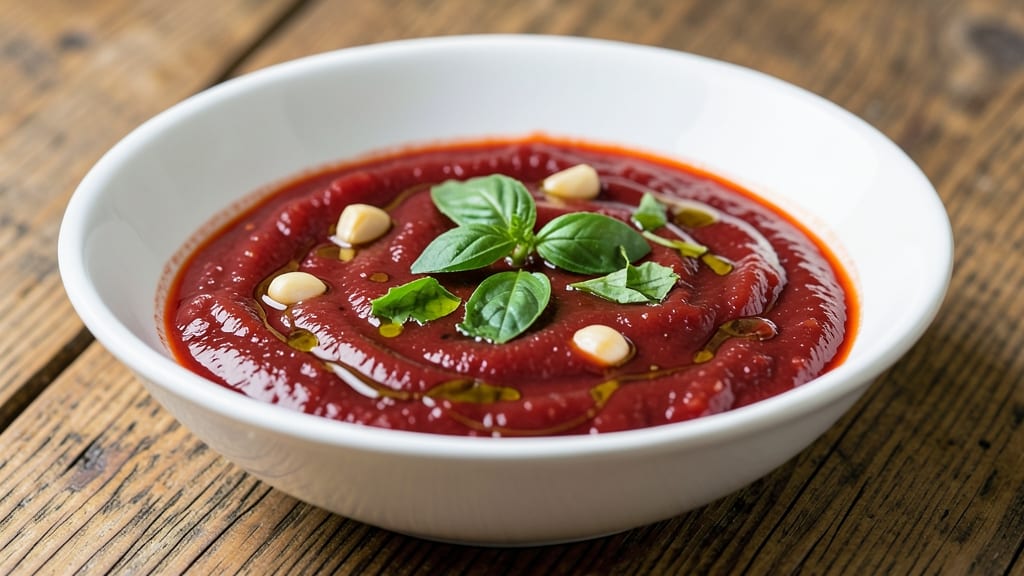
Ina Garten's marinara sauce recipe transforms simple canned tomatoes into velvety, aromatic perfection that elevates every pasta dish. The secret lies in simmering the sauce low and slow, allowing the flavors to meld while fresh basil infuses at the very end—never cooked, just steeped.
I first made this after burning through three store-bought jars that couldn't compare to the depth of homemade, and it became my go-to for weeknight dinners and holiday feasts alike.
This sauce starts with a simple foundation of canned tomatoes, garlic, and olive oil, but the magic happens in the technique. A light saute of garlic in olive oil forms the flavor base, while crushed tomatoes and a pinch of sugar create the perfect balance of sweetness and acidity.
The sauce simmers uncovered for 30 minutes, allowing excess moisture to evaporate and concentrating the flavors into a rich, glossy consistency. No blender required—just patience and attention to detail.
What you'll end up with is a sauce that's smooth yet vibrant, with bright tomato notes and fresh basil aroma that makes every bite feel like a taste of Italy. The texture is silky but not watery, clinging perfectly to pasta without overwhelming it.
This is the kind of marinara that turns simple spaghetti into a restaurant-worthy meal, and it keeps beautifully in the fridge for up to five days. Once you try it, you'll never go back to store-bought again.
For those short on time, you can use fresh tomatoes instead of canned—just peel and crush them before simmering. The sauce also freezes well, making it perfect for meal prep. Let's get started on creating your perfect marinara sauce.
Ingredients for ina garten marinara sauce
Nine simple ingredients transform into velvety, aromatic marinara that makes every pasta dish feel like a taste of Italy.
| Ingredient | Amount | Notes |
|---|---|---|
| Extra-Virgin Olive Oil 🫒 | ½ cup | High quality, fruity flavor preferred |
| Garlic Cloves 🧄 | 4 cloves | Freshly peeled, minced |
| Canned San Marzano Tomatoes 🍅 | 28 oz | Crushed or whole, no salt added |
| Granulated Sugar 🍯 | 1 tbsp | Balances acidity in tomatoes |
| Diamond Crystal Kosher Salt 🧂 | ½ tsp | Adjust to taste, not pre-salted |
| Fresh Basil Leaves 🌿 | ½ cup | Packed, stems removed for steeping |
| Dried Oregano 🍃 | ½ tsp | Mexican oregano preferred |
| Black Peppercorns 🌶️ | ¼ tsp | Freshly cracked for best flavor |
| Red Wine Vinegar 🍷 | 1 tbsp | Brightens the sauce |
| Freshly Grated Parmesan Cheese 🧀 | ¼ cup | For finishing, optional |
The tomatoes make or break this sauce. San Marzano is ideal—sweeter, meatier, and less acidic than regular canned tomatoes. Grab the 28-ounce cans at any grocery store (even Walmart has them now!). If you can't find San Marzano, Muir Glen is a solid backup. The basil? Fresh is non-negotiable here—it needs to be bright green, not wilted. I always buy more than I need because half gets torn over pasta while the other half gets steeped in the sauce. The garlic should be freshly minced—pre-minced jars have no flavor. For the olive oil, Californian or Italian varieties work best—they've got that fruity punch that makes this sauce sing.
No San Marzano? Crush fresh Roma tomatoes instead—peel and core them first. Short on basil? Dried oregano at half the amount works in a pinch, but you'll miss that fresh aroma. The red wine vinegar can be swapped for lemon juice if you're out, but it won't have the same depth. Want to skip the Parmesan? Pecorino Romano has more bite. The sugar balances the acidity—if your tomatoes are particularly tart, add an extra half teaspoon. And if you're feeling fancy, a splash of dry red wine (like Chianti) during simmering adds complexity. But honestly, this sauce is foolproof—even if you skip one thing, it'll still taste amazing.
This sauce tastes even better the next day as the flavors meld. Store in an airtight container in the fridge for up to 5 days, or freeze for 3 months. I always make double batches—one for dinner, one to freeze for lazy nights. For freezing, portion into ice cube trays and transfer to a bag. Thaw overnight in the fridge before using. The basil? Wrap it in damp paper towels in a baggie—keeps it fresh for days. And if you're prepping for a crowd, this sauce doubles easily—just scale up all ingredients by 50%.
Why You'll Love This Recipe
- No-Chop Nightmare: I swear by this sauce because you only need to smash garlic—not mince it. The cloves get crushed in the pot with olive oil, and that deep, toasted flavor happens while you stir in the tomatoes. (Between us, I’ve burned garlic before. This method forgives mistakes.)
- Sweet-Savory Balance: That tiny pinch of sugar isn’t just for show—it cuts the acidity of the San Marzanos, giving you a sauce that’s rich without being cloying. The salt (Diamond Crystal, don’t skimp!) brings it all together, so every spoonful has that bright, layered taste you’d pay $20 for at a restaurant.
- Pantry-to-Table Magic: This sauce works for everything: toss it with spaghetti, drizzle it on grilled chicken, or freeze half for next month’s lazy dinner. I’ve even used it as a braising liquid for pork chops—yes, really. The beauty? It’s always better the second day, so leftovers feel like a gift.
- Budget Buster: A can of San Marzanos and a head of garlic cost less than a fancy jarred sauce, and this recipe stretches to feed four for under $8. Honestly, I make a double batch just to have it on hand—no more last-minute takeout runs when the kids are hungry. The olive oil is the only splurge, and it’s worth every penny.
Step-by-step instructions for Ina Garten's marinara sauce recipe
This simple method delivers a rich, velvety tomato sauce with bright basil notes—just like Ina Garten's signature style.
Sauté Garlic Until Fragrant
Heat the 0.5 cup extra-virgin olive oil in a large saucepan over medium heat until shimmering but not smoking. Add the 4 cloves minced garlic cloves and cook for 1-2 minutes until golden and fragrant—not browned, just perfumed. Watch carefully; garlic burns quickly and turns bitter.
I like to stir constantly during this step to prevent burning. The garlic should smell like a fresh garden when ready. Remove the pan from heat immediately after the garlic turns golden—this stops the cooking process and preserves that bright flavor we want in the sauce.
Add Tomatoes and Seasonings
Return the pan to medium heat and add the 28 oz canned San Marzano tomatoes, crushing them by hand if they're whole. Stir in the 1 tablespoon granulated sugar, 0.5 teaspoon Diamond Crystal kosher salt, and 0.5 teaspoon dried oregano. Bring to a gentle simmer, then reduce heat to low.
The sugar helps balance the natural acidity of the tomatoes, while the oregano adds that earthy depth. Let the sauce simmer uncovered for 20-25 minutes, stirring occasionally. You'll notice the sauce thickens slightly as it reduces, and the flavors meld together beautifully.
Infuse with Basil and Vinegar
After the tomatoes have simmered, add the 0.5 cup packed fresh basil leaves and 1 tablespoon red wine vinegar. Stir well to combine, then remove from heat. The basil should wilt slightly as it infuses the sauce with its bright, sweet flavor. Let it steep for 5 minutes off the heat—this ensures maximum flavor extraction.
Here's the thing—don't skip the vinegar. It brightens the sauce and cuts through the richness of the tomatoes. The basil adds that fresh, garden-fresh quality that makes this sauce truly special. You'll know it's working when the sauce smells vibrant and aromatic.
Finish with Pepper and Parmesan
Return the sauce to low heat and add the 0.25 teaspoon cracked black peppercorns. Let them warm through for 1 minute, then stir in the 0.25 cup freshly grated Parmesan cheese (if using). The cheese adds a rich, umami depth that rounds out all the flavors.
Taste and adjust seasoning if needed—this is where you can really personalize the sauce. If it needs more salt, add a pinch of the kosher salt. If it needs brightness, add a little more red wine vinegar. The sauce should be balanced—sweet, savory, tangy, and herby all at once.
Simmer to Perfection
Let the sauce simmer gently for another 10 minutes, stirring occasionally. This final simmer allows all the flavors to come together and the sauce to reach its ideal consistency. It should coat the back of a spoon but still be light enough to drizzle over pasta.
For the perfect finish, remove from heat and let it rest for 5 minutes before serving. This resting time lets the sauce settle and the flavors meld even more. Serve immediately over your favorite pasta or use it as a base for other Italian dishes. The sauce will keep in the refrigerator for up to 5 days, or you can freeze it for up to 3 months.
Pro Tips For Making Ina Garten Marinara Sauce
- Cook Garlic Low: I learned this the hard way—burnt garlic ruins everything. Once it turns golden, immediately remove it from the pan. Even if it looks perfect, lingering too long turns bitter. Better to pull it out a shade too early than risk that acrid taste creeping into your sauce.
- Crush Tomatoes First: Skip the blender—use your hands (or a wooden spoon) to break up the San Marzano tomatoes right in the pot. The rough texture releases more juice and body, giving you a thicker, more vibrant sauce without extra fuss. Yes, it’s messy, but it works.
- Salt in Stages: Taste as you go. Add half the kosher salt upfront, then adjust at the end—tomatoes vary in saltiness, and Diamond Crystal runs saltier than table salt. Rushing this step means either bland sauce or a mouthful of salt that’ll make you regret it.
- Simmer, Don’t Boil: A rolling boil reduces the sauce too fast, turning it thin and watery. Keep it at a gentle simmer—tiny bubbles breaking the surface—so flavors meld and the texture stays rich. Patience here makes all the difference.
Make-ahead tips for leftovers
Double-Batch Prep
Make this sauce in double batches—it’s perfect for meal prep! Scale all ingredients by 50% and use a large Dutch oven (like Le Creuset) to accommodate the extra volume.
The sauce thickens beautifully when simmered in larger quantities, and you’ll have leftovers for pasta nights, pizza toppings, or even lasagna. Store extras in glass jars with tight-sealing lids for up to 5 days in the fridge. 🍝
Freezing for Later
Freeze marinara in ice cube trays for portion control—just pop out what you need later! Once frozen, transfer cubes to a ziplock freezer bag with all air squeezed out to prevent freezer burn. Label with the date and freeze for up to 3 months.
Thaw overnight in the fridge before reheating. For a quick fix, toss frozen cubes directly into simmering pasta water—they’ll thaw and blend right in. 🧊
Basil Preservation
Fresh basil is key, but storing it properly extends its life. Wrap ½ cup packed basil leaves in a damp paper towel, then place in a ziplock bag with a tiny hole for airflow.
Store in the fridge for up to 5 days—this keeps the leaves vibrant for steeping in your sauce. For even longer storage, freeze basil in oil (like extra-virgin olive oil) in an ice cube tray—just add a cube to your sauce straight from the freezer! 🌿
Sauce Consistency Hacks
If your sauce is too thin after simmering, simmer it uncovered for 5-10 more minutes to reduce. For a thicker texture, mash a few San Marzano tomato halves by hand before adding to the pot—this releases more juice and helps thicken.
Need it faster? Mix in 1 tablespoon cornstarch with 2 tablespoons water, stir in, and simmer for 2 minutes until thickened. Always taste as you go! 🔥
Pantry Staple Swaps
No San Marzano tomatoes? Use Roma tomatoes—peel, crush, and simmer for 30 minutes to break down their skins. Short on fresh basil? Swap in ½ teaspoon dried basil (but add it at the end, not during simmering).
For extra depth, stir in 1 tablespoon tomato paste with the sugar at the start. These swaps keep the sauce authentic without sacrificing flavor. 🍅
Reheating Like a Pro
Reheat sauce gently on the stovetop over low heat for 5-7 minutes, stirring occasionally. Avoid microwaving—it can make the sauce watery. For frozen sauce, thaw in the fridge overnight, then reheat slowly.
If the sauce separates, whisk in 1 tablespoon cold water to emulsify. Always taste and adjust seasoning after reheating—sauces often need a pinch of salt or a splash of vinegar to brighten. 💡
Nutrition facts
Frequently asked questions
Why does Ina Garten's marinara sauce use red wine vinegar instead of lemon juice?
The red wine vinegar adds a subtle depth and complexity that brightens the sauce without overpowering it. Unlike lemon juice, which can make the sauce taste overly sharp, vinegar enhances the tomato's natural sweetness while maintaining balance. This creates that signature Ina Garten touch—bright yet sophisticated.
Can I make this sauce without fresh basil?
Yes, but the flavor won't be the same! If you're out of fresh basil, use ½ teaspoon dried basil instead—just add it at the very end (not during simmering) to avoid bitterness. For extra depth, add a pinch of dried oregano too. The sauce will still taste delicious, but that fresh basil aroma is what makes it truly special.
How do I fix marinara sauce that's too acidic?
Add a pinch of granulated sugar (½ teaspoon at a time) to balance the acidity, or stir in a small amount of tomato paste to round out the flavors. Simmer for another 5 minutes to let the flavors meld. If it's still too tangy, a splash of heavy cream (1 tablespoon) can help smooth it out.
What's the best way to store leftovers?
Transfer cooled sauce to an airtight glass container and refrigerate for up to 5 days. For longer storage, freeze in ice cube trays—pop out what you need later! Thaw overnight in the fridge before reheating. To preserve fresh basil, wrap it in a damp paper towel and store in a sealed bag with a tiny airflow hole.
Can I use this sauce for dishes other than pasta?
This versatile sauce works perfectly for pizza toppings, lasagna layers, or even as a dip for garlic bread. It also pairs beautifully with grilled chicken or shrimp. Just adjust the seasoning slightly if using for non-pasta dishes—sometimes a pinch of extra salt or a splash of vinegar helps.