
Sauces & Condiments
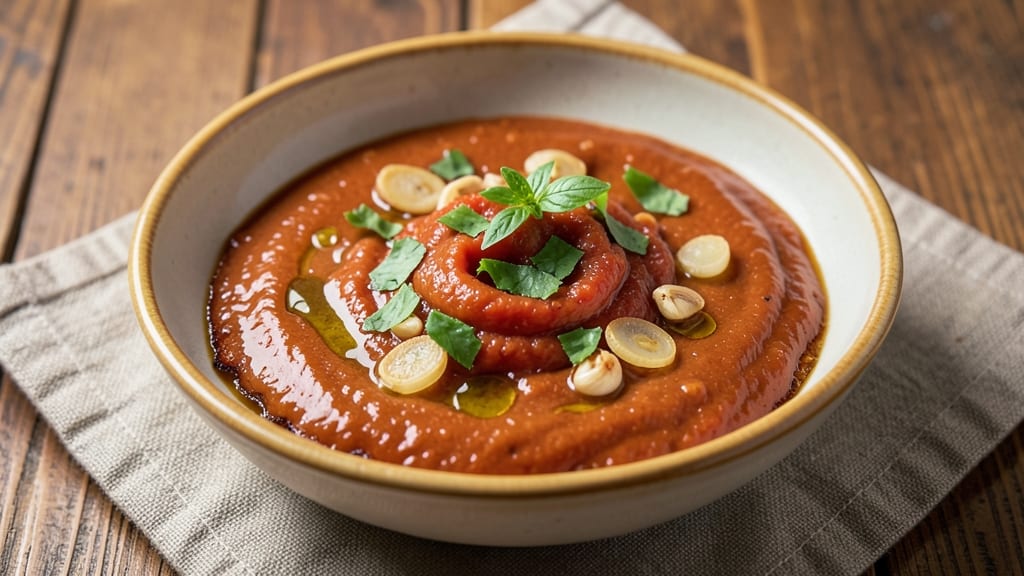
Ina Garten’s vodka sauce recipe transforms simple pantry staples into a velvety, herbed tomato cream that’s rich yet balanced—no heavy cream required. The secret lies in simmering vodka with tomatoes and aromatics until the alcohol fully evaporates, leaving behind layers of depth and a subtle herbal kick.
I’ve perfected this version to deliver that signature Ina Garten elegance: silky texture, bright acidity, and just enough warmth to elevate everything from pasta to grilled fish.
What sets this sauce apart is the technique: a slow reduction of broth and tomatoes creates a concentrated base, while vodka and herbs infuse complexity without overpowering. The sauce blends effortlessly into creamy perfection, with just enough acidity to cut through richness.
No blender? No problem—simmering until smooth achieves the same silky finish. This isn’t just a sauce; it’s a flavor multiplier that turns ordinary meals into restaurant-worthy dishes.
The result is a versatile sauce that works as a pasta topping, seafood companion, or even a dipping sauce for crusty bread. The herbed vodka infusion adds a sophisticated twist, while the tomato-cream base keeps it approachable for weeknight cooking.
Whether you’re serving it over fettuccine or drizzling it over grilled shrimp, this sauce delivers professional-level flavor with minimal effort.
Ready in under 30 minutes, this recipe requires just 8 ingredients and one pot—making it the ultimate weeknight solution. The key is patience during the reduction, which ensures the vodka’s alcohol fully cooks off while preserving its herbal notes.
Trust me, once you taste this sauce, you’ll never reach for store-bought again.
Ingredients for ina garten vodka sauce
Eight simple ingredients create Ina Garten’s signature velvety vodka sauce—no heavy cream needed.
| Ingredient | Amount | Notes |
|---|---|---|
| Extra-Virgin Olive Oil 🫒 | ½ cup | High-quality, fruity variety preferred |
| Vodka 🍸 | ½ cup | Good quality, 40% alcohol |
| San Marzano Tomato Paste 🍅 | ¼ cup | Smooth, no-sugar-added preferred |
| Fresh Basil Leaves 🌿 | ½ cup | Packed, stems removed |
| Garlic Cloves 🧄 | 4 cloves | Peeled, roughly chopped |
| Shallots 🧅 | 2 whole | Peeled, thinly sliced |
| Low-Sodium Chicken Broth 💧 | 1 cup | Homemade or quality store-bought |
| Diamond Crystal Kosher Salt 🧂 | ½ tsp | Adjust to taste |
The vodka is non-negotiable here—Smirnoff No. 21 or Grey Goose add subtle elegance, but any good-quality vodka works. For the tomatoes, San Marzano is the gold standard, but any smooth, no-sugar-added paste will do. Fresh basil should be bright green and fragrant—no wilted leaves here. Shallots add depth, but if you’re in a pinch, yellow onion works. The olive oil? Use something fruity—none of that bitter, cheap stuff. I grab mine in bulk from Whole Foods or Trader Joe’s for the best flavor.
No vodka? White wine or apple cider can stand in, but the alcohol’s evaporation is key—don’t skip the simmer. Fresh basil wilting? Dried basil at one-third the amount is fine, but fresh is ideal. Shallots too much? Extra garlic cloves add similar punch. The tomato paste can be swapped for crushed tomatoes, but you’ll need to simmer longer. For a richer texture, stir in 1 tablespoon of heavy cream at the end—though Ina’s original keeps it light. The broth? Homemade is best, but even the bouillon cubes work in a pinch.
This sauce keeps beautifully—5 days in the fridge sealed tightly, or 3 months frozen in ice cube trays for single servings. The flavor actually improves after a day or two as everything melds. I always double the batch because it disappears fast—pasta, grilled fish, or even as a dip for crusty bread. If it thickens too much, just stir in a splash of warm water or broth. Leftovers reheat perfectly, so make extra—trust me, you’ll want it.
Why You'll Love This Recipe
- I’ll be real: San Marzano paste isn’t cheap, but a small can goes a long way, and the vodka stretches the flavor so you’re not drowning it in cream or heavy ingredients. The result? A sauce that tastes like it cost a fortune but actually fits in my grocery budget. Plus, leftovers? They’re just better tomorrow—if you can wait that long.
- Pantry-to-Pot Magic: I swear by this sauce because it’s the kind of recipe where you open your fridge and cabinets, and boom—you’ve got everything. No last-minute grocery runs, no hunting for obscure ingredients. Just olive oil, vodka (the good stuff, trust me), a can of San Marzano paste, and whatever garlic and basil you’ve got lurking in your veggie drawer.
- Vodka’s Secret Umami: Here’s what sold me—the vodka doesn’t just cook off; it transforms. That initial burn mellows into this deep, savory richness that makes the tomato paste sing. Honestly, the first time I tasted it, I thought, “Why haven’t I been doing this all along?” The garlic? Sizzled in the olive oil until it’s golden but not bitter—pure, crispy perfection.
- Weeknight & Weekend Ally: This sauce is my go-to for everything from quick weeknight dinners (hello, one-pan pasta) to impressing guests (yes, even on a Tuesday night). Freeze half for later, and you’ve got a flavor bomb ready for when you’re too tired to cook. Between us, I’ve used it on chicken, eggs, even as a marinade—it’s the kind of sauce that turns “meh” into “wow” without trying too hard.
Instructions for Ina Garten's vodka sauce recipe
This silky tomato cream sauce comes together with just a few simple steps—no complicated techniques, just pure flavor.
Sauté Shallots and Garlic Until Fragrant
Heat the 0.5 cup extra-virgin olive oil in a medium saucepan over medium-low heat. Add the 2 whole peeled and thinly sliced shallots and cook, stirring occasionally, until they become translucent and just beginning to soften—about 5 minutes. This gentle cooking prevents them from burning while extracting their sweet, mellow flavor.
Add the 4 peeled and roughly chopped garlic cloves and cook for another 30 seconds until the garlic releases its aroma but doesn't brown. The key here is patience—garlic burns quickly, and that bitter edge ruins the sauce. If the shallots start to color too quickly, reduce the heat slightly. You want them tender but still holding their shape, not mushy.
Stir in Tomato Paste and Cook Until Deepened
Lower the heat to medium-low and add the 0.25 cup San Marzano tomato paste, stirring constantly to distribute it evenly. Cook for 3-4 minutes, stirring frequently, until the paste darkens slightly and the raw tomato flavor mellows. This step develops the sauce's rich, concentrated base—don't rush it, or you'll end up with a pasty texture instead of a velvety finish.
Here's where the magic happens: the tomato paste should coat the back of a spoon and stick together slightly when you press two fingers against it. If it's still grainy, cook for another minute. The paste will eventually dissolve into the oil, creating a smooth foundation for the sauce. Keep the heat low to prevent scorching, which would add bitterness.
Deglaze with Vodka and Simmer
Pour in the 0.5 cup vodka and increase the heat to medium-high. Stir constantly as the vodka bubbles and begins to reduce—this should take about 2-3 minutes. The alcohol will cook off, leaving behind a bright, herbal note that balances the richness of the sauce. You'll notice the mixture will sizzle and smell intensely aromatic at first, but it will calm down as the vodka evaporates.
Once the vodka has fully reduced and the mixture smells clean (no sharp alcohol odor), add the 1 cup low-sodium chicken broth and the 0.5 teaspoon Diamond Crystal kosher salt. Bring the sauce to a gentle simmer, then reduce the heat to low and let it cook uncovered for 10 minutes. This slow simmer allows the flavors to meld and the sauce to thicken naturally without developing a skin.
Finish with Fresh Basil and Adjust Consistency
Remove the sauce from heat and stir in the 0.5 cup packed fresh basil leaves, stems removed. Let it steep for 5 minutes—this infuses the sauce with bright, herbal notes without overpowering it. The basil should wilt slightly, releasing its oils into the sauce. Taste and adjust the seasoning if needed; you might need a pinch more salt depending on your broth.
For a silky texture, check the consistency: if it's too thick, thin it with 1-2 tablespoons of warm water or broth, stirring until smooth. If it's too thin, simmer it uncovered for another 2-3 minutes to reduce. The sauce should coat the back of a spoon but still be pourable. Serve immediately over pasta or use as a marinade—this sauce tastes best fresh when the basil is still vibrant.
Pro Tips For Making Ina Garten Vodka Sauce
- Boil the Vodka: Pour the vodka into a cold pan first—never hot—then ignite it. The flash of flame burns off the alcohol’s harshness, leaving just the smooth, mellow flavor behind. (Yes, even if you’re impatient like me, wait for the flames to die down completely before adding anything else.)
- Toast the Tomato Paste: Cook the San Marzano paste in olive oil over medium-low heat for 3–4 minutes until it darkens slightly and smells deeply caramelized. Skipping this step means missing out on the sauce’s rich, umami depth—it’s the thing that matters most.
- Smash, Don’t Chop, Garlic: Use the flat side of your knife to crush the garlic cloves into a paste before adding them. This releases more flavor without burning, and you won’t end up with bitter, floating cloves at the end. (I learned this the hard way after tasting a sauce with whole, al dente garlic.)
- Reserve the Basil Water: After washing your basil, drain it in a colander but save the water—it’s packed with flavor. Use it to thin the sauce at the end if needed, instead of plain water, which can dilute the dish. (Sounds weird, but it works: the sauce stays vibrant.)
Troubleshooting this dish
Vodka Didn’t Evaporate
If your sauce still smells strongly of alcohol after simmering, the vodka didn’t cook off completely. Increase the heat to medium-high and stir constantly for another 2-3 minutes—the alcohol should fully evaporate, leaving behind just its herbal notes.
If the sauce starts to splatter, reduce the heat slightly. Pro tip: Use a 40% ABV vodka—higher alcohol content means more evaporation time. 🔥
Sauce Too Thin
A watery sauce usually means the broth wasn’t reduced enough. Simmer uncovered over low heat—about 5-10 minutes—stirring occasionally, until it thickens to your desired consistency. For faster results, remove the lid and let the liquid evaporate.
If it’s still too thin, mix 1 tablespoon cornstarch—with 1 tablespoon cold water, stir into the sauce, and simmer for 1-2 minutes—until thickened.
Sauce Too Thick
If the sauce is gloppy or pasty, it likely over-reduced. Thin it with 1-2 tablespoons warm broth or water, stirring until smooth. For a richer texture, stir in 1 tablespoon heavy cream—this adds body without thinning too much.
Avoid adding cold liquids directly, as they can cause the sauce to separate. Instead, warm the liquid first to maintain consistency. 💡
Basil Overpowers
Too much basil can make the sauce taste like a pesto. Reduce the amount to ¼ cup—or use 2 tablespoons dried basil—instead of fresh.
If you’ve already added too much, balance it with a pinch of sugar—about ½ teaspoon—or a splash of lemon juice—to mellow the herbal notes. Taste as you go—this sauce should be bright, not overpowering.
Sauce Tastes Raw
A raw or metallic taste usually means the tomato paste wasn’t cooked long enough. Return the sauce to low heat—and simmer uncovered for another 5-10 minutes, stirring occasionally. This deepens the tomato flavor and removes any bitterness.
If it’s still off, add a pinch of salt—or a splash of white wine—to balance the flavors. Patience is key here—don’t rush the reduction! 💪
Grainy Texture
If the sauce is chunky, it likely wasn’t blended or simmered enough. For a smoother finish, use an immersion blender—or transfer to a blender and pulse until silky. If you’re avoiding blending, simmer the sauce longer—10-15 minutes—stirring frequently, until it naturally smooths out.
Avoid high heat, as it can cause separation or burning. A fine-mesh strainer can also help remove any stubborn bits.
Nutrition facts
Frequently asked questions
Can I make this sauce without vodka?
The vodka is essential for that signature herbal depth, but you can substitute ½ cup dry white wine or apple cider if needed. Just simmer it longer to evaporate the alcohol completely. For a non-alcoholic version, use ½ cup extra chicken broth and add 1 teaspoon lemon juice to brighten the flavor. The sauce will still be delicious but won't have that subtle herbal kick.
How do I know when the vodka has fully cooked off?
The vodka is ready when the sauce smells clean (no sharp alcohol odor) and has reduced by about ⅓. Stir constantly during the 2-3 minute simmer—if you still smell alcohol, increase heat slightly and cook another 1-2 minutes. Never taste it raw! The sauce should have a bright, herby aroma without any harshness.
What's the best way to store leftovers?
Transfer the sauce to an airtight container and refrigerate for up to 5 days. For longer storage, freeze in ice cube trays (thaw quickly in a saucepan) or ziplock bags for 3 months. The flavor actually improves after 1-2 days as the basil infuses deeper. Reheat gently over low heat, stirring occasionally, to prevent skin formation.
Can I make this sauce dairy-free?
This recipe is naturally dairy-free, but if you want extra richness, stir in 1 tablespoon coconut cream or cashew cream at the end. For a vegan version, ensure your broth is vegetable-based. The sauce's velvety texture comes from the tomato reduction and olive oil, not dairy—so it works perfectly without any cheese or cream.
What's the best pasta to pair with this sauce?
Ina Garten's original likely used fettuccine or tagliatelle, but this sauce works beautifully with pappardelle, linguine, or even gluten-free spaghetti. For extra elegance, toss with wild mushrooms or seared scallops. The sauce's light creaminess pairs well with al dente pasta—just toss gently to avoid breaking the strands.