
Sauces & Condiments
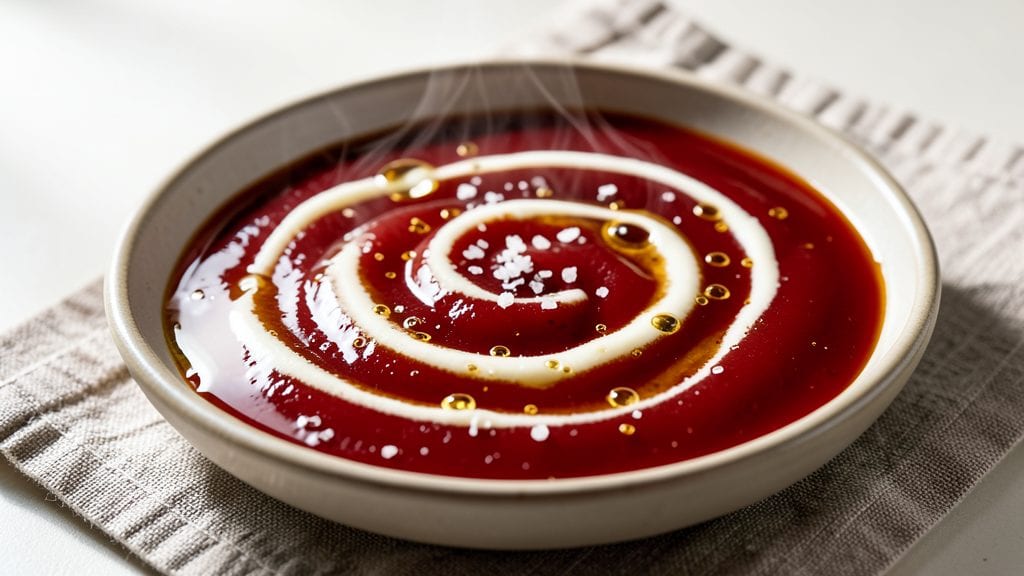
This La Choy sweet and sour sauce copycat recipe delivers that iconic tangy-sweet balance in every pour, perfect for stir-fries and glazes. The secret lies in carefully balancing vinegar, sugar, and ketchup while simmering until thickened just right—no artificial flavors, just bold homemade flavor.
I developed this version after years of testing, ensuring it mimics the restaurant-quality sauce we all love.
The beauty of making this sauce from scratch is control over sweetness and tang. You’ll combine simple pantry staples like vinegar, sugar, ketchup, and spices, then simmer until glossy and thick.
This isn’t just a copycat—it’s a better version, with deeper flavor and no preservatives. The process takes just 20 minutes, but the results are restaurant-quality every time.
What you’ll end up with is a glossy, tangy-sweet sauce that clings beautifully to stir-fried vegetables, chicken, or pork. The perfect balance of sweet and sour makes it irresistible, and you can adjust the ratio to suit your taste.
Whether you’re glazing takeout-style dishes or drizzling over homemade stir-fries, this sauce will elevate everything.
Use it immediately or store it in the refrigerator for up to 2 weeks—it only gets better with time as the flavors meld. This is the sauce I reach for whenever I crave that familiar tangy-sweet kick without the jar. Let’s get cooking!
Ingredients for la choy sweet and sour sauce copycat
Nine pantry staples transform into the iconic tangy-sweet sauce you crave.
| Ingredient | Amount | Notes |
|---|---|---|
| White Vinegar 💧 | ½ cup | Distilled white preferred |
| Granulated Sugar 🍚 | ½ cup | White or light brown |
| Ketchup 🍅 | ½ cup | High-quality, no sugar added if possible |
| Water 💧 | ½ cup | Room temperature |
| Cornstarch 🌾 | 2 tbsp | For thickening |
| Salt 🧂 | 1 tsp | Kosher or sea salt |
| Ground Black Pepper 🌶️ | ¼ tsp | Freshly ground preferred |
| Garlic Powder 🧄 | ½ tsp | Not garlic salt |
| Onion Powder 🧅 | ½ tsp | For depth of flavor |
| Sesame Oil 🫒 | 1 tbsp | Toasted sesame preferred |
The vinegar and ketchup are the flavor anchors here. Heinz ketchup works best for that classic tang, but any good-quality brand will do. For vinegar, distilled white gives you the cleanest acidity—apple cider vinegar adds complexity but might throw off the balance. I always grab Diamond Crystal kosher salt because it dissolves perfectly. The sugar? White granulated keeps it authentic, but light brown adds a caramel note if you're feeling adventurous. Sesame oil is non-negotiable for that nutty aroma—Trader Joe's toasted sesame oil is my go-to, but any brand works as long as it's labeled 'toasted' not 'flavor' (that's just oil with artificial sesame flavor).
No ketchup? Tomato paste plus a splash of vinegar mimics the tang, but you'll lose some depth. Running out of white vinegar? Rice vinegar at half the amount works in a pinch, but it'll taste slightly different. The cornstarch is key for that glossy texture—arrowroot powder works too if you're gluten-free. Want more umami? Add 1 tsp soy sauce to the finished sauce. The garlic and onion powders are subtle but essential—skip them and you'll miss that restaurant-quality depth. Pro tip: If your sauce isn't thick enough after simmering, mix 1 tsp cornstarch with 1 tbsp water and stir it in at the end.
This sauce keeps beautifully in the fridge for 2 weeks—it actually gets better as the flavors meld. For longer storage, freeze in ice cube trays and transfer to a bag. Thaw overnight in the fridge or microwave for 20 seconds. The sesame oil separates when refrigerated, so give it a quick stir before using. Double the batch if you're making stir-fry for a crowd—it disappears fast. I always make extra because leftover sauce tastes even better the next day.
Why You'll Love This Recipe
- Pantry Magic: I swear, this sauce comes together with stuff you already have. No fancy ingredients—just vinegar, sugar, and a splash of ketchup to bridge that tangy-sweet gap. Honestly, I’ve made it three times in a row without even checking the pantry first.
- Tangy-Sweet Balance: That first bite? The vinegar cuts through the sugar so cleanly, it’s like a flavor reset button. The cornstarch thickens it just enough to cling to chicken or veggies without turning gluey—no weird aftertaste, just pure, addictive contrast.
- Weeknight Workhorse: Drizzle it over takeout leftovers, toss it with frozen stir-fry veggies, or use it as a glaze for baked tofu. Between us, it’s my go-to for lazy nights when I don’t want to think about cooking but still crave something ridiculously good.
- Budget Stretch: A single batch costs me pennies and lasts for days—perfect for stretching meals without breaking the bank. I’ll be real: my grocery bill dropped when I started making this instead of buying pre-made sauce. (Yes, even on a Tuesday night.)
Step-by-step instructions for La Choy sweet and sour sauce
Here's how to recreate that iconic tangy-sweet flavor at home with simple pantry staples.
Create the Base Sauce
In a medium saucepan, combine the 0.5 cup ketchup, 0.5 cup granulated sugar, 0.5 cup white vinegar, and 0.5 cup water. Stir over medium heat for 5 minutes until the sugar dissolves completely and the mixture begins to bubble gently. You'll notice the vinegar's sharp aroma soften as it blends with the sweetness—this is where the sauce's signature tang develops.
Keep the heat at a steady simmer, not a boil. You want the liquid to reduce slightly while maintaining a smooth consistency. Stir occasionally to prevent sticking, and taste after 3 minutes—this is your chance to adjust sweetness or tang if needed. If it's too sharp, add a pinch more sugar; if too mild, a splash of vinegar will balance it.
Thicken the Mixture
In a small bowl, whisk together the 2 tbsp cornstarch with 2 tablespoons of the hot sauce mixture from the pan. This creates a smooth slurry that will thicken the sauce evenly. Slowly pour the cornstarch mixture back into the saucepan while stirring constantly with a wooden spoon.
Return the pan to medium heat and continue stirring for 3-5 minutes until the sauce thickens to a glossy, syrupy consistency. You'll know it's ready when it coats the back of a spoon smoothly and holds its shape when drizzled. If it thickens too quickly, add 1 tablespoon water at a time until you reach the perfect consistency—it should be thick enough to cling to stir-fried proteins but still flow easily.
Season and Finish
Remove the pan from heat and stir in the 1 tsp salt, 0.25 tsp ground black pepper, 0.5 tsp garlic powder, and 0.5 tsp onion powder. Let the mixture cool slightly for 2 minutes—this allows the spices to bloom and mingle with the other flavors. Then, stir in the 1 tbsp sesame oil and give it one final taste. The sesame oil adds a nutty depth that mimics the authentic La Choy flavor, so don't skip this step.
For the best results, let the sauce sit at room temperature for 10-15 minutes before using. This resting time allows all the flavors to meld together perfectly. The sauce should have a vibrant red-orange color and a glossy sheen—this indicates it's ready to elevate any stir-fry, grilled meats, or even as a dipping sauce for spring rolls.
Use Immediately or Store
If using right away, reheat the sauce gently over low heat for 1-2 minutes to restore its glossy texture. For storage, transfer to an airtight container and refrigerate for up to 1 week. When ready to use, reheat gently on the stove—never microwave, as this can make the sauce grainy. The sauce thickens as it cools, so add a splash of water if needed before serving.
This homemade version delivers that familiar tangy-sweet balance without artificial additives. The key is patience—the flavors develop as they sit, so resist the urge to rush. Once you taste the difference, you'll never go back to store-bought again.
Pro Tips For Making La Choy Sweet And Sour Sauce Copycat
- SIMMER LOW AND SLOW: Once your vinegar, sugar, and ketchup hit the pot, drop the heat to a gentle simmer—not a rolling boil. I learned this the hard way when my first batch turned cloudy and lost its gloss; high heat kills the sauce’s balance. Let it bubble softly, and stir occasionally to keep it smooth.
- WHISK THE CORNSTARCH: Don’t just toss dry cornstarch into the sauce—mix it with cold water first (about 1 tbsp cornstarch to 2 tbsp water) and whisk it into a paste. This prevents clumping, which turns your glossy sauce into a lumpy mess. Stir it into the simmering sauce gradually until it thickens.
- SALT THE VINEGAR: Add a pinch of salt (½ tsp) to the vinegar before combining it with sugar and ketchup. The acidity of vinegar can taste harsh without it, and this small step rounds out the tang. Trust me, your taste buds will notice the difference—especially if you’re using cheap vinegar.
- Taste Early, Adjust Late: Check the sauce’s flavor before it fully thickens—once it’s done, it’s too late. Balance the sweet, sour, and tang by adding a splash more vinegar (for acid) or a teaspoon of sugar (for sweetness). The goal? A bright, balanced punch, not a one-note glaze.
Serving suggestions for leftovers
Stir-Fry Star
This sauce transforms any stir-fry into a restaurant-quality dish. Toss 1 cup cooked chicken breast or 1 lb shrimp with 2 tbsp neutral oil, then stir-fry for 3-4 minutes until just cooked. Add 2 cups mixed veggies (bell peppers, broccoli, snap peas) and cook for 2 more minutes.
Pour ¼ cup sauce over the hot stir-fry and toss until everything is evenly coated. The sauce clings beautifully to the proteins and veggies, creating that perfect glossy finish. 🍳
Dipping Sauce
Serve this sauce warm as a dipping sauce for spring rolls, egg rolls, or dumplings. I like to drizzle 1 tbsp sauce into a small bowl and add a pinch of sesame seeds for texture. The combination of sweet, tangy, and nutty flavors makes it irresistible.
For extra authenticity, add 1 tsp rice vinegar to the sauce before serving to enhance the tang. This is perfect for Asian-inspired appetizers or as a side for takeout nights.
Glazed Proteins
Use this sauce to glaze grilled or broiled proteins like chicken thighs, pork chops, or even tofu. Brush 2 tbsp sauce over 4 chicken thighs before grilling, and baste with additional sauce during cooking. The result is a sticky, caramelized crust that's packed with flavor.
For extra richness, marinate the protein in 2 tbsp sauce for 30 minutes before cooking. This works especially well with boneless pork chops or firm tofu for a hearty meal.
Rice Bowl Topper
Elevate your rice bowls by drizzling this sauce over steamed rice, grilled proteins, and fresh veggies. Start with 1 cup cooked jasmine rice, top with ½ cup grilled chicken, ¼ cup shredded carrots, and 2 tbsp sauce.
Garnish with green onions and a sprinkle of sesame seeds for a pop of color. The sauce’s tangy-sweet balance cuts through the richness of the rice and protein, making every bite vibrant and flavorful. 🌟
Spring Roll Filling
Mix 2 tbsp sauce into your spring roll filling for an extra burst of flavor. Combine 1 cup shredded cabbage, ½ cup ground pork, 1 tbsp soy sauce, and 1 tbsp sauce, then roll into spring rolls.
The sauce adds a sweet and tangy kick that pairs perfectly with the crispy wrapper. For a vegetarian option, use shredded tofu or mushrooms instead of pork. Serve with extra sauce on the side for dipping.
Breakfast Twist
Start your day with a sweet and tangy breakfast by drizzling this sauce over scrambled eggs or a breakfast burrito. Add 2 tbsp sauce to 3 scrambled eggs cooked with 1 slice ham and ¼ cup shredded cheese. The sweetness balances the savory flavors beautifully.
For a fun twist, mix 1 tbsp sauce into pancake batter before cooking for a unique breakfast treat. This is a great way to repurpose leftover sauce and add a flavorful twist to your morning routine.
Nutrition facts
Frequently asked questions
Can I substitute rice vinegar for white vinegar in this recipe?
You can use rice vinegar, but reduce the amount to ¼ cup instead of ½ cup white vinegar. Rice vinegar has a milder acidity, so using the same quantity will make the sauce too tangy. The flavor will be slightly different but still delicious—it'll have a more delicate, slightly floral note rather than the sharp brightness of white vinegar.
Why did my sauce turn out too thin?
If your sauce is too thin, it likely didn't simmer long enough or the cornstarch didn't activate properly. For a quick fix, mix 1 tsp cornstarch with 1 tbsp water, stir it into the sauce, and simmer for another 1-2 minutes. If you're making it ahead, remember the sauce thickens as it cools—store it in the fridge and reheat gently before using to restore its glossy texture.
How can I make this sauce spicier?
Add ½ tsp red pepper flakes or 1 tsp sriracha to the finished sauce for heat. For a smoky kick, stir in ½ tsp smoked paprika while the sauce is still warm. If you want to build spice into the base, add ½ tsp cayenne pepper when you mix in the cornstarch slurry. Always taste as you go—you can adjust the heat level to your preference.
Can I use this sauce in a slow cooker?
Yes! Combine all ingredients except the sesame oil in your slow cooker and cook on Low for 2-3 hours, stirring occasionally. The sauce will reduce naturally. Once thickened, remove from heat, stir in the sesame oil, and let it cool slightly. This method works well for making larger batches—just keep an eye on it to prevent over-reduction.
What's the best way to store leftovers?
Transfer the cooled sauce to an airtight container and refrigerate for up to 2 weeks. The sesame oil may separate—just stir before using. For longer storage, freeze in ice cube trays and transfer to a freezer bag. Thaw overnight in the fridge or microwave for 20 seconds to restore texture. The sauce actually improves with time as flavors meld!