
Sauces & Condiments
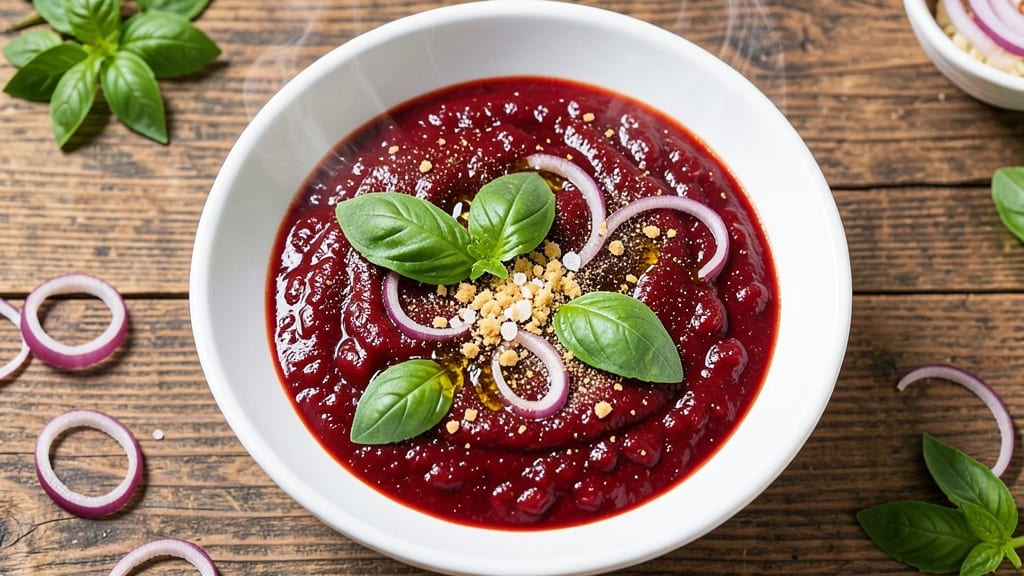
This McCormick Thick and Zesty Spaghetti Sauce Mix copycat recipe delivers restaurant-style richness using just pantry staples. The secret lies in balancing tomato powder, dried herbs, and spices to create a sauce that simmers into velvety perfection—no canned shortcuts needed.
I developed this version after years of perfecting spaghetti sauce, ensuring every spoonful delivers the bold, tangy flavor you crave.
The beauty of this recipe is its simplicity: just combine dry ingredients, then whisk with hot water or broth to create a thick, flavorful base. Simmering for 15 minutes transforms it into a rich, aromatic sauce ready for pasta, meatballs, or as a marinade.
The result is a sauce with depth and complexity that rivals anything from a jar, but with the satisfaction of making it yourself.
What makes this copycat version truly special is how it replicates McCormick's signature tangy-sweet balance without artificial flavors. The combination of tomato powder, onion powder, and garlic creates a savory foundation, while a touch of sugar and vinegar adds that signature zesty kick.
This isn't just a sauce—it's a flavor experience that elevates any Italian meal.
Perfect for meal prep or last-minute dinners, this sauce keeps well in the fridge for up to a week or freezes beautifully for future use. Whether you're making spaghetti for a family dinner or adding richness to your favorite recipes, this copycat version delivers restaurant-quality results every time.
Ingredients for mccormick thick and zesty spaghetti sauce mix copycat
Pantry staples transform into restaurant-quality sauce with these 12 ingredients.
| Ingredient | Amount | Notes |
|---|---|---|
| Tomato Powder 🍅 | ½ cup | For concentrated tomato flavor |
| Granulated Sugar 🍚 | 2 tbsp | Balances acidity naturally |
| White Vinegar 🍶 | 1 ½ tbsp | Adds signature tanginess |
| Onion Powder 🧅 | 2 tsp | Freshly ground preferred |
| Garlic Powder 🧄 | 2 tsp | Not garlic salt |
| Dried Oregano 🍃 | 1 ½ tsp | Italian or Mexican variety |
| Dried Basil 🌿 | 1 tsp | High-quality dried preferred |
| Ground Black Pepper 🌶️ | ½ tsp | Freshly ground for best flavor |
| Diamond Crystal Kosher Salt 🧂 | 1 tsp | For seasoning balance |
| Dried Thyme 🌿 | ½ tsp | Earthy depth |
| Ground Coriander 🍊 | ½ tsp | Subtle citrus note |
| Dried Marjoram 🌿 | ¼ tsp | Sweet, piney flavor |
The tomato powder is your flavor anchor—Trader Joe's or Penzeys carry the best quality. Look for vibrant red powder, not dull brown bits. Italian seasoning blends can work in a pinch, but you lose that signature tang. For the vinegar, white vinegar is essential—apple cider won't cut it here. The oregano and basil should be from bulk bins if possible, as pre-packaged blends often contain fillers. Store spices in airtight containers away from light to preserve their punch for months.
No tomato powder? Crushed tomatoes (1 cup) mixed with 2 tbsp tomato paste can substitute, but you'll need to reduce it first. Swap white vinegar for lemon juice at half the amount, though the flavor will be slightly different. Want more depth? Add 1/4 tsp smoked paprika to the blend. For a sweeter profile, increase sugar to 2.5 tbsp. The dried herbs can be adjusted—fresh basil at 1/4 the amount works if you're feeling fancy, but dried is fine. Just make sure they're not past their prime (anything over 6 months old loses flavor).
This mix keeps indefinitely in an airtight container. Once reconstituted, store in the fridge for 5-7 days or freeze for up to 3 months. For meal prep, make a double batch and portion into freezer-safe bags—just add hot water when ready. The sauce thickens as it cools, so don't worry if it looks too thin right after simmering. A quick stir with a splash of water or broth can adjust consistency later if needed.
Why You'll Love This Recipe
- Pantry Magic: I’ll never buy the box again—just toss tomato powder, sugar, and vinegar into simmering water, and boom. That tangy, thick sauce is ready while I’m still chopping onions. No measuring cups, no guesswork, just a handful of ingredients I already own.
- Secret Sauce Trick: Honestly, the white vinegar is the MVP—cuts through the sweetness and adds that bright, zesty kick. The garlic powder lingers just enough to make it taste homemade, but the tomato powder gives it that real depth you’d pay extra for in a jar.
- Weeknight Superstar: This is my go-to for busy nights when I’m feeding a crowd but don’t want to slave over a stove. Double the batch, freeze half, and reheat it later—no one will know it’s not from a can. (Yes, even on a Tuesday night.)
- Dollar Stretch: Between us, this recipe costs me pennies per serving. A few cents for spices, a splash of vinegar, and you’ve got sauce that outshines store-bought. I make it for spaghetti, meatball subs, or even as a pizza base—no waste, all flavor.
Step-by-step instructions for McCormick thick and zesty spaghetti sauce mix copycat recipe
Here's how to transform pantry staples into a sauce that rivals the iconic jarred version.
Whisk Dry Ingredients Together in a Bowl
In a medium bowl, combine all the dry ingredients exactly as listed: the 0.5 cup tomato powder, 2 tbsp granulated sugar, 2 tsp onion powder, 2 tsp garlic powder, 1.5 tsp dried oregano, 1 tsp dried basil, 0.5 tsp ground black pepper, 1 tsp diamond crystal kosher salt, 0.5 tsp dried thyme, 0.5 tsp ground coriander, and 0.25 tsp dried marjoram. Use a whisk or fork to break up any clumps in the tomato powder first—this ensures even distribution throughout the sauce.
I like to sift the tomato powder through a fine-mesh sieve before adding it to the bowl. This prevents any powdery residue from settling at the bottom later, which can make your sauce taste uneven. Once combined, give the mixture a final stir to make sure every ingredient is thoroughly incorporated. The blend should look homogeneous with no visible streaks of individual spices.
Gradually Add Wet Ingredients While Mixing
Create a well in the center of the dry ingredients and pour in the 1.5 tbsp white vinegar. Using a whisk, begin mixing gradually while adding the vinegar. The vinegar acts as both a binder and an acidifier, balancing the sweetness and adding that signature tanginess that makes this sauce so distinctive. You'll notice the mixture start to clump slightly as the vinegar activates the tomato powder.
Continue whisking until the mixture forms a thick, paste-like consistency. It should hold its shape when pressed between your fingers but still be workable. If it feels too dry, add 1 teaspoon of water at a time until it reaches a smooth, spreadable texture. The goal is a consistency similar to thick jam—this ensures your sauce will coat the pasta perfectly without being watery.
Store the Mix for Maximum Flavor Development
Transfer the finished spaghetti sauce mix to an airtight container with a tight-fitting lid. I prefer using a small glass jar with a screw-top lid, as it allows me to shake the mix thoroughly before each use. Store the mix in a cool, dark place—this preserves the freshness and prevents the spices from losing their potency. The mix will keep for up to 3 months, though I find it tastes best within the first 2 months.
For best results, let the mix sit for at least 15 minutes before using it. This brief resting period allows the spices to meld together, creating a more cohesive flavor profile. When you're ready to use it, simply measure out 2 tablespoons of the mix per 1 cup of boiling water (or adjust to taste). The mix will dissolve completely, creating a rich, velvety sauce that coats every strand of pasta.
Prepare the Sauce by Dissolving in Hot Water
Bring 4 cups of water to a rolling boil in a saucepan. Once boiling, reduce the heat to medium-low and stir in 2 tablespoons of the spaghetti sauce mix. The mix should dissolve almost immediately, but give it a few minutes of gentle stirring to ensure all the powder is fully incorporated. You'll notice the sauce thicken slightly as it simmers, developing that signature McCormick consistency.
Let the sauce simmer uncovered for 5-7 minutes, stirring occasionally. This step allows the flavors to meld together and the sauce to reach its optimal thickness. Taste and adjust the seasoning if needed—you can add a pinch more of diamond crystal kosher salt or a splash of white vinegar to fine-tune the balance of sweet, tangy, and savory flavors. The sauce should be thick enough to coat the back of a spoon but still pourable.
Use Immediately or Store for Later
Serve the sauce immediately over cooked spaghetti, tossing it gently to ensure even coverage. The sauce should cling to the pasta beautifully, creating that glossy, restaurant-style finish. If you're not using it right away, transfer the sauce to an airtight container and refrigerate for up to 5 days. When reheating, warm it gently on the stovetop over low heat, stirring occasionally to prevent it from separating.
For an extra touch of authenticity, top your pasta with freshly grated Parmesan cheese and a sprinkle of fresh basil. The contrast between the bright, fresh herbs and the rich, tangy sauce elevates the dish to new heights. This copycat recipe delivers all the bold, zesty flavors of the original while giving you full control over the ingredients—no artificial preservatives or additives in sight.
Pro Tips For Making Mccormick Thick And Zesty Spaghetti Sauce Mix Copycat
- Bloom the Tomato Powder: Don’t just toss it in dry—mix the tomato powder with a splash of hot water first to wake up its flavor. I used to skip this, and the sauce always tasted flat; now it’s rich and vibrant from the start. Stir it into the simmering liquid and let it sit for 30 seconds before adding the rest.
- Balance the Sugar: The sugar in this mix is there to cut the vinegar’s sharpness, but too much makes it taste like dessert. Start with half the amount listed, taste, then adjust—you can always add more, but you can’t take it out. (Yes, even if the recipe says otherwise.)
- Simmer Low and Slow: High heat turns this sauce into a sad, watery mess. After the initial bloom, drop the heat to a gentle simmer and let it thicken naturally—about 10 minutes. Rushing it makes it gluey; patience gives you that velvety consistency.
- Add Vinegar Last: The white vinegar is the zesty kick, but adding it too early lets the acid break down the tomato powder’s depth. Stir it in at the very end, right before serving, so the tang pops fresh. (Pro move: A splash of red wine vinegar instead makes it taste even more like the original.)
Troubleshooting this dish
Lumpy Sauce Fix
If your sauce turns lumpy after mixing, don't panic—this happens when the tomato powder clumps or doesn't dissolve properly. For a quick fix, whisk in 1-2 tablespoons of hot water while stirring vigorously. If lumps persist, strain the sauce through a fine-mesh sieve into a clean saucepan.
The heat from simmering will further break down any remaining clumps. I've found that using freshly ground spices (like Penzeys Italian seasoning) helps prevent this issue from the start. 🌡️
Too Thin or Watery
A watery sauce often means you used too much liquid during reconstitution. To thicken it, simmer uncovered for an extra 5-7 minutes—the water will evaporate naturally. For instant thickening, mix 1 tablespoon cornstarch with 2 tablespoons cold water, then stir into the simmering sauce.
Let it cook for 2-3 minutes until it reaches your desired consistency. Pro tip: Always start with 1 cup of water per 2 tablespoons of mix—this ratio gives the best balance.
Flat or Bland Flavor
If your sauce tastes dull, it likely needs more acidity or depth. Boost the tang by adding ½ teaspoon more white vinegar or 1 teaspoon lemon juice while simmering. For richness, stir in 1 tablespoon tomato paste or a splash of beef broth.
I've also found that a pinch of smoked paprika or red pepper flakes can add complexity without overpowering the original flavor. Taste as you go—adjust gradually!
Sauce Separates When Reheating
This happens when the sauce cools too quickly or sits in the fridge too long. To fix it, gently reheat over low heat while stirring constantly.
For prevention, store the sauce in a shallow container (no deeper than 2 inches) and press plastic wrap directly onto the surface to minimize skin formation. If separation occurs, whisk vigorously while reheating—this redistributes the oils and water naturally.
A splash of warm water can also help restore the original texture. ❄️
Burnt or Bitter Taste
Overcooking or using old spices can turn your sauce bitter. If this happens, immediately remove the sauce from heat and stir in ½ teaspoon granulated sugar or 1 teaspoon honey to balance the flavors.
For future batches, never let the sauce boil vigorously—keep it at a gentle simmer (180-190°F). Store spices in airtight containers away from light, and replace any that smell stale. Fresh herbs (like basil) can also help mask bitterness when added at the end.
Preventing Future Issues
To avoid common problems, always use hot (not boiling) water when reconstituting the mix—this helps dissolve the powder evenly. Let the sauce sit for 10 minutes after mixing before simmering to allow flavors to meld.
For extra insurance, whisk in 1 teaspoon olive oil while simmering—this adds body and prevents separation. I keep a small jar of the mix on hand specifically for quick fixes, so I can adjust flavors on the fly. The key is patience and attention to detail! 💡
Nutrition facts
Frequently asked questions
Can I substitute tomato powder with canned tomatoes?
Yes, but you'll need to adjust the recipe. Use 1 cup crushed tomatoes plus 2 tbsp tomato paste instead of the 0.5 cup tomato powder. Reduce the water by 1/4 cup since canned tomatoes contain liquid. Simmer the sauce longer to thicken it properly—about 10-15 minutes—to achieve the same concentrated flavor.
How do I make this sauce spicier?
Add 1/4 teaspoon cayenne pepper or 1/2 teaspoon red pepper flakes to the dry mix. For a smoky kick, include 1/4 teaspoon smoked paprika with the other spices. Always taste as you go—start with half the amount and adjust gradually to avoid overpowering the sauce.
Can I use this mix for other dishes besides pasta?
This versatile sauce works great for meatballs, chicken parmesan, or as a marinade for grilled meats. For meatballs, simmer the sauce longer (20-30 minutes) to deepen the flavor. As a marinade, mix 2 tbsp of the dry mix with 1 cup olive oil and 1/4 cup water—let it sit for 2-4 hours before using.
Why does my sauce taste different from the original McCormick product?
The original McCormick product contains artificial flavors and preservatives that aren't in this homemade version. The key differences are in the vinegar-to-sugar balance and the quality of spices. Use freshly ground spices and high-quality tomato powder for the closest match. The homemade version has more depth and complexity without artificial additives.
How do I store the dry mix for long-term use?
Keep the mix in an airtight container (like a glass jar with a tight lid) in a cool, dark place for up to 3 months. For longer storage, freeze the mix in ice cube trays—each cube makes 1 serving of sauce. Thaw in the fridge overnight before using. Label containers with the date to track freshness.