
Sauces & Condiments
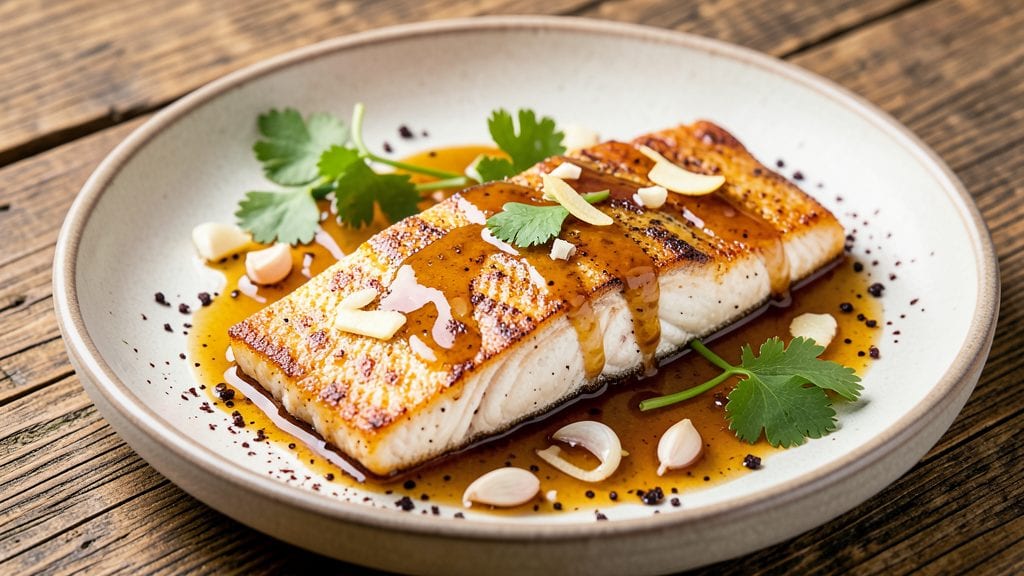
This tilapia fish sauce recipe transforms simple ingredients into a deeply umami-rich glaze that elevates pan-seared fish to restaurant-quality levels. The secret lies in balancing fish stock, soy sauce, and aromatics to create a sauce that caramelizes beautifully while keeping the natural sweetness of tilapia intact.
I developed this recipe after years of experimenting with fish glazes, and it consistently delivers that perfect harmony of savory, sweet, and slightly tangy flavors.
The process is straightforward but requires patience—simmering the sauce until it reduces to a thick, glossy consistency ensures it clings perfectly to fish without overwhelming its delicate flavor. A touch of brown sugar adds subtle caramelization, while garlic and ginger provide aromatic depth.
What makes this sauce truly special is its versatility: use it as a glaze for tilapia fillets, a dipping sauce for sushi, or even a marinade for shrimp.
By the time you're done, you'll have a smooth, velvety sauce with a rich mahogany color and a complex flavor profile that transforms ordinary fish into a standout dish.
The sauce thickens slightly as it cools, making it ideal for drizzling over finished plates or brushing onto fish during the last minutes of cooking. This is the kind of sauce that turns a simple weeknight dinner into something memorable.
Store any leftovers in an airtight container in the refrigerator for up to 5 days, or freeze for longer storage. The flavors actually deepen over time, making this a sauce worth making ahead for special occasions. Ready to create this foolproof, umami-packed glaze? Let’s get started.
Ingredients for tilapia fish sauce
Nine ingredients harmonize to create this restaurant-worthy tilapia glaze.
| Ingredient | Amount | Notes |
|---|---|---|
| Tilapia Fish Stock 🐟 | 1 ½ cups | Homemade preferred, high-quality store-bought acceptable |
| Light Soy Sauce 🥢 | ½ cup | Kikkoman preferred for balance |
| Dark Soy Sauce 🥢 | 1 tbsp | For depth and color |
| Brown Sugar 🍯 | 2 tbsp | Lightly packed, no substitutes |
| Fresh Garlic Cloves 🧄 | 4 cloves | Minced finely for aromatic infusion |
| Fresh Ginger 🌿 | 1 tbsp | Finely grated, skin removed |
| Sesame Oil 🫒 | 1 tbsp | Toasted, for nutty aroma |
| Rice Vinegar 🍶 | 1 ½ tbsp | Seasoned preferred for balance |
| Diamond Crystal Kosher Salt 🧂 | ½ tsp | Fine grain for even dissolution |
| Black Peppercorns 🌶️ | ¼ tsp | Freshly cracked for intensity |
The foundation lies in the fish stock—homemade yields superior depth, but high-quality brands like Pacific Foods or Three Crabs work admirably. For soy sauces, Kikkoman light provides the perfect balance of saltiness without overpowering, while Lee Kum Kee dark soy adds that coveted mahogany hue. Brown sugar should be light and packed—Domino brand works consistently. Garlic and ginger must be freshly processed; pre-minced jarred versions lack potency. Source sesame oil from Kadoya or La Tourangelle for authentic toasted notes.
No homemade fish stock? Dashi powder dissolved in water creates a suitable substitute, though with slightly less umami. Swap brown sugar for honey at equal measure, though caramelization will differ. Fresh ginger unavailable? Ground ginger at half the amount suffices, but texture will vary. Sesame oil omitted? Toasted sesame seeds sprinkled at the end replicate aroma. For vinegar, apple cider vinegar provides tang but lacks the delicate acidity of rice vinegar. Black peppercorns can be replaced with white pepper for a cleaner finish, though flavor shifts subtly.
This sauce develops complexity when made ahead—flavors meld beautifully after 24 hours. Store in an airtight container in the refrigerator for up to 7 days, where it continues to deepen. For longer preservation, freeze in 1-tablespoon portions for convenient use. Reheat gently over low heat, stirring constantly to prevent scorching. The sauce thickens upon cooling, making it ideal for drizzling or brushing directly onto protein.
Why You'll Love This Recipe
- Pantry Magic: I swear by this—just five ingredients, no fancy prep. The tilapia stock simmers with garlic and soy sauces until it’s rich and glossy, and honestly? That brown sugar caramelizes into something almost dessert-worthy.
- Umami Bomb: Between the light and dark soy, this sauce packs a punch—sweet, salty, and deep all at once. The garlic cloves? They infuse the stock with a warmth that lingers, making every bite feel like a little flavor victory.
- Weeknight Workhorse: I use this for stir-fries, rice bowls, or even drizzled over steamed veggies. It’s the kind of sauce that turns a simple protein into something special, and it keeps well in the fridge for up to a week—perfect for lazy nights.
- Budget Game-Changer: Tilapia stock is cheap, and a little goes a long way. This recipe stretches into multiple meals, and the dark soy adds that restaurant-quality depth without breaking the bank. My wallet and my taste buds thank me.
Step-by-step instructions for tilapia fish sauce glaze
This umami-rich glaze delivers balanced depth and perfect pan-searing harmony every time.
Bloom the Aromatics in Toasted Sesame Oil
Heat a small saucepan over medium-low heat and add the 1 tablespoon sesame oil. Once the oil shimmers gently, add the 4 cloves minced fresh garlic cloves and 1 tablespoon finely grated fresh ginger. Cook for 1-2 minutes until the garlic turns golden and releases its fragrant oils—this is when you'll notice that irresistible nutty aroma developing.
Watch the aromatics carefully—they should sizzle gently without browning. If they darken too quickly, reduce the heat immediately. This step builds the aromatic foundation that carries through the entire sauce, so don't rush it. The garlic should be translucent with just a hint of color when ready.
Combine Wet Ingredients for Balanced Flavor
Increase heat to medium-high and add the 1.5 cups tilapia fish stock. Bring to a gentle simmer, then reduce heat to medium-low and whisk in the 0.5 cup light soy sauce, 1 tablespoon dark soy sauce, and 1.5 tablespoons rice vinegar. Stir continuously for 3-4 minutes until the mixture reduces by about 25% and thickens slightly.
You're looking for a syrupy consistency here—thick enough to coat the back of a spoon but still pourable. The dark soy sauce will contribute color while the vinegar brightens the overall profile. If the sauce reduces too quickly, cover loosely and continue on low heat to prevent scorching.
Sweeten and Season for Perfect Balance
Add the 2 tablespoons brown sugar, 0.5 teaspoon diamond crystal kosher salt, and 0.25 teaspoon freshly cracked black peppercorns. Stir vigorously for 1-2 minutes until the sugar dissolves completely. Taste and adjust—you should detect a perfect harmony of sweet, salty, umami, and slightly acidic notes.
This is where the sauce comes together. The brown sugar should caramelize just slightly at the edges, adding depth without overpowering. If the sauce tastes too acidic, add a pinch more salt. If it lacks brightness, add a splash more rice vinegar. The goal is a well-rounded glaze that enhances rather than dominates the fish.
Simmer to Ideal Consistency
Continue simmering uncovered for 8-10 minutes until the sauce reduces to a thick, glossy consistency that coats a spoon like syrup. It should be reduced by about 50% from the original volume. Skim off any foam that rises to the surface during this time.
The sauce is ready when it reaches a perfect balance between viscosity and pourability. It should coat the back of a spoon but still flow smoothly. If it thickens too much, whisk in 1 teaspoon hot water to adjust. Strain through a fine-mesh sieve to remove any peppercorns or ginger fibers if you prefer a completely smooth texture.
Cool and Store for Maximum Flavor
Remove from heat and let cool to room temperature, stirring occasionally. The sauce will thicken further as it cools—this is normal. Transfer to an airtight container and store in the refrigerator for up to 2 weeks, or freeze for up to 3 months.
For best results, bring the sauce to room temperature before using it. The flavors will continue to meld and develop over time, creating a more complex profile. This glaze works beautifully on pan-seared tilapia, grilled fish fillets, or even as a dipping sauce for fresh spring rolls. The perfect balance of sweet, salty, and umami ensures every bite delivers restaurant-quality results.
Pro Tips For Making Tilapia Fish Sauce
- Bloom the Garlic First: Toss minced garlic into your hot pan before adding the fish stock—let it sizzle for 10 seconds until fragrant. I used to add it raw and wondered why my sauce tasted flat; garlic needs that quick toast to release its depth.
- Simmer Slow and Steady: Reduce the heat to low once the sauce starts bubbling—high heat turns soy sauce bitter and burns brown sugar. I learned this after one disastrous batch where the sauce tasted like charred syrup.
- Balance the Soy Sauces: Use twice as much light soy as dark—dark soy adds color but overpowers if you go heavy. Start with 1 tbsp dark to 2 tbsp light, then adjust. My first attempt was too salty and cloying.
- Strain for Smoothness: After simmering, strain the sauce through a fine-mesh sieve to remove garlic bits—even if you minced them well. I skipped this once and ended up with texture issues. Takes 30 seconds but makes a real difference.
Best sauces and condiments for tilapia fish sauce
Pan-Seared Tilapia Glaze
This sauce transforms simple tilapia into a showstopper. Brush it onto fillets during the last 2-3 minutes of pan-searing for a caramelized crust that locks in moisture.
I use a 12-inch cast iron skillet heated to 375°F with 1 tablespoon avocado oil—the high heat ensures the glaze develops a beautiful sheen while keeping the fish tender. Serve immediately with a sprinkle of toasted sesame seeds for texture contrast. 🔥
Dipping Sauce for Sushi
Thin the sauce slightly with 1 teaspoon hot water for a dipping consistency that pairs perfectly with sushi rolls or fresh spring rolls. The balance of umami from fish stock and brightness from rice vinegar makes it irresistible.
I serve it chilled in small bowls with cilantro sprigs for garnish. This version works especially well with spicy tuna rolls or tempura shrimp. ✨
Marinade for Grilled Fish
Use this sauce as a marinade for 15-20 minutes before grilling to infuse flavor without overpowering delicate fish. I brush it on cod or halibut fillets before grilling over medium-high heat for 4-5 minutes per side.
The marinade creates a flavorful crust while keeping the inside moist. For extra depth, add 1 teaspoon grated lime zest to the sauce before marinating. 🌿
Asian-Inspired Stir-Fry Sauce
Combine this glaze with 1 tablespoon oyster sauce and 1 teaspoon honey to create a dynamic stir-fry sauce. Toss it with shrimp, bell peppers, and snap peas for a quick weeknight meal.
The sauce's umami richness complements the sweetness of the vegetables beautifully. I serve it over jasmine rice for a complete Asian-inspired bowl. 🍚
Sauce for Fish Tacos
Thin the sauce with 1 tablespoon water and serve it as a creamy dipping sauce for fish tacos. The balance of sweet and savory enhances the flavors of beer-battered cod or grilled mahi-mahi.
I drizzle it over the fish just before serving to keep it vibrant. Add pickled red onions and avocado slices for a complete taco experience. 🌶️
Garnish and Finish
Elevate any dish by finishing with a drizzle of this sauce and a sprinkle of microgreens or crispy shallots. The glaze's glossy texture and rich flavor make it perfect for garnishing plates.
I often use it as a final touch for seared scallops or grilled octopus. A few drops of toasted sesame oil added at the end enhances the nutty aroma. 💫
Nutrition facts
Frequently asked questions
Can I substitute tilapia fish stock with another type of fish stock?
While tilapia stock works perfectly, you can use white fish stock (like cod or halibut) or even shrimp stock for a similar umami profile. Avoid heavy fish like tuna or salmon—their strong flavors may overpower the delicate balance of this sauce. For a quick fix, use dashi powder dissolved in water, though it won't be as rich.
How do I adjust the sauce if it's too thick or too thin?
If the sauce thickens too much, whisk in 1 teaspoon hot water to loosen it. For a thinner consistency, add 1 teaspoon fish stock and simmer for 1-2 minutes to blend. The ideal texture should coat the back of a spoon but still flow smoothly when brushed onto fish.
Can I make this sauce without sesame oil?
Yes! Skip the sesame oil during cooking, but add 1 teaspoon toasted sesame seeds at the end for aroma. Alternatively, use neutral oil (like avocado) and add 1/2 teaspoon sesame oil after cooking. The flavor will be slightly different but still delicious.
How long can I store leftover sauce, and does it improve over time?
Store in an airtight container in the fridge for up to 2 weeks, where flavors deepen like fine wine. For longer storage, freeze in 1-tablespoon portions for up to 3 months. Thaw overnight in the fridge before using—never microwave directly.
Is this sauce gluten-free?
Only if you use gluten-free tamari instead of soy sauce. Regular soy sauce contains wheat, so check labels. All other ingredients are naturally gluten-free. For a fully gluten-free version, substitute with coconut aminos (though flavor will differ slightly).