
Sauces & Condiments
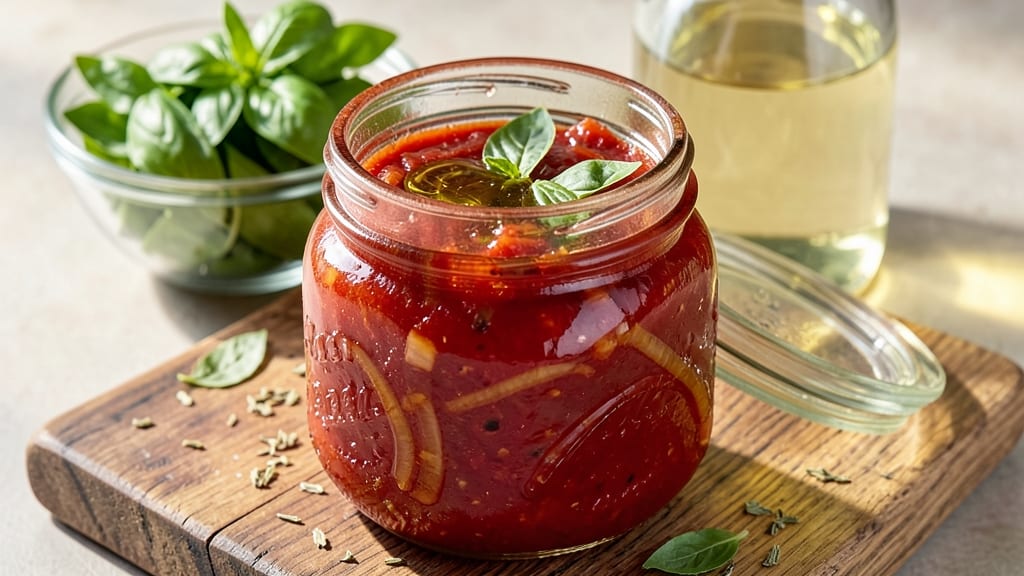
Preserving homemade marinara sauce through ball canning transforms summer's harvest into months of rich, layered flavor—this Ball canning marinara recipe ensures your pantry stays stocked with restaurant-quality sauce that develops deeper complexity over time.
The secret lies in slow-cooking tomatoes until their natural sugars caramelize, while precise canning techniques guarantee safety and shelf stability for up to 18 months. I've perfected this method after years of testing, balancing traditional Italian roots with modern convenience for home cooks.
This recipe delivers a versatile marinara that works as a base for pasta, pizza, or braising meat, with a texture that's neither watery nor overly thick.
The process begins with sterilizing jars and lids to prevent spoilage, then simmering tomatoes, garlic, and herbs until the flavors meld into a harmonious blend. What sets this apart is the optional addition of umami-rich ingredients like sun-dried tomatoes or anchovies, which elevate the sauce without overpowering its classic profile.
By following these step-by-step canning instructions, you'll achieve a sauce that's safe for long-term storage while retaining vibrant color and bold flavor. The key is maintaining proper acidity—either through added vinegar or naturally acidic tomatoes—to create an environment where harmful bacteria can't thrive.
Each jar becomes a time capsule of summer's bounty, ready to transform any meal with a spoonful of authentic Italian taste.
Whether you're prepping for winter or simply reducing food waste, this method ensures you'll always have high-quality marinara on hand. The slow-cooked base develops deeper notes over time, making older batches even more flavorful.
Store jars in a cool, dark place, and remember to check seals annually for freshness. For those new to canning, I've included detailed safety guidelines to build confidence in preserving your own sauce.
Ingredients for ball canning marinara sauce
San Marzano tomatoes, fresh basil, and Ball jars—this trio unlocks months of rich marinara flavor.
| Ingredient | Amount | Notes |
|---|---|---|
| San Marzano Tomato Crushed 🍅 | 4 lbs | Whole or crushed, no liquid added |
| Extra-Virgin Olive Oil 🫒 | ½ cup | High quality, fruity variety |
| Yellow Onion 🧅 | 1 whole | Medium size, diced |
| Garlic Cloves 🧄 | 6 cloves | Peeled, roughly chopped |
| Fresh Basil Leaves 🌿 | ½ cup | Packed, stems removed |
| White Wine Vinegar 🍷 | ¼ cup | For acidity and brightness |
| Sea Salt 🧂 | 1 ½ tbsp | Diamond Crystal preferred |
| Ground Black Pepper 🌶️ | ½ tsp | Freshly cracked |
| Dried Oregano 🌿 | 1 tbsp | Italian variety preferred |
| Ball Mason Jars 🍶 | 8 pieces | Pint or half-pint size |
| Ball Mason Jar Lids 🔒 | 8 pieces | New lids for sealing |
| Optional Sun-Dried Tomatoes 🍅 | ¼ cup | Oil-packed, chopped |
San Marzano tomatoes are the secret weapon here—their sweet, meaty texture makes all the difference. Grab the 4 lb bag from Trader Joe's or any reputable grocery store, but avoid canned tomatoes with added salt or preservatives. The basil should be vibrant green, not wilted—farmers markets often have fresher leaves. For the jars, Ball Mason jars in pint or half-pint sizes work best; check the lids are new and unopened. The vinegar is critical for safety—white wine vinegar adds brightness without overpowering the tomato flavor. If you're using sun-dried tomatoes, oil-packed ones blend better than dried ones.
No San Marzano tomatoes? Roma tomatoes work in a pinch, but you'll need to strain out seeds. Fresh basil? Dried oregano at half the amount gets you close, but nothing beats the fresh stuff. Short on vinegar? Lemon juice works too—just use the same amount. The optional sun-dried tomatoes can be swapped for anchovies at 2 pieces for extra umami. For the jars, any brand will do as long as they're canning-safe—just avoid thin glass that might crack during processing. If you're new to canning, practice with a small batch first to get comfortable with the process.
This sauce keeps 18 months in a cool, dark pantry—check seals annually. For best flavor, use within the first year. The jars are perfect for gifting—label them with the date so you know what's freshest. If you're canning for the first time, follow the water bath times precisely—under-processing can be dangerous. Store jars upright for the first 24 hours, then they can be moved. The sauce thickens as it ages, so add a splash of water when reheating if it's too stiff. Freeze extras in ice cube trays for single-serving convenience.
Why You'll Love This Recipe
- No-Fuss Simplicity: I swear by this recipe because it’s basically foolproof—just crush the tomatoes, sauté onions and garlic in olive oil, then let the basil steep. No blenders, no peeling mountains of tomatoes, just pure, hands-off flavor.
- San Marzano Magic: Between us, those plump crushed tomatoes are the star. They’re sweet, meaty, and actually low-acid, so they caramelize beautifully in the jars. The olive oil ties it all together with that rich, fruity depth—no shortcuts here.
- Pantry Powerhouse: This sauce is my weeknight lifesaver: toss it with pasta, dollop on pizza, or use it as a braising liquid for chicken. Honestly, I’ve even frozen extra jars to throw into soups later. It’s the kind of thing that makes you feel like a meal-prep genius.
- Zero-Waste Victory: Here’s what sold me—every last drop gets used. The scraps? Toss them in a simmer pot for broth. The leftover basil stems? Finely chop and mix back in. Even the jars don’t go to waste; I repurpose them for jams or short-term storage. Budget-friendly and eco-friendly? Yes, please.
Step-by-step instructions for preserving homemade marinara sauce
This method builds rich, layered flavor while ensuring perfect canning safety every time.
Sauté Aromatics Until Deeply Fragrant
Heat the 0.5 cup extra-virgin olive oil in a large Dutch oven over medium heat. Add the 1 whole yellow onion and 6 cloves garlic cloves, cooking for 8-10 minutes until the onion becomes translucent and the garlic releases its pungent aroma. You'll know it's ready when the garlic just begins to turn golden—don't let it brown or it'll turn bitter.
This slow cooking process develops the base flavor without burning. I like to stir occasionally to ensure even cooking, especially around the edges where aromatics tend to stick. The oil should be shimmering but not smoking—if it gets too hot, reduce the heat slightly and let it stabilize before continuing.
Build the Sauce with Tomatoes and Acid
Add the 4 lbs san marzano tomato crushed to the pot, stirring to combine with the aromatics. Bring to a gentle boil, then reduce heat to medium-low and simmer uncovered for 45-60 minutes until the sauce thickens slightly and the raw tomato flavor mellows. Stir in the 0.25 cup white wine vinegar, 1.5 tbsp sea salt, 0.5 tsp ground black pepper, and 1 tbsp dried oregano, mixing well.
Here's where the magic happens: the vinegar adds brightness and helps preserve the sauce during canning. Taste the sauce now—it should be rich but still slightly acidic. If you're using the 0.25 cup optional sun-dried tomatoes, add them now and simmer for another 10 minutes to let their flavors meld. The sauce should coat the back of a spoon but still be pourable.
Finish with Fresh Basil and Prepare for Canning
Remove the pot from heat and stir in the 0.5 cup fresh basil leaves. Let the sauce steep for 15 minutes to infuse the basil's aroma before proceeding. Meanwhile, prepare your canning setup: fill a large pot with 2-3 inches of water and place a rack inside. Heat this water to 180°F—this will be used for processing the jars.
I like to use a slotted spoon to remove any large basil stems that might remain. The sauce should now have a vibrant red color with deep, complex flavors. Taste again and adjust seasoning if needed—remember, canning concentrates flavors, so it's better to err slightly on the mild side now. Ladle the hot sauce into the prepared 8 pieces ball mason jars, leaving ½-inch headspace at the top.
Process Jars for Long-Term Storage
Wipe the jar rims with a clean, damp cloth to ensure a perfect seal. Place the 8 pieces ball mason jar lids on the jars and screw on the bands until fingertip-tight. Lower the jars into the 180°F water bath using a jar lifter, ensuring they're fully submerged. Process pint jars for 35 minutes and half-pint jars for 30 minutes from the time the water returns to a full rolling boil.
This processing time creates a vacuum seal that preserves the sauce for up to 18 months when stored in a cool, dark place. Don't forget to time from when the water boils again after adding the jars—this is critical for proper sterilization. After processing, remove the jars and let them cool undisturbed for 12-24 hours. You'll hear the satisfying "ping" as the lids seal.
Test Seals and Store Properly
After cooling, check each lid by pressing in the center—if it doesn't pop back up, the seal is good. Remove the bands and label your jars with the date. The sauce will continue to develop flavor as it ages, becoming even more complex over time. Store in a pantry or cellar where temperatures stay between 50-70°F for best results.
When ready to use, simply open a jar and reheat gently on the stove. The sauce should be rich, balanced, and full of those deep canned tomato flavors that develop over months. This method preserves not just the sauce, but the effort and love you put into making it fresh—every spoonful will remind you of that perfect simmer on the stovetop.
Pro Tips For Making Ball Canning Marinara Sauce
- Simmer Slow and Low: After burning the first batch, I learned—don’t rush this. Once the onions are soft and garlic’s perfume fills the kitchen, drop the heat to a bare simmer (think gentle bubbles, not rolling). San Marzanos need 2–3 hours to break down into that velvety, jammy texture, and high heat turns them mushy or bitter. Trust me, the flavor pays off.
- Finely Dice That Onion: I used to chop onions roughly, and the sauce always had little crunchy bits. For ball canning, aim for a dice so fine it’s almost paste-like—this ensures even distribution and no texture surprises in your jars. A sharp knife and a steady hand make this easier than it sounds.
- Skip the Fresh Basil Early: Adding basil at the start releases its oils too soon, turning the sauce bitter. Instead, stir in a handful of leaves during the last 10 minutes of simmering, then fish them out before canning. For extra flavor, freeze a few leaves in olive oil cubes—drop one into each jar later.
- Salt the Tomatoes First: This isn’t just about seasoning—it’s about science. Sprinkle 1–2 teaspoons of kosher salt directly over the crushed San Marzanos before cooking. It draws out excess water, concentrates the flavor, and makes the sauce thicker when canned. No need to add more later; the jars will balance it out.
Common mistakes when making great ball canning marinara sauce
Skipping Acidification
One of the biggest mistakes is underestimating the importance of acidity in canned marinara. Without sufficient acid (from vinegar or naturally acidic tomatoes), harmful bacteria like Clostridium botulinum can thrive. I always add the full 0.25 cup white wine vinegar—never skip it, even if your tomatoes seem acidic.
For extra safety, use San Marzano tomatoes, which have a natural pH around 4.2-4.5, but still measure acidity with a pH strip if possible. 🌡️
Improper Headspace
Leaving too little or too much headspace ruins both safety and texture. The ½-inch headspace is critical—any less risks seal failure, while more can cause the sauce to spoil or become too thick. Use a headspace gauge or a ruler to measure precisely.
I once ruined a batch by eyeballing it, and the sauce turned into a thick paste that wouldn't pour. Always measure from the rim of the jar, not the top of the sauce.
Overfilling Jars
Packing jars too tightly forces sauce out during processing, creating messy seals and potential contamination risks. When ladling sauce, stop when it's ½-inch from the rim—this gives the sauce room to expand as it heats.
I use a slotted spoon to skim excess foam from the pot before filling jars to avoid overflow. After processing, check for any sauce residue on jar rims and wipe it clean with a damp cloth before sealing.
Incorrect Processing Times
Processing too short risks spoilage, while over-processing can make the sauce mushy. Follow the 35 minutes for pints and 30 minutes for half-pints guidelines precisely—this assumes your water bath reaches 212°F. I use a canning thermometer to verify temperature before timing begins.
Never adjust times based on altitude unless you're above 1,000 feet, where additional minutes are required. Always time from when the water returns to a full rolling boil after jars are added.
Reusing Lids
Old or reused lids won't create a proper seal, compromising safety. Always use new Ball Mason jar lids—they're designed to seal only once. I keep a supply of new lids on hand because once a lid is used (even if it seals), it can't be reused.
The rubber gasket loses elasticity over time, making future seals unreliable. Store lids in a cool, dry place away from direct sunlight to maintain their quality. If a lid doesn't seal after processing, refrigerate the jar and use the sauce within 1 week.
Storing in Direct Sunlight
Heat and light degrade sauce quality and can cause jars to overheat, weakening seals. Store your canned marinara in a cool, dark pantry (ideal temperature: 50-70°F). I keep mine in a dedicated cabinet away from the stove and windows.
Direct sunlight can also cause the sauce to darken prematurely and lose its vibrant color. If you notice any jars with cloudy or discolored sauce, discard them immediately—these are signs of spoilage. Always check seals annually and rotate older jars to the front for use first.
Nutrition facts
Frequently asked questions
Can I use regular tomatoes instead of San Marzano?
Yes, but you may need to adjust the acidity. Regular tomatoes like Roma work well, but their lower acidity means you should add an extra 1 tablespoon of vinegar per pint jar for safety. For best results, blend or crush them thoroughly to remove excess liquid. The sauce will still taste great, though San Marzano tomatoes provide a sweeter, more consistent flavor.
How do I know if my canned marinara is spoiled?
Check for these red flags: cloudy or discolored sauce, foul odors, bulging or leaking lids, or mold. If any jar fails the seal test (lid pops up when pressed), discard it immediately. Spoiled sauce can be dangerous, so when in doubt, throw it out. Properly sealed jars should last 18 months in a cool, dark place.
Can I add meat or mushrooms to this canned marinara?
No, this recipe is designed for safe low-acid canning. Adding meat or mushrooms lowers the acidity level, creating a risk for harmful bacteria. For meat sauces, use separate canning methods like pressure canning. You can add these ingredients after opening the jar when reheating, but never before canning. The sauce's acidity is what keeps it safe for long-term storage.
What's the best way to reheat canned marinara?
Gently warm on the stove over low heat while stirring frequently to prevent scorching. If the sauce seems too thick after canning, add a splash of water or broth when reheating. Never microwave directly from the jar—this can cause temperature unevenness and potential seal failure. For best results, transfer to a saucepan and simmer for 5-10 minutes until fully heated through.
Can I make this sauce without vinegar?
Only if you're using tomatoes with proven high acidity (pH 4.6) and adding lemon juice to reach 0.5 ounces per pint of acidity. Test with pH strips for safety. The vinegar isn't just for preservation—it also brightens the flavor. For a vinegar-free version, use 1 tablespoon of bottled lemon juice per pint jar instead. Always verify acidity levels when skipping vinegar.