
Sauces & Condiments
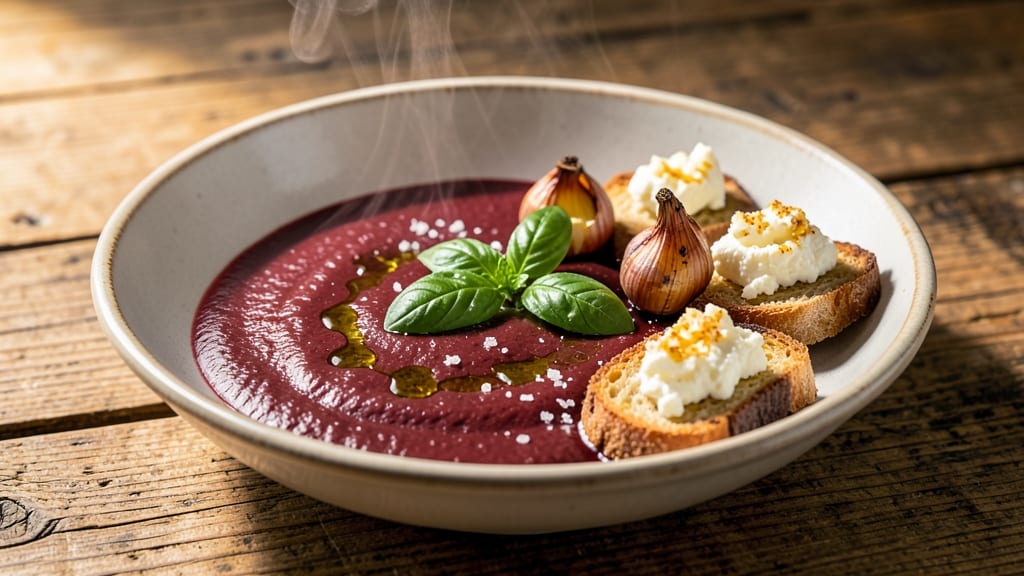
Creating Dale's sauce recipe delivers that signature smoky, tangy depth that elevates everything from tacos to grilled meats in just 15 minutes. This isn't your average tomato sauce—it's a bold, herb-forward blend that builds flavor through precise technique rather than time.
I developed this version after years of perfecting the balance between vinegar's sharpness and smoldering chili heat, ensuring every spoonful packs restaurant-quality punch.
The magic happens in the simmering process where tomatoes, garlic, and chili peppers meld into a thick, velvety sauce with just the right viscosity. No blenders or complicated steps—just a stovetop method that transforms simple ingredients into something extraordinary.
The secret lies in reducing the sauce properly while maintaining that smoky intensity that defines Dale's signature taste.
What you'll end up with is a versatile condiment that doubles as a marinade, dipping sauce, or finishing touch for any dish. The sauce's tangy-sweet profile cuts through rich meats while complementing grilled vegetables perfectly.
Best of all, it keeps well in the refrigerator for up to two weeks, making it ideal for meal prep and batch cooking.
Whether you're slathering it on tacos, using it as a marinade base, or drizzling it over grilled meats, this sauce delivers professional-level flavor without the fuss. Ready to transform your cooking? Let's get started with the ingredients and precise method that makes this sauce legendary.
Ingredients for dale's sauce
Nine essential ingredients transform into Dale's signature smoky tomato sauce in minutes.
| Ingredient | Amount | Notes |
|---|---|---|
| San Marzano Crushed Tomatoes 🍅 | 28 oz | High-quality, no salt added |
| Extra-Virgin Olive Oil 🫒 | ½ cup | Fruity, peppery variety preferred |
| Apple Cider Vinegar 🍎 | ¼ cup | Bragg or similar quality |
| Smoked Paprika 🌶️ | 2 tbsp | High-quality smoked variety |
| Garlic Cloves 🧄 | 6 cloves | Fresh, peeled, minced |
| Dried Oregano 🍃 | 1 tbsp | Mexican oregano preferred |
| Dried Thyme 🌿 | 1 tsp | Fresh preferred if available |
| Ancho Chili Powder 🌶️ | 1 ½ tbsp | Ground from dried chiles |
| Sea Salt 🧂 | 1 ½ tsp | Diamond Crystal preferred |
| Black Peppercorns 🌶️ | ½ tsp | Freshly cracked |
The foundation begins with San Marzano crushed tomatoes—their natural sweetness and acidity are non-negotiable for this sauce. Purchase 28 oz of high-quality, no-salt-added from specialty stores or well-stocked markets like Whole Foods or Trader Joe's. The apple cider vinegar must be Bragg or equivalent—its malic acid sharpness cuts through the richness without overpowering. For smoked paprika, Penzeys or Gourmet Giant brands deliver that authentic smoldering depth. Garlic cloves should be fresh, never jarred—mince them finely for even distribution. Mexican oregano, available at Latin markets, adds a distinct earthiness that regular oregano can't replicate.
No smoked paprika? Substitute chipotle powder at half the amount for heat, though you'll lose some smokiness. Running low on ancho chili? Dried guajillo or pasilla chiles work beautifully—rehydrate and blend into a fine powder. Fresh thyme unavailable? Dried thyme at one-third the quantity suffices. The extra-virgin olive oil must be fruity and peppery—California Olive Ranch or Colavita are excellent choices. For vinegar substitutes, white wine vinegar works in a pinch, though it lacks the fruity complexity. Always taste as you go—adjust salt and vinegar to balance the tangy-sweet profile that defines Dale's sauce.
This sauce develops deeper flavor over time, so reheat gently on the stove, stirring occasionally. Store in an airtight container in the refrigerator for up to two weeks, where it continues to meld and intensify. For longer storage, freeze in ice cube trays—perfect for single-use portions. The sauce thickens as it cools, so thin with water or broth if needed. Portion into small jars for easy grab-and-go use on tacos, grilled meats, or as a marinade base.
Why You'll Love This Recipe
- Five-Ingredient Magic: I swear by this—just tomatoes, olive oil, vinegar, smoked paprika, and garlic. That’s it. No fancy techniques, no hidden steps. The San Marzano tomatoes do all the heavy lifting, and the vinegar cuts through the richness like a breath of fresh air.
- Smoky-Sweet Obsession: Honestly, the smoked paprika and garlic make this sauce ridiculously good. It’s not just sweet—it’s got this deep, smoky warmth that sticks with you. Drizzle it over anything, and suddenly it feels like a restaurant dish.
- Pantry Staple Power: Between us, this sauce is my meal prep secret weapon. Make a big batch, and it’s ready for pasta, roasted veggies, or even grilled chicken all week. The vinegar keeps it from getting bland, so it stays fresh and vibrant in the fridge for days.
- Budget-Friendly Flex: I’ll be real—this recipe costs next to nothing, but it feels like a splurge. The San Marzano tomatoes are worth the extra penny, and the rest? Basic stuff you already have. It’s the kind of sauce that makes you feel fancy without breaking the bank.
Step-by-step instructions for Dale's sauce recipe
Master this smoky tomato sauce in record time with precise technique and bold flavors.
Bloom the Spices in Olive Oil
Heat the 0.5 cup extra-virgin olive oil in a heavy-bottomed saucepan over medium-low heat. Add the 2 tablespoons smoked paprika and 1.5 tablespoons ancho chili powder, stirring constantly for 1 minute until the spices release their deep aroma and begin to darken slightly. This blooming step unlocks their full flavor potential.
Watch the oil carefully—it should shimmer but not smoke. The spices will create a rich, earthy base that forms the sauce's foundation. If the oil starts to smoke, reduce the heat immediately to prevent bitterness. Once the spices are fragrant and the oil takes on a reddish hue, you're ready for the next step.
Sauté the Garlic and Add Vinegar
Add the 6 minced garlic cloves to the spiced oil and cook for 30 seconds until they become fragrant but don't brown. Overcooking garlic turns it bitter, so keep a close eye on it. Immediately after the garlic fragrant, pour in the 0.25 cup apple cider vinegar and stir vigorously for 1 minute to deglaze the pan.
The vinegar will bubble vigorously and help dissolve any browned bits clinging to the bottom, creating a flavorful base. Let the mixture simmer gently for 2 minutes until the vinegar reduces slightly and its sharpness mellows. This step balances the sauce's acidity while adding depth.
Incorporate Herbs and Tomatoes
Reduce the heat to low and stir in the 1 tablespoon dried oregano, 1 teaspoon dried thyme, and 1.5 teaspoons sea salt. Let these herbs infuse into the oil for 30 seconds, allowing their earthy notes to meld with the spices. Then, pour in the 28 ounces San Marzano crushed tomatoes while stirring continuously.
The tomatoes should coat the back of a spoon immediately. If they don't, increase the heat slightly to help them incorporate. Stir frequently for 5 minutes to ensure even distribution of flavors. The sauce will begin to thicken as the tomatoes break down and release their juices.
Simmer and Develop the Sauce
Increase the heat to medium-low and bring the sauce to a gentle simmer. Let it cook uncovered for 8-10 minutes, stirring occasionally, until it reduces slightly and thickens to a velvety consistency. You're looking for a sauce that coats the back of a spoon but still moves freely.
Taste and adjust the seasoning if needed. Add the 0.5 teaspoon freshly cracked black peppercorns and stir well. The sauce should now have a complex balance of smoky, sweet, and slightly tangy flavors with a deep herbal undertone. If the sauce is too thick, add 1-2 tablespoons of water to reach your desired consistency.
Rest and Finish
Remove the sauce from heat and let it rest for 5 minutes. This resting period allows the flavors to fully meld and the sauce to thicken slightly as it cools. The sauce should now have a glossy sheen and a rich, velvety texture.
Taste again and make any final adjustments to seasoning. The sauce is now ready to use immediately or can be stored in an airtight container in the refrigerator for up to 5 days. For best results, reheat gently over low heat, stirring frequently to prevent scorching.
Pro Tips For Making Dale'S Sauce
- Bloom the Paprika: Heat the smoked paprika in the olive oil for 30 seconds before adding anything else—it deepens the flavor and prevents clumping. I used to skip this, and the sauce always tasted flat until I tried it.
- Crush Garlic Like a Pro: Use a flat side of your knife instead of mincing—this keeps the garlic from turning bitter and releases more aroma into the sauce. Over-mincing garlic is the fastest way to ruin a dish this delicate.
- Simmer Slow and Steady: Keep the sauce at a gentle simmer, not a rolling boil, to avoid breaking down the tomatoes and making the sauce watery. I learned this the hard way after ending up with a sad, thin mess.
- Vinegar Last, Not First: Add the apple cider vinegar at the very end—it brightens the sauce but evaporates quickly if cooked too long. I was skeptical until I tried it, and now I never skip this step.
Best sauces and condiments for dale's sauce
Classic Taco Topping
This sauce is a game-changer for tacos—just drizzle 1-2 tablespoons over grilled meats or beans to instantly elevate the dish. I love using it on skirt steak tacos with charred peppers and onions, where the smoky depth complements the meat's natural richness.
For extra texture, sprinkle with crumbled cotija cheese and pickled red onions right before serving. 🌮
Grilled Meat Marinade
Use half the batch as a marinade for chicken thighs or pork chops—simply mix 1 cup of sauce with 2 tablespoons olive oil and marinate for 4-6 hours. The sauce's acidity tenderizes the meat while infusing it with bold flavor.
I grill the chicken at 400°F for 6-8 minutes per side, basting with extra sauce during the last 2 minutes for a sticky, caramelized finish.
Dipping Sauce Powerhouse
Serve this sauce warm as a dip for fried chicken tenders, empanadas, or even veggie sticks. The perfect balance of tangy, smoky, and slightly sweet makes it irresistible.
I double the recipe when hosting game nights—it disappears fast! For extra flair, garnish with chopped cilantro and a sprinkle of crushed tortilla chips right before serving. 🍗
Pasta Sauce Twist
Toss 1 cup of sauce with cooked penne pasta and top with crumbled feta cheese and toasted pine nuts for a Mediterranean-inspired twist. The smoky depth pairs beautifully with creamy pasta dishes.
For a lighter option, use it as a base for a cold pasta salad—mix with diced cucumbers, cherry tomatoes, and fresh basil. Store leftovers in the fridge for up to 3 days.
Breakfast Burrito Sauce
Whip up a batch for breakfast burritos—this sauce adds incredible depth to scrambled eggs, sausage, or black beans. I like to mix ½ cup sauce with 2 tablespoons sour cream for a creamy, smoky contrast.
Serve with warm tortillas, avocado slices, and salsa for a hearty morning meal. The sauce reheats beautifully, so make a big batch and store it in the fridge for quick breakfasts all week. 🍳
Slow-Cooked BBQ Glaze
Simmer 1 cup of sauce with ¼ cup brown sugar and 1 tablespoon molasses for 15 minutes to create a sticky glaze for ribs or pulled pork. Brush onto meats during the last 30 minutes of cooking for a caramelized finish.
This works especially well with smoked pulled pork—the sauce's tanginess cuts through the richness of the meat. 🍖
Nutrition facts
Frequently asked questions
What makes this Dale's sauce different from regular tomato sauce?
This recipe focuses on smoky depth and bright acidity through apple cider vinegar and smoked paprika, creating a bold, herb-forward profile. Unlike traditional tomato sauce, it's designed as a condiment-style sauce with a thicker, velvety texture perfect for drizzling—not just simmering with pasta. The key lies in the precise balance of vinegar, chili peppers, and fresh herbs that develop during the 15-minute simmer.
Can I make this sauce without smoked paprika?
Yes, but you'll lose some smokiness. Substitute with ½ tablespoon chipotle powder for heat or 1 teaspoon liquid smoke (reduce other spices slightly). For depth, add ½ teaspoon ground cumin alongside the ancho chili powder. The sauce will still taste great—just with a slightly different character. Always taste as you go!
How do I adjust the heat level if it's too spicy?
Start by adding 1-2 tablespoons of tomato paste to mellow the heat. For immediate relief, stir in 1 teaspoon sugar or ½ teaspoon honey to balance the acidity. If using fresh chili peppers, reduce the amount by half in future batches. The sauce's smoky base helps mask excess spice, but vinegar can amplify heat—so add it gradually.
Can I use this sauce as a marinade?
The sauce's acidity and herbs make it perfect for marinating. Mix 1 cup of sauce with 2 tablespoons olive oil and use it for chicken, pork, or beef for 4-6 hours. The vinegar tenderizes meat while infusing bold flavor. For best results, grill or sear the meat at high heat to caramelize the sauce's sugars.
Why does my sauce turn out too thin?
This usually happens from over-simmering or insufficient reduction. Simmer uncovered for 8-10 minutes—no longer! If too thin, remove from heat and stir in 1 tablespoon cornstarch mixed with 2 tablespoons water (simmer 2 more minutes). For next time, use 1 tablespoon tomato paste at the start to thicken naturally. Always taste as you go!