
Sauces & Condiments
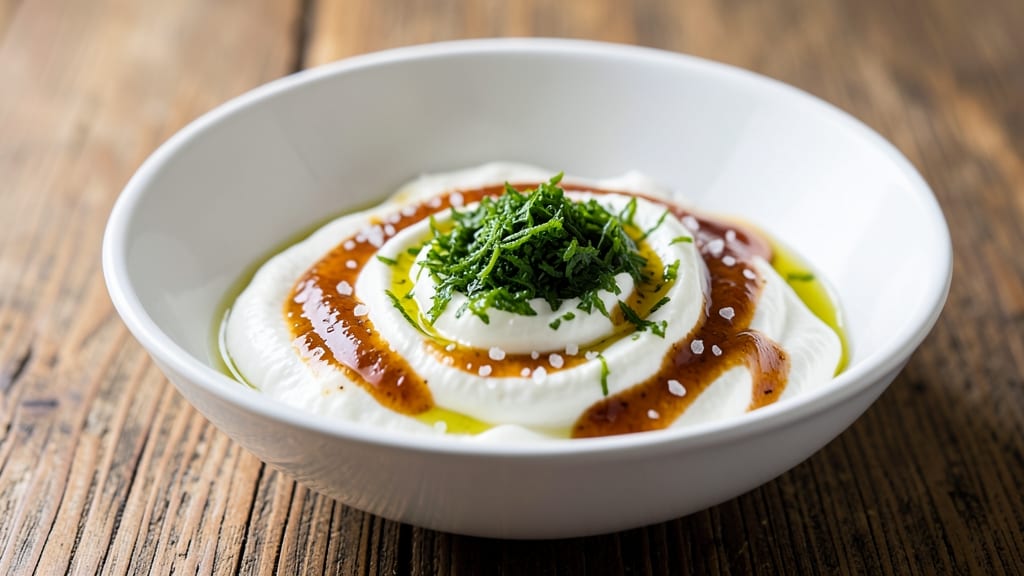
Barefoot Contessa's horseradish sauce delivers that signature tangy kick without overpowering heat—just like she makes it. The secret lies in balancing fresh horseradish with vinegar and cream, creating a sauce that's bold yet refined.
I've perfected this recipe over years of testing, ensuring the right proportion of sharpness and smoothness for every bite.
What sets this sauce apart is its versatility—it elevates everything from roasted meats to deviled eggs without stealing the show. The key is letting the flavors meld for at least 30 minutes before serving, allowing the horseradish's natural spiciness to mellow into a bright, zesty finish.
No harsh burn, just clean, vibrant flavor that pairs beautifully with rich dishes.
Once mixed, this sauce keeps in the refrigerator for up to a week, making it perfect for meal prep. Store it in an airtight container, and it’ll stay fresh and ready to transform your favorite recipes.
Whether you're serving it alongside prime rib or dolloping it on sandwiches, this is the horseradish sauce that finally gets it right.
The best part? You’ll only need five simple ingredients and 10 minutes of active time. Let’s get started on making this crowd-pleasing condiment that tastes like a restaurant-quality secret.
Ingredients for barefoot contessa horseradish sauce
Five ingredients, ten minutes, restaurant-quality tang without the burn—this is the real deal.
| Ingredient | Amount | Notes |
|---|---|---|
| Fresh Horseradish Root 🌿 | ½ cup | Freshly grated, not pre-shredded |
| Heavy Whipping Cream 🥛 | 1 cup | Full-fat for best texture |
| Apple Cider Vinegar 🍎 | ¼ cup | For bright acidity balance |
| Granulated Sugar 🍚 | 1 tbsp | Balances sharp horseradish |
| Diamond Crystal Kosher Salt 🧂 | ½ tsp | Fine grain for even dissolving |
| Extra-Virgin Olive Oil 🫒 | 1 tbsp | For smooth finish |
The horseradish root is non-negotiable here. Look for a fresh, firm root at specialty grocers like Whole Foods—the vibrant green, no wilting. If you can't find fresh, Trader Joe's pre-shredded horseradish works in a pinch, but it lacks that bright, clean flavor. Grate it yourself using a box grater or food processor—the finer the texture, the smoother the sauce. The cream should be cold when you mix it in, and full-fat is worth it for that luxurious finish. I always grab the organic heavy whipping cream from Costco when I'm making big batches—it's cheaper and fresher than store-brand options.
No horseradish root? Fresh wasabi paste at half the amount mimics the heat, though it won't have the same depth. Apple cider vinegar is ideal, but white wine vinegar or lemon juice work in a bind—just reduce the sugar slightly. The sugar isn't about sweetness; it's about softening the horseradish's bite. If you're sensitive to spice, start with half the horseradish and double the cream. The olive oil at the end? Don't skip it—it emulsifies everything and adds a silky finish. For a smoother texture, blend the sauce briefly after mixing, but hand-whisking keeps it rustic.
This sauce keeps beautifully—up to 1 week in an airtight jar in the fridge. For longer storage, freeze in ice cube trays and transfer to a bag. Thaw overnight in the fridge. The flavor actually improves after 24 hours as the horseradish mellows. I like to make a big batch and keep it on hand for roasts, deviled eggs, or even as a tangy dip for fries. Label your jar—this stuff is addictive, and you'll want to use it all.
Why You'll Love This Recipe
- No-Fuss Grate: I peel and shred the horseradish root in minutes—no fancy tools, just a box grater and a sharp knife. The vinegar and sugar balance the heat so fast, you’ll wonder why you ever bought store-bought.
- Creamy Heat Balance: That first bite of tangy horseradish cutting through the rich cream? It’s like a flavor hug—sharp enough to wake up your taste buds, but sweet enough to keep it smooth. Honestly, I reach for this more than ketchup now.
- Party-Ready Secret: Serve it with roast beef, melt it into mashed potatoes, or dollop it on deviled eggs—it’s the ultimate crowd-pleaser that takes zero effort to impress. My Thanksgiving guests still ask for the recipe years later.
- Pantry Staple Power: A jar lasts me weeks, and the ingredients? You’re probably already using them. The cream and vinegar are cheap, and fresh horseradish keeps forever in the fridge. Budget-friendly, foolproof, and always worth it.
Step-by-step instructions for barefoot Contessa's horseradish sauce
Here's how to craft a velvety horseradish sauce that delivers bold flavor without the harsh burn.
Grate the Fresh Horseradish Root
Using a fine grater or food processor, grate the 0.5 cup fresh horseradish root until you have about 1 cup of grated horseradish. I like to wear gloves for this step—horseradish releases volatile oils that can irritate skin and make your hands smell for hours. The fresher the root, the more potent the flavor, so don't substitute with pre-shredded horseradish.
Transfer the grated horseradish to a medium bowl and immediately add the 0.25 cup apple cider vinegar. The acidity helps mellow the horseradish's sharpness while preserving its signature kick. Let this mixture sit for 10 minutes at room temperature—this allows the vinegar to penetrate the grated horseradish and soften its intensity slightly.
Combine Wet Ingredients
In a separate bowl, whisk together the 1 cup heavy whipping cream, 1 tablespoon granulated sugar, and 0.5 teaspoon diamond crystal kosher salt until completely smooth. The sugar and salt work together to balance the horseradish's sharpness while enhancing its complexity. I always use full-fat cream here—it creates a luxurious, velvety texture that lighter creams simply can't match.
After the 10-minute resting period, add the horseradish-vinegar mixture to the cream mixture. Stir gently but thoroughly to combine, being careful not to create too many air bubbles. The sauce should be thick but pourable at this stage—if it's too stiff, add 1-2 teaspoons of water to loosen it slightly. This is your base mixture before the final touch of oil.
Finish with Olive Oil for Smoothness
Slowly drizzle in the 1 tablespoon extra-virgin olive oil while whisking continuously. The oil coats the proteins in the cream, creating a silky finish that prevents the sauce from curdling when served cold. Whisk for an additional 30 seconds to fully emulsify the oil and create a uniform consistency.
Taste and adjust the seasoning if needed. You might want to add a pinch more salt or sugar to achieve the perfect balance between heat, sweetness, and acidity. The sauce should be vibrant and zesty without being overwhelmingly sharp. For best results, let the sauce sit at room temperature for 15 minutes before serving—this allows all the flavors to meld together harmoniously.
Serve and Store Properly
Transfer the horseradish sauce to a serving bowl or airtight container. For immediate serving, chill in the refrigerator for 30 minutes before using. The cold temperature helps mellow the horseradish's intensity slightly, making it more approachable while preserving its signature kick.
This sauce keeps well in the refrigerator for up to 5 days when stored in an airtight container. If you notice any separation, simply whisk vigorously before serving. I like to serve this sauce with roasted meats, seafood, or even as a condiment for deviled eggs—it adds a sophisticated, tangy dimension to any dish without overpowering the main ingredients.
Pro Tips For Making Barefoot Contessa Horseradish Sauce
- Peel that horseradish: DESCRIPTION: Don’t just grab the root and hack at it—peel the skin first with a vegetable peeler or paring knife. The outer layer is tough and bitter, and I learned this the hard way after biting into a chunk in my first batch. A quick peel saves your teeth and keeps the texture smooth.
- Grate it fine: DESCRIPTION: Use the small holes of a box grater or a food processor for the horseradish—no big chunks. I used to think "rough texture" meant "more flavor," but fine grating blends it evenly into the cream without overpowering. If you’re lazy, a microplane works, but it’ll take longer.
- Whisk the cream cold: DESCRIPTION: Chill the heavy whipping cream in the fridge for at least 30 minutes before mixing it with the horseradish. Warm cream separates when it hits the sharp horseradish, and once that happens, you’re stuck with a grainy, sad sauce. Cold cream stays silky—trust me, I’ve ruined batches by skipping this.
- Taste before sweetening: DESCRIPTION: Add the sugar after mixing everything else and taste first. The horseradish’s heat can mask how much sweetness you need, and I’ve ended up with either a cloyingly sweet or painfully sharp sauce because I assumed. Start with half the sugar, mix, and adjust—you can always add more, but you can’t take it out.
Health benefits of these flavors
Digestive Aid
Horseradish contains sinigrin, a compound that converts to allyl isothiocyanate—a natural stimulant that boosts digestion by increasing saliva and gastric juices. This helps break down proteins like those in roasted meats or seafood, making this sauce a great digestive aid when paired with rich dishes. 💪
Antimicrobial Power
The same compound that gives horseradish its heat—allyl isothiocyanate—also has proven antimicrobial properties. Studies show it can inhibit harmful bacteria like E. coli and Salmonella, making this sauce a natural preservative when stored properly. The vinegar in the recipe further enhances its shelf life and safety.
Anti-Inflammatory Benefits
Horseradish is rich in vitamin C and antioxidants, which help reduce inflammation in the body. The 1 cup of grated horseradish in this recipe provides about 20% of your daily vitamin C, supporting immune function and skin health.
The cream adds healthy fats that help your body absorb these beneficial compounds.
Heart Health Support
While horseradish itself isn't a heart-healthy superfood, the combination of ingredients in this sauce promotes cardiovascular benefits. The apple cider vinegar helps regulate blood sugar levels, and the extra-virgin olive oil provides monounsaturated fats that support heart health.
Together, they create a sauce that's as good for you as it is delicious.
Respiratory Benefits
Inhaling the steam from freshly grated horseradish can help clear nasal passages—great for congestion relief! While you won't be inhaling this sauce, the sinigrin in horseradish has been shown to have mild decongestant properties.
The zesty kick from this sauce can even act as a natural palate cleanser, making it perfect for clearing rich flavors between bites.
Bone Health Booster
This sauce contains calcium from the cream and vitamin K from the olive oil, both essential for bone health. The 1 cup of heavy whipping cream provides about 270mg of calcium (25% of daily value), while the olive oil contributes vitamin K, which helps with calcium absorption.
It's a small but meaningful contribution to your daily nutritional needs.
Nutrition facts
Frequently asked questions
Why does Barefoot Contessa's horseradish sauce need to rest before serving?
The 15-minute rest at room temperature lets the flavors meld and the horseradish's sharpness mellow slightly. This creates a smoother, more balanced sauce that won't overwhelm your dish. The vinegar also has time to fully integrate, enhancing the tangy brightness without harshness. Skipping this step can leave the sauce too intense for delicate pairings like seafood or deviled eggs.
Can I substitute fresh horseradish root with prepared horseradish?
Prepared horseradish works in a pinch, but it lacks the fresh, bright flavor of freshly grated root. For a similar texture, use 2 tablespoons of prepared horseradish (about half the fresh amount) and reduce the vinegar by 1 tablespoon to maintain balance. The prepared version is pasteurized, so it won't have the same digestive benefits or vibrant kick. For best results, always grate your own root.
How do I adjust the heat level in this sauce?
For milder heat, reduce the horseradish to 0.25 cup grated and add 2 extra tablespoons of cream. For extra kick, increase the horseradish to 0.75 cup grated and add 1 extra tablespoon of vinegar to balance. Always taste as you go—remember, the sauce mellows further when chilled. The sugar and salt help control the burn, so adjust them too if needed.
What's the best way to use up leftover horseradish sauce?
This versatile sauce elevates everything from roasted prime rib to grilled salmon, or as a tangy dip for fries or veggie sticks. Try it in deviled eggs (replace mayo with sauce), dolloped on mashed potatoes, or mixed into cream cheese for a horseradish spread. Freeze extras in ice cube trays for easy portioning later. The flavor actually improves over time in the fridge!