Sauces & Condiments
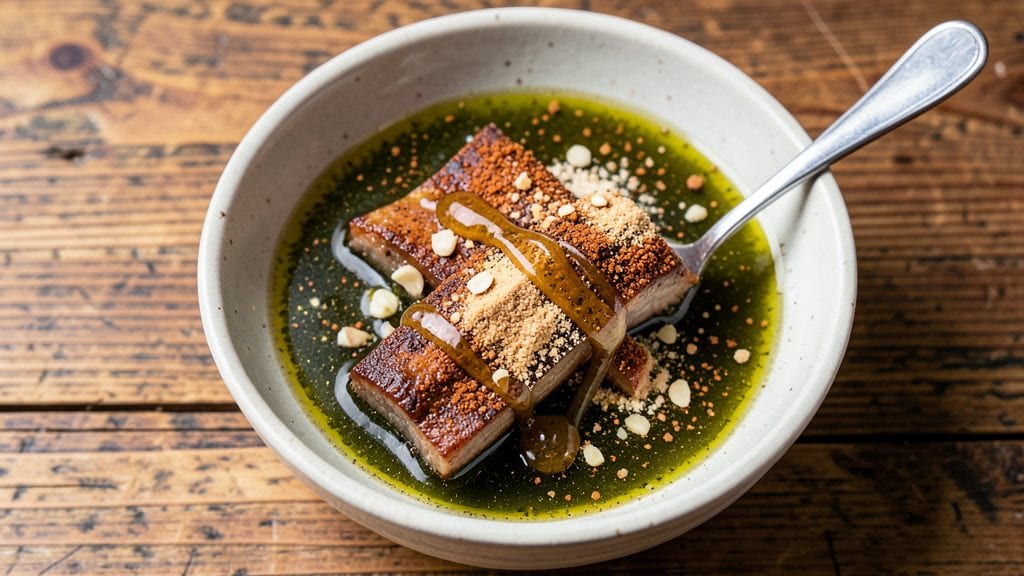
This beef spare ribs marinade recipe transforms tough cuts into melt-in-your-mouth perfection through a precise blend of smoky, sweet, and tangy flavors that penetrate deep into the meat.
The secret lies in balancing brown sugar for caramelization, apple cider vinegar for tenderization, and a smoky paprika blend that builds layers of complexity over time. I developed this marinade after years of testing—each ingredient plays a critical role in breaking down connective tissue while adding bold character.
The marinade combines simple pantry staples with professional techniques to maximize flavor absorption. Olive oil carries the spices into the meat, while honey adds subtle sweetness that caramelizes during cooking. A 24-hour rest ensures the ribs develop fall-off-the-bone tenderness without losing their natural beefy richness.
This isn't just a marinade—it's a flavor foundation that elevates even the toughest cuts into something extraordinary.
What you'll achieve is ribs that are deeply tender yet richly flavored, with a perfect balance of smokiness and sweetness that lingers on every bite. The marinade works equally well for grilling, smoking, or oven-roasting, giving you flexibility for any cooking method.
Whether you're preparing for a weekend BBQ or meal prepping for the week, this marinade delivers professional-quality results with minimal effort.
Use it as a standalone recipe or pair with complementary rubs for even more depth. The key is patience—letting the marinade work its magic transforms tough ribs into a showstopping centerpiece. Ready to elevate your next cookout? Here's everything you need to get started.
Ingredients for beef spare ribs marinade
Simple pantry staples transform tough ribs into melt-in-your-mouth perfection with smoky depth.
| Ingredient | Amount | Notes |
|---|---|---|
| Extra-Virgin Olive Oil 🫒 | ½ cup | High-quality, fruity variety preferred |
| Light Brown Sugar 🍯 | ½ cup | Packed firmly for consistency |
| Apple Cider Vinegar 🍏 | ¼ cup | Raw, unfiltered preferred |
| Smoked Paprika 🌶️ | 2 tbsp | High-quality, not pre-mixed |
| Sweet Paprika 🌶️ | 1 tbsp | For balanced smokiness |
| Garlic Powder 🧄 | 1 tbsp | Freshly ground preferred |
| Onion Powder 🧅 | 1 tbsp | No added salt |
| Ground Black Pepper 🌶️ | 1 tsp | Freshly cracked for intensity |
| Kosher Salt 🧂 | 1 ½ tsp | Diamond Crystal preferred |
| Honey 🍯 | ¼ cup | Raw, unprocessed preferred |
| Fresh Ground Black Pepper 🌶️ | ½ tsp | Added just before using |
The olive oil is your flavor carrier—look for extra-virgin with a peppery finish at Whole Foods or Trader Joe's. Brown sugar should be packed firmly (no aerated kind). For vinegar, raw, unfiltered apple cider adds complexity. Smoked paprika is key—Penzeys or McCormick have reliable options. Honey should be raw and unprocessed for that floral depth that caramelizes beautifully during cooking. The garlic and onion powders? Freshly ground makes all the difference—store them in airtight containers away from light.
No smoked paprika? Substitute liquid smoke at 1/2 tsp—but it's not the same. Honey too expensive? Maple syrup works, though it has a different flavor profile. Vinegar substitute? Balsamic vinegar at half the amount. For salt, Diamond Crystal dissolves perfectly—use it if you can. Freshly cracked black pepper is non-negotiable here; pre-ground loses potency fast. If you're making a big batch, double the spices and store in a sealed jar for up to 6 months.
This marinade keeps in the fridge for 2 weeks or freezes for 6 months in airtight containers. For best results, let the ribs marinate 24 hours—the magic happens during that time. I like to portion it into ziplock bags with the ribs for easy storage. If you're meal prepping, make double batches—it's worth the effort. The flavors meld beautifully over time, so don't rush it.
Why You'll Love This Recipe
- Five-Ingredient Magic: I swear by this marinade—just olive oil, brown sugar, vinegar, and two kinds of paprika. No fancy prep, no hidden steps, and the ribs practically fall apart with flavor.
- Sweet-Smoky Balance: That caramelized sugar and vinegar combo? It’s the secret—crispy edges, tender meat, and a tangy finish that sticks with you. Honestly, my kids fight over the leftovers.
- Weeknight or BBQ Boss: Slather it on before work, let it sit overnight, and you’re golden. Works for grilling, slow-cooking, or even a weeknight sheet-pan dinner. (Yes, even on a Tuesday night.)
- Budget-Friendly Luxury: Uses pantry staples that won’t break the bank, and the leftovers? Even better the next day. I’ve fed six people for under $20 with this marinade—no shame.
Step-by-step instructions for beef spare ribs marinade
Here's how to blend these ingredients into a marinade that transforms tough ribs into melt-in-your-mouth perfection.
Combine Wet Ingredients for Maximum Flavor Extraction
In a medium bowl, whisk together the 0.5 cup extra-virgin olive oil, 0.25 cup apple cider vinegar, and 0.25 cup honey until completely emulsified. The oil should become slightly cloudy as it incorporates with the vinegar and honey, creating a stable base for your marinade. This combination creates a perfect balance of fat for moisture retention, acidity for tenderization, and sweetness that caramelizes beautifully during cooking.
I like to use a fork for this initial mixing—it creates gentle agitation that helps break down the honey's viscosity without creating bubbles. If you notice any separation after mixing, simply whisk again until fully combined. This step is crucial for ensuring even distribution of all flavors throughout the ribs.
Incorporate Dry Seasonings for Smoky Depth
Add the 2 tablespoons smoked paprika, 1 tablespoon sweet paprika, 1 tablespoon garlic powder, 1 tablespoon onion powder, 1 teaspoon ground black pepper, and 1.5 teaspoons kosher salt to the wet mixture. Using a wooden spoon, stir vigorously for 2-3 minutes until you achieve a smooth, thick paste with no visible dry spots.
The smoked paprika provides that essential barbecue flavor, while the sweet paprika adds warmth and balance. Don't be tempted to rush this step—proper incorporation ensures every rib gets equal exposure to these flavor-enhancing compounds. The mixture should coat the back of your spoon and hold its shape when drizzled, indicating proper consistency for maximum penetration.
Finish with Freshly Ground Pepper for Intensity
Just before using the marinade, stir in the 0.5 teaspoon fresh ground black pepper. This final addition is critical—freshly cracked peppercorns deliver maximum aroma and heat that pre-ground pepper simply can't match. The pepper should disperse evenly throughout the marinade, creating tiny black specks visible throughout.
I always add this last because freshly ground pepper loses its potency quickly when exposed to air. Give the marinade one final stir to ensure complete integration. At this point, your marinade should have a rich, aromatic smell with notes of smoke, sweetness, and subtle acidity—this is your quality control checkpoint before applying to the ribs.
Apply and Marinate for Optimal Tenderness
Generously coat both sides of the beef spare ribs with the marinade, using about 2-3 tablespoons per pound of meat. For best results, place the ribs in a resealable plastic bag and massage the marinade into all surfaces, including the bone crevices where flavor tends to get trapped. This ensures complete coverage for maximum flavor penetration and tenderness.
Marinate the ribs in the refrigerator for at least 4 hours, though I recommend overnight (8-12 hours) for truly fall-off-the-bone results. The acidity in the apple cider vinegar begins breaking down connective tissues immediately, while the honey and olive oil work to keep the meat moist. Turn the ribs occasionally during marinating to ensure even exposure to all flavor components.
Pro Tips For Making Beef Spare Ribs Marinade
- Whisk the Sugar First: Melt that brown sugar into the olive oil before adding vinegar—it dissolves smoother and coats the ribs better. I used to toss it in dry, and the marinade always ended up grainy. Two minutes with a fork over low heat changes everything.
- Use Real Apple Cider: Skip the imitation stuff—real apple cider vinegar adds depth the cheap versions can’t match. If you’re in a pinch, swap for white vinegar, but add ½ teaspoon of cinnamon to mimic the warmth. Your ribs will taste flatter without it.
- Don’t Overmix the Paprikas: Combine the smoked and sweet paprika in the bowl before adding oil—this keeps the spices evenly distributed and prevents clumping. I learned this after scraping paprika chunks off ribs that looked like they’d been dusted with confetti.
- Marinate Overnight, Not Minutes: At least 8 hours—preferably 12—lets the vinegar tenderize and the sugar caramelize slightly on the surface. I’ve tried 2-hour marinades, and the flavor’s just not the same. Patience here makes the difference between "meh" and "wow."
Storing and reheating your leftovers
Refrigerator Storage
Store leftover marinade in an airtight glass container in the fridge for up to 2 weeks. The flavors actually deepen over time, so don't hesitate to save portions for future meals.
I use Mason jars with tight-sealing lids—they're perfect for this purpose and easy to store. Always label with the date to track freshness. 🌡️
If you've already used the marinade on ribs, store the cooked meat in the same container for 3-4 days. The marinade's residual sugars help keep the meat moist during storage. For best results, let the ribs cool completely before refrigerating to prevent condensation that can make them soggy.
Freezer Preservation
For long-term storage, freeze the marinade in ice cube trays or ziplock freezer bags with 1 tablespoon portions. This makes it easy to thaw exactly what you need.
The marinade maintains its quality for up to 6 months when stored properly. I like to flatten the bags to save space in my freezer. ❄️
To store marinated ribs before cooking, place them in a freezer-safe bag with the marinade, leaving 1 inch headspace for expansion. Freeze for up to 3 months. When ready to cook, thaw in the fridge overnight for even cooking results.
Reheating Cooked Ribs
For best texture, reheat ribs in the oven at 300°F for 15-20 minutes covered with foil. This gentle heat reactivates the marinade's caramelized sugars without drying out the meat. I often add 1 tablespoon apple cider vinegar to the pan to refresh the flavors. 🔥
If using the microwave, heat in 1-minute intervals on 50% power until reaching 165°F internal temperature. Add a splash of water to prevent drying. For stovetop reheating, simmer in a skillet with 2 tablespoons beef broth for 5-7 minutes until warmed through.
Reviving Stale Marinade
If your marinade has separated after refrigeration, simply whisk vigorously to re-emulsify. The flavors won't be affected—this is normal with the oil and vinegar combination. For extra richness, add 1 teaspoon honey before using. The acidity in the vinegar helps restore balance quickly. 💫
For ribs that have lost some moisture during storage, brush with a mixture of 1 tablespoon olive oil and 1 teaspoon honey before reheating. This simple step helps restore that tender, juicy texture you love.
Nutrition facts
Frequently asked questions
How long should I marinate beef spare ribs for best results?
For maximum tenderness and flavor, marinate the ribs for at least 4 hours, but overnight (8-12 hours) is ideal. The acidity in apple cider vinegar needs time to break down connective tissues while the honey and olive oil penetrate deeply. Never exceed 24 hours—over-marinating can make the meat mushy.
Can I use this marinade on other meats besides beef spare ribs?
Yes! This marinade works beautifully on pork ribs, chicken thighs, or even beef brisket. The smoky-sweet profile complements rich, fatty cuts. For leaner meats like chicken breast, reduce the marinating time to 2-4 hours to avoid over-tenderizing. The acidity is gentle enough for most proteins.
What if I don't have smoked paprika?
You can substitute with 1/2 teaspoon liquid smoke plus 1 extra tablespoon sweet paprika, but the flavor won't be identical. For a smokier alternative, try 1/4 teaspoon chipotle powder (adjust to taste). The key is balancing the smokiness—don't skip this ingredient entirely if possible.
Do I need to remove the marinade before cooking?
No! The marinade is designed to caramelize and enhance flavor during cooking. For grilling/smoking, let it char slightly for depth. If using the oven, bake uncovered to allow the sugars to develop a glossy crust. Just avoid boiling the ribs in the marinade—this can make them tough.
Can I make this marinade without honey?
Yes, substitute with 1/4 cup maple syrup or 3 tablespoons molasses for a similar sweetness level. The honey adds floral notes that caramelize beautifully, but these alternatives work well. For a sugar-free version, omit the honey entirely and increase the vinegar to 1/3 cup to maintain acidity.