
Sauces & Condiments
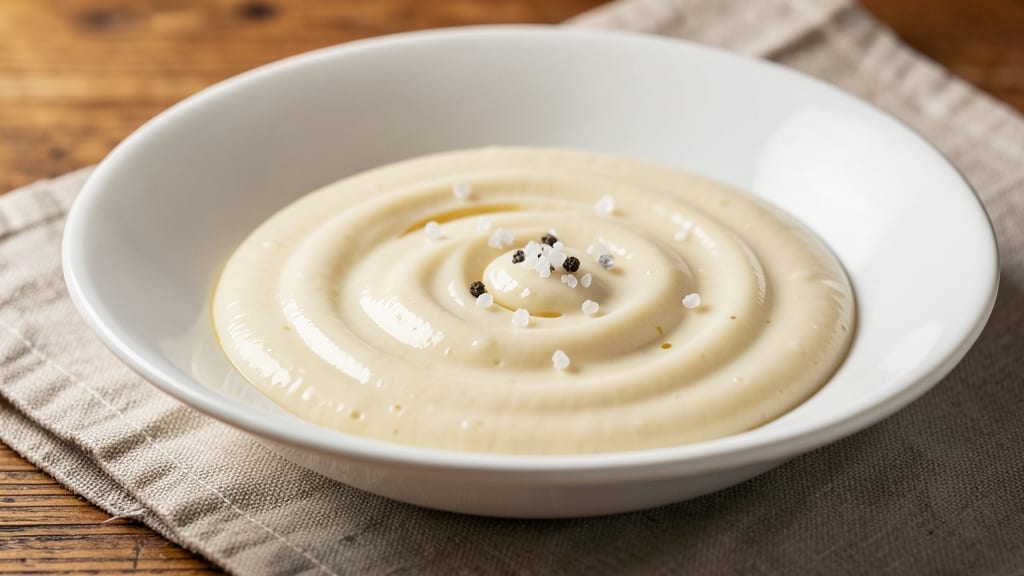
Mastering béchamel sauce transforms countless dishes from ordinary to extraordinary—a silky, velvety white sauce that forms the foundation for mac and cheese, lasagna, and creamy soups. The secret lies in patience and precision: cooking butter and flour to a smooth, lump-free roux before gradually whisking in warm milk.
I’ve perfected this technique after years of trial and error, ensuring every batch turns out flawlessly.
This recipe delivers a foolproof method for achieving that restaurant-quality texture at home, with just five simple ingredients and 15 minutes of active time. The key steps—cooking the roux low and slow, whisking constantly, and adding milk gradually—prevent lumps and create that signature velvety consistency.
Once you master the base, you can elevate it into Mornay by stirring in cheese or use it as a creamy binder in casseroles.
What you’ll end up with is a smooth, creamy sauce that coats every ingredient perfectly, adding richness without overpowering flavors. The sauce thickens as it cools, making it ideal for layering or reheating later.
With proper technique, you’ll achieve a velvety finish that’s impossible to resist—this is the kind of sauce that makes home cooking feel like a gourmet experience.
Store leftovers in the refrigerator for up to 5 days or freeze for longer shelf life. Whether you’re making classic mac and cheese or adding depth to a creamy risotto, this béchamel sauce is your secret weapon. Let’s get started with the perfect foundation for any dish.
Ingredients for beschamel sauce
Five ingredients. One perfect sauce. The foundation for creamy masterpieces—no lumps, no fuss.
| Ingredient | Amount | Notes |
|---|---|---|
| Unsalted Butter 🧈 | ½ cup | Cold, cubed for even cooking |
| All-Purpose Flour 🌾 | ½ cup | Sifted for smooth texture |
| Whole Milk 🥛 | 2 cups | Warmed to 160°F for best results |
| Salt 🧂 | ½ tsp | Diamond Crystal preferred |
| White Pepper 🌶️ | ¼ tsp | Freshly ground for subtle flavor |
The butter and flour combo is non-negotiable for that signature velvety texture. European-style butter like Plugrá has higher fat content, perfect for richness. If you're using salted butter, reduce the added salt to 1/4 teaspoon. The flour? King Arthur brand is my go-to—it's finely milled and creates a silky roux. For the milk, whole milk works best—it's rich enough to carry the sauce without curdling. If you're using reduced-fat, warm it extra slowly to prevent separation. And don't skip the sifting—it makes all the difference in that smooth finish.
No unsalted butter? Salted butter plus 1/4 teaspoon less salt works fine. Running short on milk? Evaporated milk or half-and-half adds richness but may thicken faster. The white pepper is key for that classic béchamel flavor—black pepper works too, but white keeps the sauce pristine. For a quicker roux, use a food processor to blend butter and flour first, then cook. But trust me, the hand-whisked version tastes better. Need to make this dairy-free? Coconut milk or oat milk can work, but you'll need to add a pinch of xanthan gum to thicken it properly.
This sauce thickens as it cools, so stop stirring when it coats the back of a spoon. Store in an airtight container in the fridge for 5 days—it actually tastes better the next day. For freezing, portion into ice cube trays, then transfer to a bag. Thaws perfectly in the fridge overnight. The best part? You can make a double batch and use it all week. I always keep a jar in the fridge for quick pasta tosses or last-minute casseroles.
Why You'll Love This Recipe
- Just Four Ingredients: I swear, this is the kind of recipe where you glance at the list and think, "I have all this?" Butter, flour, milk, salt—no fancy pantry trips needed. The magic happens in the slow whisking, but honestly? Even if you rush, it still comes together.
- Velvety Smooth Magic: That moment when the roux turns golden and the milk folds in like silk? Pure satisfaction. The white pepper adds this subtle, sophisticated kick—no overpowering spices, just rich, creamy depth that makes everything it touches taste like a restaurant dish.
- Pasta Night Hero: Drown noodles in this, and suddenly spaghetti feels like a five-star meal. But here’s the real win: it’s my go-to for casseroles, too. Bake it with chicken and veggies, or pour it over grilled fish—it’s the unsung MVP of weeknight cooking.
- Budget-Friendly Staple: A single batch stretches across three meals for me. Freeze half for lazy days, or use the rest to elevate basic proteins. Between us, this sauce turns grocery-store milk and store-brand butter into something luxurious—without breaking the bank.
Step-by-step instructions for velvety white sauce
Mastering béchamel transforms countless dishes—here's how to achieve flawless results every time.
Melt the Unsalted Butter
In a medium saucepan, melt the 0.5 cup unsalted butter over medium-low heat. Watch closely as it transforms from solid to liquid—you want it to melt completely but not brown. Browned butter adds bitterness that ruins the delicate flavor profile of béchamel. Once fully melted, the butter should coat the bottom of the pan evenly, creating a smooth base for your sauce.
Here's the thing—if you rush this step, the butter can scorch before the flour incorporates properly. I like to keep the heat gentle and stir occasionally with a wooden spoon to distribute the heat evenly. The butter is ready when it's completely liquid and no solid pieces remain, typically taking about 3-4 minutes. This patient approach ensures your sauce starts with the perfect foundation.
Whisk in the All-Purpose Flour
Immediately after the butter melts, reduce the heat to low and gradually sprinkle in the 0.5 cup all-purpose flour. Use a whisk to blend continuously—this prevents lumps from forming and creates a smooth roux. The flour should blend into the butter completely, forming a thick paste that coats the back of your spoon. This mixture is called a roux, and it's the backbone of your béchamel.
Whisk for about 1-2 minutes until the mixture turns a pale golden color. You'll notice the texture becomes thicker and more cohesive. If you see any flour clumps, don't worry—just keep whisking. The key here is patience; rushing can lead to a grainy sauce. This step is crucial because a properly made roux ensures your sauce will thicken perfectly when combined with the milk.
Gradually Add the Whole Milk
Now, slowly pour in the 2 cups whole milk while whisking constantly. Add it in a steady stream—about ¼ cup at a time—to prevent lumps from forming. The mixture will initially look curdled, but keep whisking vigorously as the milk incorporates. This gradual addition is essential; it allows the flour to absorb the milk evenly, creating a smooth, lump-free sauce.
After adding about ½ cup of milk, the mixture should begin to thicken noticeably. Continue whisking for another 2-3 minutes until the sauce reaches a creamy consistency. If you notice any lumps forming, strain the sauce through a fine-mesh sieve to achieve that silky texture. The sauce should coat the back of your spoon but still flow smoothly—this is the ideal consistency for béchamel.
Season and Simmer
Once the sauce has thickened, stir in the 0.5 teaspoon salt and 0.25 teaspoon white pepper. Taste and adjust the seasoning if needed—béchamel should be subtly seasoned, allowing the flavors of the dishes it accompanies to shine. Bring the sauce to a gentle simmer over low heat, stirring occasionally to prevent it from sticking to the pan.
Simmer for 5-7 minutes until the sauce reaches a velvety texture. You'll know it's ready when it coats the back of a spoon smoothly and holds its shape when drizzled. If the sauce thickens too much, you can thin it with a splash of warm milk. Here's a pro tip: if you're using this sauce for dishes like lasagna or mac and cheese, you can add a pinch of nutmeg for extra depth of flavor, but stick to the basic seasoning for a classic béchamel.
Use Immediately or Store Properly
Transfer the béchamel to a clean saucepan or bowl and use it immediately for dishes like lasagna, gratin, or creamy soups. If you need to store it, let it cool to room temperature, then transfer it to an airtight container. It will keep in the refrigerator for up to 3 days or in the freezer for up to 3 months. When reheating, warm it gently over low heat, stirring frequently to prevent it from separating or becoming grainy.
The beauty of béchamel is its versatility—it can be used as a base for countless recipes, from classic French dishes to modern comfort foods. Whether you're layering it in a baked pasta or drizzling it over roasted vegetables, this velvety white sauce elevates any dish it touches. The secret to success lies in the details: patience during the roux formation, gradual milk addition, and gentle simmering. Follow these steps, and you'll achieve restaurant-quality béchamel every time.
Pro Tips For Making Beschamel Sauce
- Whisk Like You Mean It: The second your butter stops sizzling and turns opaque, dump in that flour all at once—no measuring cups, no gradual additions. Whisk aggressively for 2 full minutes until the roux is the color of pale toast with no raw flour taste lingering. I used to think "just until smooth" was enough, but that’s how you end up with a gluey, floury aftertaste.
- Use Cold Milk: Pull your whole milk from the fridge straight into the sauce—no warming it first. The cold milk tempers the roux heat and prevents curdling, giving you a silky texture instead of grainy lumps. I learned this the hard way after three batches of lumpy sauce; now I even chill mine in an ice bath if I’m nervous.
- Salt the Butter First: Toss a pinch of salt into the melted butter before cooking—it dissolves right in and seasons the roux from the start. Skipping this means you’ll have to chase salt later, and nothing’s worse than a bland sauce that needs more salt at the end. (Yes, even if your butter is unsalted.)
- Strain It Later: After simmering, pour the sauce through a fine-mesh sieve into a clean pot. This removes any flour bits or cooked-on milk solids that might make your sauce look cloudy or taste off. It’s not mandatory, but it guarantees a restaurant-quality finish—especially if you’re using this for mac and cheese or lasagna.
Flavor customization for these flavors
Classic Mornay Upgrade
Transform your béchamel into rich Mornay sauce by stirring in 1 cup freshly grated Gruyère and ½ cup grated sharp cheddar (or Emmental for authenticity) while still warm. Use a fine-mesh sieve to melt the cheese smoothly over low heat, whisking constantly to prevent clumping.
For extra decadence, add 1 tbsp dry white wine to deglaze the pan before incorporating the cheese. This version is perfect for mac and cheese or au gratin potatoes. 🧀
Herb-Infused Variations
Brighten your béchamel with fresh herbs for vibrant flavors. Add 1 tbsp finely chopped tarragon or thyme leaves during the final simmer for an elegant touch.
For a garlic-herb twist, sauté 2 minced garlic cloves in the butter before adding flour, then infuse the sauce with 1 tsp lemon zest at the end. These variations work beautifully with roasted vegetables or as a drizzle for creamy risotto.
Spicy Kick Options
For heat lovers, stir in ½ tsp smoked paprika or ¼ tsp cayenne pepper during the final simmer. For a smoky depth, add 1 tsp chipotle powder along with a pinch of cumin.
My favorite? A dash of hot honey drizzled in at the end—it balances the richness with a subtle sweetness. These spiced versions elevate spicy pasta dishes or loaded baked potatoes. 🌶️
Dairy-Free Adaptations
Create a creamy dairy-free version using 2 cups unsweetened almond milk (or oat milk) enriched with 1 tbsp nutritional yeast for a cheesy flavor. Add ½ tsp xanthan gum to thicken properly, and whisk in 1 tbsp olive oil for richness.
For extra body, blend in ¼ cup silken tofu until smooth. This works surprisingly well in vegetable gratins or as a pasta sauce base.
Umami Boosters
Add depth with 1 tsp soy sauce or ½ tsp fish sauce during the final simmer for an Asian-inspired twist. For a mushroom umami boost, whisk in 2 tbsp finely chopped shiitake mushrooms cooked in butter.
These variations shine in creamy soups or as a dipping sauce for spring rolls. The soy sauce works especially well with teriyaki-glazed dishes.
Sweet Applications
Use béchamel as a base for creamy desserts by adding 2 tbsp powdered sugar and a pinch of vanilla extract. For apple gratin, stir in 1 tsp cinnamon and pour over sliced apples before baking.
The sauce's thickness makes it perfect for baking under fruit compotes or as a pastry filling. Just reduce the salt to ¼ teaspoon for sweet applications. 🍏
Nutrition facts
Frequently asked questions
Why does my white sauce turn grainy or lumpy?
Lumps happen when flour and milk combine too quickly. Always whisk constantly while adding milk gradually (¼ cup at a time) and keep heat on low. For extra smoothness, strain through a fine-mesh sieve after cooking. The key is patience—rushing causes uneven thickening.
Can I make this sauce without butter?
Yes! For a dairy-free version, substitute butter with 1 tbsp olive oil or vegetable shortening (though texture will differ). Use 2 cups unsweetened almond milk + ½ tsp xanthan gum to replicate thickness. The sauce won't be as rich, but it works well for vegetable gratins or pasta.
How do I fix sauce that's too thick or too thin?
Too thick? Thin with 1-2 tbsp warm milk while whisking. Too thin? Simmer uncovered for 2-3 minutes to evaporate excess liquid. For emergencies, mix 1 tsp cornstarch with 1 tbsp cold water, whisk into sauce, and cook until thickened. Never add cold milk directly—it can cause separation.
What's the difference between béchamel and Mornay?
Béchamel is the base sauce (butter, flour, milk). Mornay adds 1-2 cups grated cheese (Gruyère or cheddar) while warm, creating a richer, cheesier sauce. The cheese must melt slowly over low heat to avoid clumping. Mornay is perfect for mac and cheese, while plain béchamel works for soups or gratins.
Can I make this sauce ahead of time?
Store in an airtight container in the fridge for 3-5 days or freeze for 3 months. Reheat gently over low heat, stirring constantly to prevent graininess. For best results, make a double batch—it's perfect for meal prep. The sauce actually improves overnight as flavors meld.