
Sauces & Condiments
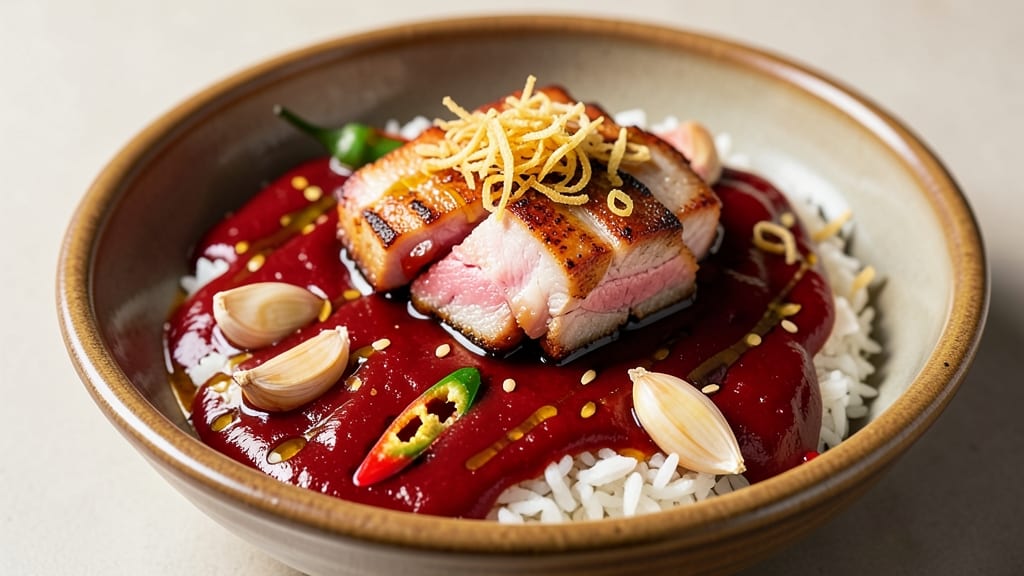
Creating a boiled sauce recipe that balances smoky depth with velvety richness is a game-changer for any kitchen—this version delivers restaurant-quality results in just 30 minutes.
The technique involves slow reduction of tomatoes, aromatics, and a touch of fish sauce, creating a sauce that transforms simple dishes into something extraordinary. I perfected this after years of experimenting with Southeast Asian-inspired flavors, and it’s now my go-to for everything from marinades to dipping sauces.
What makes this sauce special is its versatility—it works as a bold glaze for grilled meats, a tangy dip for spring rolls, or even a marinade for tofu or chicken.
The key lies in balancing sweetness from sugar, acidity from vinegar, and umami from fish sauce, all while building layers of garlic and chili heat. Unlike store-bought versions, this recipe delivers a complex, well-rounded flavor that’s impossible to replicate with bottled sauces.
The result is a glossy, aromatic sauce with a smoky-sweet profile that clings beautifully to food. It’s rich enough to stand alone but bright enough to enhance other flavors, making it a staple in my cooking repertoire.
Whether you’re prepping for a weeknight dinner or a weekend feast, this sauce will elevate your dishes effortlessly.
Best of all, it keeps well in the fridge for up to two weeks, so you can make a big batch and use it throughout the month. Here’s how to craft this velvety masterpiece step by step—no shortcuts, just professional results.
Ingredients for boil sauce
Nine essential ingredients transform into a velvety sauce that's restaurant-quality in 30 minutes.
| Ingredient | Amount | Notes |
|---|---|---|
| San Marzano Crushed Tomatoes 🍅 | 2 cans | 46 oz can each, no salt added |
| Red Wine Vinegar 🍷 | ¼ cup | Balsamic or apple cider substitute |
| Dark Brown Sugar 🍬 | ½ cup | Packed lightly, no substitutes |
| Fish Sauce 🐟 | 1 tbsp | Red Boat brand preferred |
| Garlic Cloves 🧄 | 6 cloves | Minced or finely grated |
| Fresh Chili Peppers 🌶️ | 2 whole | Thai bird's eye or serrano |
| Smoked Paprika 🌶️ | 1 tbsp | Spanish pimentón preferred |
| Fresh Cilantro Stems 🌿 | ¼ cup | Packed, chopped finely |
| Extra-Virgin Olive Oil 🫒 | ¼ cup | High-quality, fruity variety |
| Diamond Crystal Kosher Salt 🧂 | 1 tsp | Adjust to taste |
The tomatoes are the foundation—San Marzano delivers the sweetness and acidity balance this sauce needs. Grab the 46 oz cans at Whole Foods or any well-stocked grocery store; they're worth the splurge. Fresh garlic and chili peppers add that authentic Southeast Asian kick, so don't skimp. I always grab Thai bird's eye peppers at Asian markets—they pack serious heat. The smoked paprika? Spanish pimentón from Penzeys gives you that smoky depth without overpowering. And cilantro stems? Don't toss them—they add a bright, herbal note that rounds out the sauce beautifully.
No fish sauce? Soy sauce at half the amount works in a pinch, though it won't be identical. Subbing vinegar? White wine vinegar is closest, but balsamic adds a nice sweetness. The sugar is non-negotiable—it balances the acidity and caramelizes during reduction. If you're avoiding sugar, date syrup or honey can replace it, but taste as you go. The olive oil matters too—cheap oil. Use something you'd drizzle on good bread. And if you're sensitive to heat, reduce the chili peppers to just one or remove the seeds entirely.
This sauce keeps like a dream—two weeks in the fridge sealed in a jar, or three months frozen in ice cube trays for single portions. The flavor actually improves after a day or two as everything melds together. I make a big batch every time—it disappears faster than you'd think. Store it in a glass jar with a tight seal to keep the aromatics locked in. The sauce thickens as it cools, so add a splash of water if it's too stiff when reheating. Trust me, you'll want to make this again and again.
Why You'll Love This Recipe
- No Chopping Needed: I’ll be real—this sauce only asks for crushed tomatoes and minced garlic. No dicing, no peeling, no mess. Just dump, simmer, and let the fish sauce and vinegar work their magic while you’re still deciding what to eat for dinner.
- Sweet-Savory Balance: That first spoonful? It’s like a hug in sauce form—tangy from the vinegar, deep from the tomatoes, with just enough sugar to make it irresistible. The fish sauce adds this je ne sais quoi umami that turns ordinary meals into something special.
- Pantry Staple Magic: Honestly, I keep this in my fridge all the time. A splash over grilled shrimp, a drizzle on rice, or even mixed into mayo for sandwiches. It’s my go-to for when I’m bored of the same old flavors but don’t want to slave over a recipe.
- Lasts All Week: I make a big batch on Sundays and it’s still good by Friday. The vinegar and sugar act like natural preservatives, so it doesn’t spoil quickly. Plus, it’s cheap—fish sauce and tomatoes won’t break the bank, and a little goes a long way.
Step-by-step instructions for smoky tomato and herb velvety masterpiece
Here's how to transform simple pantry staples into a rich, balanced sauce with layers of smoky depth and bright acidity.
Bloom the Aromatics in Olive Oil
Heat the 0.25 cup extra-virgin olive oil in a heavy-bottomed saucepan over medium-low heat until shimmering but not smoking. Add the 6 cloves minced garlic cloves and 2 whole fresh chili peppers (seeds removed for less heat, kept for more if you prefer). Cook for 3-4 minutes until the garlic becomes fragrant and the chili peppers soften slightly—you'll smell the oil releasing its natural aromas, which will form the sauce's foundation.
Here's the thing—don't rush this step. The garlic should turn golden without browning, and the chili peppers should release their oils but not darken. If the oil starts to smoke, reduce the heat immediately. This is where the sauce's complexity begins, and patience here ensures you won't end up with bitter flavors later.
Add Dry Ingredients and Toast
Sprinkle the 1 tbsp smoked paprika and 1 tsp diamond crystal kosher salt over the aromatics, stirring constantly for 30 seconds to toast the spices. This step develops their flavors and removes any raw, bitter notes. You'll see the paprika darken slightly and smell a deep, woodsy aroma—this is your signal to move forward.
Next, whisk in the 0.5 cup dark brown sugar and 0.25 cup red wine vinegar. The vinegar will bubble vigorously as it reacts with the hot oil—this is normal and actually helps distribute the flavors evenly. Let the mixture simmer for 2 minutes until the sugar begins to caramelize just slightly, creating a subtle sweetness that balances the acidity.
Incorporate the Tomatoes and Simmer
Pour in the 2 cans san marzano crushed tomatoes, stirring to combine with the aromatic base. Bring the mixture to a gentle simmer over medium heat, then reduce to low heat. Let it cook uncovered for 20-25 minutes, stirring occasionally, until the sauce thickens slightly and the flavors meld. You're looking for a reduction where the sauce coats the back of a spoon but isn't gluey.
During this time, the acidity from the vinegar will mellow, the sugar will deepen in flavor, and the tomatoes will break down into a velvety texture. If the sauce reduces too quickly and becomes too thick, add 1-2 tablespoons of water to maintain the right consistency. The sauce should be rich but still pourable, with a glossy sheen.
Finish with Fish Sauce and Cilantro
Remove the saucepan from heat and stir in the 1 tbsp fish sauce and 0.25 cup finely chopped fresh cilantro stems. The fish sauce adds an umami depth that ties everything together, while the cilantro introduces a bright, herbaceous note. Taste the sauce and adjust the seasoning—you might need a pinch more salt or vinegar to balance the flavors perfectly.
Let the sauce sit off the heat for 5 minutes to allow the flavors to fully integrate. The cilantro will release its oils, and the fish sauce will mellow into the warm tomato base. This resting period is crucial—it ensures the sauce isn't overpowering when you serve it, allowing each component to shine individually yet harmoniously.
Strain and Serve (Optional)
For a silky-smooth sauce, strain it through a fine-mesh sieve to remove any seeds or herb bits. If you prefer texture, skip this step. The sauce is now ready to use—it pairs beautifully with grilled meats, noodles, or even as a dipping sauce for spring rolls. Store any leftovers in an airtight container in the refrigerator for up to 5 days, or freeze for 3 months. The flavors will continue to develop over time, becoming even more complex.
Real talk: this sauce is incredibly versatile. Use it as a marinade, a glaze, or a topping. The key to its success lies in the balance of sweet, sour, smoky, and umami—each ingredient plays a critical role. Don't be afraid to experiment with the ratios if you want to adjust the heat or acidity to your taste.
Pro Tips For Making Boil Sauce
- Bloom the Garlic First: Crush those garlic cloves and let them sit in the oil for 30 seconds before adding anything else—just until you smell that sweet, nutty aroma. I used to toss them in raw, and the sauce always tasted sharp and unfinished. This step builds the flavor foundation.
- Simmer, Don’t Boil: Keep the heat at a gentle simmer (tiny bubbles, not rolling) once the tomatoes are in. Boiling makes the sauce split and turn grainy, and you’ll end up with a watery mess instead of a rich, velvety sauce. Think "whisper-quiet" bubbles, not a pot of boiling rage.
- Reduce Vinegar Gradually: Add the red wine vinegar in two batches—half upfront, then the rest at the end. Dumping it all at once can make the sauce taste harsh and overpower the sweetness. Let the sugar and tomatoes mellow it out first.
- Fish Sauce Last: Stir in the fish sauce when the sauce is nearly done, just before tasting. Adding it early can make the sauce taste overly salty or metallic, and the heat will cook off some of its umami punch. A splash at the end keeps it bright and balanced.
Wine and beer pairings for this recipe
Red Wine Pairings
This smoky tomato sauce pairs beautifully with medium-bodied red wines that complement its sweet, tangy, and umami notes. I recommend a Chianti Classico from Tuscany—its bright acidity and cherry flavors cut through the sauce’s richness while enhancing its herbal depth.
The tannins in Chianti also stand up to the sauce’s bold character, making each sip refreshing. 🍷
For a slightly lighter option, try a Grenache from Spain or France. Grenache’s juicy red fruit and subtle spice notes harmonize perfectly with the sauce’s smoky paprika and garlic. Look for a bottle with 12-14% alcohol—it’s just sweet enough to balance the sauce’s acidity without overpowering it.
Beer Pairings
A Belgian-style witbier is my go-to beer pairing—its citrusy coriander and peppery notes mirror the sauce’s bright acidity and herbal cilantro. Brands like Hoegaarden or Stella Artois work well, especially if you’re serving the sauce with grilled meats or spring rolls. The effervescence also cleanses your palate between bites. 🍺
For a malty contrast, opt for a dark amber ale with notes of caramel and toasted nuts. A Belgian dubbel like Rodengard or a German Märzen adds a rich, slightly sweet backbone that stands up to the sauce’s depth.
Avoid heavy stouts or IPAs—they’ll clash with the sauce’s delicate balance of sweet and sour.
Cocktail Pairings
Turn this sauce into a cocktail by reducing it slightly and mixing it into a gin-based drink. Combine 2 oz gin, 1 oz reduced sauce, ½ oz lime juice, and a splash of tonic water for a refreshing, herbaceous cocktail.
The sauce’s umami and smokiness elevate the gin’s botanical notes, while the lime keeps it bright. 🍸
For a non-alcoholic twist, mix 1 oz sauce with ½ oz honey, ½ oz lime juice, and 4 oz sparkling water over ice. The sweetness of the honey and the fizz of the soda balance the sauce’s tangy depth, making it a perfect summer sipper.
Garnish with a lime wedge and fresh cilantro for a pop of color.
Spirit Pairings
If you’re serving the sauce with spicy dishes, a rum-based cocktail like a Dark ’n’ Stormy (rum, ginger beer, lime) works wonders. The ginger’s heat complements the sauce’s chili peppers, while the rum’s caramel notes round out the smokiness.
I like to add a dash of the sauce to the cocktail itself for an extra layer of flavor. 🥃
For a sophisticated touch, pair the sauce with a bourbon old-fashioned. The bourbon’s vanilla and oak notes harmonize with the sauce’s caramelized sugar and smoky paprika.
Stir in ½ oz sauce with the bourbon, bitters, and sugar before adding ice for a rich, complex sip that mirrors the sauce’s depth.
Nutrition facts
Frequently asked questions
Can I make this sauce without fish sauce?
Yes! While fish sauce adds authentic umami depth, you can substitute 1 tbsp soy sauce or 1 tsp miso paste for a similar savory punch. For a vegetarian option, use ½ tbsp mushroom powder or 1 tsp nutritional yeast—though the flavor will differ slightly. The sauce will still taste delicious, just with a different profile.
How do I adjust the heat level?
For milder heat, remove the seeds and membranes from chili peppers before cooking, or reduce the number to just 1 whole pepper. For extra spice, keep the seeds in or add ½ tsp cayenne pepper at the end. Always taste as you go—you can't remove heat once it's in!
What's the best way to store leftover sauce?
Store in a clean, airtight glass jar in the fridge for up to 2 weeks. For longer storage, freeze in ice cube trays (thaw in the fridge) or silicone molds. The sauce thickens when cold—add a splash of water if needed when reheating. Pro tip: Label with the date to track freshness!
Can I use canned tomatoes instead of San Marzano?
Yes, but quality matters! Choose whole peeled tomatoes (crush them yourself) or a high-quality crushed tomato brand. Avoid tomatoes with added salt or preservatives. The sauce will still taste great, though San Marzano's natural sweetness and low acidity creates the perfect balance for this recipe.
How can I use this sauce beyond dipping?
This versatile sauce works as a marinade for chicken or tofu, a glaze for grilled meats, or a pasta sauce base. Try brushing it on baked potatoes or using it in stir-fries. The smoky-sweet profile also makes it perfect for egg rolls or as a taco sauce—just thin with a little water if needed.