
Sauces & Condiments
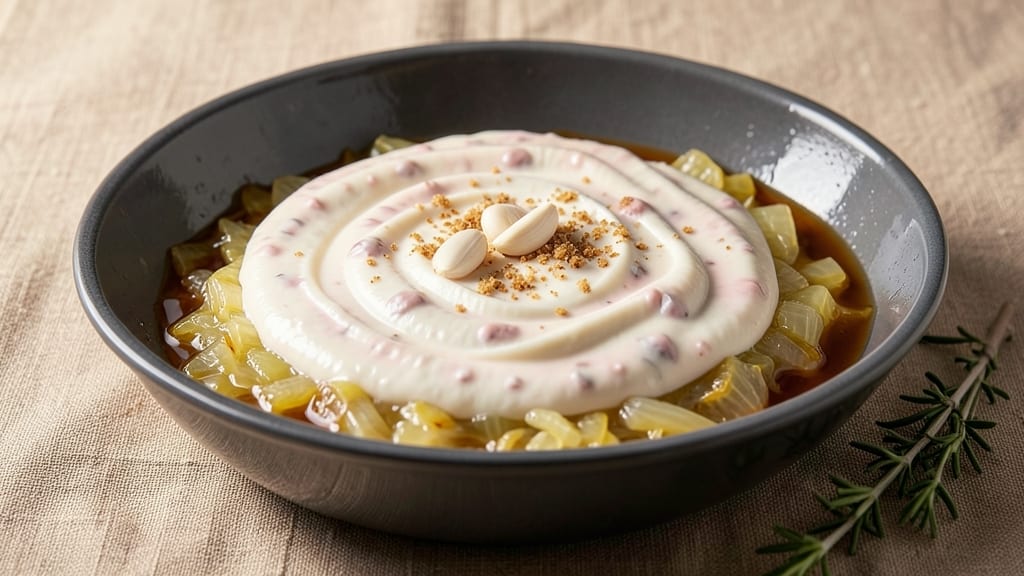
Transforming canned white clams into a velvety, briny sauce takes just 15 minutes of simmering and blending—no fancy techniques required. This recipe captures the ocean’s essence in every spoonful, delivering a rich, buttery sauce that elevates pasta, seafood, or appetizers with minimal effort.
The secret lies in balancing the natural saltiness of the clams with aromatic vegetables and a touch of cream for luxurious texture.
Start with a classic mirepoix of onion, celery, and garlic for depth, then add canned white clams with their liquid for that unmistakable briny flavor. Simmering the mixture gently allows the flavors to meld, while a splash of heavy cream or butter at the end creates that signature velvety finish.
The result is a sauce that’s both restaurant-worthy and effortlessly homemade.
This sauce is incredibly versatile—toss it with linguine for a quick seafood dinner, drizzle it over grilled shrimp, or serve it as a dip with crusty bread.
The 15-minute preparation time makes it perfect for weeknight meals or last-minute entertaining. Once you taste the difference between store-bought and homemade, you’ll never go back.
Store any leftovers in the refrigerator for up to 5 days or freeze for longer storage. The sauce only gets better as it sits, with flavors deepening over time. Whether you’re a seafood lover or just looking for a quick, flavorful sauce, this recipe delivers professional results with simplicity.
Ingredients for canned white clam sauce
Eleven simple ingredients transform into briny, velvety clam sauce in under fifteen minutes.
| Ingredient | Amount | Notes |
|---|---|---|
| Canned White Clams 🦪 | 14 ½ oz | With juice, drained for cooking |
| Yellow Onion 🧅 | ½ cup | Diced small, classic mirepoix |
| Celery Stalks 🥬 | 2 whole | Diced small, with leaves |
| Garlic Cloves 🧄 | 4 cloves | Minced, fresh preferred |
| Heavy Cream 🥛 | ½ cup | Full-fat for luxurious texture |
| Unsalted Butter 🧈 | 3 tbsp | European-style preferred |
| Dry White Wine 🍷 | ¼ cup | Sauvignon Blanc or Pinot Grigio |
| Chicken Stock 🍲 | ½ cup | Low-sodium preferred |
| Lemon Juice 🍋 | 1 tbsp | Freshly squeezed |
| Fresh Parsley 🌿 | ¼ cup | Chopped, for garnish |
| Diamond Crystal Kosher Salt 🧂 | ½ tsp | Adjust to taste |
| Freshly Ground Black Pepper 🌶️ | ¼ tsp | Light hand preferred |
The clams form the sauce's briny foundation, so quality matters. Italian Market or Whole Foods carry premium canned clams like Cirio or Brioschi, but store brands work in a pinch. Look for cans with minimal liquid—this concentrates the flavor. The mirepoix of onion, celery, and garlic builds aromatic depth, so don't skip the celery leaves. For the wine, Pinot Grigio offers crisp acidity that cuts through the richness without overpowering the clams' natural saltiness. The heavy cream and butter at the end deliver that signature velvety texture—European-style butter melts more smoothly than American varieties.
No white wine? Dry vermouth or clam juice works equally well. Substitute heavy cream with half-and-half for lighter texture or crème fraîche for tangy depth. The butter can be swapped for olive oil for a lighter profile, though you'll lose some richness. For a dairy-free version, use coconut cream and omit the butter. The parsley is purely decorative but brightens the presentation—dried parsley at one-third the amount suffices if fresh isn't available. All ingredients must be fresh to avoid metallic or off flavors in the finished sauce.
This sauce peaks after 24 hours of refrigeration as flavors meld. Store in an airtight container with a thin layer of olive oil on top to preserve freshness for up to 5 days. For longer storage, freeze in ice cube trays for perfect single-portion servings. Thaw gently in the refrigerator before reheating—never microwave directly from frozen. The sauce thickens as it cools, so thin with a splash of warm water or stock if needed before serving.
Why You'll Love This Recipe
- Same sauce, endless uses: slather it on grilled fish, stir it into pasta, or serve it as a dip with crusty bread. I’ve even used it to jazz up a simple box of mac and cheese—no one’s the wiser.
- No Chopping Nightmare: I swear by this—just dice one onion and a few celery stalks while the clams drain, then toss it all in one pot. That’s it. The heavy cream does the heavy lifting, smoothing out any uneven cuts.
- Umami Bomb: Between the briny clams, caramelized onion, and garlic simmering in cream, this sauce is ridiculously rich. Honestly? It’s the kind of flavor that makes you pause mid-bite and go, “Wait, why haven’t I done this before?”
- Weeknight to Dinner Party: Same sauce, endless uses: slather it on grilled fish, stir it into pasta, or serve it as a dip with crusty bread. I’ve even used it to jazz up a simple box of mac and cheese—no one’s the wiser.
Step-by-step instructions for canned white clam sauce
This method delivers restaurant-quality clam sauce with perfect balance of briny richness and velvety texture.
Sauté the Mirepoix for Flavor Foundation
Melt the 3 tablespoons unsalted butter in a medium saucepan over medium heat until it foams but doesn't brown. Add the 0.5 cup diced yellow onion and 2 whole celery stalks (diced with leaves), cooking for 5-6 minutes until softened and translucent. This gentle cooking prevents bitterness while developing sweetness.
Add the 4 cloves minced garlic cloves and cook for 30 seconds until fragrant. The garlic should release its aroma without coloring - this indicates it's ready for the next step. If the pan begins to smoke, reduce heat immediately to medium-low and continue cooking until the vegetables are tender but not browned.
Deglaze with Wine and Incorporate Clams
Pour in the 0.25 cup dry white wine and scrape up any browned bits from the bottom of the pan using a wooden spoon. This deglazing step captures all the flavor compounds that would otherwise burn. Let the wine simmer for 2-3 minutes until reduced by half, until it coats the back of a spoon.
Add the 14.5 oz canned white clams (with juice) and the 0.5 cup chicken stock. Stir gently to combine, then increase heat to medium-high. Bring to a gentle boil, then immediately reduce to medium-low heat. Let the mixture simmer uncovered for 5 minutes to allow the clams to infuse their briny essence into the sauce.
Create the Velvety Base with Cream
Reduce heat to medium-low and slowly pour in the 0.5 cup heavy cream while whisking continuously. The sauce will thicken slightly as it incorporates. Cook for 3-4 minutes until the sauce reaches a luxurious consistency - it should coat the back of a spoon but still be pourable. This is where the sauce develops its signature richness.
Add the 1 tablespoon freshly squeezed lemon juice and stir well. The acidity brightens the flavors and balances the richness of the cream. Taste and adjust seasoning with the 0.5 teaspoon diamond crystal kosher salt and 0.25 teaspoon freshly ground black pepper. The sauce should be well-seasoned but not overwhelmingly salty.
Finish and Garnish for Presentation
Remove the sauce from heat and stir in the 0.25 cup chopped fresh parsley. Let the sauce sit off the heat for 2-3 minutes to allow the flavors to meld completely. The parsley adds freshness and visual appeal while the sauce continues to thicken slightly as it rests.
Serve immediately over linguine, fettuccine, or crusty bread. The sauce should be thick enough to cling to pasta but still flow gracefully. For best results, serve within 15 minutes of preparation when the sauce is at its peak texture and temperature.
Pro Tips For Making Canned White Clam Sauce
- Sweat, Don’t Burn: The onion and celery need to cook down until soft but not brown—otherwise, you’ll end up with a bitter, overcooked base. Keep the heat at a steady medium and stir every 30 seconds. I learned this the hard way when my first batch tasted like a clam chowder disaster.
- Drain, Rinse, Repeat: Open those clam cans and drain and rinse the clams thoroughly—juice and all. The brine is salty, and skipping this step means your sauce will taste like a science experiment gone wrong. Use a fine-mesh strainer, and don’t skip the rinse.
- Low and Slow for Cream: Heavy cream scalds easily, so once you stir it in, drop the heat to the lowest setting possible. If you rush it, you’ll end up with a split sauce that looks like cottage cheese. Patience here guarantees a silky, velvety finish.
- Garlic Timing Matters: Add the minced garlic after the onion and celery have softened but before the clams go in. Cook it for just 30 seconds—any longer, and you’ll get a bitter bite that ruins the whole dish. If you’re impatient, add it last, but don’t skip the quick sear.
Common mistakes when making your canned white clam sauce
Over-Salting the Sauce
Canned clams are already packed with sodium, so adding too much salt is a common mistake. The 14.5 oz can of clams typically contains about 1,000mg of sodium, which is nearly half your daily limit.
I recommend tasting the sauce before adding any extra salt—it likely needs less than you think. If you must adjust, add just ¼ teaspoon more salt at a time. 🧂
Skipping the Deglazing Step
Deglazing with wine is critical for capturing flavor compounds that stick to the pan. If you skip this step, you're missing out on layers of complexity that make this sauce special.
Always scrape up those browned bits with a wooden spoon—they're packed with flavor. Use dry white wine (like Sauvignon Blanc) for the best acidity balance. 🍷
Boiling the Cream Too Vigorously
When adding the ½ cup heavy cream, reduce heat to medium-low and whisk continuously to prevent curdling. Boiling the cream too hard can cause it to separate, ruining the velvety texture.
If you see any lumps forming, immediately remove the pan from heat and whisk vigorously until smooth. European-style butter melts more gently than American varieties, reducing this risk. 🥛
Using Low-Quality Clams
Not all canned clams are created equal. Budget brands often contain more water and less flavor. I recommend Cirio or Brioschi clams for their concentrated brininess. If you must use store brands, drain them thoroughly and simmer them for an extra 2 minutes to intensify their flavor.
The juice from the can is flavor gold—never discard it! 🦪
Overcooking the Vegetables
Burnt or bitter vegetables will ruin your sauce. Cook the mirepoix (onion, celery, garlic) just until softened—about 5-6 minutes—and remove from heat before they brown. If your pan starts smoking, reduce heat immediately. The goal is sweet, not bitter. 🥬
Ignoring the Resting Time
Letting the sauce rest for 2-3 minutes off the heat allows flavors to meld and thicken naturally. Skipping this step results in a thinner, less cohesive sauce. During this time, the parsley also releases its oils, adding freshness. Patience here makes all the difference in the final texture. ✨
Nutrition facts
Frequently asked questions
Can I make this sauce without wine?
Replace the 0.25 cup white wine with 0.25 cup dry vermouth or clam juice for similar acidity. For a non-alcoholic option, use 0.25 cup extra chicken stock and add 1 teaspoon lemon juice to brighten the flavors. The sauce will still develop depth without wine.
How do I adjust the consistency for pasta?
For a thicker sauce that clings better to pasta, simmer uncovered for an extra 3-4 minutes after adding the cream. If it's too thick, thin with 1-2 tablespoons warm water or stock. The ideal consistency coats the back of a spoon but remains pourable.
Can I use canned clams with juice or drained clams?
Always use clams with juice—the liquid is packed with flavor! Drain them only after simmering to infuse the sauce. The juice adds natural brininess and helps emulsify the cream for that velvety texture. Never skip this step for a more concentrated flavor.
What’s the best way to reheat leftovers?
Gently reheat in a saucepan over low heat with 1-2 tablespoons water or stock to prevent curdling. Never microwave directly from the fridge—this can break the sauce’s emulsion. Stir constantly until warmed through, then adjust seasoning if needed.
Is this sauce suitable for seafood allergies?
No, this recipe contains clams and may trigger shellfish allergies. For a seafood-free alternative, substitute the clams with 14.5 oz finely chopped mushrooms (like shiitake) and use 1 tablespoon fish sauce for umami depth. The technique remains identical.