
Sauces & Condiments
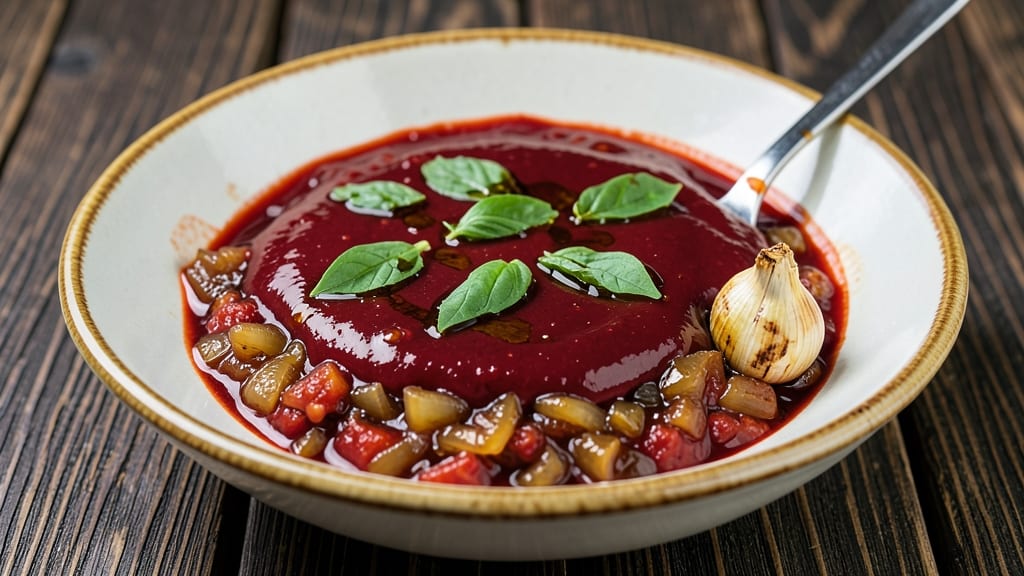
This Carrabba's tomato sauce recipe delivers the restaurant-quality depth you crave—rich, slow-simmered umami that transforms any homemade pasta into a standout dish. The secret lies in balancing crushed tomatoes with aromatic garlic, fresh basil, and a touch of sugar to enhance natural sweetness without overpowering.
I've recreated this sauce exactly as I've enjoyed it countless times at Carrabba's, where the slow cooking process develops complex flavors that bottled sauces simply can't match.
What sets this sauce apart is the 30-minute simmering time, which allows the flavors to meld and intensify while reducing the sauce to a thick, velvety consistency.
You'll need just 10 basic ingredients—crushed tomatoes, olive oil, garlic, onion, herbs, and a few pantry staples—to create a sauce that's infinitely better than anything store-bought.
The result is a deeply flavorful, slightly sweet tomato sauce with layers of garlic and herb notes that cling to every strand of pasta.
By the time you're done, you'll have a restaurant-quality sauce that's perfect for tossing with fresh pasta, using as a marinara base, or even freezing for future meals. The sauce thickens beautifully as it cools, making it ideal for meal prep.
Whether you're cooking for a family dinner or preparing for a pasta night, this sauce will elevate your dish to new heights.
The best part? This sauce keeps well in the refrigerator for up to 5 days or can be frozen for up to 3 months, so you can always have that Carrabba's-inspired flavor on hand.
Let's get started on creating this homemade sauce that tastes like it came straight from a beloved Italian restaurant.
Ingredients for carrabba's tomato sauce
Ten basic ingredients transform into Carrabba's signature rich, umami-packed tomato sauce.
| Ingredient | Amount | Notes |
|---|---|---|
| Extra-Virgin Olive Oil 🫒 | ½ cup | High-quality, fruity variety preferred |
| Crushed Tomatoes (46 oz can) 🍅 | 1 can | San Marzano preferred for sweetness |
| Yellow Onion 🧅 | 1 whole | Medium size, finely chopped |
| Garlic Cloves 🧄 | 6 cloves | Fresh, peeled and minced |
| Fresh Basil Leaves 🌿 | ½ cup | Packed, stems removed |
| Granulated Sugar 🍚 | 1 tbsp | Balances acidity naturally |
| Dried Oregano 🍃 | 1 tsp | Italian variety preferred |
| Salt 🧂 | 1 ½ tsp | Diamond Crystal kosher preferred |
| Black Pepper 🌶️ | ½ tsp | Freshly ground preferred |
| Red Wine (optional) 🍷 | ¼ cup | Dry Cabernet Sauvignon preferred |
The crushed tomatoes are the foundation—San Marzano cans from Trader Joe's or Whole Foods give you that natural sweetness and depth. I always grab the 46 oz can for better value and less canned taste. Fresh basil is non-negotiable here; the grocery store's plastic containers just won't cut it. Hit the farmers market or grab a bunch from the produce section—look for vibrant green leaves without bruises. The garlic should be fresh too—those pre-minced jars in the refrigerated section taste like nothing. For the olive oil, avoid the cheap stuff—you want something fruity and peppery that'll stand up to the tomatoes.
No red wine? Substitute with 1/4 cup beef broth—it adds umami without overpowering. Fresh basil short on time? Dried oregano at half the amount works in a pinch, but you'll miss that bright herbal note. The sugar might seem odd, but it's crucial—balances the acidity of the tomatoes and enhances their natural sweetness. If your tomatoes are particularly tart, bump it up to 2 tbsp. For the onion, yellow or red both work, but yellow has a slightly sweeter flavor that pairs better. The salt is where you can adjust to taste—start with the 1.5 tsp and add more if needed, especially if you're using salted tomatoes.
This sauce tastes even better the next day as the flavors meld. Store in an airtight container in the fridge for up to 5 days, or freeze in 1-cup portions for up to 3 months. I like to portion it into ice cube trays first—perfect for single servings later. The sauce will thicken as it cools, so if it's too thick when cold, just stir in a splash of water or pasta water. Leftovers reheat beautifully—simmer gently on the stove or microwave until steaming, stirring occasionally to keep it smooth.
Why You'll Love This Recipe
- No Chopping Needed: I swear, the onion gets diced in under two minutes—no tears, no fuss. That can of crushed tomatoes does half the work for you, and the garlic? Just smash a few cloves with the flat of your knife. Honestly, it’s the kind of recipe that lets you actually enjoy cooking instead of stressing over prep.
- Garlic-Basil Magic: The moment that garlic starts to sizzle in the olive oil, my kitchen smells like a Tuscan sunset. Fresh basil at the end? That’s what turns "good sauce" into "I’ll-buy-another-can-of-tomatoes" sauce. It’s bright, aromatic, and just sweet enough—not cloying, not bland.
- Pasta Party Starter: This sauce is my go-to for impromptu dinners—toss it with spaghetti for a 15-minute meal, or let it simmer longer to use as a marinara base for lasagna later. Between us, I’ve also drizzled it over grilled chicken and roasted veggies when I’m in a hurry. It’s the ultimate flavor multiplier.
- Fridge Goldmine: A full 46-ounce can of tomatoes means I always have backup sauce—no last-minute store runs when I forget to check the pantry. It reheats beautifully, freezes like a dream, and stretches across three meals without losing its punch. My wallet and my freezer both thank me every time.
Step-by-step instructions for Carrabba's tomato sauce recipe
This method delivers restaurant-quality depth with simple kitchen techniques.
Sauté Onion and Garlic Until Translucent
Heat the 0.5 cup extra-virgin olive oil in a large, heavy-bottomed pot over medium heat. Add the whole yellow onion, chopped into small dice, and cook for 8-10 minutes until completely soft and golden translucent, stirring occasionally. This slow cooking develops sweetness that forms the sauce's foundation.
Push the onions to one side of the pot and add the 6 cloves minced garlic cloves. Cook for 1-2 minutes until fragrant but not browned—garlic burns quickly, and you want its delicate flavor, not bitterness. If the onions release too much liquid, reduce heat slightly to prevent splattering.
Build the Sauce with Crushed Tomatoes and Seasonings
Pour in the 1 can crushed tomatoes (don't drain the juices—they contain flavor). Stir in the 1 tbsp granulated sugar, 1 tsp dried oregano, 1.5 tsp salt, and 0.5 tsp black pepper. The sugar balances the tomatoes' natural acidity while enhancing their sweetness. Bring the mixture to a gentle simmer over medium-low heat.
If using, add the 0.25 cup red wine now. The alcohol will burn off during simmering, leaving behind concentrated flavor. Let the sauce simmer uncovered for 20-25 minutes, stirring occasionally. This slow reduction develops the sauce's rich, velvety texture and deepens its umami character.
Finish with Fresh Basil and Adjust Seasoning
When the sauce has thickened slightly and coats the back of a spoon, stir in the 0.5 cup fresh basil leaves, packed and stems removed. Taste immediately—the basil adds bright, aromatic freshness that contrasts beautifully with the sauce's depth. Adjust seasoning if needed: add more salt if the sauce tastes flat, or a pinch of sugar if it's too acidic.
Continue simmering for another 5-10 minutes until the sauce reaches your desired consistency. For a smoother texture, use an immersion blender to blend briefly—this removes any remaining tomato skins while preserving the sauce's rich body. The final sauce should be thick enough to coat the back of a spoon but still flow freely.
Rest and Serve with Pasta
Remove the pot from heat and let the sauce rest for 10-15 minutes. This resting period allows the flavors to meld completely and the sauce to reach its ideal consistency. The sauce will thicken further as it cools, so don't over-reduce it during cooking.
Serve immediately over al dente pasta or store in an airtight container in the refrigerator for up to 5 days. The sauce's flavor actually improves overnight as the ingredients continue to integrate. For best results, reheat gently on the stovetop, stirring occasionally, until warmed through. This homemade version delivers the same depth and complexity you'd find in a Carrabba's restaurant—just with the satisfaction of making it yourself.
Pro Tips For Making Carrabba'S Tomato Sauce
- Sweat the Onion Slowly: I learned this the hard way—rushing the onion turns your sauce bitter. Chop it fine, then cook it in olive oil over medium-low heat for 8-10 minutes until it’s translucent and just starting to caramelize. No need to brown it; you’re building flavor, not frying onions.
- Crush Garlic with Salt: Skip the pre-minced jar—it’s waterlogged and dull. Smash 4-5 fresh cloves with a pinch of salt in a mortar (or flat-sided pan) until it’s a paste. This releases more aroma and blends seamlessly into the sauce. Trust me, your spoonful of garlic will taste alive.
- Simmer, Don’t Boil: After adding crushed tomatoes, reduce heat to the lowest setting that keeps a gentle bubble. Boiling burns the acidity and makes the sauce taste flat. A 20-25 minute simmer at this stage is all you need—just enough to meld flavors without turning it into tomato paste.
- Stir in Basil Late: Tossing in basil too early wilts it into mush. Wait until the very end, then fold in 1 cup roughly chopped leaves (save the rest for garnish). The heat should just warm them—no wilting, no bitterness. Fresh basil should sing, not surrender.
Essential equipment for this dish
Heavy-Bottomed Pot
This is my most critical piece of equipment for achieving Carrabba's signature sauce texture. A 5-6 quart Dutch oven like the Le Creuset Stoneware or All-Clad Stainless Steel distributes heat evenly and prevents scorching.
I avoid thin, lightweight pots—they burn the bottom of the sauce and create bitter flavors. If you don't own one, a heavy stainless steel saucepan (like All-Clad's 6-quart version) works perfectly. 🔥
Immersion Blender
For that ultra-smooth, restaurant-quality finish, an immersion blender is a game-changer. I use the Oster Multipurpose to briefly blend the sauce after simmering, which removes any remaining tomato skins while keeping the sauce's rich body.
If you don't have one, a regular blender works—just transfer the sauce in batches—but you'll lose some heat and may need to reheat. Never skip blending if you want that velvety texture Carrabba's sauce is known for.
Wooden Spoon
A long-handled wooden spoon (I prefer Oxo Good Grips) is essential for stirring this sauce without scratching your pot. Wood distributes heat better than metal and prevents the sauce from sticking to the bottom.
I keep mine nearby while cooking—it's my go-to for all tomato-based sauces. Avoid plastic spoons, as they can melt or warp with prolonged exposure to heat.
Fine-Mesh Strainer
If you're using fresh basil stems or want to strain out any large tomato chunks, a fine-mesh strainer (like OXO Good Grips) helps achieve a silky texture. I press the sauce through it gently to remove any unwanted bits while keeping the flavor intact.
This step is optional but gives you that restaurant-perfect smoothness. For extra flavor, save the strained solids and chop them finely to use as a garnish.
Measuring Spoons
Precision matters when balancing flavors in this sauce. I recommend stainless steel measuring spoons (like OXO's set) for accurate measurements of the 1 tbsp sugar, 1 tsp oregano, and 0.5 tsp black pepper.
These small adjustments make the difference between a good sauce and a great one. Avoid plastic spoons—they can retain flavors from previous ingredients and affect your sauce's taste.
Timer and Thermometer
While not strictly necessary, a kitchen timer (like OXO's 30-minute version) ensures you don't overcook the sauce, and a candy or instant-read thermometer (like Thermoworks Thermapen) helps monitor the simmering process.
I aim to keep the sauce between 180-190°F during simmering—this temperature range ensures even cooking without burning. These tools take the guesswork out of achieving consistent results every time. 💡
Nutrition facts
Frequently asked questions
Can I make this sauce without fresh basil?
Yes, but the flavor will be different. Use 1 tablespoon dried basil instead of fresh, or substitute with 1 teaspoon dried oregano plus 1 teaspoon dried thyme for a similar earthy profile. For best results, add the dried herbs with the tomatoes and simmer for 5 extra minutes to let the flavors meld.
How do I adjust this sauce for spaghetti vs. penne?
For spaghetti, leave the sauce slightly thinner—it should coat the back of a spoon but remain pourable. For penne or rigatoni, reduce it longer (up to 10 extra minutes) to create a thicker, clingier consistency. Both work well, but penne pairs best with a slightly thicker sauce that clings to its ridges.
Why does my sauce taste too acidic?
This usually happens when using tart tomatoes or skipping the sugar. Balance it by adding ½ teaspoon more sugar or a pinch of baking soda (just ⅛ teaspoon) to neutralize acidity. For future batches, try San Marzano tomatoes or add 1 tablespoon tomato paste with the crushed tomatoes. Taste as you go—adjust gradually!
Can I make this sauce in an Instant Pot?
Yes! Sauté the onions and garlic first, then add all ingredients except basil. Cook on High Pressure for 10 minutes, then quick-release. Stir in basil and reduce on Sauté mode for 5-10 minutes to thicken. The pressure cooker speeds up the process but may require slightly more sugar (1.5 tbsp) to balance the tomatoes' acidity.
How do I store leftovers to keep them tasting fresh?
Let the sauce cool completely before storing in an airtight container. It keeps for 5 days in the fridge or 3 months in the freezer. For freezing, portion into 1-cup containers and leave ½-inch headspace to prevent ice crystals. Thaw overnight in the fridge—never microwave directly from frozen. The flavor actually improves after 24 hours!