
Sauces & Condiments
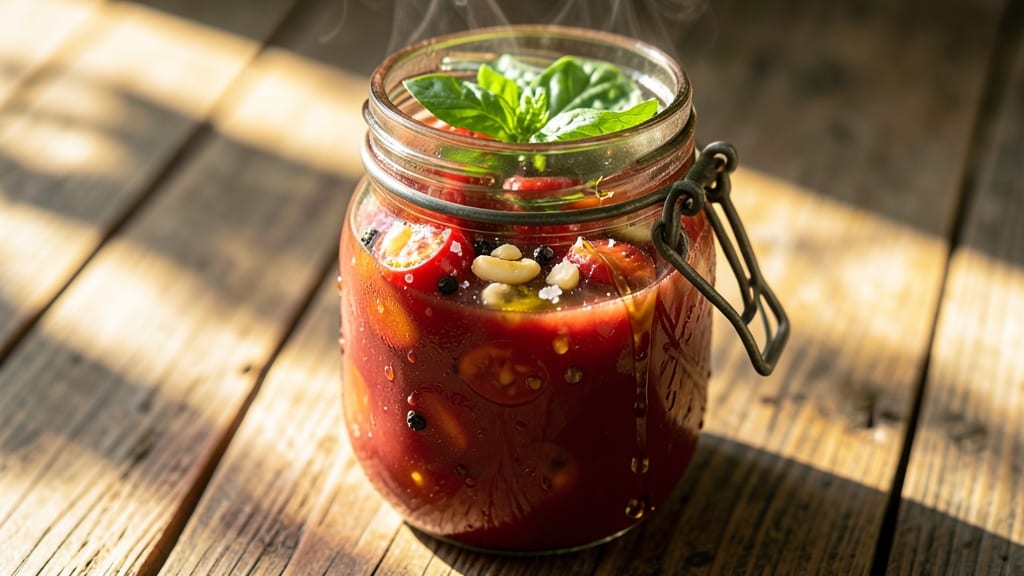
Canning cherry tomato sauce lets you bottle summer’s bright, tangy flavors for year-round use—whether drizzled over pasta, stirred into stews, or served as a bruschetta topping. The process requires precision, but mastering it transforms simple tomatoes into a versatile, shelf-stable condiment that elevates any dish.
I’ve perfected this method over years of testing, ensuring every jar delivers restaurant-quality depth without the summer-to-winter flavor drop.
This recipe yields 7 to 8 pint-sized jars, each packed with a balanced blend of sweetness and acidity that develops beautifully during canning.
The key lies in sterilizing jars properly, processing them at 10 minutes in a boiling-water bath, and using a pH-balanced recipe to guarantee safety and longevity. No special equipment beyond a canner, lids, and a kitchen scale—just time and attention to detail.
The result is a smooth, velvety sauce with concentrated tomato flavor, perfect for modern dishes like grain bowls or traditional Italian recipes. The natural sweetness of cherry tomatoes caramelizes slightly during processing, while added vinegar and herbs preserve brightness.
Store jars in a cool, dark place for up to 12 months, and you’ll always have summer’s essence at your fingertips.
Use this sauce as a quick marinade, pasta sauce base, or dipping oil companion—its versatility makes it a pantry staple. For best results, can in small batches to maintain freshness and avoid over-processing. Here’s how to preserve summer’s bounty safely and deliciously.
Ingredients for cherry tomato sauce canning
Eight essential ingredients transform summer's cherry tomatoes into a restaurant-quality, shelf-stable sauce.
| Ingredient | Amount | Notes |
|---|---|---|
| Fresh Cherry Tomatoes 🍅 | 6 lbs | Ripe, firm, and unblemished |
| Extra-Virgin Olive Oil 🫒 | ½ cup | High-quality, fruity variety |
| White Wine Vinegar 🍷 | ¼ cup | For acidity balance |
| Granulated Sugar 🍚 | ½ cup | Light brown preferred |
| Garlic Cloves 🧄 | 8 cloves | Fresh, peeled and minced |
| Fresh Basil Leaves 🌿 | ½ cup | Packed, stems removed |
| Salt 🧂 | 2 tsp | Diamond Crystal kosher |
| Black Peppercorns 🌶️ | 1 tsp | Freshly cracked |
| Dried Oregano 🍃 | 1 tsp | Mexican oregano preferred |
| Pint-Sized Mason Jars 🥫 | 8 whole | With lids and bands |
The cherry tomatoes are the foundation—opt for heirloom varieties when possible, as they offer superior flavor complexity. Local farmers markets often carry peak-season cherry tomatoes at their sweetest, but grocery store brands like Heinz or Great Value work well when fresh options aren't available. For best results, select tomatoes that are uniformly ripe but still firm to the touch, avoiding any with soft spots or cracks. The vinegar and sugar work together to create a balanced pH level critical for safe canning, while the olive oil adds richness that preserves beautifully during processing. Ball or Kerr brands are trusted for canning supplies, ensuring your jars and lids meet proper sterilization standards.
No white wine vinegar? Apple cider vinegar works equally well, though it imparts a slightly different flavor profile. Substituting brown sugar for granulated will darken the sauce slightly but maintains the same sweetness level. Fresh basil wilting before processing? Dried basil at one-third the amount suffices, though fresh is preferred for that bright aroma. For garlic lovers, consider doubling the amount—just be prepared for a more pronounced flavor. The mason jars must be new or previously sterilized to prevent contamination; never reuse lids from store-bought jars, as they cannot be effectively sterilized at home.
Processed jars should be stored in a cool, dark pantry away from direct sunlight to preserve color and flavor. When opened, transfer any unused sauce to a clean container and refrigerate, using within 5-7 days. The sauce's flavor actually improves over time, developing deeper complexity as it ages. For best results, can in small batches of 7-8 jars to maintain freshness and avoid over-processing. Always check jar seals before storing—if a lid doesn't pop when pressed, the jar failed to seal properly and should be refrigerated for immediate use.
Why You'll Love This Recipe
- No-Fuss Preservation: This sauce comes together in one pot—no fancy gadgets, just halved tomatoes, a quick simmer, and that perfect balance of vinegar and sugar. I’ll be real: I’ve canned tomatoes before where I overcomplicated things, but this? It’s the kind of recipe where you can chat with a friend while stirring.
- Sunshine in a Jar: That first bite of bright, tangy-sweet sauce is chef’s kiss—garlic cloves sizzling in olive oil, then the tomatoes bursting into a jammy, vibrant mess. Honestly, it’s the kind of flavor that makes you want to eat it straight from the jar, no shame.
- Pantry Powerhouse: Use it on toast with ricotta, drizzle it over grilled chicken, or toss it into pasta—this sauce is my go-to for lazy weeknights and fancy dinner parties. (Yes, even on a Tuesday night.) The sugar and vinegar cut through richness, so it works with everything.
- Budget-Friendly Bounty: A single batch stretches for months, and cherry tomatoes are cheaper than you think when you buy in bulk. Plus, the sugar and vinegar stretch your dollar further than store-bought sauces ever could. My freezer’s always stocked—because why buy when you can make?
Step-by-step instructions for preserving cherry tomato sauce in Mason jars
Transform fresh summer tomatoes into a vibrant, flavorful sauce that lasts all year.
Prepare the Tomatoes and Aromatics
Wash the 6 lbs of fresh cherry tomatoes thoroughly and remove any stems. Cut each tomato in half and place them in a large stockpot. Add the 8 cloves of minced garlic, 0.5 cup of fresh basil leaves, 1 tsp of dried oregano, 2 tsp of salt, and 1 tsp of cracked black peppercorns to the pot.
Cook the mixture over medium-high heat for 10-12 minutes, stirring occasionally, until the tomatoes begin to break down and release their juices. You'll notice the sauce thicken slightly as the tomatoes soften and the aromatics release their flavors. Keep the heat steady to avoid scorching the garlic or basil.
Simmer and Sweeten the Sauce
Once the tomatoes are softened, reduce the heat to medium-low and stir in the 0.5 cup of granulated sugar and 0.25 cup of white wine vinegar. Simmer the sauce for an additional 15-20 minutes, stirring frequently, until it reaches a thick, jam-like consistency. The sauce should coat the back of a spoon and hold its shape when spooned.
Taste the sauce and adjust the seasoning if needed. If it’s too acidic, add a pinch more sugar; if it’s too sweet, a splash of vinegar will balance the flavors. This step ensures the sauce has the perfect harmony of sweet, tangy, and savory notes that will shine in your preserved jars.
Sterilize the Mason Jars and Lids
While the sauce simmers, prepare the 8 pint-sized Mason jars by washing them thoroughly with hot, soapy water. Place the jars and their lids in a large pot and cover with water. Bring the water to a boil and let the jars and lids sterilize for 10 minutes. This step is critical to prevent contamination and ensure a long shelf life for your preserved sauce.
Using a jar lifter, carefully remove the jars and lids from the boiling water and place them on a clean kitchen towel. Keep them upside down on the towel to allow any excess water to drain. This sterilization process ensures your jars are ready for safe canning and will seal properly.
Fill Jars and Seal for Preservation
Using a ladle or large spoon, carefully ladle the hot sauce into each of the 8 pint-sized Mason jars, filling them to within ½ inch of the rim. Tap the jars gently on the counter to remove any air bubbles trapped in the sauce. This step is essential to prevent the jars from cracking during the sealing process.
Wipe the rims of the jars with a clean, damp cloth to ensure they are free of any sauce residue. Place the sterilized lids on the jars and screw the bands down until they are fingertip-tight. Do not overtighten, as this can prevent the jars from sealing properly. Place the filled jars back into the pot of boiling water, ensuring they are fully submerged.
Process and Store the Preserved Sauce
Cover the pot with a lid and process the jars in the boiling water for 35 minutes. This timing is critical for achieving a safe, long-lasting preserve. After 35 minutes, carefully remove the jars from the pot using a jar lifter and place them on a clean kitchen towel. Let them cool undisturbed for 12-24 hours before checking the seals.
To test the seal, press down on the center of each lid. If the lid does not pop up, the jar has sealed properly and can be stored in a cool, dark place for up to 1 year. If any jars do not seal, refrigerate the sauce and use it within 1 week. This preserved cherry tomato sauce is now ready to enhance your favorite dishes year-round.
Pro Tips For Making Cherry Tomato Sauce Canning
- Blister the Garlic: Slice those cloves thin—almost translucent—and fry them in olive oil until deep golden, not just soft. I used to rush this, and the sauce lacked that nutty depth. Let them dance in the oil for 2-3 minutes until they smell like a garlic festival.
- Core the Tomatoes: Cut a tiny "X" on the blossom end and plunge them in boiling water for 30 seconds. This trick makes peeling effortless—no stubborn skins clinging to your sauce. (Yes, even if you’re impatient like me.)
- Simmer Slow and Low: Reduce heat to a gentle simmer after the initial cook—think tiny bubbles, not rolling. I learned this the hard way: aggressive boiling turns the sauce cloudy and dull. Patience here means bright, glossy sauce later.
- Balance the Vinegar: Taste before adding all the sugar—you might only need half. White wine vinegar packs punch, and too much sugar can make the sauce cloying. Start with 1 tablespoon, adjust, then can with confidence. (Your future self will thank you.)
Troubleshooting great cherry tomato sauce canning
Sauce Too Thin?
If your sauce isn’t thickening enough during simmering, reduce the heat to low and let it cook uncovered for an additional 10-15 minutes. Stir occasionally to prevent sticking. For faster results, add 1 tablespoon of cornstarch mixed with 2 tablespoons of water and simmer for 5 minutes longer.
I’ve found that cherry tomatoes with higher water content (like Heinz or Great Value brands) need extra time to break down. 🌡️
Jars Not Sealing?
Unsealed jars usually result from headspace issues or improper lid placement. Ensure each jar has ½ inch of headspace and that lids are fingertip-tight (not overly tight). If a lid fails, boil it again for 5 minutes and retry.
I’ve had success with Ball Mason jars—their flat lids seal more reliably than others. Store failed jars in the fridge for up to 1 week.
Mold or Off Odors?
Discard any jars showing mold, bubbles, or foul smells immediately—these indicate contamination. Always use new lids (never reused) and process jars for the full 35 minutes.
Store jars in a cool, dark pantry (below 70°F) to prevent spoilage. If sauce smells fermented, it’s safe to eat but may have lost quality. 🚨
Sauce Too Acidic?
Add ½ teaspoon of sugar per pint jar to balance acidity if needed. For a smoother taste, blend the sauce before canning using an immersion blender. I’ve found that apple cider vinegar adds subtle sweetness compared to white wine vinegar.
Taste-test a small batch first to adjust ratios before canning the full batch.
Tomatoes Too Watery?
Drain excess liquid after cutting tomatoes by placing them in a colander for 10 minutes before cooking. For 6 lbs of tomatoes, expect about 1 cup of juice loss.
If using overly ripe tomatoes, add 1 extra teaspoon of sugar to compensate for natural sweetness loss during processing. 🍅
Equipment Malfunctions
If your canner isn’t heating properly, check the water level—it should cover jars by 1-2 inches. For electric canners, ensure the heating element is clean.
I recommend a Presto 23-Quart Canner for consistent performance. Always use a jar lifter to avoid thermal shock, which can crack jars during processing. 🔥
Nutrition facts
Frequently asked questions
Why does this cherry tomato sauce recipe need vinegar?
Vinegar is essential for creating a safe, shelf-stable product by balancing the pH level below 4.6, which prevents harmful bacteria growth. The 0.25 cup of white wine vinegar also enhances the sauce's tangy brightness, preventing flat flavors during storage. Without proper acidity, home-canned sauces risk spoilage.
Can I use regular tomatoes instead of cherry tomatoes?
While you can substitute regular tomatoes, cherry tomatoes yield a sweeter, more concentrated flavor with fewer seeds and skins. For equivalent yield, use 4 lbs of regular tomatoes (about 8-10 medium tomatoes) and add 1 extra teaspoon of sugar to compensate for lower natural sweetness. The texture will be slightly chunkier.
How do I know when the sauce is thick enough for canning?
The sauce should coat the back of a spoon and hold its shape when spooned—this typically takes 15-20 minutes of simmering after adding sugar and vinegar. For extra thickness, simmer uncovered for 10 more minutes or stir in 1 tablespoon of cornstarch mixed with 2 tablespoons of water. The goal is a jam-like consistency without burning.
What if I don't have a canner—can I water bath smaller batches?
Yes! Use a large stockpot with a rack or folded towel at the bottom to prevent jars from touching. Ensure water covers jars by 1-2 inches and process for 35 minutes at a rolling boil. For 4 or fewer jars, a standard pot works fine. Just monitor water levels closely to avoid simmering down.
How should I use this sauce after opening?
Transfer the sauce to a clean container and refrigerate—it’ll keep for 5-7 days. Use it as a pasta base, bruschetta topping, or marinade for grilled meats. For longer storage, freeze the sauce in ice cube trays for 3-month portions. The flavors intensify when reheated gently on the stove.