
Sauces & Condiments
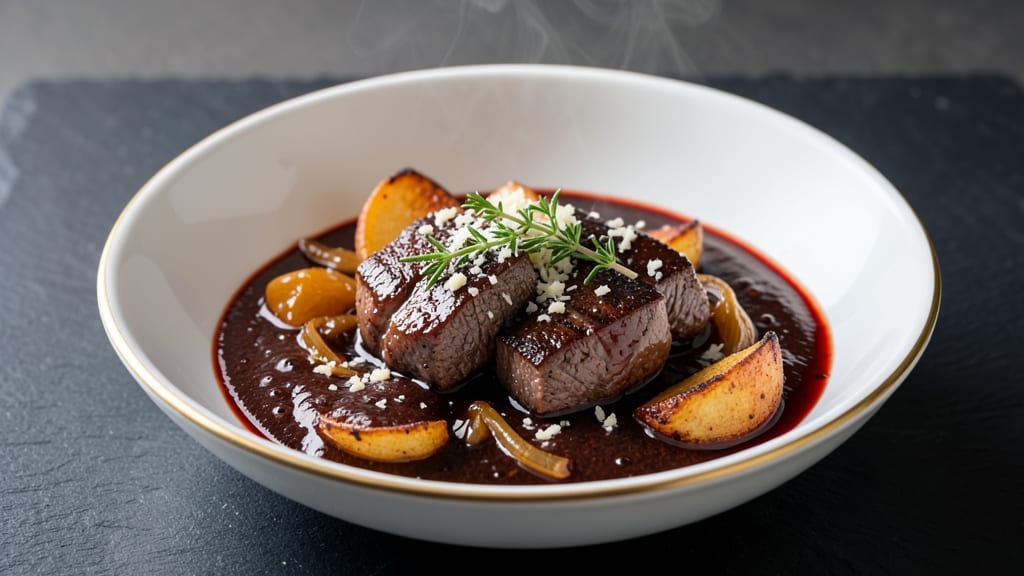
This Chester’s sauce recipe delivers the rich, velvety depth of a classic British condiment that elevates everything from roast beef to shepherd’s pie. Born in the heart of British pubs, this sauce combines beef stock, flour, and aromatic spices into a smooth, slightly tangy gravy that clings to every bite.
The secret lies in slow reduction, where flavors meld into a luxurious consistency that’s impossible to resist.
What sets Chester’s sauce apart is its versatility—use it as a drizzle over crispy roasted meats, a dip for golden fries, or a glaze for pies.
The recipe relies on simple pantry staples like Worcestershire sauce and vinegar to balance the richness, while onions and Gruyère add depth that makes it unforgettable. Unlike store-bought versions, this homemade sauce develops layers of flavor that come together over time.
By the time you finish, you’ll have a sauce so smooth and aromatic it transforms ordinary meals into something special. The slow simmering process ensures a velvety texture with just the right tang, while the caramelized onions add a subtle sweetness that rounds out the flavors.
This isn’t just a condiment—it’s the star of the dish.
Perfect for holiday feasts, game days, or weeknight dinners, Chester’s sauce keeps beautifully in the fridge for up to a week. Whether you’re drizzling it over a Sunday roast or using it as a dip, this recipe delivers restaurant-quality results at home. Let’s get started!
Ingredients for chester's sauce
Pantry staples meet British pub magic in this velvety sauce—simple ingredients, restaurant-quality results.
| Ingredient | Amount | Notes |
|---|---|---|
| Beef Stock 🍲 | 3 cups | High-quality, homemade preferred |
| All-Purpose Flour 🌾 | ¼ cup | For thickening, sifted |
| Yellow Onions 🧅 | 1 ½ cups | Finely chopped, caramelized |
| Gruyère Cheese 🧀 | 1 cup | Freshly grated, aged |
| Worcestershire Sauce 🍶 | 1 tbsp | High-quality brand preferred |
| Apple Cider Vinegar 🍎 | 1 tbsp | For tangy balance |
| Unsalted Butter 🧈 | 2 tbsp | Cold, cubed for richness |
| Dijon Mustard 🌶️ | 1 tsp | For subtle depth |
| Salt 🧂 | ½ tsp | Kosher or sea salt |
| Black Pepper 🌶️ | ¼ tsp | Freshly ground preferred |
The Gruyère is non-negotiable—aged, nutty Gruyère from a specialty cheese shop delivers the best flavor. Whole Foods or local cheesemongers carry the good stuff; avoid pre-shredded. For onions, caramelize them until deep golden—20-25 minutes in butter—this builds the sauce's sweet foundation. Beef stock should be rich and full-bodied; Kitchen Basics or homemade works best. The butter adds luxurious mouthfeel, so use high-fat, unsalted for maximum impact.
No Gruyère? Comté or Emmental can stand in, but flavor will differ slightly. Worcestershire sauce missing? Soy sauce plus a pinch of sugar mimics its umami depth. Substituting vinegar? Balsamic or lemon juice work, but apple cider adds the classic tang. For a quicker version, blend caramelized onions with stock first—immersion blender makes this a breeze. The Dijon mustard is optional but adds complexity; stone-ground is ideal if you have it.
This sauce thickens as it cools, so reheat gently with a splash of stock or water. Keeps 5-7 days in the fridge, sealed tightly. Freezes beautifully for up to 3 months—portion into ice cube trays for easy use. The longer it sits, the more the flavors meld, so make a double batch if you can.
Why You'll Love This Recipe
- Pantry Magic: I swear by this sauce because it uses what’s already there—no fancy shopping trips. That yellow onion? Probably sitting in your fridge. Gruyère? The same block you’ve had since last Christmas. Just toss them in with the flour and stock, and boom—restaurant-quality depth without the grocery haul.
- Umami Bomb: Between the Worcestershire and beef stock, this sauce packs a punch that’s both rich and clean. The Gruyère melts into it like a hug, adding that nutty, savory warmth that makes every bite feel like a reward. (Yes, even on a Tuesday night.)
- Sauce for Everything: Need a quick weeknight dinner? Drizzle it over steak fries or toss it with roasted veggies. Hosting? Slather it on grilled chicken or use it as a dip for crusty bread. It’s the kind of sauce that turns "meh" meals into "wait, why didn’t I think of this sooner?"
- Leftovers That Don’t Suck: Make a double batch—it reheats like a dream and tastes even better the next day. Honestly, I’ve had it cold on sandwiches, warmed up with mashed potatoes, and even frozen for lazy days. That rich, cheesy flavor only gets better with time, not worse.
Step-by-step instructions for Chester's sauce recipe
Here's how to create this luxurious, velvety sauce with rich depth and perfect balance.
Caramelize the Yellow Onions
Heat the 2 tablespoons unsalted butter in a medium saucepan over medium heat. Add the 1.5 cups finely chopped yellow onions and cook for 15-20 minutes, stirring occasionally. You'll know they're perfectly caramelized when they turn golden brown and develop a sweet, jammy consistency with a rich aroma.
Be patient during this process—rushing will result in bitter onions. If the onions start to stick, add a splash of beef stock to deglaze. Once caramelized, remove the onions from the pan and set them aside temporarily. The residual butter and onion bits in the pan will form the flavor base for your sauce.
Create the Roux and Deglaze
Return the caramelized onions to the saucepan and reduce heat to medium-low. Sprinkle in the 0.25 cup all-purpose flour all at once, whisking constantly to prevent lumps. Cook for 2-3 minutes until the flour is fully incorporated and the mixture turns a light golden color—this creates your roux.
Gradually whisk in the 3 cups beef stock, ensuring no lumps remain. Add the 1 tablespoon Worcestershire sauce and 1 tablespoon apple cider vinegar. Bring the mixture to a gentle simmer and let it cook uncovered for 8-10 minutes, stirring occasionally, until it thickens slightly. This step develops the sauce's rich, savory foundation.
Incorporate the Gruyère Cheese
Reduce heat to low and gradually whisk in the 1 cup freshly grated Gruyère cheese until completely melted and smooth. The sauce should begin to thicken noticeably as the cheese emulsifies. If it becomes too thick, thin it with a splash of beef stock as needed—you want a velvety consistency that coats the back of a spoon.
Stir in the 1 teaspoon Dijon mustard, 0.5 teaspoon salt, and 0.25 teaspoon black pepper. Taste and adjust seasoning if needed, keeping in mind the cheese and Worcestershire sauce already contribute significant flavor. The sauce should be rich, slightly tangy, and perfectly balanced—not overly salty or acidic.
Finish and Rest the Sauce
Transfer the sauce to a clean saucepan and simmer gently for an additional 5-7 minutes to allow all the flavors to meld together. The sauce should now have a luxurious, velvety texture with a glossy sheen. If you prefer a smoother consistency, strain it through a fine-mesh sieve to remove any remaining onion bits or cheese particles.
For best results, let the sauce rest for 10-15 minutes before serving. This allows the flavors to fully develop and the sauce to reach its optimal consistency. The resting period also prevents the cheese from continuing to melt and separating the sauce when served. Store any leftovers in an airtight container in the refrigerator for up to 5 days, or freeze for up to 3 months.
Pro Tips For Making Chester'S Sauce
- Bloom the Onions First: Skip the raw onion chunks in your roux—finely dice them and cook them low and slow in butter until translucent (about 8-10 minutes) before adding flour. I learned this the hard way: raw onions in a hot roux burn faster than you can stir, and the sauce ends up bitter. This step builds flavor without risking scorching.
- Use Cold Stock: Let your beef stock cool to room temperature before whisking it into the roux. Cold stock tempers the heat and prevents the sauce from curdling when the cheese melts in later. I was skeptical until I tried it—now I never go back.
- Whisk Like Your Life Depends on It: The moment you add stock to the roux, grab that whisk and don’t stop until the sauce thickens. Lumps are the enemy here, and they’re harder to fix than you’d think. If it gets too thick, add a splash of warm water, but keep that whisk moving.
- Grate the Cheese Fresh: Pre-shredded Gruyère has anti-caking agents that make your sauce grainy and clumpy. Grate your own cheese just before adding it to the sauce—it melts smoother and blends better. Yes, it’s an extra step, but the texture difference is night and day.
Essential equipment for this recipe
Saucepan Essentials
Start with a heavy-bottomed saucepan—I swear by my All-Clad Stainless Steel 3-quart—to prevent scorching during the caramelization and roux stages. The thick base distributes heat evenly, ensuring your onions cook uniformly without burning.
For smaller batches, a 2-quart saucepan works just as well, but avoid thin, reactive metals like copper or aluminum that can react with acidic ingredients like vinegar. 🔥
Whisk Mastery
A balloon whisk or French whisk is non-negotiable for this recipe. The flexible wires cut through the cheese and flour, preventing lumps that can ruin the sauce’s silky texture. My go-to is a OXO Good Grips whisk—the ergonomic handle makes long stirring sessions comfortable.
If you’re short on time, an immersion blender can help smooth out the sauce after cooking, but whisking by hand builds better flavor development.
Cheese Tools Matter
Freshly grated Gruyère is the star here, so invest in a microplane or box grater to avoid pre-shredded cheese’s anti-caking agents. I use a Mikasa 4-sided grater for consistent, fine shreds that melt smoothly.
For extra efficiency, grate the cheese directly into the warm saucepan—this prevents clumping and ensures even distribution. Pre-shredded cheese? Skip it—it’ll make your sauce grainy and separate.
Temperature Control
Precision matters when balancing the sauce’s thickness. Use a digital thermometer (like the Thermoworks Thermapen) to monitor the sauce’s temperature—aim for a gentle simmer between 180-190°F. This range prevents the cheese from breaking and keeps the sauce velvety.
If it boils, the sauce will curdle. A low, steady heat on your stovetop is key—medium-high can turn this luxurious sauce into a disaster. ⚡
Straining Secrets
For a flawlessly smooth finish, strain the sauce through a fine-mesh sieve or cheesecloth-lined strainer after cooking. I use a Heston Blumenthal sieve—its tight weave catches even the tiniest cheese particles. If you’re short on time, a nut milk bag works in a pinch.
Skim off any excess fat that rises to the surface before serving, as it can make the sauce feel heavy. The result? A sauce so silky it’ll make your guests think you slaved for hours.
Storage Containers
Transfer leftovers to glass airtight containers—I recommend Le Parfait jars—to preserve freshness and prevent odors from seeping in. These containers also stack neatly in the fridge. For freezing, portion the sauce into ice cube trays—each cube is perfect for drizzling over individual servings later.
Label with the date, as the sauce’s texture changes slightly after freezing; reheat gently with a splash of stock to restore its velvety consistency. 💫
Nutrition facts
Frequently asked questions
Can I make Chester's sauce without Gruyère cheese?
Yes! While Gruyère provides the signature nutty depth, you can substitute with Comté or Emmental for a similar melt. For a dairy-free version, use nutritional yeast (1 tablespoon) plus cashew cream (½ cup) to mimic richness. The sauce will taste different but still delicious.
How do I fix a sauce that's too thick or too thin?
For a sauce that's too thick, whisk in 1 tablespoon beef stock at a time until smooth. If it's too thin, remove from heat and whisk in ½ teaspoon cornstarch mixed with 1 teaspoon cold water. Simmer for 1-2 minutes to thicken. Always adjust gradually—over-correcting can ruin the balance.
What's the best way to reheat leftover Chester's sauce?
Reheat gently in a saucepan over low heat, stirring constantly to prevent separation. Add 1-2 tablespoons beef stock if needed to restore velvety texture. Never microwave—it causes the cheese to break and the sauce to curdle. For best results, reheat just until warmed through (2-3 minutes).
Can I use this sauce in cooking instead of just drizzling?
Use it as a glaze for roasted meats, a base for casseroles, or a dip for fries. For baking, reduce it by half first to prevent sogginess. The sauce's rich flavor works beautifully in shepherd's pie or as a topping for mashed potatoes. Just remember it's saltier than store-bought versions, so adjust seasoning when using in recipes.
Why does my homemade version taste different from store-bought?
Store-bought versions often contain preservatives, artificial flavors, and thickeners like guar gum. Homemade Chester's sauce develops deeper, more complex flavors through slow cooking and fresh ingredients. The tangy balance from vinegar and Worcestershire sauce is also more pronounced. Embrace the difference—your version will taste fresher and more authentic!