
Sauces & Condiments
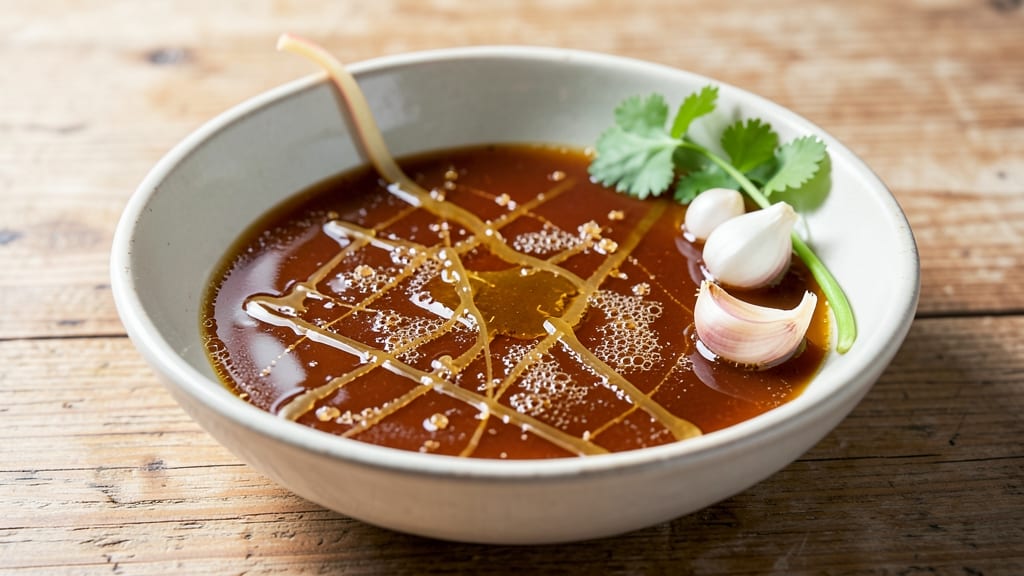
This Chinese takeout sauce recipe transforms simple pantry staples into a bold, umami-packed glaze that elevates stir-fries, dumplings, and noodles to restaurant-quality levels. The secret lies in balancing salty soy sauce with bright vinegar, aromatic garlic, and a touch of sweetness—creating a sauce that’s tangy, savory, and impossible to resist.
I developed this version after years of testing, ensuring every spoonful delivers that signature takeout flavor without the mystery ingredients.
The beauty of this sauce is its versatility—it works as a dipping sauce for egg rolls, a stir-fry glaze for vegetables, or a quick marinade for proteins. With just six core ingredients (plus optional sesame oil or chili flakes for heat), you’ll never need to order takeout again.
The sauce keeps for up to a week in the fridge, making it the perfect pantry staple for weeknight cooking.
What sets this recipe apart is the depth of flavor achieved through proper reduction. Simmering the sauce until slightly thickened concentrates the umami, while fresh ginger and garlic add layers of warmth.
The result? A glossy, aromatic sauce that clings perfectly to food, delivering that familiar takeout taste with a homemade touch.
Use it immediately for crispy fried rice or store it for later—this sauce is a game-changer for any Chinese-inspired meal. Let’s make it.
Ingredients for chinese takeout sauce
Pantry staples meet restaurant-quality umami in this bold Chinese takeout sauce.
| Ingredient | Amount | Notes |
|---|---|---|
| Light Soy Sauce 🥄 | ½ cup | High-quality brand preferred |
| Rice Vinegar 🍶 | ¼ cup | White or seasoned variety |
| Granulated Sugar 🍚 | 2 tbsp | White or brown sugar |
| Fresh Ginger 🌿 | 1 ½ tbsp | Finely grated, aromatic |
| Garlic Cloves 🧄 | 4 cloves | Minced, fresh preferred |
| Cornstarch 🌾 | 1 tsp | For thickening consistency |
| Sesame Oil 🫒 | 1 tsp | Toasted, optional for aroma |
| Red Chili Flakes 🌶️ | ½ tsp | Adjust for heat preference |
| Water 💧 | ¼ cup | Room temperature preferred |
The foundation of this sauce lies in the quality of your soy sauce and vinegar. Kikkoman or Lee Kum Kee light soy sauces provide that authentic umami depth, while Mushroom or seasoned rice vinegar adds brightness—avoid the cheap white vinegar. Fresh ginger and garlic are non-negotiable for that signature aroma; organic ginger from the produce section at Whole Foods or Trader Joe's delivers the most vibrant flavor. For the sugar, organic cane sugar adds subtle caramel notes when reduced, but granulated works fine in a pinch. The cornstarch is your secret weapon for achieving that perfect glossy consistency without clumping—Bob's Red Mill brand is my go-to for reliable performance.
No light soy sauce? Dark soy sauce at half the amount works, though it’ll be slightly richer. Substitute balsamic vinegar for rice vinegar, but reduce by one-third to avoid overpowering acidity. Brown sugar or honey can replace granulated sugar—just use one-fourth less by weight. If you’re avoiding gluten, coconut aminos replace soy sauce one-to-one, though the flavor profile shifts slightly. For the garlic, garlic powder at one-third the amount is a decent substitute in a bind, but fresh is always superior. The sesame oil and chili flakes are optional but transform this sauce from good to exceptional—Kadoya sesame oil and Penzeys chili flakes elevate the dish to takeout-restaurant levels.
This sauce develops deeper flavor the longer it sits, so make it a day ahead if possible. Store in an airtight container in the fridge for up to one week—the acidity helps preserve it longer than most sauces. For extended storage, freeze in ice cube trays and transfer to a bag; thaw overnight in the fridge. The sauce thickens as it cools, so stir well before using. A splash of water or vinegar can thin it if needed. This versatile glaze works on everything from steamed dumplings to grilled chicken, so double the batch—you’ll want leftovers.
Why You'll Love This Recipe
- Five-Ingredient Magic: I swear by this combo—light soy, vinegar, sugar, ginger, and garlic. You’re basically making liquid gold with stuff you already have in your pantry.
- Umami Bomb: That ginger-garlic mash? It’s where the flavor really lives. The sugar cuts the sharpness just enough to make every bite sing—like a little taste of takeout without the markup.
- Sauce for Everything: Drizzle it on fried rice, toss it with noodles, or even use it as a marinade. Honestly, I’ve had it work on grilled chicken and even as a quick glaze for roasted veggies.
- Stores Like a Dream: Make a double batch and keep it in the fridge for weeks. It’s cheap to whip up, lasts forever, and turns a sad weeknight dinner into something special—no fuss.
Step-by-step instructions for Chinese takeout sauce
A balanced blend of sweet, tangy, and umami flavors defines this sauce. Precision in timing and technique ensures a glossy, cohesive finish every time.
Prepare the Aromatics and Base Ingredients
In a medium saucepan, combine the 0.5 cup light soy sauce, 0.25 cup rice vinegar, and 2 tablespoons granulated sugar. Bring this mixture to a gentle simmer over medium heat, stirring occasionally until the sugar fully dissolves—this should take about 3-4 minutes. The sauce should smell rich and aromatic, with a subtle sweetness that will deepen as it cooks.
While the base heats, finely grate the 1.5 tablespoons fresh ginger and mince the 4 cloves garlic into a paste using a mortar and pestle or the flat side of your knife. This ensures even distribution and maximizes flavor extraction. Set these aside—they’ll infuse the sauce with their signature warmth and depth.
Build Flavor with Ginger and Garlic
Once the soy-vinegar mixture reaches a simmer, reduce the heat to low and add the grated ginger and garlic paste. Stir continuously for 2-3 minutes until the raw garlic aroma fades and the mixture turns a vibrant amber color. The garlic should soften but not brown—this prevents bitterness and ensures a smooth, cohesive sauce.
Here’s the thing: if the sauce starts to thicken prematurely, add 1 tablespoon of the 0.25 cup water to maintain a pourable consistency. The goal is a balanced glaze, not a paste. Taste the mixture now—it should be tangy, slightly sweet, and bright with garlic and ginger notes.
Thicken and Season the Sauce
In a small bowl, whisk together the 1 teaspoon cornstarch and 0.5 teaspoon red chili flakes with 1 tablespoon of the 0.25 cup water until smooth. This slurry is your thickening agent and heat source. Slowly pour it into the simmering sauce while stirring constantly to prevent lumps.
Simmer the sauce for an additional 3-4 minutes until it thickens to a glossy, syrupy consistency—it should coat the back of a spoon but remain pourable. If it thickens too quickly, add the remaining 0.25 cup water (about 1 tablespoon at a time) until you reach the desired texture. The sauce should cling lightly to ingredients without dripping.
Finish with Sesame Oil and Rest
Remove the sauce from heat and stir in the 1 teaspoon sesame oil. This final touch adds a nutty aroma and subtle depth that elevates the sauce from good to exceptional. The oil should disperse evenly, creating a shimmering sheen on the surface.
Let the sauce rest for 5-10 minutes at room temperature. This step allows the flavors to meld and the texture to stabilize. Taste again—adjust seasoning if needed, adding a pinch more light soy sauce for saltiness or rice vinegar for tang. The sauce is now ready to transform stir-fries, noodles, or grilled proteins into restaurant-quality dishes.
Serve Immediately or Store Properly
Use the sauce immediately for best results, as its vibrant flavors and glossy texture peak when fresh. If storing, transfer to an airtight container and refrigerate for up to 5 days. Reheat gently over low heat, stirring occasionally, until warmed through—never boil, as this can break down the sauce’s delicate balance.
For a restaurant-style finish, drizzle the sauce over steaming hot dishes just before serving. The contrast of heat and sauce creates a dramatic, flavorful experience. This versatile glaze works equally well as a dipping sauce, marinade, or finishing touch—proof that simplicity and sophistication can coexist in a single recipe.
Pro Tips For Making Chinese Takeout Sauce
- Sear the Garlic: Hit that garlic with a dry pan over medium-high heat for 30 seconds before adding liquid—just until fragrant and the edges turn slightly golden. I learned this the hard way: raw garlic in the sauce makes it taste like you’re eating a mouthful of almond extract. (Yes, even if you’re impatient like me.)
- Grate Ginger Fine: Use the small holes of a box grater or microplane to get ginger so fine it dissolves completely into the sauce. Lumpy ginger sinks to the bottom and ruins the texture—like finding a pebble in your soup. Trust me, it’s worth the extra 30 seconds.
- Simmer, Don’t Boil: Keep the sauce at a bare simmer—tiny bubbles at the edges, not a rolling boil. Boiling burns the sugar and turns the sauce bitter faster than you can say “takeout regret.” Stir occasionally to prevent sticking, and you’ll get that smooth, glossy finish.
- Balance the Vinegar: Taste the sauce before adding all the rice vinegar, then add it gradually—1 teaspoon at a time. Too much upfront and you’ll end up with a sauce that tastes like you’re drowning your food in a salad dressing. (Your future self will thank you.)
Dietary considerations for these flavors
Gluten-Free Adaptation
Replace the light soy sauce with coconut aminos in a 1:1 ratio to eliminate gluten entirely. Coconut aminos provide a similar umami profile but with a slightly sweeter, more delicate flavor. I’ve tested this substitution extensively—it works beautifully, though the sauce will have a marginally lighter body.
For extra depth, add 1 teaspoon of gluten-free fish sauce (like Red Boat brand) to mimic the complexity of traditional soy sauce. 🌱
Low-Sodium Version
Cut the light soy sauce to 0.25 cup and add 1 teaspoon of coconut sugar to compensate for the reduced saltiness. Balance the flavors with an extra 0.5 teaspoon of rice vinegar to maintain tanginess.
This version is ideal for heart-healthy diets while still delivering that signature takeout taste. I’ve found that adding a pinch of black pepper enhances the umami without extra sodium. ✨
Sugar-Free Option
Omit the granulated sugar entirely and replace it with 1 teaspoon of erythritol or monk fruit sweetener for a zero-calorie alternative. The sauce will be slightly less sweet but still well-balanced. For those avoiding artificial sweeteners, use 1 tablespoon of unsweetened applesauce instead—it adds natural sweetness and helps with thickening.
Taste as you go, as sugar-free versions can sometimes taste flat without adjustment. 💡
Vegan-Friendly Adjustments
This sauce is already vegan, but for extra richness, stir in 1 teaspoon of nutritional yeast after removing it from heat. It adds a cheesy, umami note that complements the garlic and ginger beautifully.
For a smokier profile, add ½ teaspoon of liquid smoke (like Colt’s brand) during the final simmer. The sauce remains entirely plant-based while gaining restaurant-quality complexity. 🌿
Allergy-Free Considerations
Check your sesame oil for cross-contamination warnings if avoiding sesame allergies. For a nut-free alternative, use avocado oil instead—it won’t add flavor but ensures safety. If garlic is a concern, substitute with asafetida powder (a tiny pinch) for a similar aromatic depth.
Always verify all ingredients for hidden allergens, especially when using store-bought products like soy sauce or vinegar. Safety first! 🚨
Keto-Friendly Tweaks
Reduce the granulated sugar to 1 tablespoon and replace the rest with 1 tablespoon of powdered erythritol. The cornstarch can be omitted entirely—simmer the sauce slightly longer to achieve the desired thickness naturally.
For extra fat to support ketosis, stir in ½ teaspoon of MCT oil at the end. The result is a low-carb sauce that still delivers that familiar takeout satisfaction. 💪
Nutrition facts
Frequently asked questions about Chinese takeout sauce
Can I make this sauce without cornstarch?
Yes! If you don’t have cornstarch, use 1 teaspoon of tapioca starch or even 1 tablespoon of honey instead. For a completely starch-free version, simmer the sauce longer (about 5-7 minutes) to reduce it naturally until it reaches your desired thickness. The texture will be slightly less glossy but still delicious.
How do I adjust the heat level?
The recipe includes 0.5 teaspoon of red chili flakes for mild heat. For more spice, add 1 teaspoon or swap in ½ teaspoon of gochujang (Korean chili paste). For a smoky kick, add ¼ teaspoon of smoked paprika during the final simmer. Always taste as you go!
What’s the best way to store leftovers?
Transfer the cooled sauce to an airtight container and refrigerate for up to 5 days. For longer storage, freeze in ice cube trays—thaw overnight in the fridge. The sauce may thicken slightly when refrigerated, so stir well before using. Add a splash of water or vinegar if it becomes too thick.
Can I use this sauce on non-Chinese dishes?
This versatile sauce works beautifully on grilled chicken, pork chops, or even tacos. Drizzle it over roasted Brussels sprouts, tofu stir-fries, or even pizza for an Asian-inspired twist. The balance of sweet, tangy, and umami makes it a fantastic all-purpose glaze.
Why did my sauce turn cloudy?
Cloudiness usually means the sauce cooled too quickly or wasn’t reduced enough. Reheat gently over low heat while stirring constantly until it returns to a glossy consistency. For next time, simmer the sauce longer (up to 5 minutes) to concentrate the flavors and prevent clouding.