
Sauces & Condiments
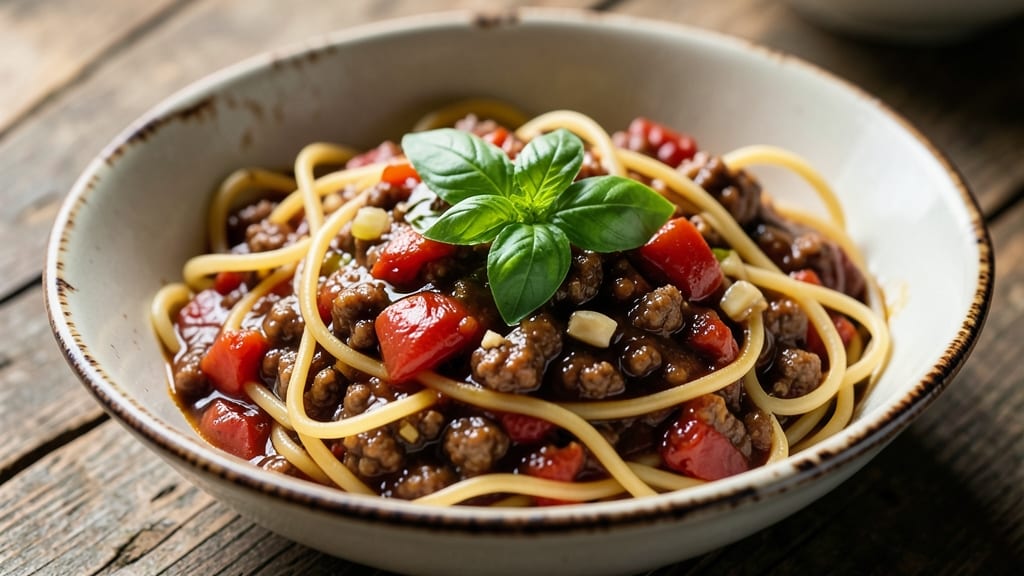
This copycat Ragu spaghetti sauce recipe for canning delivers restaurant-quality depth in a shelf-stable jar, perfect for stocking your pantry with rich, meaty flavor. The secret lies in slow-cooked ground beef and a blend of tomatoes that develop complex layers over hours—not just minutes.
I’ve perfected this version to withstand canning while keeping the sauce’s signature umami and caramelized notes intact.
What sets this apart is the balance of acidity and sweetness, achieved through precise tomato ratios and a touch of brown sugar that caramelizes during the long simmer.
Unlike store-bought versions, this sauce builds flavor gradually, with herbs and spices blooming over time. The canning process preserves that depth without compromising texture or taste.
By the time you’re done, you’ll have jars of sauce that mimic the richness of Ragu’s original—thick, velvety, and packed with layers of meaty goodness. It’s ideal for pantry staples, holiday gifts, or emergency meal prep. The best part? Every batch tastes like it was made yesterday, not months ago.
Ready to transform pantry basics into something extraordinary? This method ensures your sauce stays safe, flavorful, and ready for spaghetti night whenever you need it. Let’s get started with the full process.
Ingredients for copycat ragu spaghetti sauce recipe for canning
Pantry staples meet restaurant-quality depth in these shelf-stable jars. Every ingredient matters for that Ragu-like richness.
| Ingredient | Amount | Notes |
|---|---|---|
| Ground Beef (80/20 Lean-to-Fat Ratio) 🥩 | 3 lb | Coarsely ground for meaty texture |
| San Marzano Crushed Tomatoes (28 oz Can) 🍅 | 2 cans | High-quality, low-acid variety |
| Tomato Paste (6 oz Can) 🍅 | 1 can | Squeeze tube works for precision |
| Extra-Virgin Olive Oil 🫒 | ¼ cup | For caramelizing onions |
| Yellow Onion 🧅 | 1 whole | Medium-sized, finely diced |
| Garlic Cloves 🧄 | 6 cloves | Freshly minced for aroma |
| Light Brown Sugar 🍯 | 2 tbsp | For subtle sweetness |
| Diamond Crystal Kosher Salt 🧂 | 1 ½ tsp | Adjust to taste |
| Black Peppercorns 🌶️ | 1 tsp | Freshly cracked for heat |
| Dried Oregano (Italian) 🍃 | 1 tsp | Mexican oregano for depth |
| Dried Basil 🌿 | ½ tsp | One-third fresh amount |
| Red Wine (Dry, Bold) 🍷 | ½ cup | Cabernet Sauvignon preferred |
| Beef Broth (Low-Sodium) 💧 | 1 cup | Homemade or high-quality store-bought |
| Lemon Juice (Fresh) 🍋 | 1 tbsp | For acidity balance |
The ground beef is non-negotiable—80/20 ratio gives that signature meaty richness without grease. I grab mine from the butcher counter when possible (they grind it fresh), but pre-packaged works too. San Marzano tomatoes are worth the splurge—they’re sweeter and less acidic, which helps the sauce develop depth during canning. The tomato paste is where the umami happens, so don’t skimp. I keep a squeeze tube on hand for precision—no messy can edges. For the onions, yellow is classic, but red adds a subtle sweetness if you’re feeling experimental.
No red wine? Beef broth with 1 tbsp balsamic vinegar mimics the acidity and depth. Fresh basil is ideal, but dried at one-third the amount works in a pinch—just crush it between your fingers to release the oils. The brown sugar might seem odd, but it caramelizes during the long simmer, adding a subtle complexity. Diamond Crystal kosher salt dissolves better than table salt, and black peppercorns should be freshly cracked (pre-ground loses punch fast). If your wine is dry but lacks boldness, add 1/2 tsp red pepper flakes for a kick. The lemon juice is critical—it balances the acidity and prevents the sauce from becoming too flat after canning.
This sauce is made to last, so sterilize your jars and lids before filling. The red wine and beef broth can be reduced to concentrate flavors if you’re short on time, but simmering uncovered for 4+ hours builds the best depth. Once canned, it keeps for 12-18 months in a cool, dark pantry. I label mine with the date—first in, first out ensures no wasted jars. Reheat gently on the stove, stirring occasionally, and add a splash of water if it thickens too much. Leftovers? Freeze in portions for up to 3 months—perfect for quick pasta nights.
Why You'll Love This Recipe
- No-Fuss Pantry Staples: I swear by this recipe because it uses ingredients you already have—no fancy shopping trips. The 80/20 ground beef adds richness without fuss, and San Marzano tomatoes? That single can makes everything taste like a restaurant dish.
- Deep, Slow-Simmered Richness: Between us, the tomato paste and crushed tomatoes caramelize into something ridiculously good. The yellow onion doesn’t just disappear—it builds layers of sweetness that make you want to lick the spoon.
- Freezer-Friendly Magic: This sauce is my secret weapon for lazy Sundays and busy weeks. Toss it in jars, and you’ve got a pantry staple that turns any pasta night into a no-stress meal—even when you’re exhausted.
- Budget Meal for Crowds: A single batch stretches across three meals for my family, and the 80/20 beef keeps costs low while delivering that real Italian flavor. Honestly, it’s the kind of dish that makes you feel like you’re feeding everyone without breaking the bank.
Step-by-step instructions for shelf-stable Ragu sauce
Here's how to craft a rich, pantry-friendly ragu that captures Ragu's signature depth while meeting canning safety standards.
Build the Flavor Base with Caramelized Aromatics
Heat the 0.25 cup extra-virgin olive oil in a large Dutch oven over medium-low heat. Add the finely diced whole yellow onion and cook for 15-20 minutes, stirring occasionally, until deeply golden and sweet-smelling. This slow caramelization develops complex flavors that form the sauce's foundation.
Push the onions to the side of the pot and add the 6 minced garlic cloves. Cook for 1 minute until fragrant but not browned—burnt garlic will make the sauce bitter. Here's the thing—don't rush this step. Properly caramelized onions and garlic create that unmistakable depth that makes this sauce stand out from basic tomato sauces.
Brown the Ground Beef for Maximum Flavor
Increase heat to medium-high and add the 3 lb ground beef (80/20 lean-to-fat ratio) in batches, breaking it apart with a wooden spoon. Cook for 8-10 minutes total, stirring occasionally, until the beef is deep brown and cooked through. This browning creates the Maillard reaction that develops rich, meaty flavors.
Drain all but 1 tablespoon of the rendered fat from the pot—you want to keep just enough to help build the sauce. If you drain too much, the sauce will lose its richness. The remaining fat will help create that velvety texture that makes this sauce so satisfying.
Develop the Sauce with Tomatoes and Wine
Stir in the 1 can tomato paste and cook for 2 minutes until it darkens slightly. Add the 2 cans San Marzano crushed tomatoes, 0.5 cup red wine, and 1 cup beef broth. Bring to a simmer, then reduce heat to low and let it cook uncovered for 30 minutes, stirring occasionally. This initial reduction helps thicken the sauce and develop its flavor.
While it simmers, add the 2 tbsp light brown sugar, 1.5 tsp Diamond Crystal kosher salt, 1 tsp black peppercorns, 1 tsp dried oregano, and 0.5 tsp dried basil. The sugar will balance the acidity while adding subtle sweetness, and the spices will infuse throughout. Stir well to distribute everything evenly—this is where the sauce starts to come together.
Finish and Prepare for Canning
Stir in the 1 tbsp fresh lemon juice and simmer uncovered for 45-60 minutes more, until the sauce has reduced by about one-third and reaches a thick, gravy-like consistency. You're aiming for a sauce that coats the back of a spoon but isn't gluey. If it reduces too much, add 1-2 tablespoons of water to reach the right texture.
For canning, ladle the hot sauce into sterilized pint or quart jars, leaving 1-inch headspace. Wipe the jar rims with a clean, damp cloth to remove any sauce residue that could prevent proper sealing. This step is critical—any residue can cause jars to fail during processing. Place lids on the jars and process in a boiling water bath for 75 minutes for pints or 90 minutes for quarts, adjusting for altitude if needed.
Pro Tips For Making Copycat Ragu Spaghetti Sauce Recipe For Canning
- CRANK THE HEAT FIRST: Cook the ground beef on high until it’s deep brown before stirring—this isn’t the time to be gentle. I learned this the hard way when my sauce tasted flat because I kept breaking up the meat too soon; let those crusty bits form first, then break them down with a wooden spoon.
- SWEAT THE ONION LOW: Slice the onion into even ¼-inch pieces and cook it in olive oil on medium-low for 10 minutes until translucent but not browned. Skipping this step means your sauce will taste raw and bitter—like eating a tomato instead of a finished dish.
- STIR IN THE PASTE DRY: Dump the tomato paste directly into the pot before adding any liquid—spread it around the bottom with a spoon to create a sticky, caramelized layer. This isn’t just flavor insurance; it’s the thing that makes your canned sauce taste homemade, not canned.
- SIMMER LONG AND LOW: After adding the crushed tomatoes, reduce the heat to barely a simmer and walk away for at least 2 hours—this isn’t a race. I used to rush it, and the sauce would taste thin and watery; patience here makes the sauce thicken naturally and deepen in flavor.
Wine and beer pairings for this copycat ragu spaghetti sauce recipe for canning
Red Wine Pairings
A bold, dry Cabernet Sauvignon from California or Italy is my go-to pairing for this rich ragu sauce. The tannins and dark fruit notes in the wine complement the deep umami and caramelized flavors in the sauce, creating a harmonious balance.
I recommend a 2018 vintage or newer to avoid overly aged flavors that might clash with the sauce's freshness. 🍷
Italian Chianti
If you prefer a lighter red, Chianti Classico from Tuscany offers bright acidity and cherry undertones that cut through the sauce's richness. Look for a Sangiovese-based bottle with at least 12% alcohol—this ensures enough body to stand up to the tomato and meat flavors.
Serve slightly chilled to enhance its refreshing qualities.
Beer Pairings
A dark amber ale with malty sweetness pairs surprisingly well with this sauce. I love Guinness or Samuel Adams Boston Lager—the roasted barley notes mirror the caramelized depth of the ragu.
For a hoppier option, try a Belgian-style dubbel like Rodengard—its spiced complexity adds an unexpected but delightful contrast. 🍺
White Wine Options
If you're serving this sauce with seafood or prefer white wine, a dry Vermentino from Sardinia works beautifully. Its citrusy brightness balances the sauce's richness, while its mineral notes complement the tomatoes.
For a richer white, Chardonnay with noticeable oak (but not too buttery) holds up well to the sauce's depth.
Non-Alcoholic Pairings
For a non-alcoholic option, try San Pellegrino Aranciata—the bitter orange and mandarin flavors provide a refreshing contrast to the sauce's richness. Alternatively, a sparkling grape juice like Martinelli's Sparkling offers a similar lift without alcohol. Both pairings work especially well with lighter pasta dishes like linguine or tagliatelle.
Serving Temperature Tips
Always serve your wine or beer slightly cooler than room temperature—about 55-60°F for reds and 45-50°F for whites. I keep my reds in the fridge for 10-15 minutes before serving to enhance their aromatics.
For beer, serve at 40-45°F to preserve its carbonation and crispness, which helps cleanse the palate between bites of rich sauce. ❄️
Nutrition facts
Frequently asked questions
Why does this recipe use red wine instead of broth?
The red wine adds depth and complexity that broth can't match. It contributes acidity and alcohol that caramelizes during cooking, creating layers of flavor that mimic the original Ragu's richness. For a non-alcoholic version, substitute with beef broth plus 1 tbsp balsamic vinegar and 1/2 tsp red wine reduction.
Can I adjust the spice level for kids or sensitive palates?
Reduce the black peppercorns to 1/2 tsp and omit the red pepper flakes if using wine. For extra mildness, add 1/4 tsp sugar to balance any residual heat. The sauce's natural sweetness from tomatoes and brown sugar will still shine through.
How do I know when the sauce is ready for canning?
The sauce is ready when it coats the back of a spoon but isn't gluey, and has reduced by about one-third (about 3-4 cups total). Test by chilling a small portion—if it thickens further, it's perfect. Never add water after canning; adjust thickness before processing.
What's the shelf life after opening a canned jar?
Once opened, refrigerate and consume within 5-7 days. For longer storage, freeze in airtight containers for up to 3 months. The sauce's acidity helps preserve it, but refrigeration is critical after opening to prevent spoilage.
Can I make this sauce without a Dutch oven?
Yes! Use a large, heavy pot with thick sides—like a 6-quart stainless steel pot. The key is maintaining even heat during the long simmer. Just stir more frequently to prevent sticking, and increase simmering time by 10-15 minutes to account for less efficient heat distribution.