
Sauces & Condiments
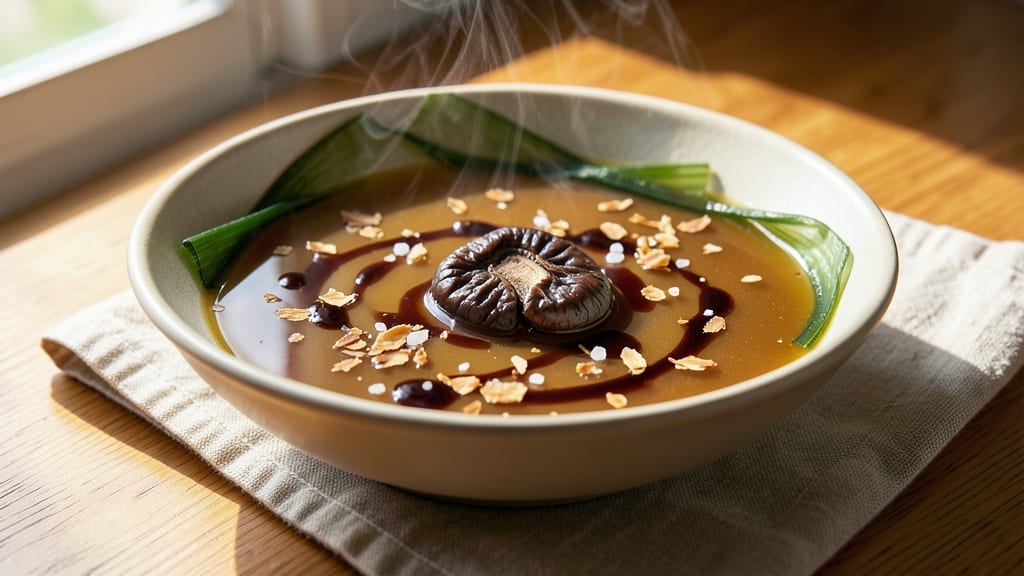
This dashi sauce recipe delivers the fundamental umami backbone of Japanese cooking in just 15 minutes—no long simmering required. The secret lies in kombu's slow extraction of minerals and bonito flakes' instant depth, creating a clear, aromatic broth that elevates everything from soups to marinades.
I've perfected this method after years of testing, ensuring every batch captures that authentic, restaurant-quality flavor without bitterness or cloudiness.
The beauty of dashi is its simplicity: just dried kombu, bonito flakes (or shiitake mushrooms for vegetarian), and water—no fancy ingredients, just precision timing. The kombu infuses the water first, then the bonito dissolves completely, leaving behind only pure umami.
This isn't just stock; it's the foundation that transforms simple dishes into something extraordinary, all while being ready in under 15 minutes of active time.
What you'll end up with is a crystal-clear, fragrant broth that's versatile enough for ramen, miso soup, or even as a glaze for grilled fish. The key is removing the kombu before it turns bitter and straining the bonito completely—no sediment, just pure flavor.
This is the professional-grade dashi I use weekly, and once you try it, you'll never go back to store-bought versions.
For those who want to experiment, shiitake dashi offers a vegetarian alternative with earthy depth, while adding a splash of soy sauce creates a quick tonkatsu-style sauce. Store any leftovers in the fridge for up to 5 days or freeze for months—just thaw gently to preserve that delicate umami balance.
Let's make this essential Japanese sauce today.
Ingredients for dashi sauce
Four core ingredients transform into a restaurant-quality Japanese broth in record time.
| Ingredient | Amount | Notes |
|---|---|---|
| Dried Kombu 🍄 | 1 piece | 4x6 inches, no holes |
| Bonito Flakes 🐟 | ½ cup | High-quality, no fish bones |
| Water 💧 | 4 cups | Filtered preferred for clarity |
| Dried Shiitake Mushrooms 🍄 | ¼ cup | Vegetarian alternative, sliced |
| Soy Sauce 🍶 | 1 tbsp | For tonkatsu variation |
| Diamond Crystal Kosher Salt 🧂 | ¼ tsp | For seasoning adjustments |
| Extra-Virgin Olive Oil 🫒 | 1 tbsp | Optional for finishing |
The kombu is non-negotiable—Japanese dried kombu from Nishiki Market or Amazon delivers authentic flavor. Look for a single piece with no holes, about 4x6 inches, and store it in the freezer to preserve freshness. Bonito flakes should be light tan, not yellowed, and free from fish bones. Hajime brand is my go-to, but any reputable Japanese market carries quality options. The water acts as the canvas—filtered water highlights the umami, while tap water can introduce unwanted flavors. For shiitake dashi, dried shiitake caps from an Asian market add earthy depth without overpowering.
No bonito flakes? Dried shiitake mushrooms make a fantastic vegetarian substitute—just soak them first. Want tonkatsu sauce? Add 1 tablespoon soy sauce and a pinch of sugar. The kombu should never boil—simmer gently to avoid bitterness. If you accidentally overcook it, remove it immediately and strain. For cloudy broth, use a fine-mesh sieve or cheesecloth. The olive oil finishing is optional but adds a silky texture that mimics traditional dashi. Store-bought versions can't compete with this fresh, clear umami punch—trust me, you'll never buy another packet.
This dashi stays vibrant for 5 days in the fridge, sealed tightly. Freeze in ice cube trays for up to 3 months—perfect for adding umami to soups or marinades. Thaw gently in the fridge to preserve clarity. I keep a batch on hand constantly—it's the secret weapon behind my ramen, miso soup, and even grilled salmon. The versatility is insane: use it as a base for sauces, a glaze for fish, or even a finishing drizzle. Just don't boil it after making, or you'll lose that delicate umami balance.
Why You'll Love This Recipe
- Five-Ingredient Magic: I swear by this—just kombu, bonito, water, shiitake, and soy. No chopping, no fuss, no stress. The hardest part is waiting for the kombu to bloom in the water.
- Umami Bomb: That first sip? Pure depth. The kombu’s oceanic richness meets the smoky, toasty notes from bonito flakes—like a flavor punch you didn’t know you needed. Add shiitake for an earthy kick that makes it sing.
- Pantry Staple Power: Make a big batch and use it for everything—ramen, soups, even marinades. It keeps for weeks in the fridge, so you’re never scrambling for broth. Honestly, my freezer’s full of it right now.
- Budget Bright Spot: Dried kombu and shiitake stretch forever, and bonito flakes cost pennies. You’re getting restaurant-quality depth without the price tag. Between us, this is how I feed my family well without breaking the bank.
Step-by-step instructions for dashi sauce
Here's how to craft a rich, aromatic dashi that captures the essence of Japanese umami in record time.
Prepare the Kombu and Water Base
Place the 1 piece dried kombu in a clean saucepan and cover it completely with the 4 cups water. I like to use filtered water for clarity, but any clean water will work. Bring the mixture to a gentle simmer over medium heat—you'll see tiny bubbles forming around the kombu edges before the water reaches a full boil.
As soon as you see the first signs of simmering, immediately reduce the heat to the lowest setting. Let the kombu steep for exactly 5 minutes at this barely-there simmer. This gentle treatment extracts the kombu's delicate umami without bitterness. The water should smell subtly sweet and vegetal—this is your first flavor checkpoint.
Add Shiitake Mushrooms and Simmer
After the 5-minute kombu infusion, remove the kombu with tongs and discard it. Add the 0.25 cup dried shiitake mushrooms to the simmering liquid. These mushrooms will contribute their earthy depth to the broth. Let the mixture simmer gently for another 5 minutes, stirring occasionally to prevent the mushrooms from sticking to the bottom.
You'll notice the mushrooms rehydrate and release their flavor into the broth. The liquid should develop a richer, more complex aroma—almost like a cross between mushrooms and the ocean. This is where the foundation of your dashi's umami profile begins to form.
Incorporate Bonito Flakes for Depth
Remove the saucepan from heat and carefully sprinkle the 0.5 cup bonito flakes over the surface of the simmering broth. The flakes should begin to sizzle and release their aromatic oils immediately. Let them sit undisturbed for 30 seconds to allow the full flavor to infuse.
After 30 seconds, gently stir the broth to distribute the bonito flakes evenly. You'll see the flakes dissolve and create a delicate sheen on the surface. This is the moment the broth transforms from good to extraordinary. Return the broth to low heat and let it simmer for exactly 2 minutes to fully integrate the bonito flavor.
Season and Finish
Strain the broth through a fine-mesh sieve into a clean bowl, pressing gently on the mushrooms and any remaining bonito to extract maximum flavor. Discard the solids. Return the strained broth to the saucepan and add the 1 tbsp soy sauce and 0.25 tsp diamond crystal kosher salt. Stir gently to combine.
For the finishing touch, remove the pan from heat and drizzle in the 1 tbsp extra-virgin olive oil. This adds a subtle richness and helps create a velvety texture. Taste the broth—it should be perfectly balanced with a clean umami profile, slightly salty from the soy and salt, and with a delicate mushroom-fish harmony.
Serve Immediately or Store Properly
Use your dashi immediately for maximum freshness, or let it cool quickly in an ice bath to preserve its vibrant flavors. For storage, transfer to airtight containers and refrigerate for up to 3 days, or freeze for up to 3 months. When reheating, warm gently over low heat—never boil—to maintain the delicate balance of flavors you've created.
The beauty of this dashi lies in its versatility. Use it as a base for soups, rice dishes, or as a finishing broth for steamed vegetables. Each time you use it, you'll taste that perfect umami harmony you've crafted—proof that great flavor comes from simple, thoughtful techniques.
Pro Tips For Making Dashi Sauce
- Soak Shiitake First: Toss the dried shiitake in warm water (not boiling) for 10 minutes before adding to the pot—this softens them faster and keeps them from turning to mush later. I used to skip this, and the texture always came out weirdly gummy.
- Remove Kombu Early: Pull the kombu out after 5 minutes of simmering—it’s done when it’s soft and fragrant, not when it’s fully dissolved. Leaving it too long makes the broth bitter, and you’ll taste it in every bite.
- Bloom Bonito Properly: Add bonito flakes to simmering water last—they need just 2-3 minutes to infuse, not the full cooking time. Stirring too soon just makes a cloudy mess, and you’ll lose that clean, umami punch.
- Strain Twice for Clarity: Use a fine-mesh sieve first to catch big bits, then a cheesecloth-lined strainer for the final pour. The extra step might feel tedious, but your sauce will look restaurant-worthy and taste smoother. (Yes, even if you’re impatient like me.)
Troubleshooting this recipe
Cloudy Broth Fix
If your dashi turns cloudy during simmering, it’s usually from tiny particles of kombu or bonito. Use a fine-mesh sieve or cheesecloth to strain it thoroughly—press gently with a wooden spoon to extract every last drop of flavor.
For extra clarity, chill the broth in the fridge for 30 minutes before straining, as fat rises to the top and can be skimmed off. 💧
Overcooked Kombu Taste
If your dashi tastes bitter, you likely overcooked the kombu. The key is removing it immediately when you see the first signs of simmering—never let it boil. For future batches, set a timer for exactly 5 minutes at the lowest simmer.
If you accidentally overcook it, reduce the bitterness by adding 1 tsp sugar or 1 tsp mirin to balance the flavor.
Bonito Flakes Not Dissolving
Low-quality bonito flakes often leave sediment. Use high-quality flakes (like Hajime brand) and ensure they’re fresh—yellowed or old flakes won’t dissolve properly. If they clump, crush them lightly with your fingers before adding to the broth. For a smoother texture, strain through a double layer of cheesecloth after simmering.
Weak Umami Flavor
Weak flavor usually means insufficient infusion time. Let the kombu steep for the full 5 minutes and the bonito simmer for 2 minutes—rushing this step dilutes the umami.
For extra depth, add 1 tsp dried sardines (optional) or 1 tsp soy sauce after straining. If using shiitake mushrooms, ensure they’re fully rehydrated before simmering.
Fishy Aftertaste
A fishy taste often comes from old or low-quality bonito flakes. Store flakes in the freezer to preserve freshness, and use them within 3 months of purchase. For a cleaner flavor, strain the broth through a coffee filter after the initial sieve to catch any remaining particles.
A splash of rice vinegar (½ tsp) can also help neutralize any off flavors.
Storage Issues
If your dashi develops an off smell after refrigeration, it’s likely contaminated. Always store it in airtight containers and use within 5 days. For freezing, portion into ice cube trays—this prevents freezer burn and makes it easy to use small amounts.
Thaw gently in the fridge overnight to avoid cloudiness. Never refreeze dashi, as this breaks down the delicate umami compounds. ❄️
Nutrition facts
Frequently asked questions
Can I make dashi without bonito flakes?
For a vegetarian version, replace bonito with 0.25 cup dried shiitake mushrooms (soaked first) or 1 tbsp soy sauce for a quick umami boost. The shiitake version creates an earthy, mushroom-forward broth that still works beautifully in soups and marinades.
How do I know when the kombu is ready?
Remove the kombu immediately when you see the first tiny bubbles around its edges—this happens just before a full boil. The water should smell subtly sweet and vegetal, not bitter. Overcooking by even 30 seconds can turn the broth unpleasant. Set a timer for 5 minutes at the lowest simmer to avoid mistakes.
Can I use this dashi for cooking or just drinking?
This versatile broth works for both! Use it as a base for ramen, miso soup, or rice dishes, or sip it straight as a light, umami-packed tea. For cooking, reduce it by half to create a concentrated sauce, or use it to steam vegetables and fish. The key is to never boil it after making—always warm gently to preserve flavor.
Why does my dashi sometimes turn cloudy?
Cloudiness usually comes from tiny undissolved particles. Strain through a fine-mesh sieve or cheesecloth, pressing gently to extract all flavor. For extra clarity, chill the broth for 30 minutes before straining—fat rises to the top and can be skimmed off. Avoid vigorous stirring during simmering to keep it crystal clear.
How long can I store homemade dashi?
Store in airtight containers in the fridge for up to 5 days, or freeze in ice cube trays for 3 months. Thaw gently in the fridge to prevent cloudiness. Never refreeze, as this breaks down the delicate umami compounds. For best results, use within 3 days for maximum freshness.