
Soups & Stews
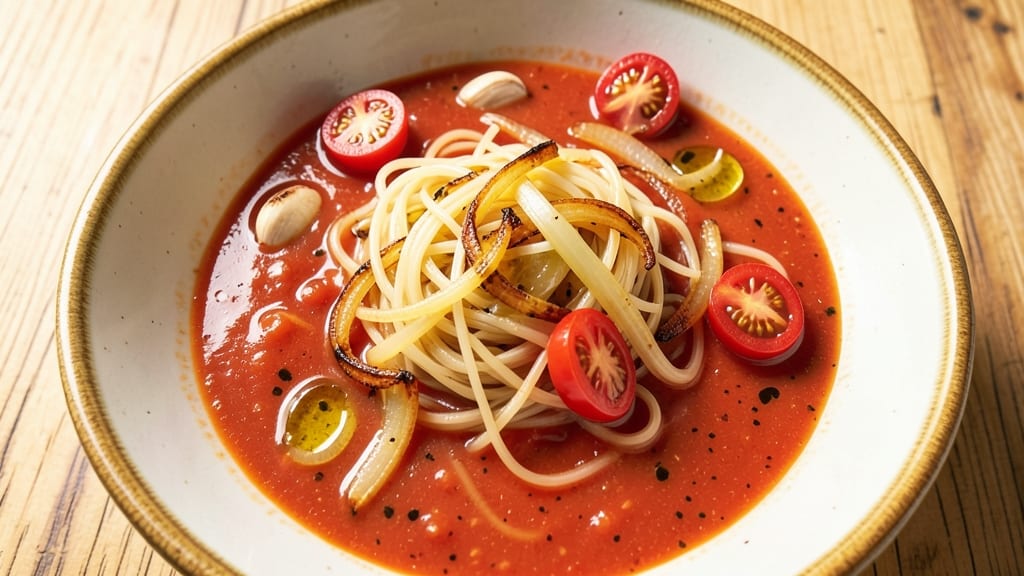
This fideo soup recipe with tomato sauce transforms simple vermicelli noodles into a hearty, aromatic dish that feels like a warm embrace in a bowl.
The secret lies in the tomato sauce—rich, tangy, and deeply savory—where onions caramelize slowly to build layers of flavor before the noodles absorb every drop of that velvety broth.
I perfected this recipe after years of testing, ensuring the fideo stays tender while the sauce develops into something restaurant-worthy without requiring hours in the kitchen.
The beauty of fideo soup is its balance of simplicity and depth. You start with a classic tomato base—onions, garlic, and tomatoes simmered until they break down into a thick, flavorful paste—then build the broth with chicken stock and a touch of vinegar for brightness.
The vermicelli noodles cook directly in this liquid, absorbing the sauce until each bite is perfectly tender and packed with umami. This method ensures no dry strands or watery broth—just a harmonious blend of textures and flavors.
What you’ll end up with is a soup that’s comforting yet vibrant, with the noodles holding their shape just enough to create a satisfying bite. The tomato sauce provides a deep, slightly sweet foundation, while the aromatics add complexity that lingers on the palate.
Garnish with fresh cilantro, a squeeze of lime, or crumbled queso fresco for a burst of freshness that cuts through the richness. It’s the kind of dish that feels like a celebration, even on a weeknight.
Perfect for feeding a crowd or meal prepping, this fideo soup keeps well in the refrigerator for up to three days, with flavors deepening as it sits. The key is letting the sauce develop fully—don’t rush it.
Once you taste the difference between store-bought tomato sauce and a homemade version built from scratch, there’s no going back. Let’s get cooking—your kitchen will smell like home in no time.
Ingredients for fideo soup recipe with tomato sauce
Simple ingredients that build layers of rich tomato flavor and tender vermicelli.
| Ingredient | Amount | Notes |
|---|---|---|
| Vermicelli Noodles 🍜 | 1 cup | Dried, fine vermicelli preferred |
| Yellow Onions 🧅 | 2 whole | Medium-sized, thinly sliced |
| Garlic Cloves 🧄 | 4 cloves | Peeled, minced for depth |
| Ripe Tomatoes 🍅 | 1 lb | Roma or vine-ripened preferred |
| Chicken Stock 🥫 | 4 cups | Homemade or quality low-sodium |
| Extra-Virgin Olive Oil 🫒 | ½ cup | For rich, fruity flavor |
| White Vinegar 💧 | 1 tbsp | For brightness and acidity |
| Salt 🧂 | 1 ½ tsp | Kosher or sea salt |
| Ground Black Pepper 🌶️ | ½ tsp | Freshly ground preferred |
| Fresh Cilantro 🌿 | ¼ cup | Chopped, for garnish |
| Lime 🍋 | 1 whole | Juiced, for freshness |
| Queso Fresco 🧀 | ½ cup | Crumbled, optional garnish |
The tomatoes and onions are the foundation here. Roma tomatoes break down beautifully for a thick sauce, but vine-ripened work too. I always grab mine from Trader Joe's or the produce section at Whole Foods—look for ones that smell sweet and give slightly when squeezed. The onions should be sweet, not bitter, so skip the red if you can. For the vermicelli, fine, dried noodles are key—they absorb the sauce better than the thick kind. If you can't find vermicelli, angel hair pasta works in a pinch, but it won't be the same texture.
No Roma tomatoes? San Marzano canned tomatoes are a great shortcut—they're sweeter and less acidic than most brands. Short on vinegar? Lemon juice at half the amount gives a similar tang. The stock can be beef or vegetable if you're not a chicken person, but keep it low-sodium. For extra depth, a pinch of smoked paprika in the sauce adds a subtle smokiness that pairs perfectly. The cilantro is optional but worth it—freshly washed leaves make all the difference. No cilantro? Parsley works too, though it's a different flavor profile.
This soup tastes even better the next day as the flavors meld. Store leftovers in the fridge for up to 3 days, covered tightly to keep the noodles from drying out. For meal prep, portion into containers with a little extra sauce on top—it reheats beautifully. The queso fresco, if using, should be added fresh after reheating so it stays crumbly. Freezing isn't recommended since the noodles can get mushy, but you can freeze the sauce separately for up to 3 months and add fresh noodles when serving.
Why You'll Love This Recipe
- 20-Minute Magic: I swear by this when I’m starving but too tired to think. Toss the vermicelli into boiling stock, then let the onions and garlic caramelize while the noodles soften—no stirring, no fuss. The tomatoes? Just blitz them raw with a splash of stock, then pour. That’s it.
- Tomato-Garlic Obsession: The sauce is where it gets real—deep, tangy, and just sweet enough from those ripe tomatoes. The garlic? Sautéed low and slow until it’s golden, not burnt, so every spoonful has that crisp, aromatic punch. Honestly, the noodles just soak up the flavor like sponges.
- Lunchbox Hero: Between us, this is my go-to for meal prep. The noodles hold up for days in the fridge, and the sauce only gets richer. Pack it cold for work or reheat it for a cozy dinner—either way, it’s a crowd-pleaser. My kid even asks for it, and that’s saying something.
- Pantry Staple Savior: No fancy ingredients, just basics you already have. A bag of vermicelli, a few tomatoes, some stock—it’s the kind of recipe that turns $5 into a full meal. And leftovers? They’re even better the next day, when the noodles soften just right and the flavors meld. Budget-friendly doesn’t get much better than this.
Step-by-step instructions for fideo soup with tomato sauce
Here's how to create a comforting bowl of vermicelli noodles in rich, tangy tomato broth.
Sauté the Onions and Garlic
Heat the 0.5 cup extra-virgin olive oil in a large pot over medium heat. Add the 2 whole yellow onions, sliced thinly, and cook for 5-6 minutes until they become translucent and just beginning to soften. This is where the flavor foundation builds.
Reduce the heat to medium-low and add the 4 cloves minced garlic. Cook for another 30 seconds until fragrant—you'll smell that wonderful garlic aroma filling your kitchen. Be careful not to let it brown, as that can make it bitter. Here's the thing—garlic burns quickly, so keep a close eye on it.
Cook the Tomatoes and Build the Sauce
Add the 1 lb ripe tomatoes, chopped, to the pot. Stir well to combine with the onions and garlic. Cook for 10-12 minutes over medium heat until the tomatoes break down and the mixture thickens slightly. You'll see the liquid reduce and the colors deepen to a rich, ruby red.
Once the tomatoes are soft and the mixture has thickened, pour in the 4 cups chicken stock and the 1 tablespoon white vinegar. Stir well to combine all ingredients. The vinegar will brighten the flavors and balance the richness of the tomatoes. Bring the mixture to a gentle boil, then reduce the heat to low and let it simmer for 15 minutes to allow the flavors to meld together.
Add the Vermicelli and Season
While the tomato mixture simmers, add the 1 cup vermicelli noodles to the pot. Stir gently to distribute them evenly throughout the broth. Cook for 8-10 minutes over low heat, stirring occasionally. The noodles should soften and absorb the rich tomato broth, creating a creamy texture.
Season the soup with 1.5 teaspoons salt and 0.5 teaspoon ground black pepper. Taste and adjust the seasoning if needed. The soup should be well-seasoned but not overly salty. This is the moment that matters: balancing the flavors so each spoonful is perfect. Stir well to ensure the noodles are evenly coated in the flavorful broth.
Finish and Garnish
Remove the pot from the heat and let the soup rest for 5 minutes. This allows the noodles to finish cooking and the flavors to settle. While it rests, juice the 1 whole lime and chop the 0.25 cup fresh cilantro. The lime juice will add a bright, citrusy note that cuts through the richness of the tomato broth.
Stir in the lime juice and half of the chopped cilantro. Taste again to ensure the balance of flavors is just right. Ladle the soup into bowls and garnish each serving with the remaining cilantro and 0.5 cup crumbled queso fresco. The queso fresco adds a creamy, slightly tangy finish that complements the tangy tomato broth beautifully. Serve immediately while the noodles are still warm and tender.
Pro Tips For Making Fideo Soup Recipe With Tomato Sauce
- Sear the Onions First: Don’t just chop and toss—cook the onions in oil over medium heat until they’re deep golden and slightly caramelized (about 8-10 minutes). I used to skip this, and the soup always tasted flat; the Maillard reaction is what builds real depth in that tomato base.
- Toast the Vermicelli: Dry-toast the vermicelli in a separate pan for 2-3 minutes before adding to the soup. It prevents mushiness and gives the noodles a nutty bite—like a little insurance policy against sad, limp fideo.
- Blend Tomatoes Roughly: Pulse the tomatoes in the blender until just combined, leaving some texture. Over-blending turns the sauce into glue; a slightly chunky sauce clings better to the noodles and keeps the dish from feeling one-note.
- Simmer, Don’t Boil: Once the noodles are added, reduce the heat to a gentle simmer. Boiling turns fideo soup into a mushy mess—like overcooked pasta, but worse. Keep it at a steady bubble, not a rolling boil, for the best texture.
Pro cooking tips for fideo soup recipe with tomato sauce
Tomato Sauce Mastery
The foundation of this soup is a deeply flavorful tomato sauce, and the key is patience. I always start by cooking the onions until they're golden and caramelized—this takes about 15 minutes on low heat.
Use a large, heavy pot like a Le Creuset Dutch oven to prevent burning. The onions should break down into a sweet, jam-like consistency before adding garlic. 🌶️
For the tomatoes, I crush them by hand (not a blender!) to keep some texture. If using canned tomatoes, San Marzano is my go-to—they're sweeter and less acidic.
Simmer the sauce uncovered for 20 minutes to let the water evaporate and intensify the flavors. This step is non-negotiable for a restaurant-quality result.
Noodle Perfection
Vermicelli noodles are delicate, so I never overcook them. Add them to the simmering broth when the sauce has thickened, then cook for exactly 8-10 minutes on low heat. Stir gently every 2 minutes to prevent sticking.
The goal is al dente noodles that hold their shape but still feel tender. Overcooking turns them mushy—trust me, I've learned this lesson the hard way!
For extra richness, I sometimes add 1 tablespoon of olive oil to the broth when the noodles are nearly done. This creates a silky texture that coats each strand beautifully. The noodles should absorb the sauce but remain distinct in the bowl.
Acid Balance
The white vinegar is crucial for brightening the tomato flavor, but timing matters. I add it after the tomatoes have broken down but before adding the stock. Start with 1 tablespoon, then adjust to taste—too much makes the soup taste sharp, while too little leaves it flat.
For a tangier version, I sometimes add ½ teaspoon of red wine vinegar at the end.
If your tomatoes are particularly acidic (like vine-ripened varieties), reduce the vinegar to ½ tablespoon. The key is balance—you want the acidity to complement, not overpower, the sweetness of the caramelized onions. Taste as you go!
Heat Control
Never let this soup boil vigorously after adding the noodles. A gentle simmer on low heat prevents the noodles from turning mushy and keeps the sauce from separating.
I use a thermometer to monitor the temperature—ideal range is 185-195°F. This attention to heat control is what separates home-cooked soup from restaurant-quality.
For extra depth, I finish with a pinch of smoked paprika while the soup rests. This adds a subtle smokiness that pairs perfectly with the tomato base. The resting period also lets the flavors meld—don't skip it!
Nutrition facts
Frequently asked questions
Can I use canned tomatoes instead of fresh for this fideo soup?
San Marzano canned tomatoes work perfectly—they're sweeter and less acidic than most brands. For best results, crush them by hand before adding to the pot. If using regular canned tomatoes, drain them well and simmer longer (15-20 minutes) to develop deeper flavor. The key is letting them break down completely for that rich, velvety texture.
Why does my vermicelli soup turn out watery?
Watery soup usually means one of two things: either the noodles weren't cooked long enough to absorb the broth, or you used too much liquid. Always simmer the noodles for 8-10 minutes on low heat, stirring occasionally. If it's still too thin, let it reduce uncovered for 5-10 minutes—this concentrates the flavors beautifully. For extra thickness, stir in 1 tablespoon of olive oil at the end.
How can I make this soup spicier?
Add heat by incorporating ½ teaspoon of cayenne pepper when you season the soup, or stir in 1-2 tablespoons of hot sauce at the end. For smoky depth, toast ½ teaspoon of ground cumin in the olive oil with the onions. If you love fresh heat, top each bowl with diced jalapeños or a sprinkle of chili powder. Adjust to taste—start small and add more if needed!
Can I make this soup ahead of time?
Yes! This soup actually tastes better the next day as the flavors meld. Store in an airtight container in the fridge for up to 3 days. Reheat gently on the stove, stirring occasionally, and add a splash of water if it thickens too much. For meal prep, portion into containers with extra sauce on top—it reheats beautifully. Avoid freezing, as the noodles can turn mushy.
What's the best way to store leftover fideo?
Keep leftovers in the fridge for 3 days maximum in an airtight container to prevent drying. The noodles will absorb more liquid over time, so reheat with 2-3 tablespoons of water or broth per serving. For best texture, reheat gently on low heat, stirring frequently. If storing for longer than 3 days, consider freezing just the sauce (without noodles) for up to 3 months, then adding fresh noodles when serving.