
Sauces & Condiments
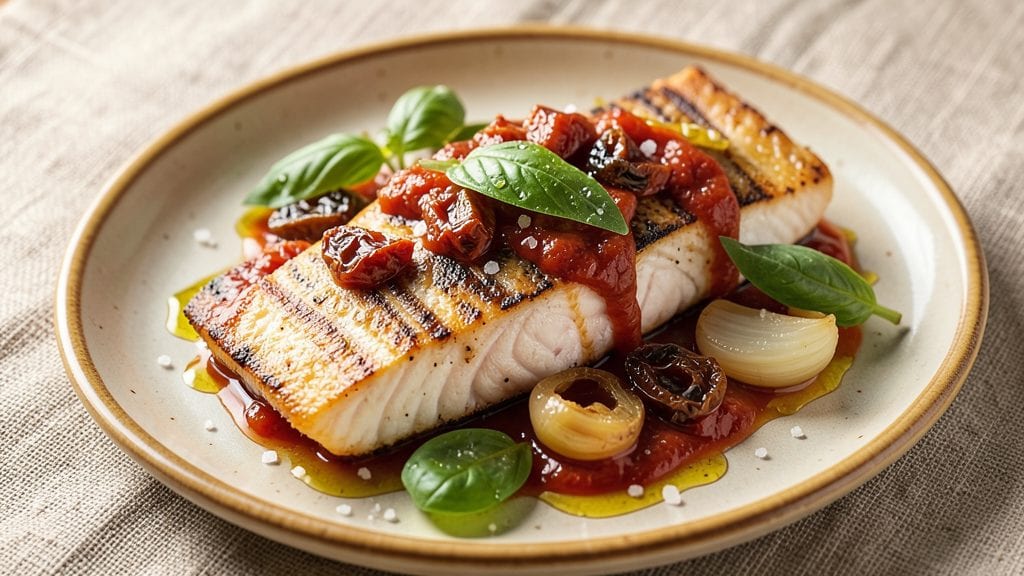
This fish with tomato sauce recipe transforms simple ingredients into a restaurant-worthy dish that balances bright acidity with rich, savory depth.
The secret lies in sun-dried tomatoes and white wine simmered until velvety, then kissed with garlic to create a sauce that clings perfectly to flaky white fish like cod or tilapia.
I developed this method after years of testing—too many thin sauces and overcooked fish—until I found the ideal harmony between tender protein and complex tomato base.
The beauty of this recipe is its flexibility: pan-sear for crispy edges or bake for even cooking, and adjust the wine-to-broth ratio to suit your preference for acidity or richness. Sun-dried tomatoes add concentrated sweetness that cuts through the fish’s natural oils, while garlic infuses the sauce with aromatic warmth.
For dietary adaptations, substitute vegetable broth for wine or use a splash of balsamic for depth without alcohol.
What you’ll achieve is a plate where every bite delivers melt-in-your-mouth fish enveloped in a sauce that’s neither too sweet nor too heavy—just perfectly balanced. The sauce’s natural stickiness ensures it clings to each flake, while the fish’s delicate texture contrasts beautifully with its vibrant, tangy companion.
Serve with crusty bread to soak up every last drop or alongside roasted asparagus for a complete meal.
This method works equally well with salmon for a richer profile or haddock for a lighter option, making it adaptable to any seafood preference. The sauce can be made ahead and reheated gently, so you’re never starting from scratch on busy nights.
Let’s create a dish that feels both elegant and effortless—one that proves homemade can rival any restaurant plate.
Ingredients for fish with tomato sauce
Sun-dried tomatoes and white wine create a velvety sauce that clings perfectly to flaky fish.
| Ingredient | Amount | Notes |
|---|---|---|
| White Wine 🍷 | 1 cup | Dry variety preferred |
| Vegetable Broth 💧 | 1 cup | Low-sodium preferred |
| Sun-Dried Tomatoes 🍅 | ½ cup | Oil-packed, drained |
| Extra-Virgin Olive Oil 🫒 | ¼ cup | High quality, fruity |
| Garlic Cloves 🧄 | 4 cloves | Peeled, thinly sliced |
| Canned Crushed Tomatoes 🍅 | 14 ½ oz | High quality, no salt added |
| White Fish Fillets 🐟 | 1 ½ lb | Cod or tilapia preferred |
| All-Purpose Flour 🌾 | ¼ cup | For dredging fish |
| Lemon Juice 🍋 | 2 tbsp | Freshly squeezed |
| Salt 🧂 | 1 tsp | Sea salt preferred |
| Black Pepper 🌶️ | ½ tsp | Freshly ground |
| Fresh Parsley 🌿 | 0.1 cup | Chopped, for garnish |
| Balsamic Vinegar 🍷 | 1 tbsp | For dietary adaptation |
The sun-dried tomatoes are the game-changer here—oil-packed from Trader Joe's or Whole Foods has the best flavor. Look for ones that aren't too dry or brittle. The white wine? Pinot Grigio or Sauvignon Blanc works best, but whatever you've got open is fine. For the fish, cod or tilapia are ideal—they stay tender and soak up the sauce beautifully. If you can't find those, haddock or halibut will work too. The crushed tomatoes should be high quality, no salt added—Rao's or Muir Glen are solid choices.
No white wine? Vegetable broth with a splash of balsamic vinegar gets you close. Fresh parsley is ideal but dried parsley at half the amount works in a pinch. The sun-dried tomatoes can be chopped if you prefer texture—just pat them dry first. For extra richness, add a dash of heavy cream at the end. The sauce reheats beautifully, so make extra and freeze it for up to 3 months. Just thaw and warm gently on the stove.
This sauce keeps for 5 days in the fridge, and the fish cooks in about 10 minutes. I like to make the sauce a day ahead—it tastes even better after the flavors meld. Store it in an airtight container with a thin layer of olive oil on top to keep it fresh. The fish is best served immediately, but you can reheat it gently if needed. Serve with crusty bread to soak up every last drop—that's the best part.
Why You'll Love This Recipe
- I’ll be real: most fish dishes turn into sad, dry rubber the next day. Not this one. The tomato sauce clings to the flakes, and the wine keeps it bright—so I double the batch every time. Pack it for lunches or reheat it for a 5-minute “dinner” when you’ve had a long day. (Yes, even on a Tuesday night.)
- One-Pan Magic: I swear by this recipe when I’m too tired to scrub pots—just sear the fish, toss in the sun-dried tomatoes and garlic, deglaze with wine, and let the broth do the work. No chopping mountains of veggies, no fancy techniques—just a single pan that smells like heaven by the time you’re done.
- Sun-Dried Tomato Glow-Up: Between us, sun-dried tomatoes turn basic fish into something ridiculously good. That deep, jammy sweetness cuts through the acidity of the wine, while the garlic cloves sizzling in olive oil? Pure satisfaction in a spoonful. It’s the kind of sauce that makes you pause mid-bite and think, “Wait, is this actually mine?”
- Weeknight to Date Night: Honestly, this recipe works for everything. Toss it together for a lazy Tuesday with crusty bread, or dress it up with fresh basil and a drizzle of olive oil for a dinner that feels fancy (but takes half the effort). My partner’s only complaint? That I don’t make it more often.
Step-by-step instructions for fish with tomato sauce recipe
Here's how to create a rich, sun-dried tomato and garlic kissed white wine sauce that perfectly complements tender white fish.
Sauté the Garlic and Sun-Dried Tomatoes
Heat the extra-virgin olive oil in a large skillet over medium heat. Add the peeled, thinly sliced garlic cloves and cook for about 1 minute until they become fragrant but don't brown. This is where the magic starts—you want that garlic aroma to infuse the oil without burning.
Next, add the sun-dried tomatoes and cook for another 2 minutes. You'll notice them softening slightly and releasing their intense, concentrated flavors. Keep the heat at medium so the tomatoes don't crisp up too much—we want them to maintain their texture for the sauce. Stir occasionally to ensure even cooking and prevent sticking.
Build the Tomato-Wine Sauce
Pour in the white wine and scrape up any browned bits from the bottom of the pan with a wooden spoon. This deglazing step captures all the flavor you've built so far. Let the wine simmer for 3-4 minutes until it reduces by about half and the alcohol smell dissipates completely.
Add the canned crushed tomatoes and vegetable broth, stirring to combine. Bring the mixture to a gentle simmer, then reduce the heat to low. Let it cook uncovered for 10-12 minutes, stirring occasionally. You're looking for a sauce that thickens slightly but remains smooth and velvety. The sun-dried tomatoes should be tender and the flavors melded together beautifully.
Prepare the Fish for Cooking
While the sauce simmers, season the white fish fillets with the salt and black pepper. I like to be generous with the seasoning on both sides of each fillet. Then, dredge each piece lightly in the all-purpose flour, shaking off any excess. This creates a delicate crust that helps the fish hold together during cooking.
Heat 1 tablespoon of extra-virgin olive oil in a separate skillet over medium-high heat. Once hot, add the fish fillets and cook for 2-3 minutes per side until they're golden brown and just beginning to flake easily with a fork. Don't overcook—the fish will continue cooking in the sauce. Transfer the cooked fish to a plate and keep warm.
Finish the Sauce and Combine
Return the skillet with the tomato sauce to medium-low heat. Stir in the lemon juice and balsamic vinegar, letting them simmer for another 2 minutes. Taste and adjust the seasoning if needed—you might want to add a pinch more salt or a crack of black pepper to balance the flavors.
Add the cooked fish fillets back to the skillet with any accumulated juices. Spoon the sauce generously over the fish and let everything simmer together for 1-2 minutes. This allows the fish to absorb some of the sauce's rich flavors while keeping it tender. The fish should be opaque throughout with a flaky texture.
Garnish and Serve
Remove the skillet from heat and stir in the chopped fresh parsley. This adds a bright, fresh contrast to the rich tomato sauce. Taste one last time to ensure the seasoning is perfect—sometimes the parsley can make the dish taste slightly less salty.
Serve the fish immediately with the tomato sauce spooned over the top. The sauce should coat the fish beautifully, with the sun-dried tomatoes adding bursts of umami flavor in every bite. Pair with crusty bread or your favorite pasta to soak up every last drop of that delicious sauce.
Pro Tips For Making Fish With Tomato Sauce
- Sear the Garlic Low: The moment you add garlic to olive oil, turn the heat down to medium-low—no, really, don’t blast it. I used to rush this and end up with bitter, burnt bits that ruin the whole dish. Let it sizzle gently until just fragrant, then add the sun-dried tomatoes so they soften without turning to ash.
- Deglaze with Wine First: Pour in that white wine the second the fish hits the pan—don’t wait for it to brown. The alcohol evaporates faster when it’s hot, and you’ll get a brighter, less harsh flavor in the sauce. If you’re impatient (like me), at least add a splash of broth to help it along.
- Soak Sun-Dried Tomatoes: Skip the jarred ones straight from the package—they’re tough as boot leather. Toss them in warm water or broth for 10 minutes first, then drain. They’ll soften and release their oils into the sauce, making it richer without you having to chop them into oblivion.
- Fish at 145°F: Use a meat thermometer for this—yes, even for fish. Pull it out when it hits 145°F (about 2-3 minutes per side, depending on thickness). Overcooking turns it rubbery, and undercooking is just sad. If you don’t have one, err on the side of earlier and let it rest under foil for 2 minutes.
Wine and beer pairings for this recipe
White Wine Pairings
A crisp, dry white wine like Pinot Grigio or Sauvignon Blanc complements this dish beautifully. The bright acidity and citrus notes in these wines mirror the lemon juice and sun-dried tomatoes in the sauce, cleansing your palate with each bite.
I always reach for a chilled bottle of Italian Pinot Grigio—its mineral finish balances the richness of the sauce without overpowering the delicate fish. 🍷
For a richer option, try a Chardonnay with subtle oak notes—just avoid heavy, buttery styles that might clash with the sauce’s acidity. A Vermentino from Sardinia also works wonderfully, offering a slightly herbal profile that pairs perfectly with the garlic and sun-dried tomatoes.
Beer Pairings
If wine isn’t your thing, a crisp lager like Peroni or Heineken provides a refreshing contrast. The light, effervescent quality cuts through the sauce’s richness, making each bite feel fresh.
For a more adventurous choice, a Belgian witbier—like Hoegaarden—brings citrusy and spicy notes that echo the lemon juice and garlic in the dish. 🍺
Avoid heavy stouts or dark ales, as their bold flavors can overpower the delicate balance of the fish and sauce. Instead, opt for a German Helles or Pilsner—their clean, crisp profiles let the dish shine without competition.
Non-Alcoholic Options
For a non-alcoholic pairing, a sparkling water with lemon or ginger beer adds a similar refreshing contrast. The effervescence mimics the wine’s acidity, while the ginger’s slight heat complements the sun-dried tomatoes and garlic.
I also love serving this dish with a chilled hibiscus iced tea—its tartness enhances the sauce’s brightness. 💧
If you prefer something richer, try a sparkling apple cider—its slight sweetness and acidity create a harmonious balance with the dish’s flavors. Just avoid overly sweet sodas, which can make the sauce taste flat by comparison.
Regional Adaptations
In Southern Italy, this dish would traditionally pair with a local white wine like Frascati or Greco di Tufo. These wines are light, crisp, and often have a touch of minerality that elevates the dish’s natural flavors.
The Italians also love serving this with a glass of limoncello after the meal—its citrus notes tie back to the lemon in the sauce. 🌍
For a French twist, consider a dry Riesling or Muscadet. These wines offer a slightly saltier profile that complements the seafood and tomato sauce beautifully. In Spain, a Verdejo would be an excellent choice—its herbal and citrus notes bridge the gap between the fish and sauce perfectly.
Nutrition facts
Frequently asked questions
What's the best fish to use for this tomato sauce recipe?
Flaky white fish like cod, tilapia, or haddock work best—they stay tender and soak up the sauce beautifully. For richer flavor, try salmon or sea bass. Avoid firm fish like swordfish, as they won't absorb the sauce as well.
Can I make the tomato sauce ahead of time?
The sauce tastes even better when made a day ahead. Store it in an airtight container with a thin layer of olive oil on top to preserve freshness. Reheat gently on the stove—never microwave, as it can make the sauce watery. The fish is best cooked fresh, but you can reheat it gently if needed.
How do I prevent the fish from drying out?
Cook the fish just until it's opaque (2-3 minutes per side) and avoid overcrowding the pan. The sauce will finish cooking the fish gently. For extra moisture, add a splash of broth or white wine when reheating. Also, pat the fish dry before cooking to help create a better crust.
What if I don't have white wine?
No problem! Use vegetable broth with 1 tablespoon balsamic vinegar for depth, or substitute with apple cider vinegar and a pinch of sugar. For a richer flavor, add a splash of lemon juice or a pat of butter at the end. The sauce will still be delicious—just slightly less complex.
Can I use this sauce with other proteins?
Yes! This sauce pairs wonderfully with chicken thighs or shrimp—simply adjust cooking times. For chicken, braise it in the sauce for 15-20 minutes until tender. With shrimp, add them to the sauce just 2-3 minutes before serving to avoid overcooking. The sauce's acidity works beautifully with both.