
Sauces & Condiments
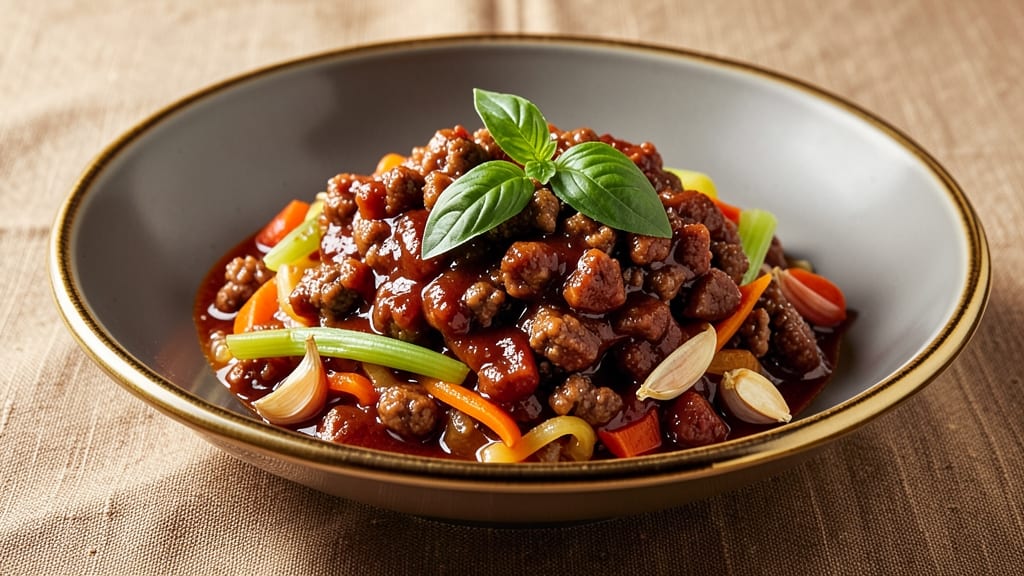
Creating Gordon Ramsay's Bolognese sauce transforms a simple weeknight dinner into a restaurant-worthy experience with layers of deep umami and rich texture. The secret lies in slow simmering ground beef and pork with aromatics, wine, and tomatoes until the sauce develops that signature velvety consistency and complex flavor profile.
I’ve refined this recipe to deliver authentic results without requiring hours in the kitchen—just patience and precise technique.
This sauce begins with browning the meat in batches to develop a rich, flavorful crust, then deglazing the pan with red wine to lift those caramelized bits into the sauce.
Aromatics like onions, carrots, and celery form the base, while tomato paste and crushed tomatoes provide the perfect balance of acidity and sweetness. The slow cook transforms tough meat into tender, flavorful pieces that melt into the sauce, creating a texture that’s impossibly rich and satisfying.
By the time you’re done, you’ll have a deeply aromatic, umami-packed Bolognese that coats pasta perfectly or pairs beautifully with polenta or crusty bread. The sauce thickens naturally as it simmers, ensuring every bite delivers that signature restaurant-quality depth.
This isn’t just a sauce—it’s the foundation of a meal that feels like a labor of love, even when made at home.
The best part? This recipe scales effortlessly for leftovers, making it ideal for meal prep or feeding a crowd. Whether you’re serving it over al dente pasta or using it as a hearty filling for lasagna, the results are consistently professional.
Let’s get started on creating a sauce that rivals the best Italian trattorias.
Ingredients for gordon ramsay bolognese sauce
Fifteen ingredients, restaurant-quality results—this is your shortcut to perfect Bolognese sauce.
| Ingredient | Amount | Notes |
|---|---|---|
| Ground Beef (Chuck) 🥩 | 1 lb | 80% lean for maximum flavor |
| Ground Pork 🐖 | ½ lb | Finely ground for even texture |
| Onion (Yellow) 🧅 | 1 ½ cups | Finely diced, about 2 medium |
| Carrot (Orange) 🥕 | 1 cup | Finely diced, about 2 medium |
| Celery (Stalk) 🌿 | 1 cup | Finely diced, about 2 stalks |
| Garlic Cloves 🧄 | 4 cloves | Minced, fresh preferred |
| Tomato Paste 🍅 | ½ cup | High-quality, no sugar added |
| Crushed Tomatoes (San Marzano) 🍅 | 2 cups | High-quality canned tomatoes |
| Red Wine (Bold) 🍷 | 1 cup | Cabernet Sauvignon or Merlot |
| Beef Stock 💧 | 2 cups | Homemade or high-quality |
| Whole Milk 🥛 | ½ cup | Full-fat for creaminess |
| Dried Oregano 🍃 | 1 tsp | Italian variety preferred |
| Ground Black Pepper 🌶️ | ½ tsp | Freshly ground for heat |
| Kosher Salt 🧂 | 1 tsp | Diamond Crystal preferred |
| Extra-Virgin Olive Oil 🫒 | 2 tbsp | High-quality for richness |
The meat is non-negotiable here. Chuck beef and ground pork give you that signature depth—skip the lean cuts, they lack fat for flavor. Costco or Whole Foods carry the best pre-ground blends, but if you're buying whole cuts, grind them yourself. The San Marzano tomatoes are worth the splurge—they're sweeter and less acidic, which is key for that balanced flavor. For the wine, Cabernet Sauvignon or Merlot work best, but any bold, dry red will do. The beef stock? Homemade if you can, but Kirkland Signature or Pacific Foods are solid store-bought options.
No San Marzano tomatoes? Crushed tomatoes in a high-quality jarred brand like Rao's or Mutti work in a pinch. Running low on red wine? Dry white wine plus 1 tsp balsamic vinegar mimics the acidity. The oregano is best if it's Italian—Penzeys or bulk bins at Trader Joe's have great options. Want extra umami? Add 1 tbsp soy sauce or Worcestershire to the sauce. The milk might sound weird, but it rounds out the acidity beautifully—full-fat only, no skim here. And for the love of all things Italian, don't skip the tomato paste—it's the backbone of the flavor.
This sauce tastes even better the next day—plan ahead. Keeps for 5 days in the fridge, freezes for 6 months if you portion it into containers. Double the recipe and freeze half—future you will thank present you. When reheating, add a splash of water or stock to loosen it up. And if you're serving it over pasta, sauce-to-pasta ratio is 1:2—always sauce first, then pasta on top. That's how the Italians do it.
Why You'll Love This Recipe
- One-Pot Simplicity: I swear by this recipe because it’s the kind of dish where you chop once, then forget about it. The onions, carrots, and celery (that classic soffritto combo) get tossed in raw with the meat—no pre-cooking, no fuss—just a slow simmer until everything melts into rich, unctuous perfection. Honestly, the only tool you’ll need is a big pot and a wooden spoon.
- Meat Magic: Between the chuck and pork, this sauce has texture—tender, juicy bits that don’t turn to mush. And that’s before we talk about the depth: the pork adds a subtle sweetness, while the chuck keeps it hearty. It’s the kind of flavor that builds as it simmers, layering into something so satisfying you’ll want to eat it straight from the pan.
- Weeknight Workhorse: This isn’t just for Sunday dinners. I’ve served it over pasta when I’m exhausted, stuffed into baked potatoes for a lazy night, or even as a filling for homemade lasagna when company drops by. The sauce keeps its richness no matter how you use it—just reheat and adapt.
- Budget-Friendly Luxury: You’re getting restaurant-quality depth without breaking the bank. Chuck roast and pork are affordable, and the veggies stretch the flavor further than store-bought sauces ever could. Plus, it makes so much—leftovers taste even better the next day, and I’ve frozen portions for months without a hint of freezer burn. That’s real value.
Step-by-step instructions for Gordon Ramsay's Bolognese sauce recipe
This is where the magic happens—deep umami layers building through slow, careful technique.
Build the Sofritto Base with Precision
Heat the 2 tablespoons extra-virgin olive oil in a 6-quart Dutch oven over medium-low heat. Add the 1.5 cups finely diced yellow onion, 1 cup finely diced carrot, and 1 cup finely diced celery—this trio is your flavor foundation. Cook for 12-15 minutes, stirring occasionally, until the vegetables soften and the onion becomes translucent. This slow cook transforms them into a sweet, aromatic paste.
Here's the thing—don't rush this step. The vegetables should break down completely, releasing their natural sugars and oils. If they brown too quickly, reduce the heat slightly. You're not searing; you're creating a flavorful base. When the mixture smells sweet and earthy, it's ready for the next layer.
Develop Umami with Meat and Aromatics
Push the vegetables to one side of the pot and add the 1 pound ground beef (chuck) and 0.5 pound ground pork to the empty space. Break the meat into small pieces with a wooden spoon and cook until it loses its raw color—about 5-7 minutes. This ensures maximum flavor extraction from the meat.
Once the meat is browned, add the 4 minced garlic cloves and cook for 30 seconds until fragrant. Immediately stir to prevent burning. Then add the 0.5 cup tomato paste and cook for 2 minutes, stirring constantly. This step is crucial—it deepens the sauce's color and intensifies the umami. The paste should darken slightly and coat the meat evenly.
Deglaze and Simmer with Wine and Stock
Pour in the 1 cup bold red wine and scrape up all the browned bits from the bottom of the pot—this is where flavor lives. Let the wine reduce by half (2-3 minutes), then add the 2 cups crushed San Marzano tomatoes and 2 cups beef stock. Bring to a gentle simmer, then reduce heat to low and let it cook uncovered for 1 hour. This long simmer breaks down the meat fibers and melds all the flavors into a cohesive sauce.
I know it's tempting to speed this up, but patience is key. The sauce should thicken gradually, and the meat should become tender. Stir occasionally to prevent sticking, and if the sauce gets too thick, add a splash of stock. You're building layers here—each minute deepens the complexity.
Finish with Milk and Seasoning
After 1 hour, stir in the 0.5 cup whole milk, 1 teaspoon dried oregano, 0.5 teaspoon ground black pepper, and 1 teaspoon kosher salt. The milk adds a subtle creaminess that balances the acidity of the tomatoes. Simmer for another 15-20 minutes until the sauce reaches your desired consistency—it should coat the back of a spoon but still be saucy enough to cling to pasta.
Taste and adjust seasoning. You might need a little more salt or pepper, depending on your ingredients. The sauce should be rich, balanced, and deeply flavorful. If it's too acidic, a pinch of sugar can help, but with San Marzano tomatoes, this shouldn't be necessary. Let the sauce sit off the heat for 5 minutes before serving—this allows the flavors to settle and the texture to thicken slightly.
Serve Over Al Dente Pasta
Cook 12 ounces pasta (like tagliatelle or pappardelle) in salted boiling water until 1 minute shy of al dente. Reserve 1 cup pasta water, then drain. Toss the pasta with the Bolognese sauce, adding pasta water as needed to loosen it to your liking. The sauce should coat each strand beautifully, with a glossy finish.
Serve immediately with a sprinkle of freshly grated Parmesan and a few basil leaves. This sauce is best enjoyed fresh, when the flavors are at their peak. The combination of tender meat, sweet vegetables, and rich umami will make every bite unforgettable. Trust the process—this is how you achieve restaurant-quality Bolognese at home.
Pro Tips For Making Gordon Ramsay Bolognese Sauce
- Sweat, Don’t Burn: DESCRIPTION: The onions, carrots, and celery should dissolve into the sauce, not turn to ash. Start on medium heat and let them cook slowly, stirring often—this isn’t a sear, it’s a slow breakdown. After 10 minutes, if nothing’s browning, crank it up just a touch, but watch like a hawk. I learned this the hard way when my first batch smelled like a campfire.
- Break Up the Meat: DESCRIPTION: Don’t just dump the ground beef and pork into the pot—work it with your hands first. Separate the clumps and press them into the pan before adding liquid. This ensures even cooking and prevents dense, rubbery chunks. Yes, it’s messy, but your sauce will thank you.
- Deglaze Aggressively: DESCRIPTION: After browning the meat, don’t just splash in the wine and call it a day. Scrape every last bit of fond from the bottom with a wooden spoon—this is flavor gold. Let it simmer for 2 minutes before adding the tomatoes, or you’ll lose half the depth of the sauce.
- Simmer Low and Long: DESCRIPTION: This isn’t a 20-minute stir-and-go dish. Once everything’s combined, reduce to the lowest heat that keeps a gentle bubble, then cover it. Walk away for 2 hours—set a timer if you have to. The longer it cooks, the richer it gets, and skipping this is how you end up with mushy, one-dimensional sauce.
Make-ahead tips for gordon ramsay bolognese sauce
Prep Ahead for Flavor
Start your Bolognese sauce prep 1 day ahead by dicing all vegetables and storing them in an airtight container in the fridge. This saves 20 minutes of chopping on cooking day.
For even more efficiency, make the sofritto base (onions, carrots, celery) 2 days ahead—just refrigerate it in a sealed container. When you're ready to cook, heat it gently in the Dutch oven to revive the flavors before adding the meat. 🌱
Freezer-Friendly Batches
Double or triple the recipe and freeze portions in quart-sized freezer bags or glass containers. Label each with the date—this sauce keeps for 6 months without losing quality.
When ready to use, thaw overnight in the fridge, then reheat on the stovetop with 2 tablespoons water or stock to restore moisture. I always freeze 2 batches at a time for busy weeks.
Slow Cooker Shortcut
For hands-off prep, brown the meat and aromatics in a skillet first, then transfer everything to a 6-quart slow cooker. Add all remaining ingredients and cook on low for 6-8 hours or high for 4-5 hours.
The slow cooker maintains consistent heat, ensuring the meat stays tender and flavors meld perfectly. This method is ideal for weeknight dinners when you're juggling other tasks. 🍲
Pasta Prep Timing
Cook your pasta 30 minutes before serving to let it rest at room temperature. This prevents a gummy texture when tossed with the sauce. Store cooked pasta in an airtight container with a drizzle of olive oil to prevent sticking.
Reheat pasta separately in the sauce for 2-3 minutes—this ensures it absorbs the flavors without becoming mushy. 🍝
Sauce Consistency Hacks
If your sauce thickens too much while reheating, add 1-2 tablespoons of pasta water or stock at a time. For a smoother texture, blend ½ cup of the sauce before mixing it back in.
To prevent a skin from forming, press plastic wrap directly onto the sauce's surface before refrigerating. This keeps it glossy and ready to serve without extra stirring. ✨
Leftovers Strategy
Store leftovers in the fridge for up to 5 days, but reheat only what you need to maintain freshness. Portion individual servings into glass containers for easy grab-and-go meals. When reheating, cover the sauce with a lid and simmer on low heat for 10-15 minutes.
Stir occasionally and adjust seasoning—leftovers often need a pinch of salt or pepper to brighten flavors. 💡
Nutrition facts
Frequently asked questions
Why does Gordon Ramsay's Bolognese sauce use both beef and pork?
The combination of chuck beef and ground pork creates the perfect balance of richness and tenderness. Beef provides deep, meaty flavor while pork adds fat and juiciness that keeps the sauce velvety. This classic ratio has been perfected in Italian cuisine for its unmatched depth of flavor and texture.
Can I substitute red wine with something else if I don't have any?
Yes, but the flavor will differ slightly. Use 1 cup beef stock plus 1 teaspoon balsamic vinegar for acidity, or 1 cup dry white wine with an extra pinch of salt. For best results, stick with red wine—its boldness enhances the umami in the sauce. If you're avoiding alcohol entirely, grape juice works in a pinch, though the depth won't be identical.
How do I fix Bolognese sauce that's too thick or too thin?
For thick sauce, stir in 1-2 tablespoons pasta water or stock gradually until it reaches a silky consistency. If it's too thin, simmer uncovered for 10-15 minutes longer to reduce. Pro tip: Press plastic wrap directly onto the surface while refrigerating to prevent a skin from forming.
What's the secret to making this sauce taste like a restaurant?
The key lies in slow simmering and layering flavors. Brown the meat thoroughly, deglaze with wine, and let it cook for at least 1 hour uncovered. The milk at the end balances acidity, and finishing with fresh herbs like basil elevates it further. Patience and precise technique make all the difference—don't rush the process!
Can I make this sauce in a slow cooker or Instant Pot?
For a slow cooker, brown the meat first, then transfer everything and cook on low for 6-8 hours. In an Instant Pot, sauté the aromatics and meat, then pressure cook for 30 minutes on high. The Instant Pot version needs an extra 15 minutes of simmering after pressure release. Both methods work beautifully for hands-off cooking.