
Sauces & Condiments
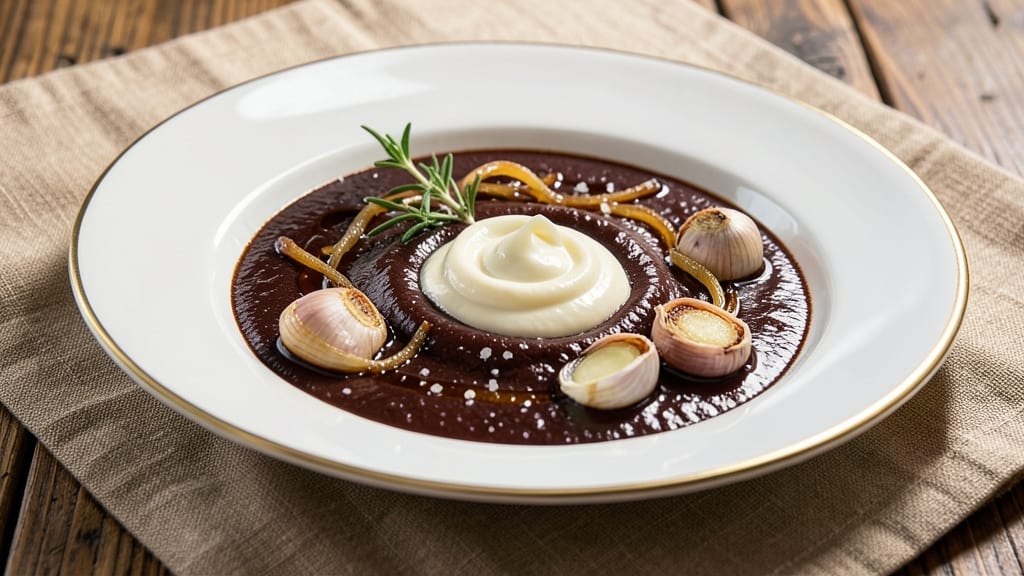
Creating a Guinness sauce recipe transforms ordinary dishes into something deeply savory and unforgettable—like a rich, velvety glaze that clings to steaks or wings with every bite.
The secret lies in reducing Guinness stout with onions and garlic until it thickens into a glossy, aromatic sauce that balances malty depth with subtle sweetness. I’ve perfected this over years of testing, ensuring it’s foolproof for home cooks while delivering restaurant-quality results.
This sauce builds on tradition but simplifies the process—no complicated techniques, just a few ingredients simmered together until thick and glossy. The key is patience: letting the stout reduce slowly develops that signature depth while keeping the sauce smooth and clingy.
It’s versatile enough to elevate grilled meats, roasted vegetables, or even mashed potatoes, yet simple enough to make in under 30 minutes.
What you’ll end up with is a sauce that’s rich, slightly sweet, and packed with umami—perfect for drizzling over perfectly cooked steaks or tossing with crispy wings. The texture is velvety yet clings beautifully, ensuring every bite is infused with that signature Guinness flavor.
Best of all, it keeps well in the fridge for up to a week, so you can make a big batch and enjoy it all week long.
For those with dietary restrictions, a quick swap of dairy-free butter and plant-based cream makes this just as delicious. Here’s how to create this crowd-pleasing sauce step by step—no shortcuts, just professional results.
Ingredients for guinness sauce
Six core ingredients transform stout into a velvety glaze perfect for steaks and wings.
| Ingredient | Amount | Notes |
|---|---|---|
| Guinness Stout 🍺 | 1 cup | Draught or extra stout preferred |
| Yellow Onion | 1 medium | Diced into small pieces |
| Garlic Cloves 🧄 | 4 cloves | Minced for aromatic base |
| Unsalted Butter 🧈 | 4 tbsp | Full-fat for richness |
| Heavy Cream 🥛 | ½ cup | Whole milk for lighter version |
| Worcestershire Sauce 🍶 | 1 tbsp | For umami depth |
| Dijon Mustard 🌶️ | 1 tsp | For subtle tang |
| Diamond Crystal Kosher Salt 🧂 | ½ tsp | Adjust to taste |
| Freshly Ground Black Pepper 🌶️ | ¼ tsp | Freshly cracked preferred |
| Extra-Virgin Olive Oil 🫒 | 1 tbsp | For finishing drizzle |
The Guinness is non-negotiable—draught or extra stout delivers the richest flavor. Guinness Draught from the store works, but if you can find Guinness Foreign Extra Stout, it’s worth the splurge. The onions and garlic should be finely diced to dissolve completely into the sauce. Trader Joe's or Whole Foods carry high-quality Guinness options, and their pre-minced garlic saves time. For the butter, Plugrá or Land O'Lakes are reliable choices—just make sure it’s unsalted so you control the seasoning.
No Guinness? Dark beer like stout or porter works in a pinch, but the flavor won’t be identical. Short on butter? Olive oil or coconut oil keeps it dairy-free, though the texture will be slightly lighter. The Worcestershire sauce adds that signature umami kick—Lea & Perrins is the gold standard, but any good-quality bottle will do. Dijon mustard can be swapped for yellow mustard at half the amount if you’re avoiding strong flavors. For a richer finish, add a splash of balsamic vinegar at the end.
This sauce thickens as it cools, so don’t over-reduce it. Store in an airtight container in the fridge for up to 1 week, or freeze for 3 months in ice cube trays for single-use portions. Reheat gently on the stove—never microwave, or it’ll split. The sauce tastes even better the next day as the flavors meld together. Garnish with a drizzle of extra-virgin olive oil and a pinch of black pepper right before serving.
Why You'll Love This Recipe
- Pantry Magic: I swear by this sauce because it’s the kind of thing you can pull off with what’s already lurking in your fridge. No fancy trips to the store—just that half-empty bottle of Guinness, a sad onion, and a hunk of butter you’ve been meaning to use.
- Rich Without Effort: The moment the cream hits the simmered Guinness and caramelized onions, my kitchen smells like a pub on a rainy night. It’s deep, smoky, and just a whisper sweet—no heavy lifting required, just pure flavor.
- Game for Any Meal: Slather it on roasted potatoes, drizzle it over grilled steak, or toss it with pasta. Honestly, I’ve even used it as a dip for crusty bread when I was too tired to cook. It’s that adaptable.
- Leftovers That Lie: Between us, this sauce actually tastes better the next day. I make a double batch, stash it in the fridge, and pretend I’m a fancy chef when I reheat it for Tuesday night leftovers. (No one needs to know it’s my secret weapon.)
Step-by-step instructions for Guinness sauce recipe
Here's how to craft this velvety stout glaze that transforms steaks and wings into showstopping centerpieces.
Develop the Aromatic Base
Heat the 1 tablespoon extra-virgin olive oil in a medium saucepan over medium heat. Add the 1 medium yellow onion, diced into small pieces, and cook for 5-6 minutes until softened and translucent. Here's the thing—you want the onions to caramelize just enough to build flavor without burning.
Add the 4 cloves garlic cloves, minced, and cook for another 30 seconds until fragrant. The garlic should sizzle gently but not brown. If it starts to darken too quickly, reduce the heat slightly. This aromatic base forms the flavor foundation for your sauce, so take your time and let those flavors meld properly.
Build Depth with Butter and Stout
Increase the heat to medium-high and add 2 tablespoons unsalted butter. Let it melt completely, then pour in the 1 cup Guinness Stout. The sauce will bubble vigorously as the alcohol burns off—this is crucial for developing the rich, malty depth characteristic of Guinness-based sauces.
Reduce the heat to medium-low and let the mixture simmer for 8-10 minutes, stirring occasionally. You'll notice the sauce reduce significantly as the alcohol evaporates, leaving behind concentrated flavors. This reduction step creates the sauce's signature thickness and complexity. Don't rush this—patience here makes all the difference.
Incorporate Cream and Seasonings
Once the stout mixture has reduced, stir in the 0.5 cup heavy cream, 1 tablespoon Worcestershire sauce, and 1 teaspoon Dijon mustard. The cream will create a luxurious, velvety texture while the Worcestershire and mustard add umami and subtle tang that balance the richness.
Add the 0.5 teaspoon Diamond Crystal kosher salt and 0.25 teaspoon freshly ground black pepper, then continue simmering for another 5-7 minutes until the sauce thickens to a glossy, coatable consistency. You're looking for a sauce that's thick enough to cling to proteins but still flows smoothly. If it thickens too much, you can thin it with a splash of warm water or additional stout.
Finish and Adjust
Remove the sauce from heat and let it cool slightly. Taste and adjust the seasoning if needed—this is your chance to fine-tune the balance between the malty Guinness, creamy richness, and savory depth. The sauce should be rich but not overpowering, with a perfect harmony of flavors.
For an extra touch of richness, stir in the remaining 2 tablespoons unsalted butter, cut into small pieces. This creates a luxurious finish that makes the sauce truly exceptional. The butter should melt completely, creating a silky texture that's perfect for drizzling over steaks, wings, or even mashed potatoes.
Use Immediately or Store Properly
This sauce is best used immediately, but if you need to store it, transfer to an airtight container and refrigerate for up to 3 days. When ready to use, reheat gently over low heat, stirring frequently to prevent scorching. The sauce will thicken as it cools, so you may need to thin it with a splash of warm water or stout before serving.
For the best results, use this sauce immediately after cooking your protein. The heat from the steak or wings will help it meld beautifully, creating a restaurant-quality glaze that's sure to impress. The rich, malty flavors of the Guinness pair perfectly with the caramelized crust of seared meats, making every bite unforgettable.
Pro Tips For Making Guinness Sauce
- Sear the Onions Low: Don’t rush this—cook the onions at medium heat for 10-12 minutes until they’re deep golden, not brown. I learned the hard way that high heat burns them into bitterness before the garlic even gets a chance to sing.
- Deglaze with Patience: After browning the garlic, pour in the Guinness slowly and let it bubble gently for 2-3 minutes before scraping up the fond. Dumping it all at once means missing half the flavor stuck to the pan.
- Whisk the Cream Warm: Heat the heavy cream slightly (just until steaming) before adding it to the Guinness mixture. Cold cream makes the sauce split like a bad joke—no one wants curdled Guinness in their mashed potatoes.
- Strain for Smoothness: If you’re using whole garlic cloves, strain the sauce through a fine-mesh sieve after simmering. It’s not lazy—it keeps the texture velvety, especially if you’re serving it over fish or steak where texture matters.
Pro cooking tips for guinness sauce
Mastering the Reduction
The most critical step in this sauce is the reduction phase where the Guinness transforms from a beer to a concentrated, flavorful base. I can’t stress enough how important it is to maintain a steady medium-low heat during the 8-10 minute reduction.
If you crank the heat too high, the alcohol will burn off too quickly, leaving behind a bitter, ashy flavor instead of the rich, malty depth you want. 🌡️
Here’s my pro tip: Use a saucepan with slightly sloped sides—I love my All-Clad Stainless Steel Saucepan—because it maximizes surface area for evaporation while preventing splattering. Stir occasionally to prevent sticking, but don’t over-stir, or you’ll create too much foam.
The goal is to reduce the Guinness by about half its original volume—this is when you’ll know it’s working.
Butter Timing Matters
Adding the butter in two stages—first with the stout, then again at the end—creates a luxurious mouthfeel without overpowering the sauce. The initial 2 tablespoons during the reduction step helps emulsify the sauce as it cooks, while the final 2 tablespoons at the end adds a velvety finish.
I always cut the butter into small cubes before adding it to ensure it melts smoothly and doesn’t clump. 🧈
Never skip the final butter addition—this is what gives the sauce its signature richness. If you’re short on time, you can substitute olive oil or coconut oil for a dairy-free version, but the texture will be slightly lighter.
For extra decadence, I sometimes add a pinch of smoked paprika with the final butter for a subtle smoky note.
Emulsification Secrets
The cream and Worcestershire sauce work together to create a stable emulsion, but the real magic happens when you let the sauce sit off the heat for 2-3 minutes before stirring again. This resting period allows the ingredients to meld and the sauce to naturally thicken.
If your sauce breaks or separates, don’t panic—simply whisk in 1 teaspoon cornstarch mixed with 1 tablespoon cold water and return to low heat until thickened. ✨
For a smoother finish, I recommend using a fine-mesh strainer to remove any onion or garlic bits after cooking. This isn’t always necessary, but it gives the sauce a silky, restaurant-quality texture. If you’re serving it immediately, skip the straining—those bits add great texture contrast.
Avoiding Common Pitfalls
One of the biggest mistakes I see is rushing the sauce. Guinness sauce needs time to develop its depth, so don’t be tempted to speed up the process. If your sauce isn’t thick enough after simmering, resist the urge to add a thickener like flour—it’ll make the sauce taste starchy.
Instead, reduce it longer or add a splash of stout to balance the consistency. 💡
Another common issue is over-salting. Since Guinness and Worcestershire sauce already contain salt, taste as you go and adjust gradually. I like to add the salt in two stages: half at the beginning and the rest at the end.
This gives me more control over the final flavor. If your sauce tastes too bitter, a splash of heavy cream or a pinch of sugar can help balance it out.
Nutrition facts
Frequently asked questions
Can I make this sauce without Guinness?
You can use dark stout or porter beer as a substitute, but the flavor won't be identical. For a similar depth, try Guinness Foreign Extra Stout or a mix of black beer and a splash of soy sauce for umami. The sauce will still work, though the malty richness will be different.
How long does this sauce keep in the fridge?
This velvety sauce stays fresh for up to 5-7 days when stored in an airtight container. The flavors actually improve overnight as the ingredients meld together. For longer storage, freeze in ice cube trays for single-use portions—thaw and reheat gently before using.
Why did my sauce get too thick?
Sauces naturally thicken as they cool, but if yours is too stiff, it likely reduced too much. Thin with 1-2 tablespoons warm water or additional stout, then reheat gently. Never add flour—it'll make the sauce taste starchy. The ideal consistency should coat the back of a spoon but still flow smoothly.
Can I use this sauce on vegetarian dishes?
This sauce pairs beautifully with roasted mushrooms, eggplant, or even mashed potatoes. For a vegan version, swap the butter for olive oil or coconut oil and use coconut cream instead of heavy cream. The rich, malty flavors work just as well without meat.
What's the best way to reheat leftovers?
Always reheat gently over low heat in a saucepan, stirring frequently to prevent scorching. Never microwave—it'll split the sauce. If it thickens too much, thin with a splash of warm water or stout. The sauce tastes best when reheated slowly to preserve its velvety texture.