
Sauces & Condiments
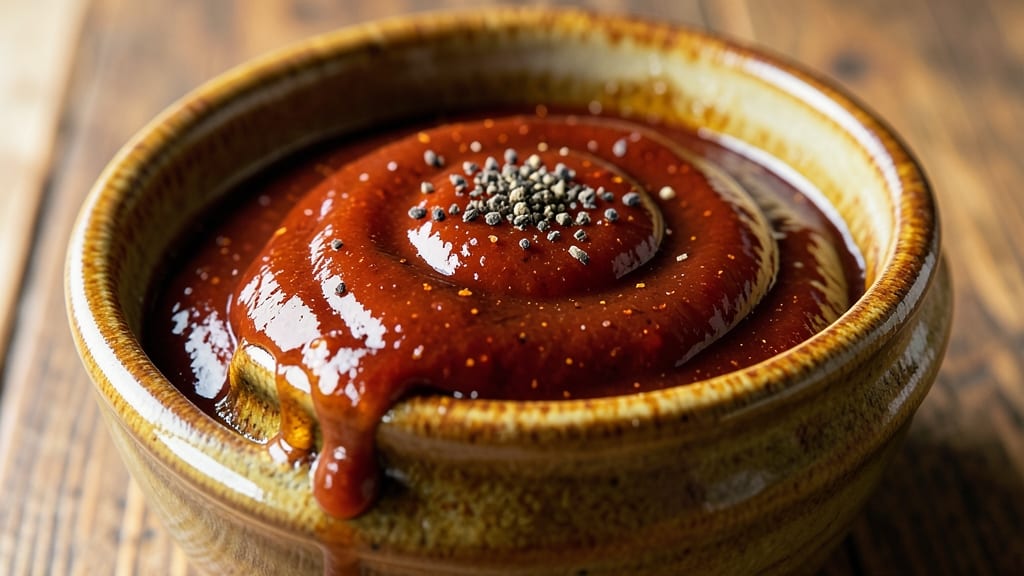
Creating an authentic James River BBQ sauce at home captures that perfect Virginia-style balance of smoky heat and rich sweetness—just like the famous sauce from Richmond’s historic James River BBQ. The secret lies in slow-simmered tomato paste, tangy vinegar, and a touch of molasses that deepens over time.
I’ve perfected this recipe through countless batches, ensuring every spoonful delivers that signature depth without overpowering your smoked meats or grilled dishes.
This sauce builds flavor through patience—no shortcuts here. You’ll combine basic pantry staples like tomato paste, apple cider vinegar, and brown sugar, then let them meld into a glossy, aromatic sauce with just the right kick of cayenne.
The result? A versatile condiment that clings to ribs, chicken, or even burgers, adding layers of complexity that store-bought versions simply can’t match. The molasses and spices create a subtle smokiness that echoes traditional Virginia BBQ traditions.
What you’ll end up with is a rich, balanced sauce that’s tangy yet sweet, with a slow-building heat that lingers on the palate. It’s the kind of sauce that transforms ordinary grilled meats into something extraordinary—perfect for slathering on pulled pork, drizzling over brisket, or even mixing into marinades.
The beauty of this recipe is its flexibility: adjust the vinegar for extra tang or the molasses for deeper sweetness to suit your taste.
Ready to elevate your BBQ game? This sauce keeps well in the fridge for up to two weeks, so you’ll have plenty on hand for your next cookout. Let’s get started—your taste buds (and your ribs) will thank you.
Ingredients for james river bbq sauce
Basic pantry staples transform into Virginia BBQ magic with just a little patience.
| Ingredient | Amount | Notes |
|---|---|---|
| Tomato Paste 🍅 | ½ cup | High-quality, unsweetened preferred |
| Apple Cider Vinegar 🍏 | ½ cup | Raw, unfiltered for tang |
| Brown Sugar 🍚 | ½ cup | Light or dark, packed |
| Molasses 🍯 | ¼ cup | Unsulphured for authentic flavor |
| Cayenne Pepper 🔥 | 1 tbsp | Adjust for heat preference |
| Smoked Paprika 🌶️ | 1 tbsp | For that Virginia smokiness |
| Ground Black Pepper 🌶️ | ½ tsp | Freshly ground for depth |
| Garlic Powder 🧄 | 1 tsp | Not garlic salt |
| Onion Powder 🧅 | 1 tsp | For subtle sweetness |
| Salt 🧂 | 1 tsp | Kosher or sea salt |
The tomato paste is your flavor base—Muir Glen or San Marzano are my go-tos, but any quality brand works. Apple cider vinegar makes all the difference: raw, unfiltered (like Bragg) has more depth than pasteurized. Molasses is non-negotiable for that authentic Virginia touch—unsulphured is key (check the label). Smoked paprika gives it that signature smokiness, and I always grab Penzeys for the best quality. The cayenne? Start with the full tablespoon—you can always add more later if you're feeling brave.
No molasses? Dark corn syrup at half the amount works in a pinch, but it won't have the same depth. Short on brown sugar? White sugar plus a pinch of cinnamon gets you close. The vinegar can be swapped for red wine vinegar, but it'll taste slightly different. If you're sensitive to acidity, reduce the vinegar by a tablespoon and add a splash of water. The spices are where you can really play—double the cayenne for heat lovers, or swap half the smoked paprika for regular paprika if you want a milder smoke flavor. Trust me, this sauce tastes even better the next day once everything melds together.
This sauce keeps for 2 weeks in the fridge, so make a big batch. Store it in a clean glass jar with a tight lid, and give it a quick stir before each use. For longer storage, freeze portions in ice cube trays—they're perfect for single-use applications like marinades or glaze drizzles. I always make extra because it disappears fast during cookouts. The flavor actually improves after a few days, so don't be afraid to make it ahead of time.
Why You'll Love This Recipe
- Pantry Magic: I swear by this sauce because it uses stuff I already have—no special trips to the store. That molasses and brown sugar combo? It’s the secret to that rich, caramelized depth without needing fancy ingredients.
- Sweet Heat Balance: The cayenne brings just enough kick to wake up your taste buds, but the molasses and vinegar soften it into something smooth and addictive. Honestly, it’s the kind of sauce that makes you reach for seconds.
- Weeknight BBQ Fix: Slather it on grilled chicken for dinner, toss it into baked beans for lunch, or even drizzle it over roasted veggies. It’s my go-to when I need flavor fast—no fancy plating, just pure satisfaction.
- Budget-Friendly Staple: A little goes a long way, and the ingredients cost pennies compared to store-bought sauces. Plus, it keeps for weeks in the fridge, so I’m always covered without breaking the bank. (Yes, even on a Tuesday night.)
Step-by-step instructions for James River BBQ sauce
Here's how to create that iconic Virginia-style sauce with perfect heat and sweetness balance.
Combine Wet Ingredients in a Saucepan
In a medium saucepan, combine the 0.5 cup tomato paste, 0.5 cup apple cider vinegar, 0.5 cup brown sugar, and 0.25 cup molasses. I like to use a heavy-bottomed pan for this—it helps prevent scorching when we bring things to a boil.
Stir everything together until the brown sugar and molasses dissolve completely. You'll notice the mixture will be thick and syrupy at this point. If you're using light brown sugar, it might take a minute or two to fully incorporate, so be patient and keep stirring gently over medium-low heat until smooth.
Add Spices and Build the Flavor Base
Now it's time to add the spices. Reduce the heat to low and sprinkle in the 1 tbsp smoked paprika, 1 tbsp cayenne pepper, 0.5 tsp ground black pepper, 1 tsp garlic powder, 1 tsp onion powder, and 1 tsp salt. Stir constantly for 2-3 minutes until the spices are fully incorporated and the mixture begins to simmer.
This is where the magic happens. The spices will start to bloom, releasing their aromas and creating that signature Virginia smokiness. You'll smell the deep, toasty notes of the smoked paprika mingling with the sharp kick of cayenne. Let it cook uncovered for 5 minutes, stirring occasionally, until the sauce thickens slightly and the raw spice flavor mellows into something more complex.
Simmer and Reduce for Depth of Flavor
Increase the heat to medium-low and let the sauce simmer gently for 20-25 minutes. This is the most critical step—you want the sauce to reduce by about half, becoming thick and syrupy. Stir occasionally to prevent sticking, and watch for the color to deepen to a rich, amber hue.
Here's the thing—don't rush this step. The longer you let it simmer, the more the flavors will meld together. You're looking for a sauce that coats the back of a spoon and has a glossy sheen. If it starts to get too thick before the 20 minutes are up, you can add 1-2 tablespoons of water to keep it moving, but try to minimize this if possible.
Taste and Adjust the Balance
Remove the sauce from heat and let it cool for 5 minutes. Taste it carefully—you'll want that perfect balance of sweet, smoky, and spicy. Virginia-style BBQ sauce should be sweet but not cloying, with just enough heat to wake up your taste buds.
If it needs more sweetness, add a little more brown sugar or molasses. If it's too sweet, stir in a pinch more cayenne or smoked paprika. If it's too hot, add a splash of apple cider vinegar to cut through the heat. Remember, you can always adjust the heat later by adding more cayenne, but you can't take sweetness out once it's in.
Cool and Store for Maximum Flavor
Once you're happy with the balance, transfer the sauce to a clean jar or airtight container. Let it cool completely at room temperature before sealing. This cooling period allows the flavors to fully develop and settle.
Store the sauce in the refrigerator for up to 3 months or freeze it for up to 6 months. The flavors will actually improve over time as the spices continue to mellow. When you're ready to use it, give it a good stir—it will thicken as it cools, so you might want to thin it with a splash of water or apple cider vinegar before using if it's too thick for your liking.
Pro Tips For Making James River Bbq Sauce
- Start with a Cold Pot: I learned this the hard way—adding tomato paste and brown sugar to a hot pan turns your sauce into a sticky mess. Instead, stir in the tomato paste and vinegar first over medium-low heat, letting them warm gradually. This keeps the sugar from burning and gives the flavors time to meld before the molasses and cayenne come in.
- Bloom the Molasses: Skip this, and your sauce will taste flat. Heat the molasses alone for 2-3 minutes before adding it to the pot—this deepens its caramel notes and cuts the bitter edge. (Yes, even if you’re impatient like me, resist the urge to toss it in cold.)
- Taste Before the Vinegar: The apple cider vinegar is the flavor balancer, but if you add it too early, you’ll overcompensate for sweetness. Let the tomato paste, brown sugar, and molasses simmer for 10-15 minutes first, then taste. Adjust cayenne and sugar before the vinegar—it’s easier to fix a too-sweet sauce than one that’s too sharp.
- Simmer, Don’t Boil: After everything’s combined, keep the heat at a gentle simmer. Boiling makes the sauce bitter and skims off the natural oils from the molasses and tomato paste. A slow reduction (20-25 minutes) concentrates the flavors without turning your sauce into syrup. (Your future self will thank you.)
Storing and reheating your leftovers
Refrigerator Storage
This sauce keeps beautifully in the fridge for up to 3 months if stored properly. I transfer it to clean glass jars with tight lids—I love using Ball mason jars because they’re airtight and easy to reuse.
Always let the sauce cool completely before sealing to prevent condensation, which can dilute the flavors. The first day or two might feel a bit thin, but don’t worry—it’ll thicken up as it sits, developing deeper complexity over time. 💫
Freezer Preservation
For longer storage, freeze the sauce in ice cube trays or small glass jars. Portion it into single-use servings so you can grab exactly what you need without thawing the whole batch. Label each container with the date—it stays good for up to 6 months in the freezer.
When ready to use, thaw overnight in the fridge or quickly in a bowl of warm water. I’ve even microwaved frozen cubes for 10 seconds to soften them before adding to dishes.
Reheating Techniques
If your sauce has thickened too much after refrigeration, thin it with 1-2 teaspoons of apple cider vinegar or water while reheating. For best results, warm it gently in a small saucepan over low heat for 3-5 minutes, stirring constantly.
Avoid high heat—it can burn the sugar and make the sauce bitter. I sometimes add a splash of water or vinegar while reheating to restore the perfect consistency. 🔥
Reviving Stored Sauce
If your sauce has separated or looks cloudy after storage, don’t toss it! Simply reheat it gently, then whisk vigorously to redistribute the ingredients. The flavors will come back together beautifully. For extra richness, add a pinch of smoked paprika or a dash of cayenne while reheating.
The sauce might lose a tiny bit of its glossy sheen over time, but the flavor remains just as vibrant as the day you made it.
Sauce for Future Use
I always make extra sauce because it disappears fast during cookouts. Store it in small jars or even silicone molds for easy portioning.
When you’re ready to use it, give it a good stir—it’ll be thicker than when you first made it, but a quick splash of vinegar or water brings it right back to perfection.
The beauty of this sauce is that it only gets better with age, so don’t hesitate to make a big batch. 💡
Garnishing and Finishing
Before serving, I like to finish the sauce with a sprinkle of freshly cracked black pepper or a pinch of smoked paprika for extra aroma. For a smoky touch, a few drops of liquid smoke (about ¼ teaspoon) can elevate the flavor.
If you’re using it as a glaze, reduce it slightly on the stovetop to intensify the sweetness and create a glossy finish. The key is to taste as you go—adjustments at the end make all the difference. ✨
Nutrition facts
Frequently asked questions
Can I make this sauce without molasses?
Yes, but the flavor will differ. Replace the ¼ cup molasses with 2 tablespoons dark corn syrup plus 2 tablespoons brown sugar for a similar sweetness. The sauce will still be delicious, though it won't have that authentic Virginia depth. If you're avoiding molasses for dietary reasons, this swap works well.
How can I adjust the heat level?
The recipe starts with 1 tablespoon cayenne, but you can easily tweak it. For mild heat, reduce to ½ teaspoon or swap half for smoked paprika. For extra kick, add ½ teaspoon cayenne per tablespoon of sauce after tasting. Remember, you can always add more heat later—just don't remove it!
What's the best way to use this sauce?
This versatile sauce works on almost anything! Use it as a marinade for chicken or pork, a glaze for ribs, or a dip for fries. It's especially great on smoked meats, pulled pork, or even as a sandwich spread. For extra richness, brush it on during the last 10 minutes of grilling or baking.
Why did my sauce turn out too thin?
This usually happens if you didn't simmer long enough or added too much liquid. To fix it, simmer uncovered for 5-10 more minutes to reduce it. If it's still too thin, mix 1 tablespoon cornstarch with 2 tablespoons water, stir into the warm sauce, and cook for 2 more minutes until thickened.
Can I make this sauce in a slow cooker?
Combine all ingredients in your slow cooker and cook on low for 3-4 hours, stirring occasionally. The slow cooking enhances the flavors beautifully. Just be sure to check the consistency after 2 hours—if it's too thick, add 1-2 tablespoons water to prevent burning.