Sauces & Condiments
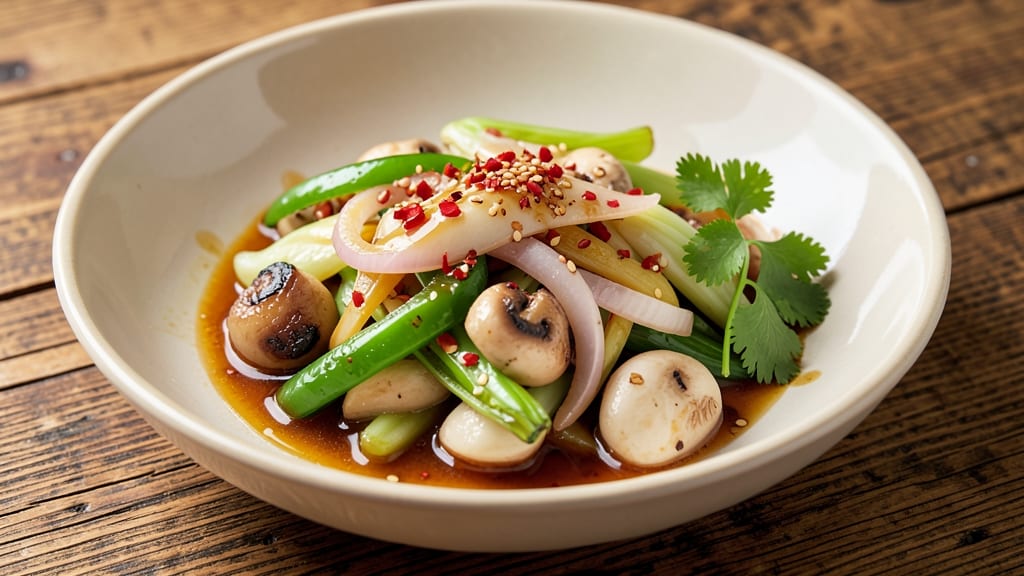
This Kikkoman stir-fry sauce copycat recipe delivers that signature umami-packed flavor in just minutes—no shortcuts, just precise measurements and professional results. ✨ The secret lies in balancing sweet, tangy, and savory elements with a touch of garlic and ginger, creating a sauce that mimics the restaurant version perfectly.
What makes this recipe work is the 5-minute prep time and 3-ingredient base that transforms pantry staples into something restaurant-quality. The sauce thickens beautifully when simmered, creating that ideal consistency for stir-fries or dipping.
Best of all, it keeps well in the fridge for up to a week, ready whenever you need that authentic flavor.
You’ll end up with a rich, glossy sauce that coats proteins and vegetables like the original, with just the right balance of sweetness and umami depth. The garlic and ginger add aromatic warmth, while the soy sauce and vinegar provide that signature tang.
This is the sauce that elevates takeout-quality meals to homemade perfection.
Use it for stir-fries, as a dipping sauce for spring rolls, or even as a marinade for grilled meats. The possibilities are endless, and once you taste the difference, you’ll never go back to store-bought again. Let’s get started!
Ingredients for kikkoman stir fry sauce copycat
Five-minute blend transforms pantry staples into restaurant-quality stir-fry sauce magic.
| Ingredient | Amount | Notes |
|---|---|---|
| Kikkoman Soy Sauce 🥢 | ½ cup | High-quality, reduced if possible |
| Rice Vinegar 🍶 | ¼ cup | White or seasoned preferred |
| Honey 🍯 | ¼ cup | Pure, light variety |
| Garlic Cloves 🧄 | 4 cloves | Fresh, minced finely |
| Fresh Ginger 🌿 | 1 tbsp | Grated, not powdered |
| Sesame Oil 🫒 | 1 tbsp | Toasted, for aroma |
| Cornstarch 🌾 | 1 tbsp | For thickening |
| Water 💧 | ¼ cup | Room temperature |
| Sesame Seeds 🌱 | 1 tsp | Toasted, for garnish |
| White Pepper 🌶️ | ¼ tsp | Freshly ground |
The soy sauce is non-negotiable here—Kikkoman is the gold standard, but any high-quality brand works. Look for reduced soy sauce if you can find it; it’s more concentrated and gives better flavor. Fresh ginger and garlic are essential—powdered versions just won’t cut it. I grab my ginger at Whole Foods or the Asian market, where it’s often fresher. Toast the sesame seeds in a dry pan for 30 seconds before adding to the sauce—they’ll pop and add that nutty aroma that makes it feel authentic. Store-bought sesame oil? Use the toasted kind—it’s worth the extra $2.
No rice vinegar? Apple cider vinegar in a pinch—it’s tangier, so cut it with a splash of water to balance. Honey too expensive? Light corn syrup works, but you’ll lose some of that floral depth. The cornstarch is key for that glossy, thick consistency—don’t skip it. If you’re making a big batch, double the cornstarch-water slurry and adjust as you go. The white pepper is subtle but adds that professional touch—black pepper won’t do the same job. Pro tip: If your sauce gets too thick, thin it with a splash of water or vinegar.
This sauce keeps beautifully—1 week in the fridge sealed in a jar. The flavors actually improve as it sits, letting everything meld. For longer storage, freeze in ice cube trays—3 months with no texture loss. I make a double batch every time because it disappears faster than you’d think. Garnish with those toasted sesame seeds right before serving—they add crunch and visual appeal. And if you’ve got leftover sesame oil from toasting the seeds? Save it for drizzling over noodles—it’s liquid gold.
Why You'll Love This Recipe
- Pantry Magic: I swear by this sauce—no specialty ingredients, just what’s already in my fridge. The moment I mix Kikkoman soy sauce with that bright rice vinegar and a drizzle of honey, my stir-fry transforms from good to ridiculously good with zero extra shopping.
- Umami Bomb: That garlic and ginger combo? It’s like a flavor grenade in the best way. The honey rounds out the sharpness, so you get this perfect balance of salty, sweet, and zesty that sticks to every bite—no complicated seasoning charts needed.
- Weeknight Wonder: Between us, this is my secret weapon for busy nights. Toss it with whatever’s in your fridge (leftover chicken, frozen veggies, even tofu) and dinner’s ready in 20 minutes. Honestly, I make it so often, I’ve memorized the ratios.
- Budget Game-Changer: A few tablespoons of soy sauce and a splash of vinegar cost pennies, but the flavor? Priceless. I double the batch and stash it in the fridge—it lasts for weeks, so I’m always covered for takeout cravings without the guilt.
Step-by-step instructions for Kikkoman stir-fry sauce copycat recipe
This homemade version delivers that signature umami depth and balanced sweetness you crave.
🍳 Step 1: Bloom the Aromatics in Sesame Oil
Heat a small saucepan over medium-low heat and add the 1 tablespoon sesame oil. Let it warm for 30 seconds until fragrant—you'll smell that nutty, toasty aroma that's the soul of stir-fry sauce. Here's the thing—don't let it smoke, just warm through.
Add the 4 minced garlic cloves and 1 tablespoon grated fresh ginger. Cook for 1-2 minutes until the garlic turns golden and the ginger loses its raw bite. This step builds the aromatic foundation—push the mixture around constantly so nothing burns. You're looking for a gentle sizzle, not aggressive browning.
🥘 Step 2: Combine Wet Ingredients for Flavor Fusion
Remove the pan from heat and let it cool slightly for 30 seconds**. Then whisk in the 0.5 cup Kikkoman soy sauce, 0.25 cup rice vinegar, and 0.25 cup honey. Return the pan to medium heat and bring to a gentle simmer for 3-4 minutes until the mixture reduces slightly and the flavors meld.
I know it seems weird to simmer vinegar and honey together, but trust me—this creates that perfect balance of tangy, sweet, and salty that defines authentic stir-fry sauce. Stir occasionally and watch for bubbles forming at the edges. The sauce should thicken just enough to coat the back of a spoon.
🔥 Step 3: Thicken and Finish with Cornstarch Slurry
In a small bowl, whisk together the 1 tablespoon cornstarch with the 0.25 cup water until completely dissolved. This is your thickening agent—adding it all at once prevents clumping. Return the sauce to a simmer and gradually pour in the cornstarch mixture while stirring constantly.
Simmer for another 2-3 minutes until the sauce reaches your desired consistency—it should coat a spoon but still flow smoothly. If it thickens too quickly, add a splash more water. The sauce should be glossy with a velvety texture, not gluey. This is where the magic happens—proper thickening makes all the difference.
👨🍳 Step 4: Season and Prepare for Service
Remove the sauce from heat and stir in the 0.25 teaspoon freshly ground white pepper. Taste and adjust seasoning if needed—you might want to add a touch more soy sauce for saltiness or honey for sweetness. Let it cool for 5 minutes to allow flavors to fully develop.
For that restaurant-quality finish, transfer the sauce to a serving bowl and drizzle with the 1 tablespoon sesame oil (reserved from earlier). Sprinkle with 1 teaspoon toasted sesame seeds right before serving. The oil adds richness while the seeds provide that satisfying crunch and visual appeal that makes homemade sauce feel like a gourmet creation.
Pro Tips For Making Kikkoman Stir Fry Sauce Copycat
- MINCE GARLIC FINE: I learned this the hard way—chopping garlic cloves into rough chunks just won’t cut it for this sauce. Use a knife or the flat side of your blade to smash each clove first, then mince into a paste. The sauce needs that smooth, integrated garlic flavor, not little bits you’ll taste chewing.
- SIMMER LOW AND SLOW: After adding the soy sauce and vinegar, resist the urge to blast it on high. A gentle simmer for 3-4 minutes lets the flavors meld without burning the honey or making the ginger bitter. I used to rush it, and the sauce always tasted sharp and unfinished.
- PEEL GINGER LAST: Fresh ginger is stubborn—peel it right before grating or mincing. If you prep it too early, it dries out and loses its punch. A microplane works best here; it gives you that fine, even texture without the fibrous chunks that ruin the sauce’s silkiness.
- SWEETEN WITH HONEY LAST: Add the honey only in the final minute of cooking. If you toss it in too soon, it’ll caramelize unevenly and make the sauce taste cloying. Stir it in when the sauce is hot but not boiling—just enough to warm the honey through without turning it into syrup.
Serving suggestions for this dish
Stir-Fry Perfection
This sauce transforms any stir-fry into a restaurant-worthy dish. I love tossing chicken thighs or shrimp with bell peppers, snap peas, and carrots in a hot wok, then deglazing with 2 tablespoons of the sauce.
Finish with a splash of the remaining sauce to create that glossy, sticky glaze everyone loves. 🌶️
Dipping Sauce Magic
Serve it as a dipping sauce for spring rolls, egg rolls, or dumplings—just warm 2 tablespoons in a small bowl with a few drops of sesame oil. The balance of sweet, tangy, and umami makes it irresistible.
I keep a small pitcher on the table for guests to dip their food as they eat. Pro tip: Add a pinch of red pepper flakes if you want a spicy kick.
Marinade for Grilled Meats
Use half the sauce as a marinade for grilled chicken or pork. Let the meat sit for 30-60 minutes before cooking to infuse maximum flavor. The sauce caramelizes beautifully on the grill, creating a sticky crust.
I brush it on during the last 2 minutes of grilling for that perfect glaze. 🔥
Rice Bowl Elevator
Turn your rice bowls into gourmet meals by drizzling the sauce over steamed jasmine rice with teriyaki chicken, steamed broccoli, and sliced avocado. The sauce adds that umami depth that takes the dish to the next level.
I often double the recipe just to have extra for rice bowls—it disappears fast!
Noodle Game-Changer
Stir-fried noodles get a serious upgrade with this sauce. Toss cooked ramen or udon noodles with 1-2 tablespoons of sauce and a splash of sesame oil. Add chopped scallions and bean sprouts for freshness. The sauce clings to the noodles perfectly, creating a cohesive bite every time. 💫
Sauce Storage Hacks
Keep leftover sauce in an airtight container in the fridge for up to 1 week or freeze in ice cube trays for portion control. Thaw frozen cubes in the microwave for 20 seconds before using.
I always make extra because it’s so versatile—once you taste the difference, you’ll never go back to store-bought again!
Nutrition facts
Frequently asked questions
Can I substitute honey with another sweetener?
Yes, but results may vary. For a 1:1 swap, try agave nectar or maple syrup—both work well. If using brown sugar, dissolve it first in warm water to prevent graininess. Avoid powdered sweeteners like Splenda, as they won’t mimic honey’s depth of flavor or thickening effect.
How do I adjust the sauce if it's too salty or sweet?
For too salty, add 1-2 tablespoons water or rice vinegar to dilute. For too sweet, balance with extra soy sauce (1 tsp at a time)**> or a splash of vinegar. Taste as you go—this sauce is highly customizable! The key is small adjustments to avoid overpowering the delicate flavor balance.
Can I make this sauce without cornstarch?
Swap cornstarch for 1 tablespoon arrowroot powder or 1 teaspoon xanthan gum (for gluten-free needs). For a thicker texture without starch, simmer the sauce longer (5-7 minutes) to reduce naturally. Just know it may not be as glossy as the cornstarch version.
What's the best way to store leftover sauce?
Transfer to an airtight container and refrigerate for up to 1 week. For longer storage, freeze in ice cube trays—thaw cubes in the fridge overnight. Never freeze in a glass jar, as it may crack. Label with the date to track freshness. The sauce actually tastes better after 2-3 days as flavors meld!
Is this sauce gluten-free?
Only if you use tamari or gluten-free soy sauce instead of regular soy sauce. The rest of the ingredients are naturally gluten-free. Always check labels, as some rice vinegars may contain wheat. For a fully gluten-free version, ensure your cornstarch is certified gluten-free too.