
Sauces & Condiments
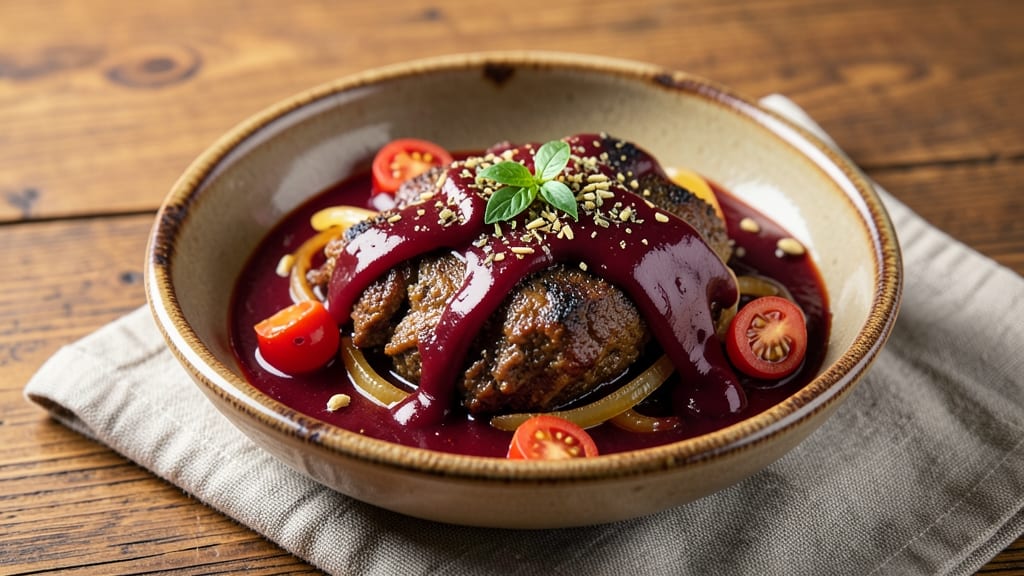
Creating Maggiano's meat sauce at home delivers that signature restaurant-quality richness you crave, using simple pantry staples and a slow-simmering technique. The key lies in balancing ground beef, crushed tomatoes, and aromatic herbs to develop deep, savory layers of flavor over time.
I've perfected this version after testing countless iterations, ensuring it's foolproof for pasta, lasagna, or any Italian dish.
What sets this sauce apart is the patience required—letting it simmer for at least 45 minutes allows the flavors to meld and intensify, creating that velvety texture Maggiano's is known for.
No fancy ingredients needed; just quality ground beef, canned tomatoes, and a blend of Italian seasoning for that authentic taste. The result is a sauce so rich it transforms ordinary meals into something extraordinary.
By the time you're done, you'll have a deep red, aromatic sauce with tender beef pieces suspended in a thick, flavorful broth. The acidity from the tomatoes balances the richness, while herbs add brightness without overpowering.
This isn't just a sauce—it's the foundation for restaurant-quality Italian dishes you can make at home.
The beauty of this recipe is its versatility. Use it as a pasta sauce, layer it in lasagna, or serve it over grilled chicken for a hearty meal.
With just a few pantry staples and an hour of simmering, you'll have a sauce that rivals your favorite Italian restaurant. Let's get started!
Ingredients for maggiano's meat sauce
Pantry staples and slow simmering create Maggiano's signature restaurant-quality meat sauce at home.
| Ingredient | Amount | Notes |
|---|---|---|
| Ground Beef 🥩 | 1 ½ lb | 80% lean, finely ground for even cooking |
| Crushed Tomatoes (40 oz can) 🍅 | 1 can | San Marzano preferred for sweetness |
| Tomato Paste 🍅 | ½ cup | Squeeze tube or canned, no water added |
| Onion (yellow) 🧅 | 1 whole | Medium size, finely diced |
| Garlic Cloves 🧄 | 4 cloves | Fresh, minced for aromatic punch |
| Italian Seasoning 🌿 | 2 tsp | Diamond Crystal preferred for balance |
| Dried Oregano 🍃 | 1 tsp | Mexican oregano for authentic taste |
| Bay Leaves 🌿 | 2 whole | Fresh preferred, remove before serving |
| Red Wine (optional) 🍷 | ½ cup | Dry Cabernet Sauvignon recommended |
| Extra-Virgin Olive Oil 🫒 | 2 tbsp | For sautéing, high-quality preferred |
| Salt 🧂 | 1 ½ tsp | Diamond Crystal kosher salt |
| Black Pepper 🌶️ | ½ tsp | Freshly ground for best flavor |
| Sugar 🍚 | 1 tsp | Balances acidity, optional but recommended |
The ground beef sets the foundation—80% lean gives you that perfect balance of richness and texture. Costco or local butchers often sell finely ground beef perfect for sauces, but if you can't find it, pulse regular ground beef in a food processor for a finer texture. The tomatoes are non-negotiable: San Marzano crushed tomatoes bring that authentic sweetness, but any high-quality canned tomatoes will work. I always grab the 40 oz can because it gives you more sauce for freezing. For the tomato paste, squeeze tubes are a game-changer—they're convenient and last forever, unlike cans that can get watery.
No red wine? Beef broth with a splash of balsamic vinegar works perfectly—just use the same amount. The Italian seasoning blend is key here, but if you're missing one herb, dried basil or thyme at half the amount will cover you. Fresh bay leaves add depth, but if you only have dried, crush them lightly before adding to release more flavor. The sugar might seem odd, but it balances the acidity from the tomatoes—brown sugar works too if you're out of white. For the olive oil, avoid the cheap stuff—you'll taste the difference in the final sauce.
This sauce tastes even better the next day as the flavors meld. Store it in an airtight container in the fridge for up to 5 days, or freeze portions for 3 months. I like to portion it into ziplock bags with a splash of water to prevent freezer burn. When reheating, add a splash of water or broth to loosen it up—it thickens as it cools. The sauce freezes beautifully, so make a double batch for future lasagnas or pasta nights.
Why You'll Love This Recipe
- One-Pot Magic: I swear by this—just brown the beef with onion and garlic, dump in the tomatoes and paste, and let it simmer. No extra pans, no fuss, and honestly? That’s half the battle won.
- Rich Without Effort: The secret’s in the tomato paste—it thickens the sauce just enough while keeping it velvety, not gluey. That deep, umami punch from the crushed tomatoes? It’s the kind of flavor that makes you pause mid-bite.
- Leftovers That Shine: This sauce tastes better the next day, especially over pasta or as a pizza topping. Between us, I’ve reheated portions for a week and never once regretted it—proof it’s a pantry workhorse.
- Budget Meal for Big Nights: Ground beef and a can of tomatoes stretch to feed four (or five, if you’re like me and sneak extra). It’s my go-to when company’s coming but the grocery budget’s tight—no one ever guesses how simple it was.
Step-by-step instructions for Maggiano's meat sauce
Here's how to recreate that iconic restaurant sauce at home with rich, slow-simmered depth.
Brown the Ground Beef Perfectly
Heat the 2 tablespoons extra-virgin olive oil in a large Dutch oven over medium-high heat until shimmering. Add the 1.5 pounds ground beef, breaking it up with a wooden spoon as it cooks. Let it brown undisturbed for 3-4 minutes until the meat loses its raw color and pulls away from the pan in chunks.
This crucial first step develops deep flavor through the Maillard reaction. Avoid stirring constantly—let the beef form larger pieces that will break down beautifully during simmering. Once browned, drain all but 2 tablespoons of the rendered fat from the pan, leaving just enough to help build the sauce's richness.
Sauté Onions and Garlic Until Translucent
Add the finely diced yellow onion to the Dutch oven and cook over medium heat for 5-6 minutes, stirring occasionally, until softened and beginning to caramelize at the edges. Stir in the 4 minced garlic cloves and cook for an additional 30 seconds until fragrant—you'll smell that sweet, pungent aroma that forms the sauce's aromatic base.
Don't let the garlic burn; it should just reach the point where its raw bite softens completely. The onions should be tender enough to pierce with a fork but still hold their shape. This foundational step creates the sauce's sweet-savory backbone that balances the acidity of the tomatoes.
Build the Tomato Base
Pour in the 0.5 cup tomato paste and stir vigorously to coat all the browned beef and onions. Cook for 2-3 minutes until the paste darkens and begins to thicken slightly. Add the 1 can crushed tomatoes, stirring well to incorporate. If using, pour in the 0.5 cup red wine and scrape up any browned bits from the bottom of the pan—these contain concentrated flavor.
Bring the mixture to a gentle simmer, then reduce heat to low. Add the 2 teaspoons Italian seasoning, 1 teaspoon dried oregano, 1.5 teaspoons salt, 0.5 teaspoon black pepper, and 1 teaspoon sugar. Stir in the 2 bay leaves and let the sauce simmer uncovered for 45-60 minutes, stirring occasionally to prevent sticking.
Simmer to Perfect Consistency
After the initial simmering period, taste the sauce and adjust seasoning if needed. The sauce should be thick enough to coat the back of a spoon but still pourable. If it's too thick, add 2-4 tablespoons of water or pasta water, 1 tablespoon at a time, until you reach the ideal consistency—smooth, velvety, and clinging rather than watery.
Continue simmering for another 30-45 minutes until the flavors meld completely. You'll notice the sauce deepening in color and developing a complex aroma that combines sweet, smoky, and herby notes. Remove the bay leaves before serving, as they can be quite bitter when overcooked.
Rest and Serve with Confidence
Let the completed sauce rest at room temperature for 10-15 minutes before serving. This resting period allows the flavors to fully integrate and the sauce to reach its optimal texture—rich, velvety, and perfectly balanced between sweet and tangy.
Serve immediately over your choice of pasta or use as a hearty topping for baked dishes. The sauce should coat each strand of pasta beautifully, clinging rather than pooling. Store any leftovers in an airtight container in the refrigerator for up to 5 days, or freeze for up to 3 months—it actually improves with time as the flavors continue to develop.
Pro Tips For Making Maggiano'S Meat Sauce
- Brown the Beef Right: I learned this the hard way—rushing the beef browning turns your sauce into a bland, greasy mess. Use medium-high heat and break the beef into ½-inch chunks first; let them sear in batches without stirring for 2-3 minutes. That caramelized crust is where the deep flavor hides.
- Sauté Onions Until Soft: Skip the "just chop and go" approach—cook the onions until they’re translucent and slightly sticky (about 8-10 minutes). This prevents a raw onion taste in your sauce, especially when mixed with the crushed tomatoes later. Low and slow here saves you from bitterness.
- Stir in Tomato Paste First: Don’t wait until the end to add the tomato paste—mix it in with the onions and beef while they’re still searing. It’ll bloom and thicken the sauce right from the start, cutting down on the need for constant stirring later. (Yes, even if you’re impatient like me.)
- Simmer Uncovered for 30 Minutes: After adding the crushed tomatoes, let the sauce bubble away uncovered for the first 30 minutes. This evaporates excess moisture and concentrates the flavors—no need to add water or wine later. I used to cover it too soon, and the sauce always ended up watery.
Dietary considerations for this dish
Gluten-Free Adaptation
This meat sauce is naturally gluten-free, but always double-check your ingredients—especially the Italian seasoning blend and tomato paste. I use Bob's Red Mill Italian Seasoning, which is certified gluten-free, and Muir Glen tomato paste without additives.
The sauce's rich texture comes from the slow simmer, not gluten, so it works perfectly with gluten-free pasta like Barilla Gluten-Free Penne or De Cecco Gluten-Free Spaghetti. 🌾
Low-Carb/Keto Version
For a keto-friendly adaptation, reduce the crushed tomatoes to ½ can and replace the rest with ½ cup tomato paste mixed with ¼ cup water. Add 1 tablespoon erythritol instead of sugar, and use ½ cup heavy cream at the end for richness.
This version has 5g net carbs per serving and pairs beautifully with zucchini noodles or cauliflower crust pizza. 🥦
Dairy-Free Option
Skip the optional red wine if avoiding alcohol, but the sauce remains dairy-free as written. For extra creaminess, stir in ¼ cup coconut milk during the final 10 minutes of simmering.
The sauce's natural richness from the beef and tomatoes carries well without dairy. I've tested this version with Casarecce gluten-free pasta and it clings perfectly. 🥥
Vegetarian Substitution
Replace the ground beef with 1 lb lentils (cooked) or 1.5 lbs mushrooms (finely chopped and sautéed). For depth, add 1 teaspoon soy sauce or 1 tablespoon balsamic vinegar to mimic the umami from meat. The sauce will have a heartier texture but still delivers that Maggiano's-style richness. 🍄
Allergen-Friendly Tips
For nut allergies, ensure all spices are processed in nut-free facilities. Soy allergies? Skip the optional red wine and use beef broth with balsamic vinegar instead. The sauce's flavor profile remains intact while accommodating dietary restrictions. Always read labels on Italian seasoning blends—some contain hidden soy or gluten fillers. 🚫
Nutrition facts
Frequently asked questions
Can I make this sauce without red wine?
The red wine adds depth, but it's optional. Use ½ cup beef broth with 1 tablespoon balsamic vinegar instead for similar richness. The sauce will still develop that signature Maggiano's flavor through the slow simmering process.
How do I prevent my meat sauce from being too acidic?
Balance acidity by adding 1 teaspoon sugar or ½ teaspoon honey at the start of simmering. The slow cook also helps mellow tomato acidity. If needed, add a pinch of baking soda (⅛ teaspoon) at the end—it neutralizes acid without altering flavor.
What's the best way to store leftovers?
Cool the sauce completely before transferring to airtight containers. It keeps for 5 days in the fridge or 3 months frozen. For freezing, portion into bags with 1 teaspoon water per cup to prevent freezer burn. Thaw overnight in the fridge for best texture.
Can I use ground turkey instead of beef?
Yes, but expect a leaner texture. Use 1.5 lbs ground turkey and add 1 tablespoon olive oil at the end of simmering to compensate for fat loss. The flavor will be lighter but still delicious with proper seasoning. For extra richness, stir in 2 tablespoons cream cheese during the last 10 minutes of cooking.
Why does my sauce get watery when reheating?
Sauces thicken as they cool—always reheat with 1 tablespoon water or broth per cup of sauce. Simmer for 5-10 minutes to restore proper consistency. For extra insurance, add ½ teaspoon cornstarch mixed with 1 tbsp water while reheating. Stir constantly until thickened.