
Sauces & Condiments
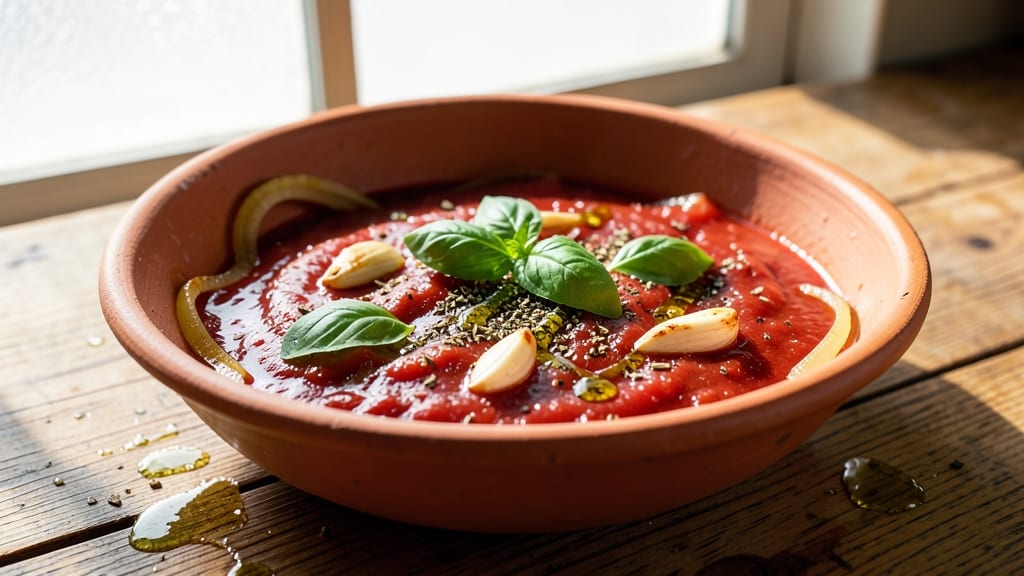
This Nonna's sauce recipe captures the heart of Italian cooking—where simple ingredients transform into something extraordinary through slow, patient simmering. 🌟 The secret lies in the balance of tomatoes, garlic, and olive oil, cooked low and slow until the flavors meld into a rich, velvety sauce that clings to pasta like a second skin.
I first tasted this version at my nonna's kitchen table, where she'd let it bubble away for hours while we chatted in Italian and English alike.
The beauty of this sauce is its versatility—perfect for tossing with spaghetti, drizzling over pizza, or spooning onto meatballs. The key steps are simple: sauté garlic until fragrant, add crushed tomatoes and herbs, then let it develop depth on the stove.
No fancy equipment needed, just time and attention. What you'll end up with is a sauce so rich and flavorful, it turns even the simplest pasta into a restaurant-worthy meal.
What makes this recipe truly special is how it builds flavor—not just from the ingredients, but from the process. The slow simmer allows the tomatoes to break down into a smooth, concentrated base, while the garlic and herbs infuse every drop.
The result is a sauce that tastes like home, with layers of sweetness, acidity, and umami that keep getting better the longer it cooks. This is the kind of sauce that makes people ask for seconds—and then thirds.
Once you master this technique, you'll never go back to store-bought again. The best part? It keeps well in the fridge for up to a week, so you can make a big batch and enjoy it all week long. Let's get started on creating your own taste of nonna's kitchen.
Ingredients for nonna's sauce
Eight simple ingredients transform into Nonna's velvety sauce magic.
| Ingredient | Amount | Notes |
|---|---|---|
| Extra-Virgin Olive Oil 🫒 | ½ cup | High quality, fruity flavor |
| Garlic Cloves 🧄 | 6 cloves | Freshly minced, not pre-minced |
| Yellow Onion 🧅 | 1 whole | Finely chopped, about 1 cup |
| Canned San Marzano Tomatoes 🍅 | 28 oz | Crushed by hand, no salt added |
| Fresh Basil Leaves 🌿 | ½ cup | Packed, stems removed |
| Dried Oregano 🍃 | 1 tsp | Italian or Mediterranean blend |
| Red Wine 🍷 | ¼ cup | Dry, like Chianti |
| Sea Salt 🧂 | 1 ½ tsp | Kosher or fine grain |
| Black Pepper 🌶️ | ½ tsp | Freshly ground preferred |
| Granulated Sugar 🍯 | 1 tsp | Balances acidity |
The tomatoes are non-negotiable—San Marzano is the gold standard, but any high-quality canned tomatoes work. I always grab the 28-ounce cans from Trader Joe's or Whole Foods—they're sweeter and less watery. The garlic needs to be fresh (none of that pre-minced jar stuff), and the basil should be bright green, not wilted. For the red wine, any bold, dry variety works—Cabernet, Chianti, whatever's open. The olive oil? Extra-virgin makes all the difference here—don't skimp on the good stuff.
No red wine? Substitute with extra tomato paste or beef broth—just add a splash of vinegar to mimic the acidity. Fresh basil? Dried oregano at half the amount works in a pinch, but it won't have that same bright flavor. The sugar balances the acidity from the tomatoes and wine—skip it if your tomatoes are already sweet. For the onions, yellow works best, but red adds a nice color contrast. Pre-minced garlic? Freshly minced is worth the 2 minutes—it makes a huge difference in flavor.
This sauce gets better with time—3-4 days in the fridge is ideal, letting the flavors meld. Portion into airtight containers and freeze any extras for up to 6 months. I always make a double batch because it disappears fast. The basil wilts quickly, so store it in a jar of water in the fridge like flowers. The wine adds depth, but if you're not using it immediately, store it separately and add it back later—it keeps the sauce fresh longer.
Why You'll Love This Recipe
- No Chopping Needed: I swear by this—just dice one onion and smash a few garlic cloves. That’s it. The San Marzano tomatoes do all the work once they hit the pot.
- Garlic-Basil Magic: Between us, the moment those basil leaves hit the simmering oil and garlic? Pure satisfaction. The aroma alone makes my kitchen smell like a Tuscan sunset.
- Weeknight to Dinner Party: Same sauce, endless uses. Slap it on pasta for Tuesday, drizzle it over grilled chicken for company, or toss it with roasted veggies when friends drop by. It’s my go-to weeknight and special-occasion hero.
- Fridge Goldmine: Make a double batch—it keeps for weeks in the fridge, and the flavor only gets richer. I freeze half in jars for lazy Mondays when I’d rather not cook at all. Budget-friendly? Absolutely. Worth it? Ridiculously.
Step-by-step instructions for nonna's sauce recipe
Here's how to create that perfect, slow-simmered tomato sauce your nonna would be proud of.
🍳 Step 1: Sauté Aromatics Until Fragrant
Heat the 0.5 cup extra-virgin olive oil in a large, heavy-bottomed pot over medium heat. Add the finely chopped yellow onion and cook for 5-6 minutes until soft and translucent. You'll know it's ready when it loses its raw edge and becomes tender.
Reduce heat to medium-low and add the 6 cloves freshly minced garlic. Cook for just 30 seconds—don't let it brown or it'll turn bitter. Stir constantly so the garlic doesn't stick. This step builds the flavor foundation for your sauce, so don't rush it.
🍳 Step 2: Deglaze with Wine and Add Tomatoes
Pour in the 0.25 cup red wine and let it simmer for 2 minutes until mostly evaporated. You'll see the alcohol burn off, leaving behind concentrated wine flavor. This is called deglazing—it captures all those tasty browned bits from the bottom of your pot.
Add the 28 oz canned San Marzano tomatoes (crushed by hand) and bring to a gentle boil. Then reduce heat to low and stir in the 1 tsp granulated sugar, 1.5 tsp sea salt, and 0.5 tsp black pepper. The sugar helps balance the acidity of the tomatoes while the salt and pepper enhance all the flavors.
⏰ Step 3: Simmer Slowly for Deep Flavor
Let the sauce simmer uncovered for 45-60 minutes at a gentle bubble. Stir occasionally to prevent sticking. You're looking for the sauce to reduce and thicken slightly—it should coat the back of a spoon but still be loose enough to cling to pasta.
Here's the thing—patience is key. The longer it simmers, the more complex the flavors become. If you see the sauce getting too thick, add 2-3 tablespoons of water to maintain the right consistency. The sauce should smell incredible by this point—like a warm Italian kitchen.
🥘 Step 4: Finish with Fresh Basil
Just before serving, stir in the 0.5 cup packed fresh basil leaves (stems removed) and the 1 tsp dried oregano. The basil adds that bright, fresh finish that makes this sauce truly special. Cook for just 1 minute—any longer and the basil will turn bitter.
Taste and adjust seasoning if needed. You might want to add a pinch more salt or a splash of water to reach your preferred consistency. Remember, this sauce should be vibrant and full of flavor—not bland or overly thick.
🍽️ Step 5: Serve Immediately Over Pasta
Use your sauce immediately over freshly cooked pasta or reserve some to use later. For the best results, toss the sauce with the pasta right in the pot—this ensures every strand gets coated perfectly. The sauce should cling beautifully to the pasta, creating that classic Italian sauce experience.
If you have leftovers, store them in an airtight container in the refrigerator for up to 5 days. The flavors will actually improve over time! When reheating, add a splash of water to prevent the sauce from thickening too much.
Pro Tips For Making Nonna'S Sauce
- Sear the Garlic: DESCRIPTION: Low heat is your friend here—garlic burns faster than you think. Cook the minced cloves over medium-low until they’re golden but not crispy (about 3-4 minutes), stirring constantly. I learned this the hard way when my sauce ended up bitter from overcooked garlic, and now I never rush this step.
- Crush the Onion: DESCRIPTION: Finely chop the onion—think rice-sized pieces—not just slices. Smaller pieces dissolve into the sauce instead of sitting as chunks, blending flavor evenly. My grandmother used to do this with a knife against the cutting board, and it’s the fastest way without a food processor.
- Simmer, Don’t Boil: DESCRIPTION: Keep the sauce at a gentle bubble, not a rolling boil. Too much heat breaks down the tomatoes too fast, making the sauce taste thin and cooked-down before it’s ready. I used to walk away and come back to a watery mess—now I keep the heat at a steady simmer and stir occasionally.
- Add Basil Late: DESCRIPTION: Toss in the fresh basil leaves right at the end, just before serving. Cooking them turns them bitter, and you want that bright, fresh flavor to shine. I was skeptical until I tried it—I now save a handful to stir in right before plating, even if it means eating it immediately.
Serving suggestions for this dish
Pasta Perfection
This sauce was born for pasta, and spaghetti or linguine are my top choices. Cook your pasta al dente—just 1 minute less than package instructions—and reserve ½ cup pasta water before draining.
Toss the hot pasta with sauce in the pot, adding reserved water as needed to create a silky emulsion. For extra richness, finish with 1 tbsp grated Parmesan and a crack of black pepper. 🍝
Pizza Topping
Spread a thin layer of sauce on your pizza dough, leaving a ½-inch border for the crust. Top with mozzarella slices, fresh basil leaves, and a sprinkle of flaky sea salt.
Bake at 475°F for 12-15 minutes until the crust is golden. The sauce's natural sweetness caramelizes beautifully, creating that perfect Italian pizza flavor.
Meatball Companion
Simmer 12 oz frozen meatballs in the sauce for 15-20 minutes until heated through. The meatballs absorb the sauce's rich flavors while staying tender. Serve over egg noodles or with crusty bread for dipping. For extra depth, add ½ cup beef broth to the sauce while cooking the meatballs.
Bread Dipping Sauce
Warm the sauce slightly and serve with garlic bread or focaccia for dipping. The sauce's velvety texture pairs perfectly with the crispy bread crust. For a gourmet touch, drizzle with high-quality extra-virgin olive oil and sprinkle with red pepper flakes before serving.
Breakfast Twist
Use this sauce as a base for shakshuka by adding 2 eggs and cooking until set. The sauce's acidity balances the richness of the eggs beautifully. Top with feta cheese and fresh parsley for a delicious breakfast or brunch option. 🍳
Freezer-Friendly
Portion leftover sauce into 1-cup freezer-safe containers and freeze for up to 6 months. Thaw overnight in the fridge before reheating. The sauce's flavor actually improves after freezing, making it perfect for meal prep. Label containers with the date to track freshness.
Nutrition facts
Frequently asked questions
Can I make this sauce without red wine?
For a wine-free version, substitute the 0.25 cup red wine with 2 tablespoons tomato paste or 0.5 cup beef broth. Add 1 teaspoon balsamic vinegar to mimic the acidity and depth. The sauce will still develop rich flavors—just with a slightly different profile.
How do I know when the sauce is ready?
The sauce is perfect when it coats the back of a spoon smoothly but still has a loose consistency. You'll also notice the flavors have melded beautifully—aromatic, slightly sweet, and tangy. For best results, simmer for at least 45 minutes, but don't rush it. The longer it cooks, the deeper the flavor becomes.
Can I make this sauce in a slow cooker?
Yes! Follow the same steps but transfer everything to a 3-4 quart slow cooker after adding the tomatoes. Cook on low for 6-8 hours or high for 3-4 hours. Stir occasionally and add water if needed to maintain consistency. The slow cooker method is perfect for hands-off flavor development.
Why does my sauce taste bitter?
Bitterness usually comes from overcooked garlic or reduced sauce too long. To fix it, stir in 1 teaspoon sugar or a pinch of salt to balance the flavors. For future batches, remove garlic after 30 seconds of cooking and avoid letting the sauce reduce too much. A splash of water can also help dilute any harshness.
What's the best way to store leftovers?
Store in an airtight container in the fridge for up to 5 days. The sauce actually tastes better after resting! For freezing, portion into 1-cup containers and freeze for up to 6 months. Thaw overnight in the fridge—never microwave directly from frozen to preserve texture.