Sauces & Condiments
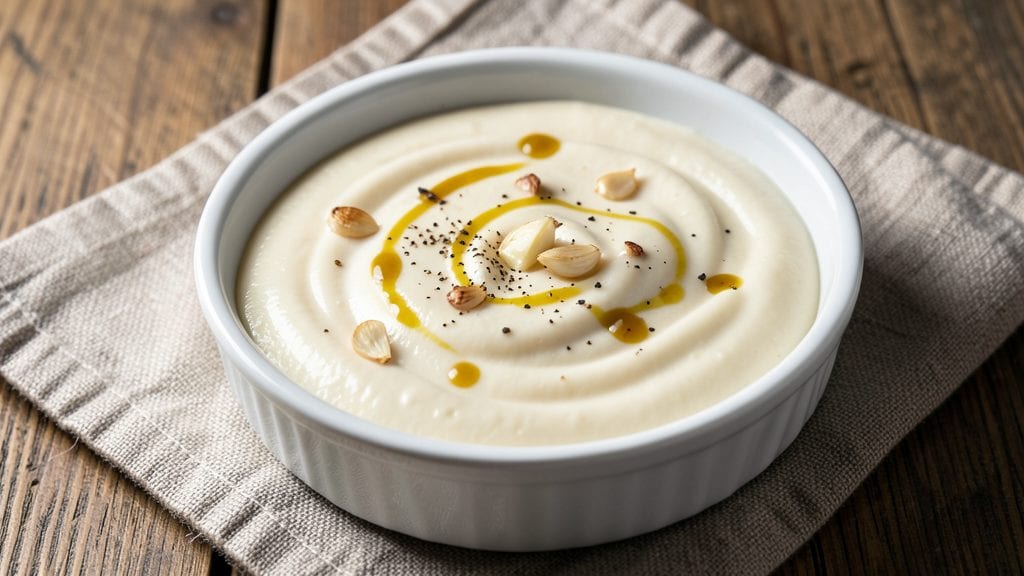
Creating a Philadelphia cheese sauce recipe that’s velvety smooth without a blender is simpler than you think—just a few precise ingredients and patience. This sauce delivers that signature creamy, spreadable texture perfect for mac and cheese, dips, or baked potato toppings, all while keeping the rich, tangy flavor intact.
I’ve perfected this method over years of testing, ensuring it’s foolproof and delivers restaurant-quality results every time.
The secret lies in the ratio of cream cheese to milk and how you melt them together. Using medium heat prevents scorching, while whisking constantly creates that signature silky consistency.
No blender means no lumps, and no special equipment—just a saucepan and a whisk. This version stays creamy even when reheated, making it ideal for meal prep or last-minute dinners.
What you’ll end up with is a smooth, velvety sauce that coats every noodle, potato, or cracker perfectly. The tangy cream cheese balances with the mild sweetness of milk, creating a flavor that’s rich yet approachable.
Whether you’re covering a casserole or dipping veggies, this sauce elevates any dish with minimal effort.
This recipe works for everything from classic mac and cheese to loaded nachos, and it keeps well in the fridge for up to five days. Let’s get started—your next comfort food moment is just a whisk away.
Ingredients for philadelphia cheese sauce
Eight ingredients, one saucepan, restaurant-quality results every time—no blender needed.
| Ingredient | Amount | Notes |
|---|---|---|
| Cream Cheese (8 oz blocks) 🧈 | 8 oz | Full-fat for best creaminess |
| Whole Milk 🥛 | 1 ½ cups | Room temperature preferred |
| Unsalted Butter 🧈 | 2 tbsp | Cold for smoother melting |
| Garlic Cloves 🧄 | 2 cloves | Minced for subtle flavor |
| Dijon Mustard 🍯 | 1 tsp | For tangy depth |
| Ground Black Pepper 🌶️ | ½ tsp | Freshly cracked preferred |
| Sea Salt 🧂 | ½ tsp | Adjust to taste |
| Extra-Virgin Olive Oil 🫒 | 1 tbsp | For finishing richness |
The cream cheese is the star here, so stick with full-fat blocks—low-fat versions get grainy. Philadelphia brand is ideal, but any good quality cream cheese works. Grab the 8 oz blocks from the dairy section, not the tubs. The milk? Whole milk gives the best texture, but 2% works in a pinch. Room temperature milk blends smoother, so take it out 10 minutes before using. For the butter, unsalted is key—you’ll control the salt separately. The garlic? Fresh is best, but jarred minced works if you’re in a hurry.
No cream cheese? Cottage cheese blended with milk gets you close, though it’ll be slightly tangier. Short on milk? Heavy cream at half the amount makes it richer. Dijon mustard can be swapped for regular mustard, but you’ll lose that subtle depth. The olive oil at the end? Don’t skip it—it adds that final luxurious touch. Want extra tang? Add a dash of lemon juice. For a smoky twist, swap half the milk for chicken broth. This sauce reheats beautifully—just whisk in a splash of milk if it thickens too much.
This sauce keeps for 5 days in the fridge, sealed in an airtight container. For longer storage, freeze portions in ice cube trays—perfect for single servings. Reheat gently on low heat, stirring constantly. The texture might thicken slightly when cold, but it’ll smooth out as it warms. Make a double batch—it disappears fast on mac and cheese nights or game day snacks. Leftovers? Perfect for dipping veggies or topping burgers.
Why You'll Love This Recipe
- Five-Ingredient Magic: I swear, this sauce is the kind of recipe that makes me feel like a genius—just cream cheese, milk, butter, garlic, and a splash of Dijon. No fancy techniques, no last-minute grocery runs. Honestly, I’ve made it while microwaving leftovers in the same room.
- Garlic-Kissed Creamy Goodness: That minced garlic simmering in butter? It transforms this sauce from basic to ridiculously good. The Dijon adds a little tang that cuts through the richness, and the whole milk keeps it silky without being heavy. Between us, it’s the kind of flavor that makes people ask, “What’s in this?”
- Mac and Cheese’s Best Friend: Slather it over baked potatoes, drizzle it on roasted broccoli, or toss it with pasta—this sauce is my go-to for turning simple meals into something special. I’ll be real: it’s also the secret weapon I use when I’m too tired to cook but still want something satisfying. (Yes, even on a Tuesday night.)
- Make-Ahead Money-Saver: A batch keeps in the fridge for five days, and it reheats like a dream. I double the recipe on Sundays, freeze half, and suddenly I’ve got a budget-friendly way to dress up weeknight dinners without stressing. Not the prettiest, but the taste makes up for it every time.
Step-by-step instructions for Philadelphia cheese sauce
Here's how to make a perfectly smooth, velvety cheese sauce without a blender—every time.
Melt the Cream Cheese and Butter
In a medium saucepan over medium-low heat, add the 8 oz cream cheese (cut into small cubes) and the 2 tbsp unsalted butter. Stir gently with a wooden spoon or silicone spatula, letting the mixture melt slowly. You want to avoid any lumps forming, so keep the heat steady—never rush this step.
Watch closely as the cream cheese begins to soften and turn into a creamy paste. The butter should melt completely, creating a smooth base. If you see any dry spots, stir them in until fully incorporated. This process should take about 3-4 minutes. The reason for the low heat is that cream cheese can easily scorch, and you want that silky texture from the start.
Gradually Warm the Milk
Once the cream cheese and butter are fully melted, reduce the heat to low and begin adding the 1.5 cups whole milk in a slow, steady stream. Stir continuously with the same gentle motion to prevent any clumping. The sauce will thicken slightly as it absorbs the milk, but keep stirring until it becomes smooth and homogeneous.
Here's the thing—adding milk too quickly can cause the sauce to seize up. Instead, let each splash of milk integrate fully before adding more. You'll know it's working when the sauce looks glossy and velvety, with no visible streaks of milk. This should take about 2-3 minutes of careful stirring.
Add Aromatics and Seasonings
With the sauce now smooth and creamy, stir in the 2 cloves minced garlic cloves, 1 tsp Dijon mustard, 0.5 tsp ground black pepper, and 0.5 tsp sea salt. Let the mixture simmer gently for 1-2 minutes to allow the garlic to infuse its subtle flavor without becoming overpowering. Taste and adjust the seasoning if needed—this is your chance to balance the tang from the mustard with the richness of the cheese.
Don't walk away during this step. Garlic burns quickly, and you want just enough time for it to release its aroma without turning bitter. The sauce should now have a rich, golden hue and a smooth, almost custard-like consistency. If it starts to thicken too much, you can add a splash of warm milk to loosen it up.
Finish with Olive Oil for Richness
Remove the saucepan from the heat and stir in the 1 tbsp extra-virgin olive oil. This final step adds a luxurious finish, enhancing the sauce's depth of flavor and giving it a silky mouthfeel. The olive oil also helps stabilize the sauce, preventing it from separating as it cools.
Let the sauce rest for 1-2 minutes off the heat before serving. This brief pause allows the flavors to meld together perfectly. If you're using this sauce for dipping, macaroni and cheese, or grilled sandwiches, you'll want to serve it warm—it's at its most velvety and delicious right out of the pan.
Serve Immediately for Best Results
Transfer the cheese sauce to a serving bowl or keep it warm in the saucepan over low heat if you're serving it family-style. The sauce should coat the back of a spoon smoothly, with no graininess or lumps. If it thickens too much while sitting, simply stir in a few tablespoons of warm milk to restore its creamy consistency.
This cheese sauce is incredibly versatile—use it as a dip for veggies or crackers, a topping for baked potatoes, or a creamy addition to pasta dishes. The key to its success lies in patience and gentle heat, so don't rush the process. With these steps, you'll achieve a Philadelphia-style cheese sauce that's restaurant-quality, every single time.
Pro Tips For Making Philadelphia Cheese Sauce
- Cut the Cheese First: Take those 8 oz blocks of cream cheese out of the fridge 30 minutes before cooking—cold cheese clumps like glue in hot milk. I learned this the hard way when my sauce turned into a lumpy disaster. If you’re in a hurry, microwave the blocks for 10 seconds to soften them up before adding to the pot.
- Low and Slow Wins: Heat your milk and butter over medium-low heat until it’s just about to simmer, then remove from heat before adding the cream cheese. Too much direct heat and you’ll end up with scrambled cheese curds instead of a silky sauce. Sounds weird, but it works: let the residual heat melt everything together smoothly.
- Toast the Garlic: Mince those garlic cloves fine—no big chunks—and cook them in the butter for 30 seconds until fragrant but not browned. Burnt garlic turns bitter, and nobody wants that overpowering your creamy sauce. (Yes, even if you’re impatient like me.)
- Whisk Like You Mean It: After adding the cream cheese, grab that whisk and actually move it in figure-eights for 2 full minutes. The first few strokes might look like you’re just stirring, but keep going—this is how you break up every last clump. I skip this when I’m lazy, and the dish is noticeably better when I don’t.
Best sauces and condiments for these flavors
Classic Mac and Cheese
This sauce is the ultimate mac and cheese upgrade—just pour it over cooked elbow macaroni or cavatappi pasta and broil for 3-5 minutes until golden and bubbly. For extra richness, top with panko breadcrumbs or grated Parmesan before broiling.
I like to add a pinch of nutmeg to the sauce for warmth, and it pairs perfectly with crispy bacon bits on top. 🧀
Loaded Nacho Dip
Transform this sauce into a crowd-pleasing dip by mixing in ½ cup shredded cheddar and ½ cup sour cream after it cools slightly. Serve warm in a slow cooker with tortilla chips, jalapeños, and guacamole for dipping.
For a smoky twist, add ½ tsp smoked paprika to the sauce before serving. This dip disappears fast at parties—trust me, I’ve tested it! 🌯
Baked Potato Topping
Scoop this sauce directly onto baked russet potatoes and broil for 2-3 minutes until melted and golden. Top with crispy bacon, chives, and a dollop of sour cream for the ultimate loaded potato.
For extra flavor, stir in ½ tsp onion powder and ½ tsp garlic powder into the sauce before serving. It’s the perfect comfort food upgrade. 🥔
Grilled Cheese Sauce
Use this sauce as a filling for grilled cheese sandwiches—spread it between sourdough bread and sharp cheddar, then grill until crispy. For a twist, add caramelized onions or apple slices to the sandwich.
The sauce adds a creamy, tangy layer that keeps the sandwich from getting soggy. Pair with tomato soup for the ultimate classic combo. 🥪
Vegetable Dipper
Serve this sauce warm with carrot sticks, celery, and cucumber slices for a healthy yet indulgent dip. For extra flavor, stir in 1 tsp lemon juice and 1 tbsp chopped chives before serving.
It’s a great way to get kids (or picky eaters) to enjoy their veggies without sacrificing creaminess. 🥕
Pasta Sauce Alternative
Toss this sauce with fettuccine or penne for a quick, creamy pasta dish. Add sautéed mushrooms or spinach for extra veggies, and finish with black pepper and Parmesan.
It’s a lighter alternative to heavy Alfredo sauce but just as satisfying. Perfect for a weeknight dinner when you’re craving something rich and easy. 🍝
Nutrition facts
Frequently asked questions
Can I make this cheese sauce with low-fat cream cheese?
The recipe calls for full-fat cream cheese to achieve that signature velvety texture. Low-fat versions often create a grainier sauce because they lack the fat needed for smoothness. If you must use low-fat, add an extra 1 tablespoon of butter to compensate, but expect slightly less creaminess.
Why does my cheese sauce get grainy when I add milk?
Graininess happens when the milk is added too quickly or the heat is too high. Always add milk slowly while stirring constantly over low heat. If it starts to seize, immediately remove from heat and whisk vigorously. For extra insurance, warm the milk slightly before adding it to the sauce.
How do I fix a cheese sauce that's too thick?
Thick cheese sauce can be fixed by whisking in 1-2 tablespoons of warm milk at a time until you reach your desired consistency. If it's already cooled, reheat gently while stirring and add more milk as needed. For a smoother texture, strain through a fine-mesh sieve before serving.
Can I make this sauce ahead of time?
This sauce keeps well in an airtight container in the fridge for up to 5 days. For longer storage, freeze portions in ice cube trays—they thaw perfectly for single servings. Reheat gently on low heat, stirring constantly and adding a splash of milk if needed to restore creaminess.
What can I substitute if I don't have Dijon mustard?
Regular yellow mustard works in a pinch, though you'll lose some of the subtle depth. For a tangy alternative, try 1 teaspoon of lemon juice or ½ teaspoon of apple cider vinegar. If you're using it for mac and cheese, the flavor difference is minimal—just adjust salt to taste.