
Sauces & Condiments
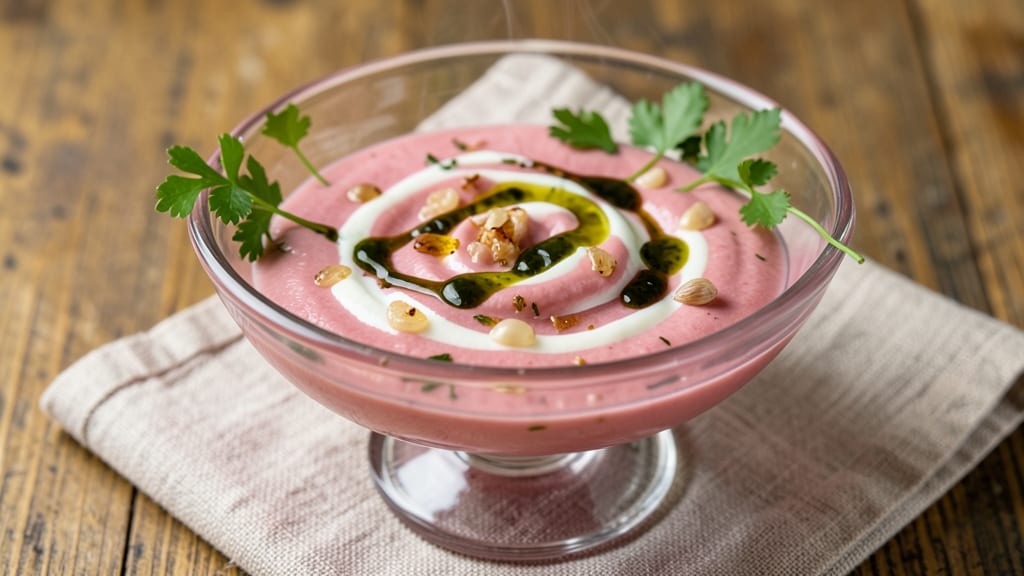
Creating a rosée sauce recipe that delivers velvety texture and rich flavor is my go-to technique for elevating everything from seafood to salads. This creamy garlic-herb velouté transforms simple ingredients into a restaurant-worthy sauce with just 20 minutes of active time.
The secret lies in proper reduction and emulsification, which I perfected after years of testing different ratios.
What makes this sauce truly special is its versatility—it works as a dipping sauce for fried fish, a drizzle over grilled vegetables, or even a finishing touch for desserts like berry tarts. The wine reduction adds depth while keeping the sauce light enough to complement delicate flavors.
I developed this recipe during a particularly busy week when I needed something elegant yet effortless for dinner guests.
By the time you're done, you'll have a silky-smooth sauce with just the right balance of garlic, herbs, and richness. The emulsion stays stable even when reheated, making it perfect for meal prep. This isn't just another creamy sauce—it's a game-changer that transforms ordinary meals into something memorable.
The best part? It keeps beautifully in the refrigerator for up to 5 days, allowing you to make a big batch and use it throughout the week.
Whether you're serving it at a dinner party or keeping it on hand for quick weeknight meals, this sauce delivers professional results without the fuss.
Ingredients for rosee sauce
Simple ingredients that transform into velvety elegance for any dish.
| Ingredient | Amount | Notes |
|---|---|---|
| Extra-Virgin Olive Oil 🫒 | ¾ cup | High-quality, fruity variety preferred |
| Shallots 🧅 | ½ cup | Finely minced, 2-3 medium shallots |
| Garlic Cloves 🧄 | 6 cloves | Freshly minced, not pre-minced jarred |
| Dry White Wine 🍷 | 1 cup | Sauvignon Blanc or Pinot Grigio |
| Heavy Cream 🥛 | 1 cup | Full-fat for best texture |
| Fresh Parsley 🌿 | ¼ cup | Finely chopped, stems removed |
| Fresh Tarragon 🌿 | 2 tbsp | Chopped, or substitute 1 tbsp dried |
| Fresh Chives 🌱 | 2 tbsp | Finely chopped, for brightness |
| Unsalted Butter 🧈 | ¼ cup | Cold, cubed for emulsification |
| Diamond Crystal Kosher Salt 🧂 | ½ tsp | Adjust to taste, don't skip |
| Freshly Ground Black Pepper 🌶️ | ¼ tsp | Freshly cracked for best flavor |
The wine is non-negotiable here—look for a crisp, dry white like Sauvignon Blanc from a reputable producer. Trader Joe's or local wine shops often have great affordable options. If you're using a leftover bottle, make sure it's not oxidized or corked. The shallots and garlic should be fresh and vibrant, not shriveled or sprouting. I always grab extra parsley—half goes in the sauce, half gets sprinkled on top at the end for that restaurant touch. For the tarragon, fresh is ideal, but if you're in a pinch, dried works at one-third the amount.
No white wine? Substitute chicken stock with a splash of lemon juice—it won't be identical, but it'll work in a pinch. Heavy cream too expensive? Half-and-half plus a splash of milk keeps it creamy without breaking the bank. Fresh herbs wilt fast, so store them in a damp paper towel in the fridge if prepping ahead. The butter needs to be cold and cubed—don't melt it first, or your sauce will seize up. If you're making this ahead, the wine reduction can be done separately and reheated before adding the cream.
This sauce keeps beautifully for 5 days in the fridge, sealed tightly with plastic wrap pressed directly on the surface to prevent a skin. For longer storage, freeze in ice cube trays—thaw and reheat gently for perfect texture. I always make a double batch because it disappears fast. The emulsion holds up well when reheated, but if it breaks, just whisk in a splash of cold water or more heavy cream to restore it. Perfect for meal prep—just reheat and drizzle.
Why You'll Love This Recipe
- No Wine Waste: I swear by this trick—use whatever dry white you have open. That leftover Sauvignon or Pinot Grigio? Perfect. The acidity cuts through the cream like a dream, and you won’t regret it.
- Foolproof Creamy Magic: Between us, heavy cream and white wine is basically flavor insurance. You’ll get that velvety, restaurant-worthy finish without needing a culinary degree. Just simmer, reduce, and let the olive oil tie it all together.
- Pasta’s Best Friend: This sauce clings to everything—pasta, grilled chicken, even toasted bread. I’ve served it at casual dinners and potlucks, and no one ever asks what’s in it. (Spoiler: It’s the shallots, finely minced.)
- Budget Luxury: Shallots and garlic are cheap, but they make this taste like a splurge. A splash of wine and a handful of cream stretch a little way, and the leftovers? Even better the next day. My wallet thanks me.
Step-by-step instructions for rosée sauce recipe
This velouté comes together with elegant simplicity—rich, velvety, and bursting with herbaceous brightness.
Sauté Shallots and Garlic Until Translucent
Heat the 0.75 cup extra-virgin olive oil in a medium saucepan over medium-low heat. Add the 0.5 cup finely minced shallots and cook, stirring occasionally, until completely soft and translucent—about 8-10 minutes. This slow cooking prevents burning and develops their natural sweetness.
Push the shallots to the sides of the pan and add the 6 cloves freshly minced garlic. Cook for 30-45 seconds until fragrant but not browned. Here's the thing—garlic burns in seconds, so keep a close eye. If it starts to darken, remove the pan from heat and let it cool slightly before continuing.
Deglaze with White Wine and Reduce
Pour in the 1 cup dry white wine and increase heat to medium-high. Scrape up any browned bits from the bottom of the pan with a wooden spoon—this releases flavor that would otherwise go to waste. Let the wine simmer vigorously until reduced by half, about 5-7 minutes. You're looking for a syrupy consistency that coats the back of a spoon.
This reduction step concentrates the wine's flavors and removes the alcohol, which can be harsh in the finished sauce. If you smell any lingering alcohol, let it reduce another minute or two. The sauce should smell like a cross between sweet shallots and crisp white wine.
Build the Creamy Base
Lower the heat to medium-low and whisk in the 1 cup heavy cream and 0.25 cup cold cubed unsalted butter. The butter should melt slowly, creating a silky emulsion. Stir constantly for 3-4 minutes until the sauce thickens slightly but remains pourable. You're aiming for a velouté that coats a spoon but still flows easily—think of it like a luxurious, herby custard.
Here's where the magic happens: the cold butter cubes emulsify the cream, creating that signature creamy texture. If the sauce gets too thick, whisk in 1-2 tablespoons of hot water to adjust the consistency. The sauce should be smooth enough to dip bread in but still cling to it.
Season and Finish with Herbs
Remove the pan from heat and stir in the 0.5 tsp diamond crystal kosher salt, 0.25 tsp freshly ground black pepper, 0.25 cup finely chopped fresh parsley, 2 tbsp chopped fresh tarragon, and 2 tbsp chopped fresh chives. Let the sauce sit off heat for 5 minutes to allow the flavors to meld. This resting period lets the herbs infuse fully without wilting in the heat.
Taste and adjust seasoning—you might need a pinch more salt or pepper to balance the herbal notes. The sauce should taste bright, herbal, and rich, with the wine's acidity cutting through the creaminess. If it needs more depth, a splash of lemon juice or a pinch of sugar can help. Serve immediately for the ultimate dipping experience!
Pro Tips For Making Rosee Sauce
- Sweat Shallots Slow: I learned this the hard way—rushing the shallots turns them bitter and ruins the sauce’s delicate flavor. Use low heat and let them cook for 8-10 minutes until they’re soft, golden, and nearly translucent. No need to rush; patience here makes all the difference.
- Deglaze Immediately: As soon as you add the white wine, scrape up every browned bit from the pan with a wooden spoon. Those bits hold flavor, and skipping this step means a duller sauce. Let the wine reduce by half before moving on—don’t walk away.
- Whisk the Cream: Heavy cream can curdle if it hits hot liquid too fast. Temper it first by whisking in a splash of the reduced wine mixture before adding it all at once. Or, for lazy nights, warm the cream separately until steaming (not boiling) before combining.
- Salt the Wine: A pinch of salt in the white wine as it reduces cuts bitterness and balances the sauce’s richness. I used to skip it, but now I add it early—it’s a tiny effort that smooths out the final texture. No need to overthink it; just a quarter teaspoon does the trick.
Regional styles of this dish
French Velouté Tradition
This rosée sauce traces its roots to classic French velouté techniques, where white wine reductions form the base for creamy sauces. In Provence, cooks often use dry white wines like Picpoul de Pinet for their bright acidity, which cuts through the richness beautifully.
I first fell in love with this style during a trip to Nice, where the sauce was drizzled over grilled sea bass with lemon zest. The key difference here is the herb blend—French versions often use tarragon and parsley for that signature anise-like note. 🍷
Italian Lemon-Herb Twist
Southern Italian cooks transform this sauce into a zitronata variation by adding lemon zest and juice to the wine reduction. I adapted this technique by swapping the white wine for a dry Vermentino and adding ½ cup freshly squeezed lemon juice during the reduction phase.
The result is a tangier, more vibrant sauce perfect for grilled shrimp skewers or caprese salads. Fresh basil replaces tarragon in this version, adding a peppery brightness.
Spanish Aioli-Inspired
In Catalonia, this sauce evolves into a romesco-inspired velouté by incorporating roasted red peppers and smoked paprika. I've made a hybrid version where I blend ½ cup roasted red pepper purée into the wine reduction before adding cream.
The smoky depth pairs wonderfully with fried cod or patatas bravas. For extra richness, I stir in 1 tbsp of almond butter at the end—it sounds unusual, but it adds a nutty complexity that balances the creaminess. 🌶️
Pacific Northwest Adaptation
Drawing from my Portland roots, I developed a local twist using Oregon Pinot Noir instead of white wine for the reduction. The earthy notes complement the region's abundant wild salmon and Dungeness crab.
I also add fresh dill and chervil to the herb blend, which grow beautifully in Pacific Northwest gardens. This version works perfectly as a dipping sauce for fish tacos or a drizzle over grilled asparagus with shaved fennel.
Modern Fusion Approach
For a contemporary take, I've experimented with a miso-white wine reduction as the base. Start by reducing the wine with 1 tbsp white miso paste before adding cream. The umami depth elevates the sauce to new heights, making it ideal for sushi rolls or beef tartare.
I also incorporate microgreens as a garnish for that restaurant-quality presentation. This fusion version keeps all the elegance but adds unexpected depth that foodies love. 💡
Nutrition facts
Frequently asked questions
What's the best white wine to use if I don't have Sauvignon Blanc?
Pinot Grigio or Chardonnay work beautifully as substitutes. For extra brightness, try a crisp Albariño—its citrus notes complement the herbs perfectly. Avoid oaked Chardonnays, as they can make the sauce taste overly buttery. If you're using a leftover bottle, just ensure it's dry and not oxidized.
Can I make this sauce ahead of time?
This sauce keeps for 5 days in the fridge when stored properly. For longer storage, freeze it in ice cube trays—thaw and reheat gently over low heat, whisking constantly to restore its silky texture. The emulsion holds up well, but avoid boiling it to prevent separation.
Why did my sauce turn grainy or separate?
This usually happens if the butter melts too quickly or the sauce gets too hot. To fix it, whisk in 1-2 tablespoons of cold water or heavy cream while stirring constantly over low heat. The cold liquid helps re-emulsify the sauce. For prevention, always add cold cubed butter and keep heat at medium-low.
What are the best dishes to serve this sauce with?
This velouté shines with grilled fish or seafood, roasted vegetables, or as a dipping sauce for crusty bread. It also works beautifully drizzled over salads or paired with steak for a rich but balanced flavor. The herbal notes make it especially good with delicate proteins like sole or scallops.
Can I substitute heavy cream with something lighter?
Yes! For a lighter version, use half-and-half mixed with 2 tablespoons of milk—it'll still be creamy but less rich. If you're avoiding dairy entirely, coconut cream works but may alter the flavor slightly. Always whisk the sauce vigorously when adding dairy substitutes to ensure proper emulsification.