
Sauces & Condiments
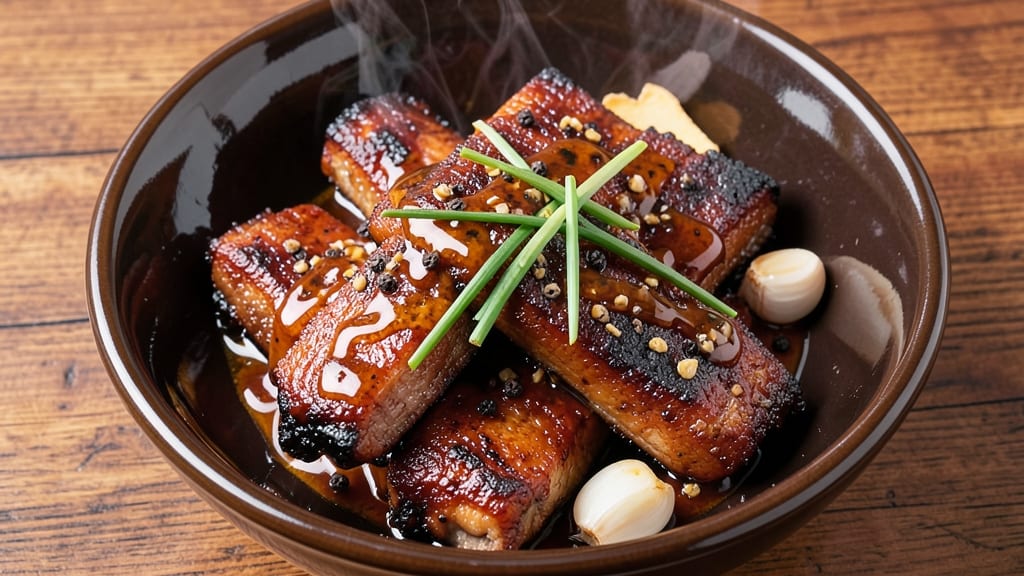
This spare ribs with oyster sauce Panlasang Pinoy recipe delivers the perfect balance of sweet, savory, and umami that makes Filipino comfort food unforgettable.
The secret lies in caramelizing the oyster sauce into a glossy glaze that clings to every rib, while traditional techniques ensure tender meat that falls apart with just a fork.
I first discovered this method while cooking for a group of friends who couldn’t believe how restaurant-quality the results were—all from a home kitchen.
The process begins with a simple marinade that tenderizes the ribs overnight, then moves to either grilling or braising until perfectly cooked. The real magic happens when the oyster sauce transforms into a sticky-sweet glaze through slow caramelization, creating those irresistible charred edges that define Panlasang Pinoy dishes.
This method works equally well with baby back or St. Louis-style ribs, making it adaptable for any home cook.
By the time you serve these ribs, you’ll have a dish that’s rich, aromatic, and packed with layered flavors—juicy meat, caramelized sauce, and just the right amount of heat. The ribs pair beautifully with steamed rice and sautéed vegetables, completing a meal that feels both indulgent and deeply satisfying.
Whether you're feeding a crowd or treating yourself, this recipe delivers professional results with minimal fuss.
What sets this method apart is the balance of sweetness from the sauce and the savory depth of the ribs, a hallmark of Filipino cuisine. The glaze isn’t just sticky—it’s complex, with notes of soy, garlic, and a touch of heat that lingers on the palate.
Ready in about 3 hours (including marinating), this recipe is perfect for weekend dinners or special occasions when you want to impress without spending all day in the kitchen.
Ingredients for spare ribs with oyster sauce panlasang pinoy
Sixteen essential ingredients transform simple ribs into restaurant-quality Panlasang Pinoy masterpiece.
| Ingredient | Amount | Notes |
|---|---|---|
| Spare Ribs 🍖 | 4 lb | Baby back or St. Louis-style, membrane removed |
| Oyster Sauce 🍲 | ½ cup | High-quality, like Lee Kum Kee |
| Brown Sugar 🍯 | ½ cup | Packed, light or dark |
| Soy Sauce 🥫 | ¼ cup | Japanese or Filipino-style preferred |
| Garlic Cloves 🧄 | 8 cloves | Minced, fresh preferred |
| Ginger 🌿 | 1 tbsp | Fresh, grated finely |
| Calamansi Juice 🍋 | ¼ cup | Or substitute lime juice |
| Black Peppercorns 🌶️ | 1 tsp | Freshly cracked preferred |
| Sesame Oil 🫒 | 1 tbsp | Toasted, for aroma |
| Vegetable Oil 🫒 | ¼ cup | For braising, high smoke point |
| White Wine Vinegar 🍶 | 1 tbsp | For acidity balance |
| Salt 🧂 | 1 ½ tsp | Kosher or sea salt |
| Green Onions 🧅 | 4 whole | Sliced, for garnish |
| Fresh Chili Peppers 🌶️ | 2 whole | Sliced, optional for heat |
The ribs are the foundation, so choose St. Louis-style for meatier cuts or baby back for milder flavor. Asian markets often carry the best quality, but any reputable grocery store's meat section will work. Look for ribs with good marbling and vibrant color—Lee Kum Kee oyster sauce is non-negotiable for authentic flavor, though Wok Sauce works in a pinch. The garlic and ginger should be fresh, with no signs of sprouting or drying out. For the calamansi, Filipino markets sell it fresh, but lime juice will give you similar acidity if you can't find it.
No oyster sauce? Hoisin sauce mixed with a dash of soy sauce approximates the depth, though it won't have the same umami complexity. Substitute brown sugar with honey or maple syrup, but reduce other liquids slightly since these are thicker. Fresh ginger can be swapped for powdered at one-third the amount, but you'll lose some of that bright, zesty kick. The sesame oil is purely for aroma—use sparingly or omit entirely if you dislike its flavor. For the ribs, pork tenderizer enzyme powder (1 tsp) in the marinade helps break down fibers faster if you're short on time. The chili peppers can be omitted entirely or replaced with a pinch of cayenne for heat without texture.
Marinate the ribs overnight in the fridge for maximum tenderness. The sauce can be made a day ahead and reheated gently—it actually improves in flavor as it sits. Store leftover ribs in an airtight container for up to 3 days in the fridge, though they reheat best when covered with foil in a 350°F oven for 10-15 minutes. The sauce freezes beautifully for up to 3 months, making it perfect for batch cooking. For presentation, arrange ribs on a platter with sauce spooned over the top and garnish with green onions and chili slices. Serve with steamed jasmine rice to soak up every last bit of that caramelized glaze.
Why You'll Love This Recipe
- Foolproof Simplicity: I swear by this recipe because it’s the kind of meal that doesn’t need a grocery list or a fancy technique—just ribs, a splash of oyster sauce, and a few pantry staples. Honestly, I’ve made it after work while scrolling through my phone, and it still comes out rich and sticky.
- Sweet-Savory Magic: That balance of oyster sauce’s umami and brown sugar’s caramelized bite? It’s like a hug in a pan. The garlic cloves sizzling in the oil first set the stage for something dangerously addictive—no fancy spices, just pure, bold satisfaction.
- Weeknight to Party: Between us, this is my go-to for lazy Mondays and when my in-laws drop by unannounced. The sauce clings to the ribs so well that even leftovers taste like a fresh batch—just reheat and serve. (Yes, even on a Tuesday night.)
- Budget-Friendly Feast: I buy ribs in bulk, and this recipe stretches them across three meals without breaking the bank. The oyster sauce and soy sauce do the heavy lifting, so you’re not drowning in expensive ingredients—just smart, flavor-packed leftovers that keep everyone happy.
Step-by-step instructions for spare ribs with oyster sauce
Here's how to create perfectly caramelized spare ribs with a rich, sweet-savory glaze.
Prepare the Ribs and Marinade Base
In a large bowl, combine the 4 lb spare ribs, 0.5 cup oyster sauce, 0.25 cup soy sauce, 0.5 cup brown sugar, 1 tbsp ginger, 8 cloves minced garlic cloves, 1 tbsp white wine vinegar, 1.5 tsp salt, and 1 tsp cracked black peppercorns. Mix thoroughly until the ribs are well-coated and the marinade clings evenly. I like to use my hands for this step to ensure every crevice gets flavor.
Transfer the ribs to a resealable plastic bag and marinate in the refrigerator for at least 4 hours, or preferably overnight. This extended marinating time allows the flavors to penetrate deeply and tenderizes the meat. The ribs should develop a sticky, glaze-like coating from the marinade.
Sear the Ribs for Maximum Flavor
Heat 0.25 cup vegetable oil in a large Dutch oven or heavy pot over medium-high heat until shimmering. Working in batches if needed, add the marinated ribs and sear for 3-4 minutes per side until they develop a deep golden-brown crust. This step is crucial for building flavor—don't rush it, even if it means working in batches.
Once all ribs are seared, remove them from the pot and set aside. You'll notice the marinade has caramelized slightly on the bottom of the pot—that's pure flavor we'll use later. Reduce the heat to medium and carefully pour in 0.25 cup calamansi juice, scraping up all those browned bits with a wooden spoon. Let this simmer for 2-3 minutes to deepen the sauce's richness.
Braise Until Fork-Tender
Return the ribs to the pot, bone-side down, and add just enough water to come about halfway up the ribs—approximately 2 cups. Bring to a gentle simmer, then reduce heat to maintain a low bubble (around 300°F). Cover partially with a lid and braise for 2 hours, turning the ribs occasionally to ensure even cooking.
After 2 hours, check for tenderness by inserting a fork into the thickest part of a rib. If it slides in easily with minimal resistance, they're ready. If not, continue braising for another 30-45 minutes. The ribs should be falling off the bone but still hold together when sliced. The sauce should have thickened into a glossy, sticky glaze.
Finish with Sesame Oil and Garnish
Remove the ribs from the pot and transfer them to a serving platter. Drizzle generously with 1 tbsp sesame oil, massaging it into the ribs to enhance their aroma and add a nutty depth of flavor. The sesame oil should sizzle slightly when it hits the hot ribs—that's your signal it's working.
Garnish with 4 sliced green onions and 2 sliced fresh chili peppers (if using). Serve immediately with the reduced braising sauce spooned over the top. The ribs should have a beautiful caramelized glaze with a balance of sweet, savory, and slightly tangy notes from the calamansi juice.
Pro Tips For Making Spare Ribs With Oyster Sauce Panlasang Pinoy
- Sear Ribs First: Hit the ribs with high heat in a dry pan for 3-4 minutes per side before adding sauce—this locks in flavor and prevents them from turning mushy when simmering. I used to skip this and ended up with ribs that absorbed too much liquid and lost their bite.
- Blend Garlic Right: Mince the garlic finely (almost paste-like) so it dissolves into the sauce instead of sitting as chunks—this recipe relies on that deep umami punch. My grandmother swore by this, and she was right: uneven garlic ruins the harmony.
- Simmer, Don’t Boil: Keep the sauce at a gentle bubble (small, occasional bubbles) after adding the ribs—boiling turns the sauce thin and the ribs rubbery. I learned this the hard way after ruining a batch by cranking the heat too high.
- Deglaze with Soy: After searing the ribs, splash in 2 tablespoons of soy sauce before adding the oyster sauce—this scrapes up all the browned bits (fond) that pack serious flavor. Sounds weird, but it works: the sauce ends up richer and deeper.
Common mistakes when making this recipe
Over-Marinating Risks
The ribs need that overnight soak to tenderize, but I’ve ruined a batch by leaving them marinated too long—more than 24 hours. The meat can start breaking down too much, turning mushy when cooked.
I now set a timer for 18-24 hours max in the fridge. Also, if you use a plastic bag, make sure it’s sealed tightly to prevent leaks that dilute the marinade. 🍖
Skipping the Sear
Some recipes suggest skipping the sear and going straight to braising, but I’ve found this is a huge mistake. That 3-4 minute sear on each side creates the Maillard reaction, which builds deep, caramelized flavor.
Without it, your ribs will taste flat and lack that restaurant-quality richness. Use a heavy Dutch oven—I love my Lodge cast iron—to ensure even heat distribution.
Underestimating Braise Time
Patience is key here, but I’ve seen people pull ribs out too soon because they’re impatient. The ribs should be fork-tender, meaning they should fall apart easily with minimal resistance.
If you cut into them and they’re still tough, return them to the pot and braise another 30-45 minutes. Rushing this step is the fastest way to end up with chewy ribs instead of melt-in-your-mouth perfection. 🐢
Ignoring the Sauce Reduction
The sauce’s caramelization is what makes this dish special, but I’ve seen people skip the 2-3 minute reduction with calamansi juice after searing. Those browned bits on the pot’s bottom are pure flavor—scraping them up and simmering the sauce transforms it from good to extraordinary.
Don’t rush this step; let it bubble gently to develop that glossy, sticky texture.
Overcrowding the Pot
When searing, I’ve made the mistake of trying to cook all the ribs at once, which causes the temperature to drop and steams them instead of searing. Work in batches, even if it takes a little longer.
The same goes for braising—leave enough space between ribs so the heat circulates properly. Crowding leads to uneven cooking and a soggy texture.
Forgetting the Sesame Oil Finish
This might seem like a small detail, but drizzling sesame oil over the ribs at the end adds a nutty aroma that elevates the dish. I’ve served these ribs without it, and while they’re still delicious, that final touch makes all the difference.
Massage it into the ribs while they’re hot—you’ll hear a slight sizzle, which means it’s working its magic. 💫
Nutrition facts
Frequently asked questions
Can I substitute oyster sauce in this recipe?
Yes, but the flavor will change slightly. For a similar umami depth, mix ¼ cup hoisin sauce with 1 tbsp soy sauce. If you can't find either, a blend of ¼ cup soy sauce and 1 tbsp brown sugar works in a pinch. The sauce won't be as complex, but it'll still deliver that sweet-savory balance.
How do I know when the ribs are fully cooked?
They're done when they're fork-tender—meaning they should fall apart easily with minimal resistance. Insert a fork into the thickest part of a rib; if it slides in like butter, they're ready. The internal temperature should reach 195°F in the thickest part. If they're still tough, return them to the pot for 30-45 more minutes. Patience here is key!
Can I make this recipe in a slow cooker?
Skip the searing step and place the marinated ribs directly in the slow cooker with 1 cup water. Cook on low for 6-8 hours or high for 4-5 hours, then finish by reducing the sauce on the stovetop. The slow cooker method is perfect for hands-off cooking, though the texture will be slightly less caramelized.
What sides pair best with these ribs?
Steamed jasmine rice is a must—it soaks up the sticky glaze beautifully. For extra flavor, try garlic sautéed green beans or a simple Filipino-style atchara (pickled papaya) for contrast. A crisp salad with lime dressing cuts through the richness, while bagoong (Filipino shrimp paste) adds a tangy kick if you're feeling adventurous.
How do I store leftovers?
Store ribs in an airtight container in the fridge for up to 3 days. Reheat covered with foil in a 350°F oven for 10-15 minutes to retain moisture. For longer storage, freeze the ribs (without sauce) for up to 3 months. Thaw overnight in the fridge before reheating. The sauce freezes well separately for up to 3 months—just reheat gently on the stove.