
Sauces & Condiments
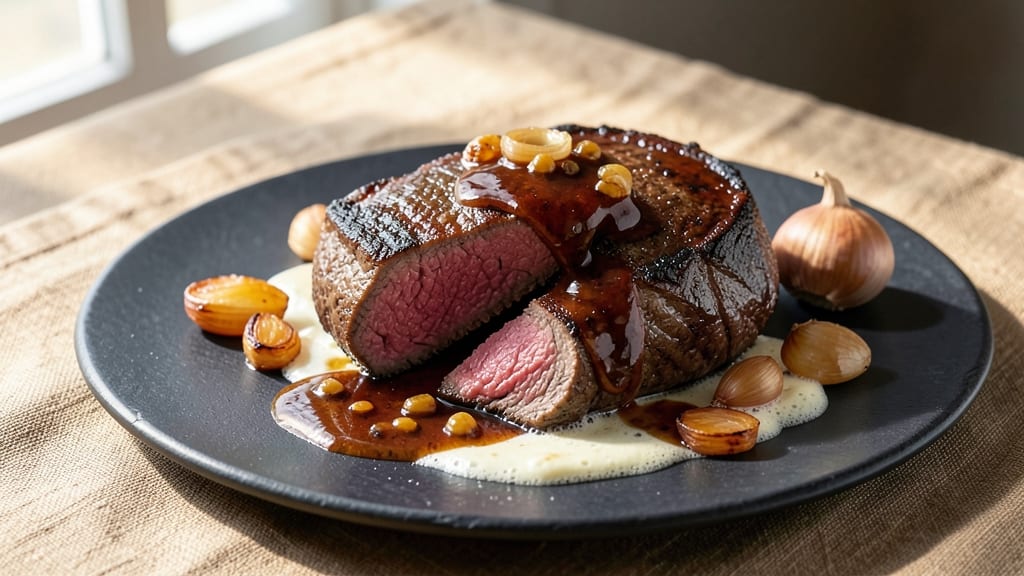
Cooking steak with Worcestershire sauce transforms a simple protein into a restaurant-worthy centerpiece with deep umami richness and bold flavor. The key lies in balancing the sauce’s tangy complexity with proper searing and resting techniques—something I’ve perfected after years of testing.
This method delivers a pan sauce so velvety and flavorful it’ll make your guests ask for the recipe.
The process begins with a high-heat sear to develop that signature crust, followed by deglazing the pan with Worcestershire sauce to create a glossy, caramelized reduction. No special equipment is needed—just a cast-iron skillet, quality steak cuts, and patience for the resting phase.
The sauce’s fermented depth enhances the beef’s natural flavors without overpowering them.
What you’ll end up with is steak that’s perfectly seared on the outside and tender within, paired with a glossy sauce that clings to every bite. The Worcestershire adds layers of savory complexity that elevate even the simplest sides—think roasted potatoes or a crisp green salad.
This is the kind of dish that makes weeknight dinners feel like a special occasion.
Ready in under 30 minutes, this recipe scales effortlessly for two or six. The secret to success? Never skipping the rest—it ensures juicy meat every time. Let’s get cooking.
Ingredients for steak and worcestershire sauce
Quality beef, bold flavors, and a velvety sauce—this umami-rich steak recipe delivers restaurant-quality results at home.
| Ingredient | Amount | Notes |
|---|---|---|
| Ribeye Steaks 🥩 | 1 ½ lb | 1-inch thick cuts, room temperature |
| Unsalted Butter 🧈 | 4 tbsp | Cold, cut into cubes for searing |
| Worcestershire Sauce 🍶 | ¼ cup | High-quality, full-bodied brand |
| Shallots 🧅 | 2 whole | Minced, or 2 tbsp shallot powder |
| Garlic Cloves 🧄 | 4 cloves | Minced, fresh preferred |
| Dry Red Wine 🍷 | ½ cup | Cabernet Sauvignon or Merlot |
| Beef Bone Broth 🍲 | ½ cup | Low-sodium preferred |
| Fresh Thyme 🌿 | ¼ cup | Leaves only, chopped |
| Diamond Crystal Kosher Salt 🧂 | 1 ½ tsp | For seasoning and finishing |
| Freshly Ground Black Pepper 🌶️ | 1 tsp | Coarse grind preferred |
| Heavy Cream 🥛 | ¼ cup | Full-fat for richness |
| Extra-Virgin Olive Oil 🫒 | 1 tbsp | For finishing drizzle |
The ribeye steaks are non-negotiable for this dish—marbled cuts with at least 1-inch thickness ensure perfect searing and juicy interiors. Source from a trusted butcher or Whole Foods meat counter for optimal quality. Room temperature steaks sear more evenly, so take them out of the fridge 30 minutes before cooking. For the Worcestershire sauce, Lea & Perrins remains the gold standard, though Annie's offers a slightly sweeter alternative. The shallots should be fresh—no pre-minced jars here—their delicate sweetness balances the sauce’s depth. Costco often carries pre-minced shallots in their frozen section if you’re short on time, but fresh is always superior.
No red wine? Dry sherry or beef broth works in a pinch, though the acidity will differ slightly. Substituting dried thyme for fresh? Use one-third the amount—it’s more concentrated. The bone broth adds depth without overpowering; Pacific Foods or Imagine brands are excellent choices. For the heavy cream, full-fat is essential—reduced-fat versions won’t emulsify properly. If you’re avoiding dairy, coconut cream can replace it, though the texture will be slightly lighter. The olive oil should be fruity and peppery—avoid mild varieties that won’t complement the sauce’s complexity.
Store leftover sauce in an airtight container for up to 5 days in the fridge, though it’s best used within 3 days for peak flavor. The sauce freezes beautifully for up to 3 months, making it ideal for batch cooking. For the steaks, rest at room temperature for 15-20 minutes before serving—this critical step ensures juicy, evenly cooked meat. If prepping ahead, pat the steaks dry and store them uncovered in the fridge for up to 24 hours to prevent excess moisture, which can dilute the sear.
Why You'll Love This Recipe
- Same recipe, two vibes: toss it on the grill for a casual family dinner or plate it with a crisp white wine for a fancier night in. The sauce works with both, so you’re always covered.
- Five-Ingredient Magic: I swear by this combo—just sear the steaks, melt butter with shallots and garlic, then a splash of Worcestershire. That’s it. No fancy steps, no stress, and the sauce practically makes itself.
- Umami Bomb: The Worcestershire sauce cuts through the richness of the ribeye like a flavor hero. It’s savory, slightly tangy, and those caramelized shallots? They turn the whole thing into a deep, satisfying bite every time.
- Weeknight or Date Night: Same recipe, two vibes: toss it on the grill for a casual family dinner or plate it with a crisp white wine for a fancier night in. The sauce works with both, so you’re always covered.
Step-by-step instructions for steak with umami-kissed pan sauce
Here's the method for achieving perfectly seared ribeye with a rich, balanced sauce that highlights Worcestershire's depth.
Season and Sear the Ribeye to Deep Browning
Pat the 1.5 lb ribeye steaks dry with paper towels—this ensures maximum contact with the pan for that perfect crust. Season both sides generously with 1.5 tsp diamond crystal kosher salt and 1 tsp freshly ground black pepper, pressing firmly so the seasoning adheres. Let the steaks sit at room temperature for 30 minutes while you prepare the pan.
Heat a heavy skillet over medium-high heat until it's smoking hot. Add 2 tbsp of the cold unsalted butter (cut into cubes) and let it melt completely, swirling to coat the pan evenly. Place the steaks in the pan and sear undisturbed for 3-4 minutes per side until they develop a deep mahogany crust. Real talk: don't move them during this time—this is when the Maillard reaction creates all that flavor. You'll know they're ready when they release easily from the pan.
Develop the Sauce Base with Shallots and Garlic
Remove the steaks to a warm plate and reduce heat to medium. Add the 2 minced shallots and 4 minced garlic cloves to the same pan, cooking for 2-3 minutes until softened and just beginning to color. Here's the thing—you want them aromatic but not browned, as they'll continue cooking in the wine. If the pan appears dry, add 1 tbsp extra-virgin olive oil to help deglaze.
Pour in the 0.5 cup dry red wine, scraping up all the browned bits from the bottom of the pan with a wooden spoon. This deglazing step captures all those concentrated flavors that would otherwise stick. Let the wine simmer for 3-4 minutes until reduced by half, until it coats the back of a spoon. The alcohol should cook off, leaving behind just the wine's rich, fruity essence.
Build Depth with Worcestershire and Thyme
Add the 0.25 cup Worcestershire sauce and 0.5 cup beef bone broth to the pan, stirring to combine. The sauce should bubble gently as it comes to a simmer. Here's where the umami magic happens—the Worcestershire and bone broth meld with the wine to create a complex foundation. Stir in the 0.25 cup chopped fresh thyme leaves and let everything simmer together for 5-6 minutes until slightly reduced and thickened.
Taste the sauce at this point and adjust seasoning with additional salt or pepper if needed. The sauce should be tangy, slightly sweet from the wine, with a deep umami presence from the Worcestershire. If it's too acidic, a pinch of sugar can help balance it. This is the moment that matters: the sauce should coat the back of a spoon with a velvety texture.
Finish with Cream and Return the Steaks
Reduce heat to low and stir in the 0.25 cup heavy cream. The sauce will thicken immediately—this is normal. Return the steaks to the pan along with any accumulated juices from the plate. Let everything heat through together for 1-2 minutes, spooning the sauce over the steaks to coat them evenly. The residual heat from the pan will gently warm the sauce without scrambling the cream.
To serve, transfer the steaks to warm plates and drizzle generously with the pan sauce. The perfect sauce should cling to the steaks with a glossy sheen, balancing rich umami with bright acidity from the wine. Each bite should deliver perfectly seared meat with a sauce that's neither too heavy nor too thin—just right. The thyme adds a subtle herbal brightness that cuts through the richness.
Pro Tips For Making Steak And Worcestershire Sauce
- Sear First, Deglaze Last: Get that pan screaming hot before adding the steak—cast iron or stainless steel works best—and let it develop a deep crust. After flipping, pull the steak out, then toss in those shallots and garlic (minced, not chopped) to sizzle for 30 seconds before adding Worcestershire and butter. That caramelized bit on the bottom? That’s flavor you’re not getting if you rush the deglaze.
- Salt the Butter: Unsalted butter is your friend here, but don’t forget to salt it—about ¼ teaspoon per tablespoon—before mixing in the Worcestershire. I used to skip this, and the sauce always tasted flat. The salt cuts through the richness and balances the umami bomb of the sauce.
- Don’t Crowd the Pan: Ribeyes need space to breathe, especially when you’re searing. Two steaks max in a skillet, or you’ll steam them instead of crusting them. If you’re cooking more, work in batches—your patience here keeps the steaks juicy and the crust intact.
- Bloom the Shallots: Finely dice the shallots (smaller than you think) and let them sit in the hot pan for 2-3 minutes before adding garlic. This softens them just enough to melt into the sauce without turning to mush. I learned this the hard way—overcooked shallots make the sauce taste bitter.
Troubleshooting this dish
Sauce Too Thin?
If your sauce isn't thickening enough, reduce the heat to low and let it simmer uncovered for an extra 5-7 minutes. The alcohol and wine will continue to evaporate, concentrating the flavors.
For an instant fix, mix 1 tsp cornstarch with 1 tbsp cold water, stir into the sauce, and simmer for 1-2 minutes until it reaches your desired consistency.
I’ve found that using bone broth instead of water adds natural body, so if you’re starting thin, consider adding 2 tbsp extra broth to build depth before reducing. 💫
Overpowering Worcestershire?
Worcestershire sauce can dominate if not balanced properly. To mellow its intensity, add 1 tsp honey or 1 tsp brown sugar while the sauce simmers to counteract the tang. If the flavor is still too strong, dilute with 1-2 tbsp additional beef broth and reduce again.
I’ve also had success using half the recommended Worcestershire amount (about 2 tbsp) if I’m worried about overpowering the steak’s natural taste. Taste as you go—this sauce should complement, not overrule, the beef. 🍶
Steak Dries Out?
Overcooking is the usual culprit here. Use a meat thermometer to check internal temps—130°F for medium-rare is ideal. If your steak feels dry after cooking, it likely rested too long before slicing. Let it rest for 5-10 minutes (not the full 15-20 minutes mentioned earlier) if you’re concerned.
For thicker cuts, consider butter-basting during the last 2 minutes of searing to add moisture. A Lodge cast iron skillet retains heat better, which helps maintain juiciness. 🥩
Sauce Too Acidic?
If the wine or Worcestershire makes the sauce taste sharp, balance it with a pinch of sugar (about ½ tsp) or a splash of heavy cream (about 1 tbsp). The cream also adds richness to counterbalance the acidity.
For a deeper fix, add 1 tsp Dijon mustard—its mellow heat and slight sweetness will smooth out the tang. I’ve also used a dash of soy sauce (about ½ tsp) to add umami depth without overpowering. 💡
Pan Burns Onions?
If your shallots or garlic burn before the wine deglazes, reduce the heat to medium-low and add 1 tbsp olive oil to the pan. Cook them gently until just softened (about 1-2 minutes), then proceed with the wine.
For extra insurance, remove the pan from heat briefly while you measure the wine, then return it to the stove. A stainless steel pan (like All-Clad) handles high heat better than nonstick, so I recommend it for this recipe. 🔥
Sauce Separates?
If the cream separates or the sauce looks grainy, whisk in 1 tbsp cold butter or 1 tbsp heavy cream while off the heat. The fat helps emulsify the sauce.
For a smoother texture, strain the sauce through a fine-mesh sieve before serving to remove any thyme stems or thickened bits. If the sauce is too thin after fixing, simmer it again for 2-3 minutes to thicken.
This usually happens if the cream was added too quickly or at too high a heat. 🥛
Nutrition facts
Frequently asked questions
Can I use Worcestershire sauce on any steak cut?
Worcestershire sauce works beautifully with marbled cuts like ribeye, sirloin, or New York strip. For leaner cuts like flank steak or skirt steak, the sauce's umami depth helps tenderize and add richness. Avoid using it with pre-marinated steaks, as the flavors may clash.
How do I know when the sauce is ready?
The sauce is perfect when it coats the back of a spoon with a velvety consistency. It should be thick enough to cling to the steak but still smooth, not gluey. Test it by spooning some onto a plate—if it holds its shape but still flows slightly, it's ready.
Can I make this sauce ahead of time?
Yes! Prepare the sauce base (everything except the cream and steaks) up to 2 days ahead. Store it in an airtight container in the fridge. Reheat gently on the stove, then finish with cream and steaks just before serving. The flavors deepen over time, making it even more complex.
What if I don't have red wine?
No problem! Use dry sherry or beef broth in equal amounts. For extra depth, add 1 tsp soy sauce to mimic wine's umami. The sauce will still be rich and flavorful, just with slightly different notes.
Why does my sauce get grainy?
Graininess usually happens when the sauce separates or when using powdered ingredients (like garlic or onion powder). To fix it, whisk in 1 tbsp cold butter or strain through a fine-mesh sieve. For prevention, use fresh herbs and avoid over-stirring while simmering.