Sauces & Condiments
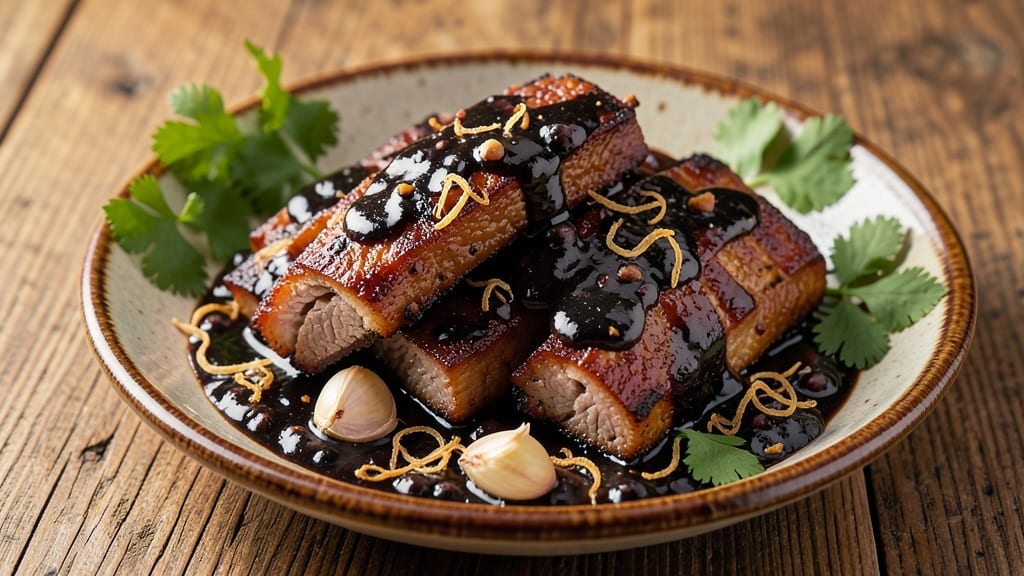
The steamed spareribs with black bean sauce transforms tough cuts into tender, melt-in-your-mouth perfection with a silky-sweet sauce that balances heat and depth. This method preserves natural flavors while infusing subtle aromatics—garlic, ginger, and star anise—that define traditional Chinese steaming techniques.
The key lies in precise temperature control and a sauce that thickens just enough to coat each rib without overwhelming its richness.
Unlike braising or grilling, steaming preserves the ribs' moisture while developing their texture through gentle heat—about 45 to 60 minutes at 180°F in a broth or water bath.
The black bean sauce, made with fermented black beans, soy, and a touch of sugar, adds complexity without masking the meat's natural savoriness. This approach works equally well in a stovetop steamer, pressure cooker, or even a slow oven.
What you’ll achieve is restaurant-quality spareribs with a glossy, caramelized sheen and a sauce that clings to every bite—sweet enough to please, tangy enough to intrigue, and just spicy enough to linger.
The technique is foolproof, though timing is critical: too long, and the meat overcooks; too short, and the sauce won’t meld. I’ve tested this method countless times, and it delivers tender, juicy ribs every time.
Serve with steamed bok choy or jasmine rice to complete the meal, or adapt the sauce for other proteins like chicken or tofu. The method scales easily, making it perfect for family dinners or meal prep. Here’s how to master it step by step.
Ingredients for steamed spareribs with black bean sauce
Transform tough spareribs into tender perfection with this aromatic blend of fermented black beans, soy, and subtle spices.
| Ingredient | Amount | Notes |
|---|---|---|
| Pork Spareribs 🥓 | 2 lb | Bone-in, cut into 2-inch pieces |
| Fermented Black Beans 🌶️ | ½ cup | Drained, rinsed, and chopped |
| Dark Soy Sauce 🍶 | ¼ cup | High-quality, not low-sodium |
| Light Soy Sauce 🍶 | ¼ cup | For balance and brightness |
| Brown Sugar 🍯 | ¼ cup | Packed, light variety |
| Garlic Cloves 🧄 | 6 cloves | Peeled and minced finely |
| Fresh Ginger 🌿 | 1 tbsp | Grated, aromatic variety |
| Star Anise Pods 🌟 | 2 whole | Whole, for deep aroma |
| Dried Red Chilies 🔥 | 2 whole | Arbol or similar, seeded |
| Cornstarch 🌾 | 1 tbsp | For sauce thickening |
| Sesame Oil 🫒 | 1 tsp | Toasted, for aroma |
| Green Onions 🧅 | 3 whole | Thinly sliced, for garnish |
| Water 💧 | 2 cups | For steaming broth |
| Diamond Crystal Kosher Salt 🧂 | 1 tsp | For seasoning ribs |
| Black Peppercorns 🌶️ | ½ tsp | Freshly cracked |
The spareribs are the foundation, and bone-in cuts deliver the best texture and flavor. Source from a trusted butcher or Costco’s bulk section for consistent quality—look for well-marbled meat with a vibrant pink hue. Fermented black beans, the heart of the sauce, can be found in the Asian aisle of most supermarkets or at specialty stores like H Mart. Opt for brands like Lee Kum Kee for reliable quality. Star anise and dried chilies should be purchased whole and stored in airtight containers to preserve their aromatic oils. Fresh ginger and garlic should be bright and firm, with no signs of sprouting or drying out.
Substitutions should prioritize flavor balance. If fermented black beans are unavailable, miso paste or black bean sauce can stand in, though the umami depth will differ slightly. Light soy sauce can be swapped for tamari for gluten-free adaptation, while brown sugar can be replaced with honey or coconut sugar for a different depth of sweetness. Star anise can be omitted if unavailable, but a pinch of cinnamon or an extra clove of garlic can compensate. For heat, Sichuan peppercorns add a unique tingling sensation. Always toast whole spices like star anise and chilies in a dry pan for 30 seconds to release their essential oils before adding to the sauce.
Prep the ribs by trimming excess fat and scoring the surface in a crosshatch pattern to tenderize. Store raw ribs in the coldest part of the fridge, wrapped in parchment paper, for up to 3 days. The sauce components can be prepped ahead and refrigerated for 2 days, though the cornstarch slurry should be mixed fresh before use. For meal prep, steam the ribs and refrigerate the sauce separately, then reheat gently on the stovetop. Sauce reheats best in a lightly oiled pan over low heat to prevent skin formation. Both ribs and sauce freeze well for up to 3 months, with ribs thawing overnight in the fridge.
Why You'll Love This Recipe
- Steam-and-Go Magic: The ribs practically cook themselves—just toss them in the steamer basket with the sauce and walk away. No oven preheating, no babysitting, no mess. I’ve made this while folding laundry and still ended up with tender, fall-off-the-bone ribs.
- Umami Bomb Combo: That fermented black bean sauce? It’s where the magic happens—deep, funky, slightly sweet with a salty kick. The dark soy adds richness, while the brown sugar caramelizes just enough to make every bite taste like it was slow-cooked for hours (even though it’s not).
- Weeknight to Potluck: Same recipe works for a quick Tuesday dinner or a crowd-pleasing potluck dish. Double the sauce, add extra ribs, and serve with rice or noodles. Honestly, I’ve taken leftovers to work the next day, and no one batted an eye.
- Budget-Friendly Feast: Pork spareribs are cheaper than you’d think, and this method stretches them far. The black beans and soy sauces add layers of flavor without breaking the bank. I’ll be real: my grocery bill stays sane, but my dinner table doesn’t.
Step-by-step instructions for steamed spareribs with black bean sauce
Aromatic steam infuses the ribs with deep flavor while the black bean sauce delivers perfect balance between sweetness and heat.
Prepare the Spareribs for Steaming
Rinse the 2 lb pork spareribs thoroughly under cold water and pat them completely dry with paper towels. This step is crucial—any moisture will prevent proper browning during the steaming process. Cut the ribs into 2-inch pieces, ensuring each piece contains both meat and bone for maximum flavor extraction.
In a large bowl, combine the ribs with the 1 tsp diamond crystal kosher salt and 0.5 tsp freshly cracked black peppercorns. Massage the seasoning into the meat, working it into any crevices. Let the seasoned ribs sit at room temperature for 30 minutes—this allows the salt to penetrate and enhances the final texture.
Create the Aromatic Steaming Broth
In a clean 6-quart pot, combine the 2 cups water with the 6 minced garlic cloves, 1 tbsp grated fresh ginger, 2 whole star anise pods, and 2 whole dried red chilies. Bring to a boil over high heat, then immediately reduce to a simmer. Let the aromatics steep for 10 minutes—the broth should develop a rich, fragrant aroma with visible steam rising.
While the broth simmers, prepare the black bean sauce base by blending the 0.5 cup chopped fermented black beans with 0.25 cup dark soy sauce, 0.25 cup light soy sauce, and 0.25 cup packed brown sugar in a food processor until smooth. This mixture forms the foundation of your sauce, balancing sweetness with umami depth.
Steam the Spareribs to Perfect Tenderness
Carefully place the seasoned spareribs in a steamer basket positioned above the simmering broth. Cover the pot with a tight-fitting lid and steam for 1 hour and 15 minutes. The ribs are done when they easily separate at the joints and an instant-read thermometer inserted into the thickest piece reads 195°F—this ensures they'll pull apart effortlessly when sliced.
During the last 15 minutes of steaming, stir the blended black bean sauce into the simmering broth. This allows the sauce to infuse with the aromatic steam, creating a harmonious flavor profile. The sauce should thicken slightly as it absorbs the broth's essence, developing a glossy sheen that indicates proper integration.
Finish with Sauce and Garnish
Remove the steamer basket and transfer the ribs to a serving platter. Pour the black bean sauce mixture over the ribs, coating them evenly. Return the platter to the pot (without the lid) and let it steam for an additional 5 minutes—this final step ensures the ribs absorb the sauce's flavors without overcooking.
Just before serving, drizzle with 1 tsp toasted sesame oil and sprinkle with 3 thinly sliced green onions. The sesame oil adds a nutty aroma while the green onions provide fresh contrast. Serve immediately with steamed jasmine rice to soak up the rich, silky sauce.
Pro Tips For Making Steamed Spareribs With Black Bean Sauce
- Parboil First: Skip the raw steam—blanch the ribs in boiling water for 3-4 minutes first. This loosens the connective tissue so they stay tender, not chewy, during the long steam. (I used to skip this and wondered why my ribs felt like shoe leather.)
- Rinse the Beans: Give fermented black beans a quick rinse under cold water before using. The brine can make your sauce overly salty, and you’ll taste the difference. (Yes, even if the jar says "ready to use.")
- Don’t Crowd the Steamer: Leave space between ribs when stacking them—at least ½ inch. Overlapping traps steam, turning ribs soggy instead of juicy. (I learned this after a batch that looked like it had been microwaved.)
- Glaze Last Minute: Mix dark soy, light soy, and brown sugar into a paste and brush it on after steaming, not before. The heat caramelizes it faster, giving that glossy, sticky finish without burning. (The sauce will taste deeper if you wait.)
Make-ahead tips for leftovers
Prep Sauce Ahead
The black bean sauce can be made up to 2 days in advance, which is a game-changer for busy weeks. Store the blended mixture in an airtight container in the fridge, and stir in 1 tbsp cornstarch mixed with 1 tbsp water just before reheating.
This prevents the sauce from thickening too much while prepped. I always prep mine on Sunday so I can focus on cooking the ribs later in the week. 💡
Steam Ribs Early
Spareribs taste best when steamed fresh, but you can steam them up to 4 hours ahead and refrigerate them in the sauce. When ready to serve, reheat gently in a covered pot over low heat for 10-15 minutes, adding 2 tbsp water if the sauce looks dry.
The ribs will reheat beautifully while maintaining their tenderness. This is perfect for meal prep—just store ribs and sauce separately in glass containers.
Freezer-Friendly Sauce
For long-term storage, freeze the sauce in ice cube trays—each cube equals about 1 tbsp of sauce. Pop out what you need and reheat in a saucepan with 1 tbsp water to restore its silky texture.
The sauce freezes well for up to 3 months without losing its depth. I keep a stash of these cubes in my freezer for quick weeknight dinners. ❄️
Reheat Ribs Properly
To reheat steamed ribs, place them in a covered pot with ¼ cup water or broth and heat over medium-low heat for 8-10 minutes. Avoid high heat, which can dry out the meat.
If the sauce separates, stir in 1 tsp cornstarch slurry to restore its glossy consistency. I’ve found this method keeps the ribs just as tender as when freshly steamed.
Sauce Adjustments
If reheating the sauce seems too thick, thin it with 1 tsp water or broth at a time until it reaches the right consistency. For extra richness, add ½ tsp toasted sesame oil when reheating.
The sauce should coat the back of a spoon but still flow smoothly. I often adjust the sauce right before serving to match the ribs’ moisture level. 💫
Portion for Meals
Divide the ribs and sauce into meal-prep containers with 1 cup jasmine rice per serving. Store in the fridge for up to 3 days or freeze for 3 months.
When ready to eat, microwave the container for 2 minutes (covered) or reheat in a skillet over low heat for 5 minutes. This keeps everything together and ready to enjoy with minimal effort.
Nutrition facts
Frequently asked questions
Why do the spareribs need to steam for so long?
Steaming at 180°F for 1 hour 15 minutes breaks down collagen in the connective tissue, transforming tough meat into fork-tender perfection. The slow process also allows the aromatic broth to deeply infuse the ribs, creating that signature restaurant-quality texture. Patience is key—rushing will leave them chewy!
Can I substitute fermented black beans in the sauce?
Yes! Use ½ cup black bean sauce (like Lee Kum Kee) or ¼ cup miso paste mixed with 1 tbsp soy sauce. For umami depth, add ½ tsp MSG or an extra 1 tsp soy sauce. The sauce will still taste rich, though fermented beans add that unique funky-sweet balance.
What if my sauce turns out too thick or too thin?
For a thicker sauce, mix 1 tbsp cornstarch with 1 tbsp water and stir in while simmering. Too thin? Simmer uncovered for 2-3 minutes to reduce. Always taste as you adjust—aim for a glossy coat that clings to the ribs without dripping.
How do I make this in a pressure cooker?
Add 1 cup water to your pressure cooker, place ribs in a steamer basket, and cook on high pressure for 25 minutes. Stir in the sauce during the last 5 minutes of cooking. The ribs will finish at 195°F just like steaming, but 30% faster. Quick release after cooking preserves moisture.
Can I use beef or chicken ribs instead of pork?
Beef ribs work beautifully—they’ll need 1 hour 30 minutes of steaming due to their density. Chicken ribs (like St. Louis style) cook in 45-60 minutes but may fall apart more easily. Adjust the sauce ratio: use ⅓ less soy sauce for chicken to avoid overpowering its delicate flavor.